• MAIN PAGE
  • LATEST NEWS
    • Lost Cities
    • Archaeology's Greatest Finds
    • Underwater Discoveries
    • Greatest Inventions
    • Studies
    • Blog
  • PHILOSOPHY
  • HISTORY
  • RELIGIONS
    • Africa
    • Anatolia
    • Arabian Peninsula
    • Balkan Region
    • China - East Asia
    • Europe
    • Eurasian Steppe
    • Levant
    • Mesopotamia
    • Oceania - SE Asia
    • Pre-Columbian Civilizations of America
    • Iranian Plateau - Central Asia
    • Indus Valley - South Asia
    • Japan
    • The Archaeologist Editor Group
    • Scientific Studies
    • Aegean Prehistory
    • Historical Period
    • Byzantine Middle Ages
    • Predynastic Period
    • Dynastic Period
    • Greco-Roman Egypt
  • Rome
  • PALEONTOLOGY
  • About us
Menu

The Archaeologist

  • MAIN PAGE
  • LATEST NEWS
  • DISCOVERIES
    • Lost Cities
    • Archaeology's Greatest Finds
    • Underwater Discoveries
    • Greatest Inventions
    • Studies
    • Blog
  • PHILOSOPHY
  • HISTORY
  • RELIGIONS
  • World Civilizations
    • Africa
    • Anatolia
    • Arabian Peninsula
    • Balkan Region
    • China - East Asia
    • Europe
    • Eurasian Steppe
    • Levant
    • Mesopotamia
    • Oceania - SE Asia
    • Pre-Columbian Civilizations of America
    • Iranian Plateau - Central Asia
    • Indus Valley - South Asia
    • Japan
    • The Archaeologist Editor Group
    • Scientific Studies
  • GREECE
    • Aegean Prehistory
    • Historical Period
    • Byzantine Middle Ages
  • Egypt
    • Predynastic Period
    • Dynastic Period
    • Greco-Roman Egypt
  • Rome
  • PALEONTOLOGY
  • About us
No results found

Secrets of Nan Madol: The 800-Year-Old City of Spirits Built on Coral Reefs

January 4, 2024

In the heart of the Pacific Ocean rests a mysterious treasure shrouded in myth and legend—the ancient city of Nan Madol. Situated on the remote Pompe Island, this enigmatic city has long captivated the imagination of explorers, historians, and researchers alike. Concealed beneath dense jungle and mangroves, Nan Madol's secrets have remained elusive for centuries, instilling both awe and trepidation in those who seek to unravel their mysteries.

Spanning back 800 years, the city of Nan Madol stands as a testament to remarkable feats of engineering and spiritual significance. Visitors eager to delve into its ancient enclaves must first seek permission and partake in a unique ritual, emphasizing the city's cultural and ceremonial importance. The sheer scale and ingenuity of Nan Madol's largest structure, constructed using colossal basalt rock pillars, showcase the unparalleled architectural prowess of its builders.

Despite the allure of Nan Madol, understanding this remote Pacific civilization has posed significant challenges. The city's allure matches that of the Giza Pyramids or the monumental stone sculptures of Easter Island. Local lore attributes the city's creation to magic, yet no written historical accounts or definitive evidence corroborate this belief, shrouding Nan Madol in an air of mystique.

However, recent advancements in technology have provided groundbreaking insights into this ancient marvel. Through the use of advanced lidar scanning technology mounted on drones, researchers have managed to penetrate the thick foliage, revealing a hidden realm of 90 structures. These structures, including residential complexes and ritual sites, provide a glimpse into the daily lives and ceremonies of Nan Madol's past inhabitants.

The construction and logistics of Nan Madol pose another perplexing puzzle. The colossal basalt rock pillars, with a combined weight exceeding 700,000 tons, stand as a testament to the advanced engineering skills of the city's builders. The city's large stone seawalls, protecting it from the relentless waves, astound modern observers, while the method employed to transport the basalt rocks from an 18-kilometer quarry and the precise means of their placement leave contemporary experts pondering over the ingenious techniques employed by the civilization.

Moreover, the discovery of basalt pillars submerged at a depth of 300 feet near Nan Madol hints at the advanced seafaring capabilities of its residents. This suggests that the inhabitants were skilled navigators, possibly journeying to distant islands and leaving a legacy reflecting their command of the ocean.

View fullsize nan-madol-megalithic.jpeg
View fullsize image_4338_2e-Nan-Madol.jpg
View fullsize Nan-Madol-ruins.jpg
View fullsize 20200509_144410.jpg
View fullsize 29762592080_dfa29d5789_o-EDITED.jpg
View fullsize 83969922_770f5a844a.jpg

Not only do Nan Madol's architectural marvels confound observers, but their cultural and artistic significance adds further layers of intrigue. The city's stone art site, adorned with carvings dating back 2,000 years and unique symbols linked to distant areas, underscores the advanced seafaring abilities and connections of its creators. Yet, despite these tantalizing clues, the eventual fate of the Nan Madol civilization remains a haunting mystery. Theories range from natural disasters to the island being engulfed by the encroaching sea, leaving its advanced society lost to time.

Nan Madol's allure lies not only in its enigmatic past but also in the tantalizing possibilities it holds for enriching our understanding of ancient civilizations and their connection to the natural world. As researchers continue to unravel the secrets of this 800-year-old city of spirits, Nan Madol stands as a testament to human ingenuity, spiritual significance, and the enduring allure of the unknown.

In Oceania-SE Asia

Illustration by Dimosthenis Vasiloudis

The Enigmatic Pre-Greek Linguistic Substrate: Proto-Greek, Proto-Anatolian, or non-Indo-European at all?

January 3, 2024

BY DIMOSTHENIS VASILOUDIS


The Enigmatic Pre-Greek Substrate: Anatolian and Other Influences

The history of ancient Greece is rich and complex, with layers of influence from various cultures and languages. One of the intriguing mysteries that historians and linguists have grappled with is the pre-Greek substrate, a set of unknown words and toponyms spoken in prehistoric Greece before the emergence of Proto-Greek. In this article, we delve into the enigmatic world of the pre-Greek substrate, exploring its linguistic impact, potential origins, and the challenges it presents to researchers.

Linguistic Landscape

The pre-Greek substrate presents a linguistic puzzle that has intrigued scholars for decades. Through toponymic and lexical evidence, it is widely accepted that one or several languages once thrived in the Greek peninsula and western Asia Minor before the dominance of Mycenaean Greek and the later Anatolian languages like Hittite and Luwian. The reasons for this linguistic diversity are a subject of ongoing debate among scholars.

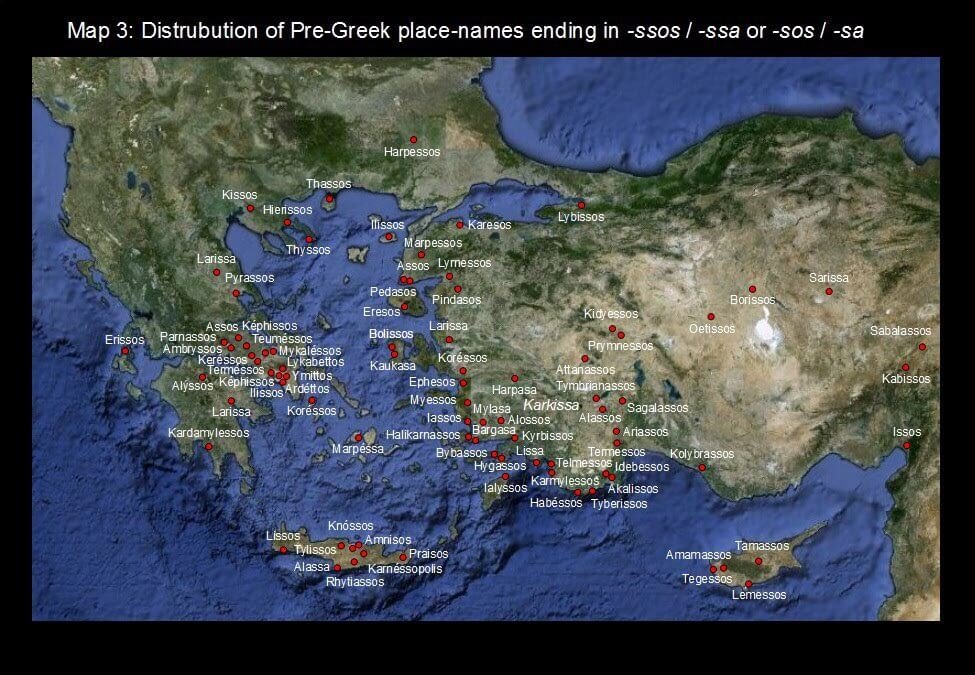
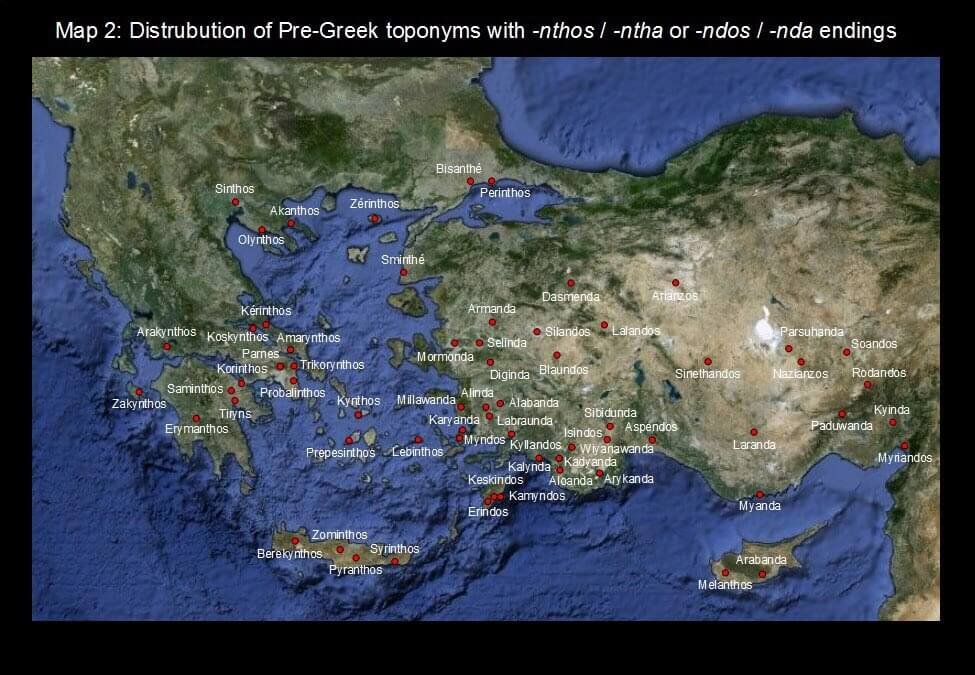
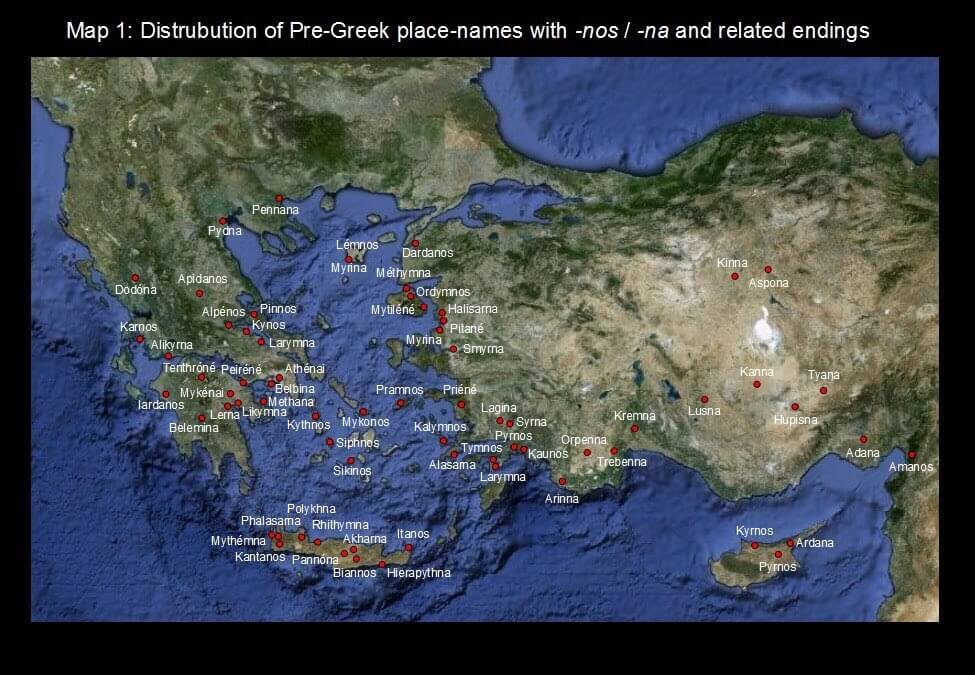
One of the most significant influences on both Ancient Greek and other Anatolian languages appears to be a language related to Anatolian proto-Luwian. This language left its mark on place names, such as those ending in -ssa and -nda in western Asia Minor and -ssos and -nthos in mainland Greece. Notably, the name "Parnassos" in Greece has been associated with the Luwian word "parna-," meaning 'temple, combined with the possessive suffix '-ssa-' (interpreted as "belonging to the temple."). Early 20th-century scholars like Blegen and Hailey identified a significant number of toponyms in Greece and Western Turkey with non-Greek origins, suggesting a pre-Greek linguistic unity in these areas. Common endings such as -nthos/-ntha and -ssos/-ssa are notable examples. These names often lack meaningful Greek etymologies and may instead reflect characteristics of ancient Aegean languages. The suffix -na, seen in names like Itanos and Praisos, aligns with patterns in Etruscan and other ancient languages such as Hattic, pointing to a widespread pre-Greek presence.

Names ending in -nthos/-ntha are found across mainland Greece, the Cyclades, Crete, and Western Anatolia, further supporting the theory of a non-Greek linguistic substrate. These suffixes, although not directly linked to Mycenaean Greek, have parallels in Anatolian languages, suggesting a complex interaction of linguistic influences.

The density of place names with suffixes -s(s) and -nth(nd) in Greek mainland and Crete.

The most numerous pre-Greek toponyms end in -ssos/-ssa, extending beyond the Aegean to places like Niš in Serbia and Arabissos in Turkey. These endings were used in various ancient languages, indicating a broad cultural and linguistic influence. Examples include Etruscan and Luwian suffixes that conveyed possessive meanings, reflecting a deep-rooted linguistic tradition.

Variations in toponyms, such as those with and without specific suffixes, highlight the assimilation of non-Greek names into Greek. Dual names and complex word formations, like Phalasarna and Alasarna, further illustrate the rich linguistic tapestry of the Aegean region before Greek dominance.

The distribution of these linguistic features suggests that this language was spoken during the Early Helladic II period, dating back to around 2800 BC. However, distinguishing between true "Parnassian" (pre-Greek) loanwords and shared pre-Indo-European substrate words remains a challenge. Some academics contend that pro- or pre-Indo-European settlers from Asia Minor may have brought some of the pre-Greek substrate to Greece.

Tracing the Origins of the Greek Language: From Pre-Greek Substrates to Indo-European Roots

The pre-Greek linguistic substrate has long been a subject of extensive debate among linguists and historians. The beginning was the early work by German philologists Paul Kretschmer and August Fick, who identified non-Greek elements in the Greek language, sparking a discussion about their origins. Kretschmer proposed an Anatolian-Carian origin, which at the time was considered non-Indo-European. This perspective shifted with the discovery and decipherment of Hittite texts by Bedřich Hrozný, revealing the Indo-European nature of the Anatolian languages.

The work of Emil Forrer and Joseph Haley further advanced this field, associating certain suffixes in toponyms with the Luwian language. The geographic distribution of these toponyms suggests a movement from Asia Minor to the Greek mainland. Leonard Palmer and Alfred Heubeck contributed by etymologizing toponyms based on Luwian, like the name Parnassus, interpreted as "belonging to the temple."

The density of place names with suffixes -s(s) and -nth(nd) in Asia Minor (Anatolia) and Cyprus.

Fritz Schachermeyr's research linked pre-Greek toponyms with Neolithic habitation sites, aligning the linguistic evidence with archaeological findings. Colin Renfrew and Robert Drews, who had different perspectives on the spread and development of the Proto-Anatolian and Proto-Indo-European languages, further explored this connection.

Renfrew proposed that Proto-Indo-European speakers, who first brought agriculture to Greece, gradually developed the Greek language. Conversely, Drews hypothesized that Greek migration flows eventually took the place of the Proto-Anatolian language of these early farmers. This discourse reflects the complex interplay of linguistic, archaeological, and genetic evidence in understanding the origins and evolution of the Greek language and its pre-Greek substratum.

The density of place names with suffixes -s(s) and -nth(nd) in Italy and the Balkans

The SUPPOSED Arrival of THE Proto-GreekS

The question of the arrival of the Proto-Greeks on the Greek peninsula is a topic that has been extensively debated among historians and archaeologists. The two main theories regarding their arrival are the invasion hypothesis (Dorian invasion) and the cultural transformation or evolution hypothesis. The latter suggests that the Proto-Greek speakers emerged as a result of an evolutionary process within the existing populations of the Greek peninsula rather than as invaders from the north.

Estimates regarding the introduction of Proto-Greek into prehistoric Greece have evolved over time. While many scholars place this transition during the Early Helladic II to Early Helladic III period (c. 2400–2200/2100 BC), some more recent assessments, like John E. Coleman’s, argue for an earlier entry of Proto-Greek speakers into the Greek peninsula, as early as the late 4th millennium BC (c. 3200 BC).

The decipherment of the Linear B script played a crucial role in understanding the arrival of Proto-Greek. Linear B tablets, dating from around 1450 to 1200 BC, provide evidence of an early Greek language. This suggests that the Greek-speaking population had established a presence in the region by the late Bronze Age.

Another perspective emphasizes the role of cultural interaction and gradual assimilation rather than mass migration. According to this view, Proto-Greek may have developed in situ through contact between the indigenous pre-Greek populations and other Indo-European-speaking groups in the same area.

Maps that represents the –now obsolete– theories about the invasion of the Dorians into Greek mainland.

According to this evolutionary hypothesis, interactions between the indigenous populations and the gradual changes in their social, economic, and political structures had a significant impact on the development of the Proto-Greek language and culture. Here are some key assessments supporting this view:

  • Linguistic Continuity: The evolutionary theory often cites linguistic evidence. The argument is that Proto-Greek, the ancestor of all Greek dialects, evolved locally from the pre-existing languages spoken in the Balkans and the Aegean region. This is contrasted with the invasion theory, which would imply a more abrupt linguistic shift.

  • Archaeological Evidence: The lack of abrupt cultural changes in the archaeological record of the Late Bronze Age in Greece is used to support the evolutionary theory. Instead of evidence of destruction and new settlement indicative of invasions, there is continuity in pottery styles, burial practices, and architectural styles, suggesting a gradual cultural evolution rather than a violent replacement of populations.

  • Genetic Studies: Recent genetic studies have shown a significant level of continuity in the DNA of ancient populations in the region (Minoan, Mycenaean, and Western Anatolian). While there is evidence of migrations and minimal genetic influxes from the north, it appears to have been more of a gradual process than a sudden invasion. This genetic blending is still seen as a possible factor in the emergence of Proto-Greek speakers today.

  • Socio-Political Changes: Some historians and archaeologists argue that the emergence of Proto-Greek culture and language was a result of internal socio-political changes in the Aegean societies, such as the rise of new political systems, trade networks, and social structures, rather than the result of external invasions.

  • Mythological and Literary Sources: While not primary sources for historical events, ancient Greek myths and literature occasionally reflect a sense of deep-rootedness in the land. This cultural continuity is sometimes interpreted as supporting the theory of an evolutionary rather than invasive origin for the Proto-Greeks.

  • Comparison with Other Indo-European Languages: The comparison with the development of other Indo-European languages, which frequently demonstrates a pattern of gradual evolution and assimilation rather than abrupt replacement through invasion, also supports the evolutionary theory.

It's important to note that this is a complex and ongoing debate with no definitive conclusion. Both the invasion and evolutionary theories have their strengths and weaknesses, and most contemporary scholars tend to view the arrival of the Proto-Greeks as a result of a combination of both small-scale migration and cultural evolution. The picture that emerges is one of a complex and multi-faceted process of cultural and linguistic development, involving both internal changes and external influences.

Over time, Proto-Greek is believed to have diversified into regional dialects, leading to the emergence of distinct linguistic groups in different parts of Greece. This process likely occurred during the transition from the Early Helladic II to the Early Helladic III period, approximately between 2400 and 2200 BC. As mentioned, the pre-Greek substrate, including linguistic elements from other cultures and languages, may have influenced the development of Proto-Greek. This indicates a degree of interaction and assimilation with pre-existing populations.

3.jpg
2.jpg
1.jpg
3.jpg 2.jpg 1.jpg

Theories of the Pre-Greek Substrate

The theories on the pre-Greek linguistic substrate include:

1. Anatolian substratum: An intriguing aspect of the pre-Greek substrate is its connection to Anatolian languages. Words like "Ἀπόλλων" (Apollo) and "δέπας" (cup) show possible Anatolian or "Parnassian" influence. These loanwords provide tantalizing hints of cultural exchange and linguistic interplay between different regions.

2. Minoan substratum: According to Arthur Evans, it suggests a Minoan (Eteocretan) influence, particularly through Minoan colonization and interactions with Mycenaeans.

3. Tyrrhenian Substratum: Based on Etruscan inscriptions found in Lemnos, it suggests a non-Indo-European Etruscan influence, although the linguistic connection to Greek is minimal.

4. Edzard J. Furnée's Kartvelian Theory links Kartvelian languages to the pre-Greek substrate.

Other substratum theories propose various origins, ranging from Egyptian to Proto-Turkic, but lack significant academic support.

Unlocking the Lexicon

The lexicon of pre-Greek is a treasure trove of words that have found their way into ancient Greek. These loanwords span various domains, including anatomy, animals, architecture, geography, maritime vocabulary, metals and metallurgy, musical instruments, mythology, plants, social practices, theonyms, tools related to agricultural activities, and toponyms or place names. Some notable examples include:

σπόνδυλος (vertebra), κύμβαχος (helmet), ἀψίνθιον (wormwood), ἀράχνη (spider), κῆτος (whale, sea monster), λαβύρινθος (labyrinth), πέτρα (stone), κορυφή (mountain top), ὄχθη (riverbank), θάλασσα (sea), κασσίτερος (tin), χαλκός (copper), λύρα (lyre), σάλπιγξ (trumpet), ἄμπελος (vine), ἐλαία (olive tree), κυπάρισσος (cypress), ϝάναξ/ἄναξ (lord, king),

  • Ἀχιλλεύς (Achilles)

  • Ὀδυσσεύς (Odysseus)Ἀπόλλων (Apollo)

  • Ἄρης (Ares)

  • Ἄρτεμις (Artemis)

  • Ἀσκληπιός (Asclepius)

  • Ἀθήνη (Athena)

  • Ἄτλας (Atlas)

  • Διόνῡσος (Dionysus)

  • Ἑρμῆς (Hermes)

  • Ἥφαιστος (Hephaestus)

The occurrence of the Minoan word Labyrinth: Exploring the Links between Minoan and Anatolian Cultures through the Word 'Labrys' and the Carian Sacred Site of Labranda

The double axe, known as "labrys" in Lydian and other western Anatolian languages, has profound roots in the early Neolithic period, notably at Çatal Höyük around 7500 to 5700 BCE. The labrys, linked to bull sacrifices and fertility rites, represent a deeply embedded symbol across ancient civilizations, evolving in significance from Çatal Höyük to the western Anatolian and Minoan civilizations at Knossos, Crete. Here, it was associated with religious practices and rituals, highlighting its continuity and adaptation across the Mediterranean.

The double axe is an oriental symbol. Its earliest depiction comes from Catal Huyuk, the pre-pottery Neolithic proto-city of Anatolia, where it was found in a highly symbolic rock carving within its complex labyrinth-like city planning. The oldest finding of a double axe was found at the site of Gürcü Tepe, further east of Catal Huyuk, but within a similar cultural context. The character of the settlement at Gürcü Tepe was entirely rural, and the nature of the double axe was probably apotropaic.

In Minoan culture, the labyrinth symbolized complex structures and was associated with divine powers, as seen in the Mycenaean tablet KN Gg 702, which refers to the "mistress of the labyrinth." This ties the labrys directly to leadership centered around sacred spaces. The hypothesis linking the term "labrys" with "labyrinthos" arose from linguistic interpretations of this specific Linear B tablet, which bears the phrase "da-pu2-ri-to-jo, po-ti-ni-ja," rendered as "dabyrinthoio potnia," or "Mistress of the Labyrinth." The linguistic phenomenon where the initial sounds "d" and "l" alternate supports this interpretation. This pattern is also present in other ancient terms, such as the early Hittite royal title Tabarna/Labarna, in which the "t" may phonetically correspond to a "d." Plutarch’s account, noting the use of "labrys" for axe among the Lydians, underscores its linguistic and cultural significance and its adaptation into the concept of the labyrinth.

Labranda, another place name in Caria based on the word labrys, represents a key site in understanding the integration of the labrys symbol, illustrating the adaptation of religious symbols under changing cultural influences. Associated with Zeus Labrandeus, Labranda highlights a shift in religious focus, reflecting the broader religious and cultural shifts as Neolithic Anatolians permeated the Aegean and later Greek influences permeated Anatolia. This transition encapsulates the syncretism between Anatolian, Minoan, and later Greek religious practices.

While the link between the labrys and the labyrinth has sparked scholarly debate, the presence of the labrys across various cultural contexts—Neolithic Çatalhöyük, ceremonial Minoan Crete, and religiously significant Caria—underscores its importance as a symbol in the ancient Mediterranean. This rich tapestry of religious and cultural meanings illustrates the complex interplay of language, symbolism, and cultural exchange that characterized these ancient societies.

This composite image presents three depictions of the labrys, the double-headed axe, in varying historical and cultural contexts.

On the left, a coin from ancient Caria features the figure of Zeus Labrandeus, denoted by the inscribed name. The deity is presented in profile, holding a long, slender staff in one hand, and a prominent labrys in the other. His attire is classically draped, suggesting a combination of divine status with Hellenistic fashion.

The center image and the rightmost section depict a Hittite relief carving, showcasing a robust figure wielding the labrys. The deity, likely representing the storm god Tarhunt, is shown in a stance of power and motion. The carving exhibits characteristic Hittite artistry, with attention to the texture of the garments and the detailed rendering of the double-headed axe.

Finally, the third image reveals a Minoan representation. Here, a figure, possibly a deity or priestess, is shown in a stylized pose with a labrys in hand. This figure is more abstracted, with minimal detail and an emphasis on the silhouette, a common feature in Minoan iconography.

Together, these three images underscore the widespread significance of the labrys across different cultures and eras in the ancient Mediterranean world, illustrating its role as a symbol of divine power and authority.

The pre-Greek substrate remains a fascinating puzzle in the study of ancient Greece's linguistic and cultural history. While scholars continue to unravel its mysteries, the influence of these forgotten languages on the development of Greek civilization cannot be denied. The pre-Greek substrate is a testament to the complex tapestry of influences that shaped the ancient world, and it reminds us that the past is full of secrets waiting to be uncovered.

In Aegean Prehistory Tags Dimosthenis Vasiloudis

Assessing the Historical Accuracy of Greek Wooden Temples in Assassin's Creed Odyssey

January 3, 2024

BY DIMOSTHENIS VASILOUDIS


Historical Veracity: A Virtual Pilgrimage to Archaic Greek Temples

The "Assassin's Creed Odyssey" video game, set in ancient Greece, offers a vivid recreation of the era's architecture and culture. Among its numerous features are the wooden temples, which prompt an intriguing question: to what extent do these digital constructions correspond to historical reality?

The Prevalence of Wood in Ancient Construction

In ancient times, particularly in Egypt and Greece, wood was a primary material for various constructions, including statues and temples. A notable example is the statue of Zeus by Phidias, crafted from ebony wood and adorned with gold and ivory, standing at a remarkable 12.40 meters. This use of wood extended beyond statues to buildings, including temples and houses.

Images courtesy of Ubisoft graphic designers Alexis Harrisson and Pierre Fleau.

Transition from Wood to Stone in Greek Temples

The game's depiction of wooden temples aligns with historical evidence suggesting that early Greek temples were primarily wooden structures. The temple of Apollo in Thermo of Aetolia, which represents the primary temple building during the time period, serves as an example of this. However, the transition to stone architecture began in the late 7th century BC, rapidly becoming the norm during the 6th century. This shift made the structures more durable, as seen in the enduring stone monuments that define ancient Greek architecture today.

Case Studies: The Temple of Hera at Olympia and Orthia Artemis in Sparta

View fullsize 133283635_1257235644677060_7509474403826086589_n (1).jpg
View fullsize 133294944_1257235618010396_2257371830351774396_n (1).jpg

The temple of Hera at Olympia serves as a prime example of this gradual shift from wood to stone. Its initial wooden structure underwent centuries-long transformation, reflecting the evolution of the Doric column. Similarly, the temple of Artemis Orthia in Sparta, dating back to the 9th or 8th century BC, followed this wooden template, demonstrating the prevalent use of wood in early Greek temple architecture.

Influence of Material Change on Architectural Style

The replacement of wood and clay with stone, particularly tufa or marble, initiated a significant evolution in Greek temple architecture. The transformation of the Mycenaean wooden column into the stone Doric column marked a pivotal change in architectural style, leading to the widespread establishment of Doric temples across Greece and Greater Greece. Concurrently, Ionic temples, characterized by their distinct column style, emerged in Asia Minor, particularly in Ionia.

Images courtesy of Ubisoft graphic designers Alexis Harrisson and Pierre Fleau.

"Assassin's Creed Odyssey" accurately reflects the historical reality of wooden temples in ancient Greece to a significant extent. The game's portrayal of these structures is consistent with archaeological findings and historical records, showcasing the early use of wood in temple construction and its gradual replacement by stone. This historical accuracy not only enriches the gaming experience but also provides an educational glimpse into ancient Greek architecture and its evolution over time.

In Greece's Historical Period Tags Dimosthenis Vasiloudis

The Secret Cave City Revealed by an Earthquake: 5 Most Mysterious Ancient Underground Cities

January 2, 2024

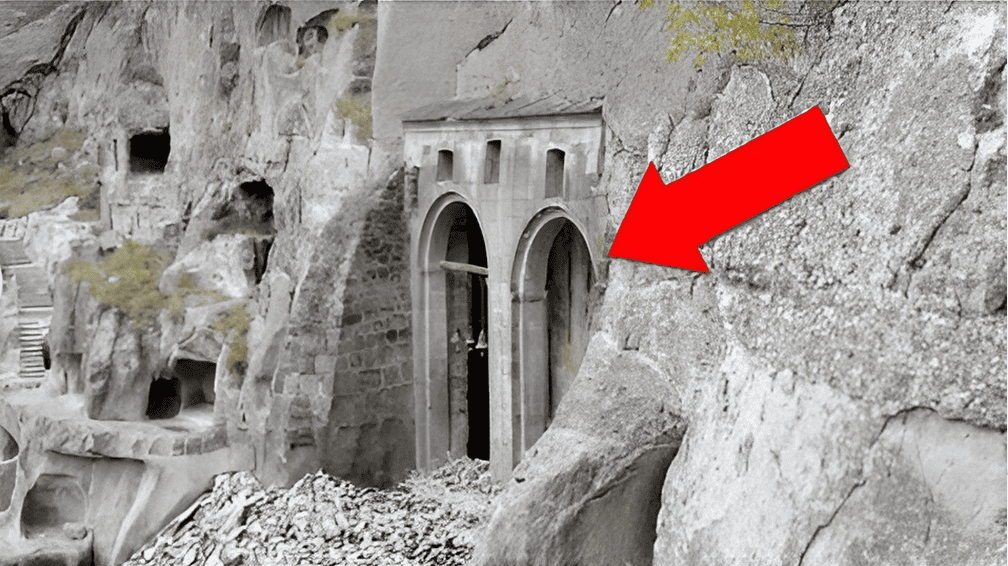
Situated approximately 30 kilometers away from Aspindza on the slopes of Erusheti Mountain in Georgia, Vardzia serves as a remarkable illustration of cave architecture, reflecting the deep historical roots of the nation within its rock-cut structures.

Vardzia's origins trace back to the 12th century during the prosperous rule of King Giorgi the Third in Georgia. However, the significant expansion of this cave city occurred under the leadership of his daughter, Queen Tamar. Initially conceived as a fortress to defend against the constant threat of Mongol invasions, Vardzia transformed into a self-contained monastic settlement, a hub of cultural and educational activities, and a symbol of Georgian resilience.

Carved into the cliffside, standing at an elevation of over 1,300 meters, Vardzia extends for more than half a kilometer and ascends to nineteen tiers. At its peak, it boasted over 6,000 apartments housing 2,000 resident monks, along with a throne room and the Church of the Dormition, adorned with exquisite frescoes.

Legend has it that the city was accessible only through a hidden tunnel, and Queen Tamar occupied 366 apartments, frequently changing her residence to thwart potential invaders.

The architects of Vardzia demonstrated remarkable foresight and ingenuity, incorporating an intricate irrigation system that channeled water from the mountain to the complex. This system not only fulfilled the city's drinking water needs but also supported its agricultural terraces crucial for food production.

In 1283, a devastating earthquake exposed the hidden city by shearing off the front of the mountain, marking the beginning of Vardzia's decline as the protection offered by its concealed façade was lost.

The decline of Vardzia intensified in the 16th century after its capture by the Safavids in 1551, resulting in significant casualties and the plunder of precious icons and gospels. The region then became a battleground between the Ottomans and Safavids, leading to the abandonment of Vardzia.

Despite the decline, some monks returned to the site, and a small monastic community endured. The Soviet era witnessed further excavation and partial restoration of the city. Today, a few monks continue to reside here, preserving the spiritual legacy of this ancient city.

150-Million-Year-Old Giant Sea Monster Found In Dorset Cliff

January 2, 2024

The Etches Collection in Kimmeridge, Dorset, is now home to the skull of a new species of pliosaur, an enormous marine predator that lived around 150 million years ago. At around 12 metres in length, the pliosaur is thought to have been able to beat a T-Rex in a fight. The discovery of the fossil specimen began with the discovery of a snout segment on a beach in Dorset.

Steve Etches and Chris Moore were the preparators who were tasked with extracting the fossilised skull from the cliff face in which it was embedded. The process took around two weeks of continuous chiselling, before the skull was plastered and taken down from the cliff face. It weighs almost a tonne and had to be transported up the cliff using a specially designed cage.

The whole process of extracting the skull took several months. The Etches Collection is home to a range of fossils from the Jurassic Coast, which is known for its rich variety of fossils, including ammonites, belemnites, and ichthyosaurs.

Youtuber discovered Something on Google Earth that no one has seen Before

January 2, 2024

The video shows a geologic structure that the presenter found on Google Earth and decided to explore. The structure looks like a giant fortress with holes and possible steps. The presenter had to traverse several miles of intricate and treacherous petrified sand dunes to reach the structure.

A team of explorers embarked on a thrilling expedition to uncover the secrets of a bizarre geologic structure discovered on Google Earth. Navigating through vast petrified sand dunes and overcoming various obstacles, the team prioritized safety while delving into the unknown. Their initial findings revealed a massive and unexpected sandstone formation, sparking curiosity and igniting a sense of adventure as they delved further into the mysterious landscape.

As their exploration continued, the team stumbled upon what appeared to be a potential dinosaur footprint, prompting excitement and further intrigue. Subsequent discoveries of similar pictures of dinosaur footprints on Google Earth intensified their determination to unearth the historical and geological significance of this remote area. The thrill of uncovering hidden chambers within the honeycomb-like structures added to the allure of the expedition, gradually revealing the captivating and enigmatic story that lay hidden within the vast expanse of the petrified landscape.

What Earth Was Like Just Before The Dinosaurs?

January 2, 2024

The Earth has undergone significant changes throughout its 4.5 billion-year history, and it's difficult to imagine what it was like before humans existed. However, the early Triassic period, which was around 50 million years ago, was an unusual time even by the Earth's standards. During this time, the supercontinent Pangia covered around a third of the Earth's total surface and consisted of over 95% of all land, with only a few continental islands to the east.

The Paleo teus sea surrounded these islands, and the Panthalassic super ocean was located to the east of the sea. The early Triassic was extremely hot, with temperatures ranging from 120 to 140°F (49 to 60°C) during the summer.

This was largely due to the worst mass extinction event in history, the Peran Triassic Extinction event, which wiped out 90% of all species. Despite the harsh conditions, life managed to persist, and the most abundant creature was the Lystrosaurus, an unassuming herbivorous animal that had managed to survive the extinction event. Other survivors included the non-mamalian synapsids, such as the Therocephalians and Gorgonopsids, as well as the non-mamalian cynodonts.

How to Understand Yourself - Marcus Aurelius

January 2, 2024

The subconscious plays a significant role in how we act, and understanding ourselves better requires observing our choices and behaviors. Identifying our morals and values is like having a compass for our lives, helping us navigate through the vast sea of choices.

Our values act as a moral compass, ensuring that our actions align with what we believe in, bringing a sense of authenticity to our character. Knowing our values helps in decision-making, as choices that align with our values are more likely to bring long-term satisfaction and happiness. Self-awareness is the cornerstone of personal growth, and cultivating it helps us comprehend our thoughts, emotions, and actions. Developing self-awareness is like turning on a light in the dark corners of our thoughts and emotions, helping us make better choices and respond to life's challenges with composure and resilience.

It also helps us understand others, making our relationships stronger. Understanding ourselves reduces stress and brings a sense of calm and peace. In summary, identifying our morals and values and developing self-awareness are essential steps towards a fulfilling and purposeful existence.

Top 3 Most Expensive Katana / History of Japanese Swords

January 2, 2024

Japanese swords, known as Katana, have a rich history steeped in tradition. These weapons were originally used in battles and duels but also held symbolic significance as emblems of the authority of the emperor and the samurai class. Owning a famous sword symbolized power, even for feudal warlords. Historical figures like Oda Nobunaga and Toyotomi Hideyoshi generously gifted renowned swords acquired as spoils of war to their loyal vessels. In this video, the top three most expensive Japanese swords in history are introduced.
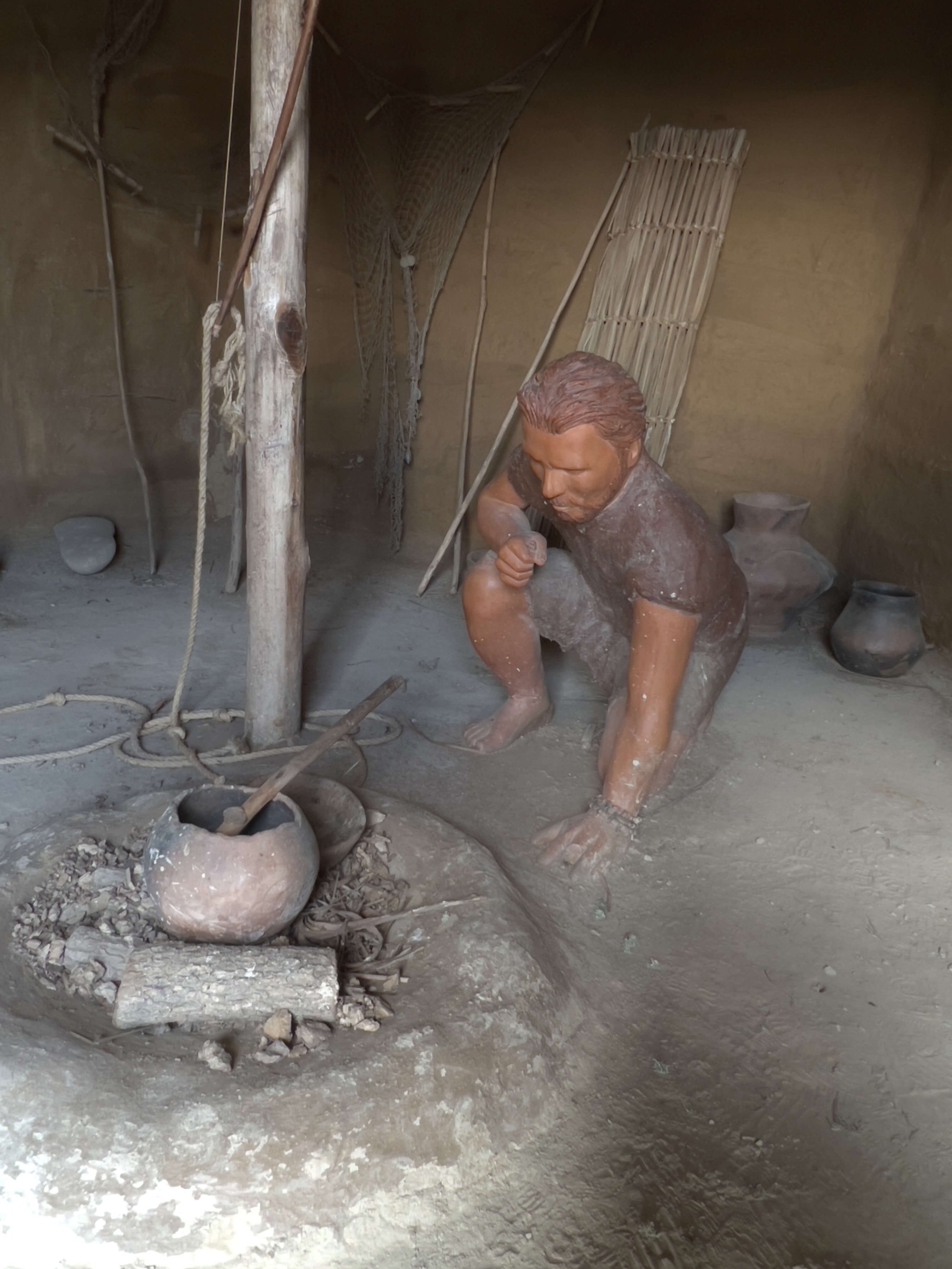
1. Oira - 270 million yen: The Oira is a Japanese sword believed to have been crafted in the late Hon period. It was created by the renowned swordsmith Kihira, who is active during the late Haan era. The old Kih is often referred to as a miraculous sword crafted by Kih and is considered a national treasure among national treasures.

2. Yamami Kunihiro - 300 million yen: The Yamagi Kunihiro is a sword forged during the Azuchi Momoyama period by the renowned master smith Horikawa Kunihiro upon request from Ashikaga Castle's Lord Nagakinaga. Kunihiro was immensely famous during his lifetime, with many warlords and dios commissioning blades from him.

3. Honjo Masamune - Priceless: The Honjo Masamune is a Japanese sword that has been passed down through the generations of the Tokugawa family. Its current whereabouts are unknown, but it is believed to be housed in a private collection. The sword is considered a national treasure of Japan and is considered priceless.

Watch the video below to find more:

Lost Knowledge: 5 Unexplained Ancient Instruction Manuals Left by our Ancestors

January 2, 2024

The enigmatic 15th-century fencing master, Hans Talhoffer, authored a series of combat manuscripts, the most mysterious being his 1467 creation that combines martial skills with cryptic illustrations. The manual encompasses a wide range of fighting techniques, including unarmed combat, dagger fighting, longsword techniques, and combat in armor.

However, unlike modern manuals, Talhoffer's work lacks explanatory text, leaving the interpretation of sequences open-ended. One of the most debated illustrations is that of the so-called judicial duel, depicting a man and a woman engaged in combat in a specially prepared arena, sparking discussions about gender roles in medieval combat and the nature of trial by combat. The manual's greatest mystery may lie in its purpose and audience, whether it was intended as a practical guide for students of martial arts, a showcase of Talhoffer's skills for potential patrons, or a work of art.

The Enki Tablet is an ancient cuneiform tablet dating back over 4,000 years that describes instructions for building an ark, echoing the biblical Noah's story but with a unique twist. The tablet was unearthed in modern-day Iraq, a region once known as Mesopotamia. The tablet is inscribed with a series of instructions given by Enki, a Sumerian god, to Atrahasis, a Sumerian king, to build a giant boat, providing specific dimensions and materials. The ark as described was a massive multi-story vessel capable of withstanding the great deluge that was to cleanse the Earth.

The ark described in the tablet is notably different from the traditional depictions in the biblical narrative, being a massive round coracle, a type of circular boat commonly made of reeds and bitumen or asphalt in ancient Mesopotamia. The similarities between the Enki Tablet's narrative and the biblical story of Noah raise intriguing questions about a common source or inspiration for these flood myths.

Pyramid Secrets Revealed Inside the Great Scar

January 2, 2024

The Pyramid of Menor is the smallest of the three major pyramids on the Giza Plateau, made mostly of limestone but partly cased and lined with pink granite. King Menor, believed to be responsible for its construction in the 26th century BC, has a ruined pyramid with a large gash on its northern face.

The pyramid has an intricate system of passageways and chambers, including a granite-lined burial chamber with a curved roof that once held a magnificent Basel sarcophagus. The coffin found in the pyramid was not Menor's and was much later than the 26th century BC. The bones found in the pyramid were less than 2,000 years old. The pyramid's inscription on its northern face mentions Menor by name, the day, and month the king died, which confirms that New Kingdom Egyptians believed this pyramid belonged to Menor.

The pyramid's enormous gash on its northern face is believed to be the unsuccessful attempt of Alyses Utman, the Second Son of Saladin Sultan of Egypt, to demolish the pyramid in the 12th century. However, the reason for the damage is not likely an attempt to destroy the pyramid. It is more logical to work from the top down if you were tasked to destroy an enormous stone pyramid. The Arabs already had a full understanding of the interior of the Great Pyramid and how the king's chamber was found high up, so could the Menor pyramid be hiding more inside the superstructure?

Image Credit : Russian Academy of Sciences 

Russia: Enigmatic Burial Necropolis Unearthed in Kuban

January 2, 2024

In a remarkable archaeological discovery, researchers from the Institute of Archaeology of the Russian Academy of Sciences have unveiled a burial necropolis dating back to the 4th to 3rd century BC in Kuban, a region nestled in the North Caucasus of southern Russia. This revelation sheds new light on the rich history and cultural tapestry of this region. Join us on this journey through time as we delve into the details of this fascinating discovery.

The Unearthed Necropolis

Amidst the backdrop of modern construction for a federal highway, the diligent work of archaeologists has brought to light a burial necropolis that once served as the final resting place for the ancient inhabitants of Kuban. The necropolis was found on an ancient floodplain terrace, its graves containing rectangular burial pits lined with flat slabs of marl or sandstone. Despite the passage of centuries, the site still bears traces of its historical significance.

A total of 22 burials were uncovered during the excavations. However, the passage of time had taken its toll on many of them, with numerous graves having been robbed or damaged in antiquity. Nonetheless, each burial revealed unique aspects of the lives and beliefs of those interred here.

Burial No. 19:

One of the most intriguing finds was Burial No. 19, which contained the remains of both a man and a woman. Their skeletal remains were accompanied by an array of funerary offerings that hint at the culture and customs of the time. Among the artifacts discovered were bronze rings, a spear, and an iron tip. These items speak to the societal and personal significance attached to this burial.

Burial No. 10:

Another noteworthy discovery was Burial No. 10, which held the remains of five individuals. What set this burial apart were the multiple spears, silver decorative objects, iron knives, and bronze rings, one of which bore an image of a two-column temple portico. The presence of such artifacts suggests the prominence of these individuals within their community.

Burial No. 15:

In a rare find, Burial No. 15 remained largely untouched by the ravages of time. Here, archaeologists uncovered a Heraclean amphora, a black-gloss bowl, bronze and iron rings, as well as a bronze bracelet. This burial gives us a glimpse into the artistry and craftsmanship of the period, as well as the material possessions cherished by the deceased.

Cultural Significance

The excavation site offered more than just a collection of burials. In its vicinity, numerous amphorae and tableware, including jugs and bowls, were discovered. Most notably, many of these objects were imported from Heraclea Pontica, a coastal city in Bithynia, Asia Minor. These findings suggest the presence of trade networks and the use of imported goods in funerary rituals to honor the deceased.

The Kuban burial necropolis, with its ancient graves and artifacts, stands as a testament to the rich history and cultural heritage of the North Caucasus region. As archaeologists continue to explore and decipher the secrets of this site, we are reminded of the enduring connection between the past and the present. This discovery adds another chapter to the ongoing narrative of human civilization, one that invites us to contemplate the lives and beliefs of those who once called Kuban their home.

In Eurasian Steppe

The Vinča Script and the Quest for the World's Oldest Writing System

January 2, 2024

The Vinča script, often mentioned in discussions about the origins of writing, represents a fascinating and enigmatic chapter in the history of human communication. This article aims to explore the Vinča script in depth, examining its history, characteristics, and the ongoing debate over its status as potentially one of the oldest forms of writing.

Historical Context

The Vinča culture, named after a village near Belgrade where significant artifacts were first discovered, thrived in the Balkans, particularly in present-day Serbia, Romania, Bulgaria, and Greece, during the Neolithic era, around 5500 to 4500 BCE. Significant advancements in agriculture, the domestication of animals, and increasingly sophisticated pottery and tool-making techniques all occurred during this time.

Discovery of the Vinča Symbols

The Vinča symbols were first uncovered in the early 20th century. These symbols, inscribed on pottery, figurines, and other clay artifacts, immediately attracted the attention of archaeologists and historians. Their linear, abstract style differed significantly from the pictorial representations seen in contemporary art forms.

Characteristics of the Vinča Script

The symbols consist of various linear and angular marks, some of which appear to be organized in repetitive patterns. The collection includes simple geometric shapes, lines, swirls, and more complex forms that some suggest resemble letters or ideograms.

Debate Over Its Status as Writing

The central debate about the Vinča symbols revolves around whether they constitute a form of writing. If proven to be a true script, the Vinča symbols could predate the earliest known Mesopotamian cuneiform script and Egyptian hieroglyphs, traditionally considered the origins of writing around 3200 BCE.

Arguments for Its Status as Writing

1. Systematic Nature: Proponents argue that the repetitive and systematic nature of the symbols suggests they were used for communication.

2. Wide Geographic Spread: The symbols are found over a broad geographic area, indicating a shared system of symbols across the Vinča culture.

3. Complexity and Consistency: The complexity and consistency of the symbols across different artifacts suggest a degree of sophistication that might indicate a form of writing.

Counterarguments

1. Lack of Contextual Evidence: Critics point out the lack of contextual evidence, such as the symbols being used in different mediums or contexts that unequivocally suggest record-keeping or narrative functions.

2. No Decipherment: Despite numerous attempts, no one has successfully deciphered the Vinča symbols, casting doubt on whether they represent a language.

3. Symbolic or Ritualistic Purpose: Some argue that these symbols might have served a symbolic or ritualistic purpose rather than constituting a form of writing.

Comparison with Other Prehistoric Scripts

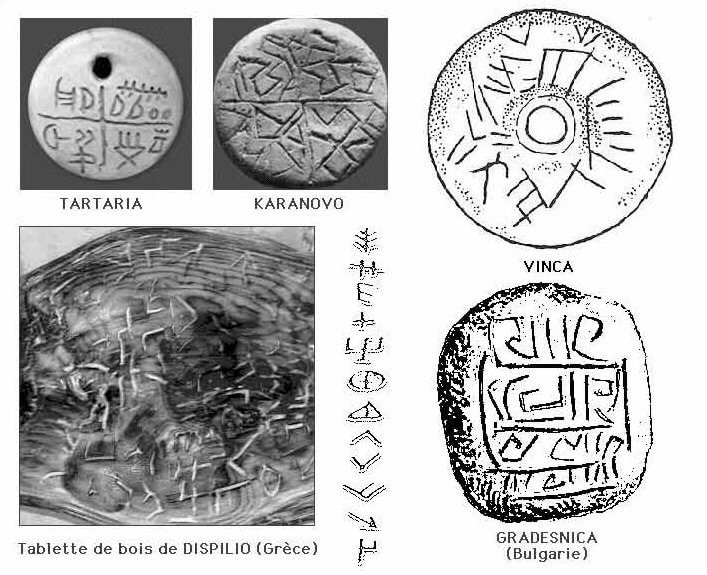
The debate about the Vinča script often involves comparisons with other prehistoric scripts such as the Tartaria tablets, the Dispilio Tablet from Greece, and the Jiahu symbols from China. These artifacts also feature undeciphered symbols and have sparked similar debates about the origins of writing.

Current Scholarly Consensus

The current scholarly consensus leans towards a cautious approach. While acknowledging the importance and intrigue of the Vinča symbols, most experts stop short of declaring them a bona fide writing system. The absence of a clear linguistic structure and the lack of decipherment are significant hurdles in classifying these symbols as a form of writing.

In conclusion, while the Vinča script remains a subject of fascination and mystery, the claim that it is the oldest form of writing is still a matter of debate. Its significance, however, in understanding the cognitive and cultural developments of the Neolithic Balkans remains undiminished. As archaeological techniques evolve and new discoveries emerge, the mystery of the Vinča script continues to captivate historians, archaeologists, and linguists alike, offering a tantalizing glimpse into the dawn of human civilization.

In Balkan Region Tags D

The Neolithic Site of Dispilio: Interactive Learning of a Neolithic Settlement in Northern Greece

January 1, 2024

Text-Photos BY DIMOSTHENIS VASILOUDIS


Dispilio Open-Air Museum: Educational Journey Through Time in a Greek Neolithic Village

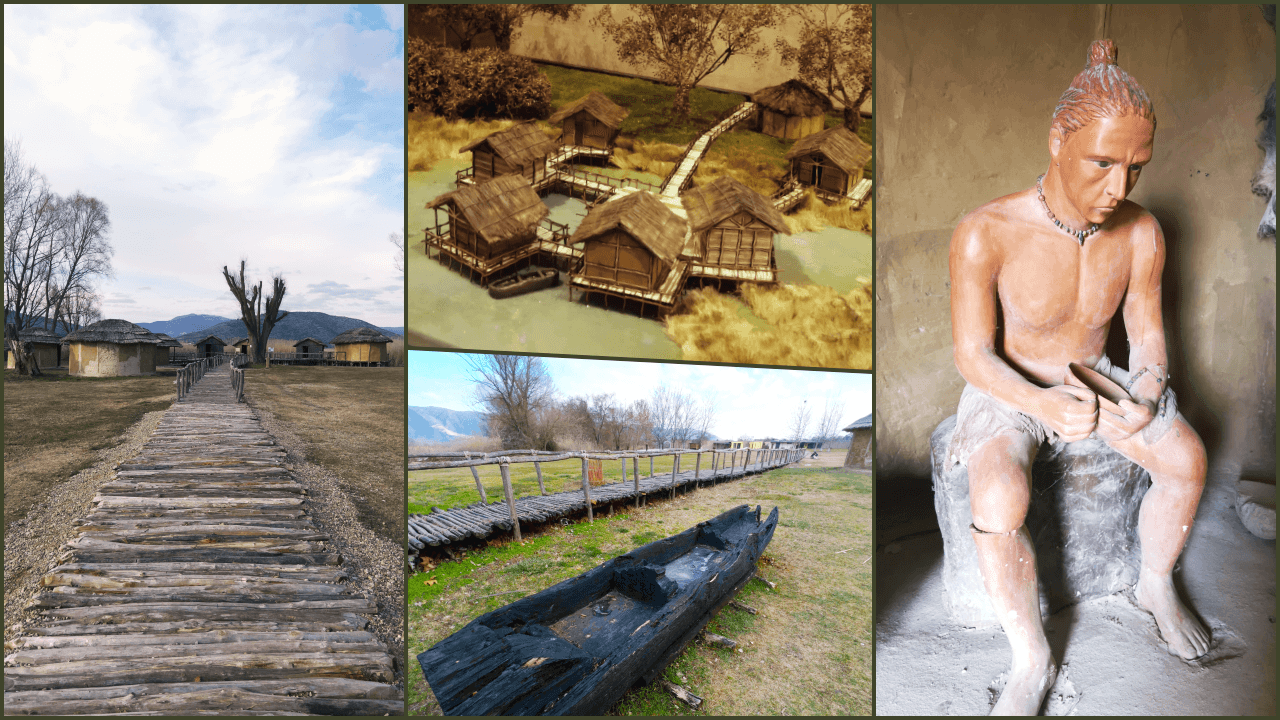
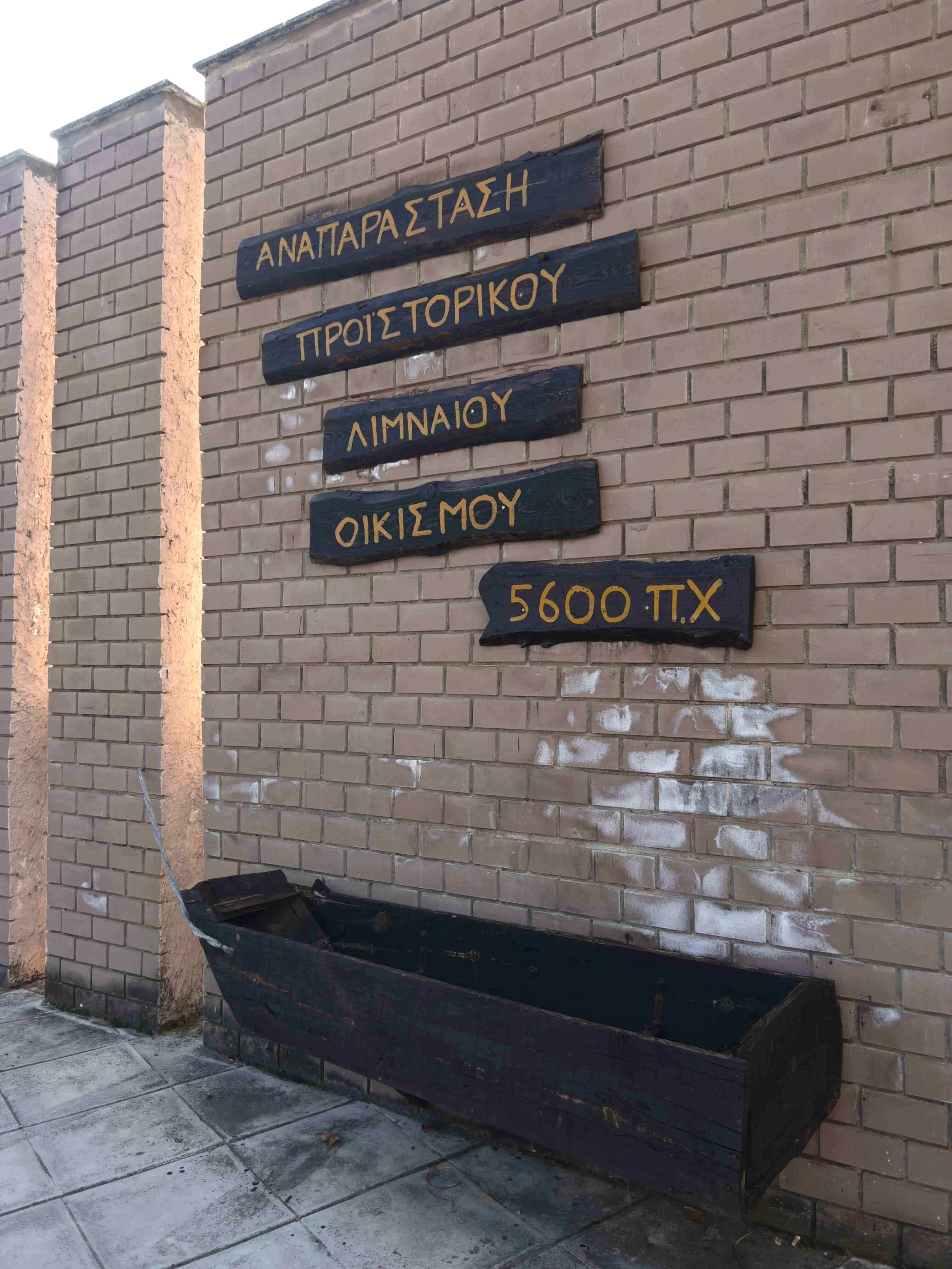
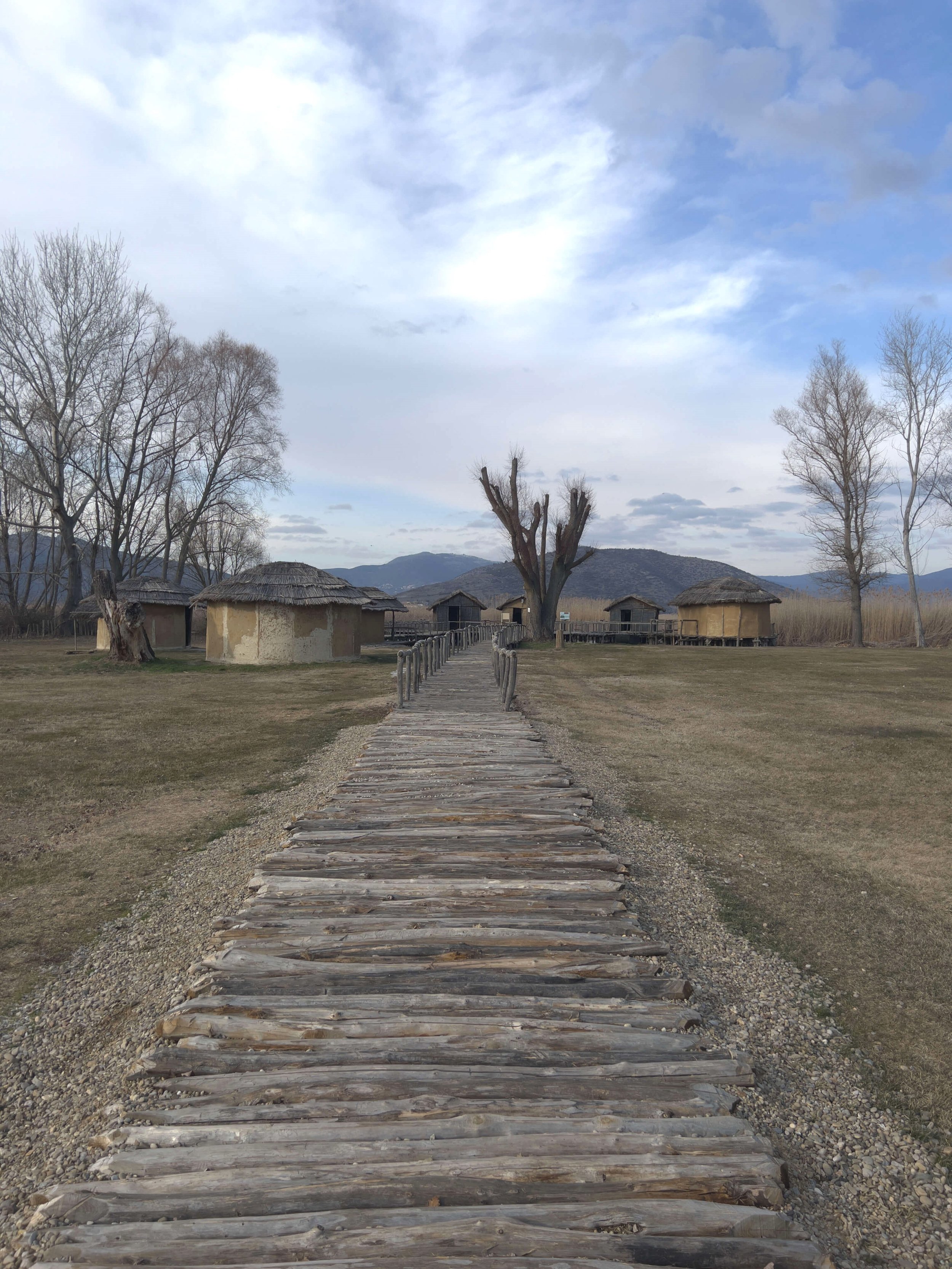
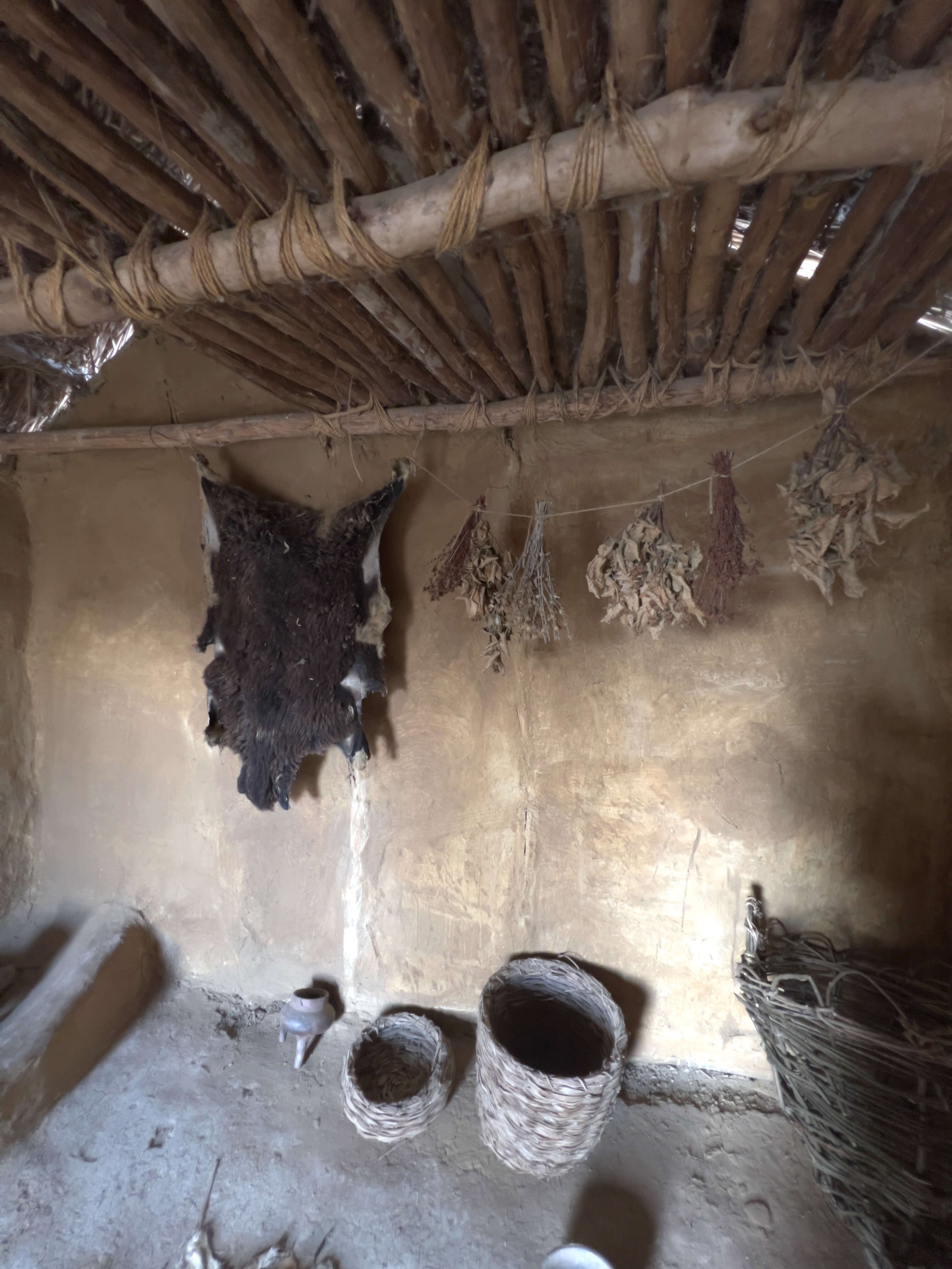
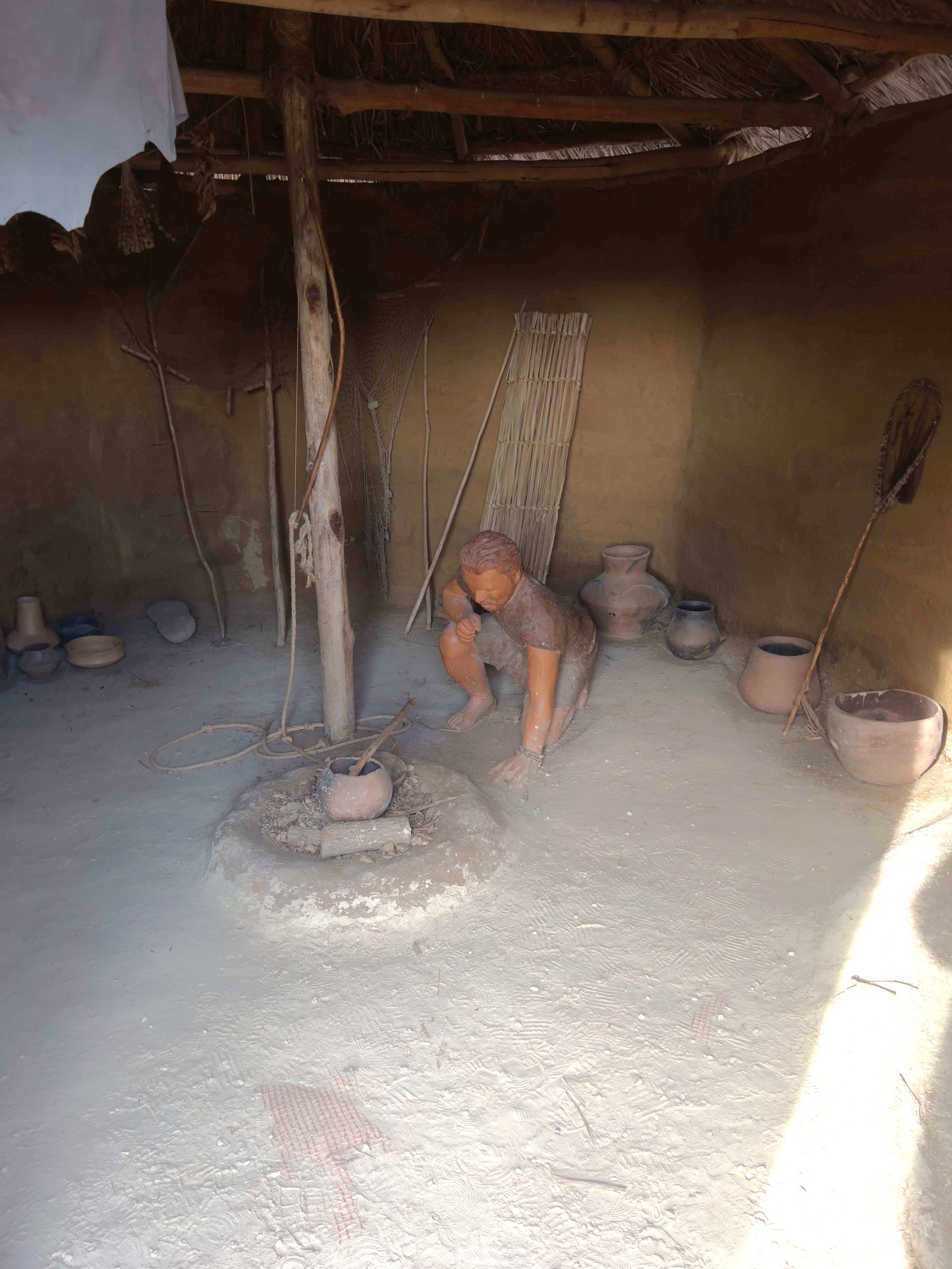
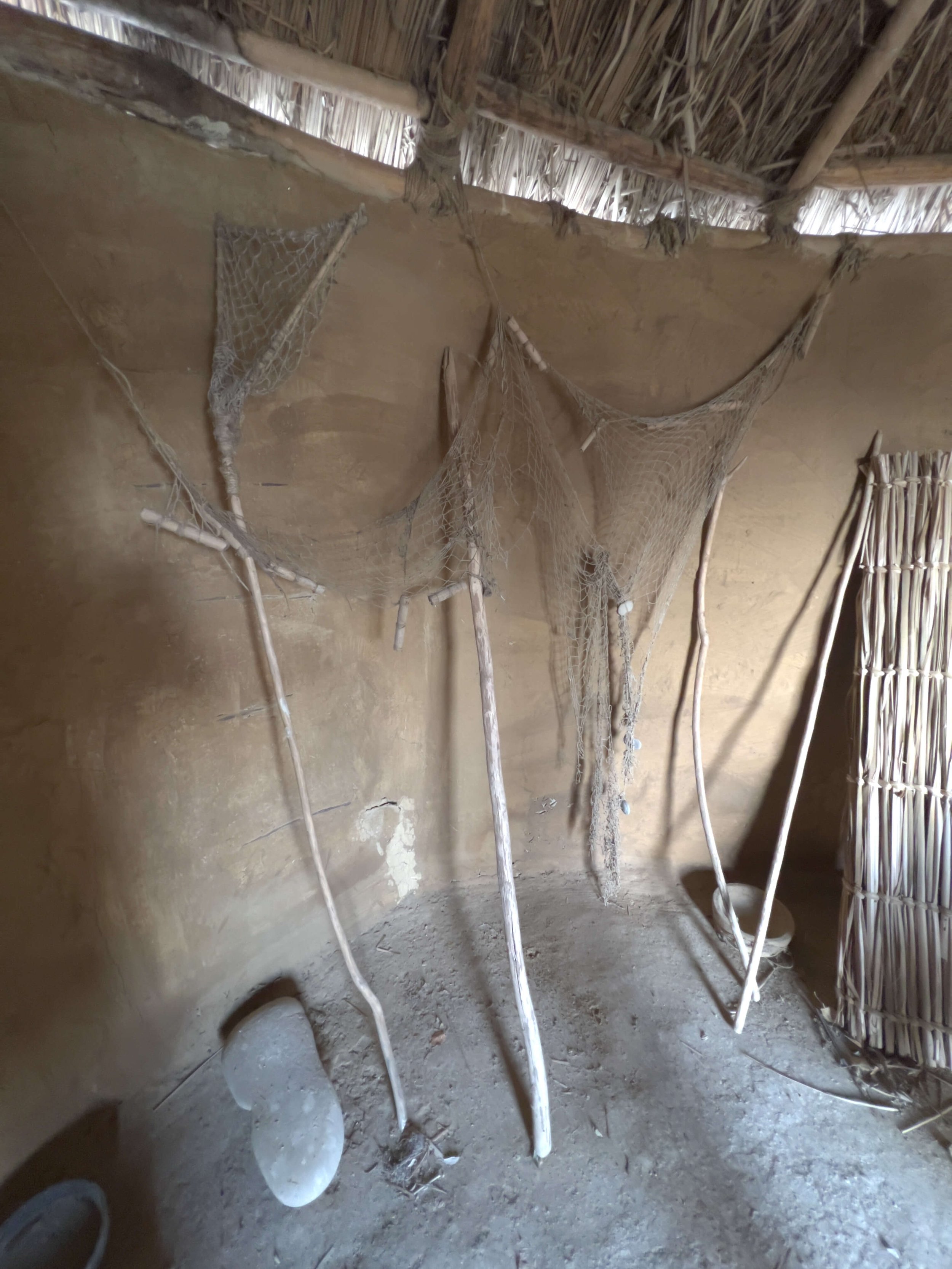
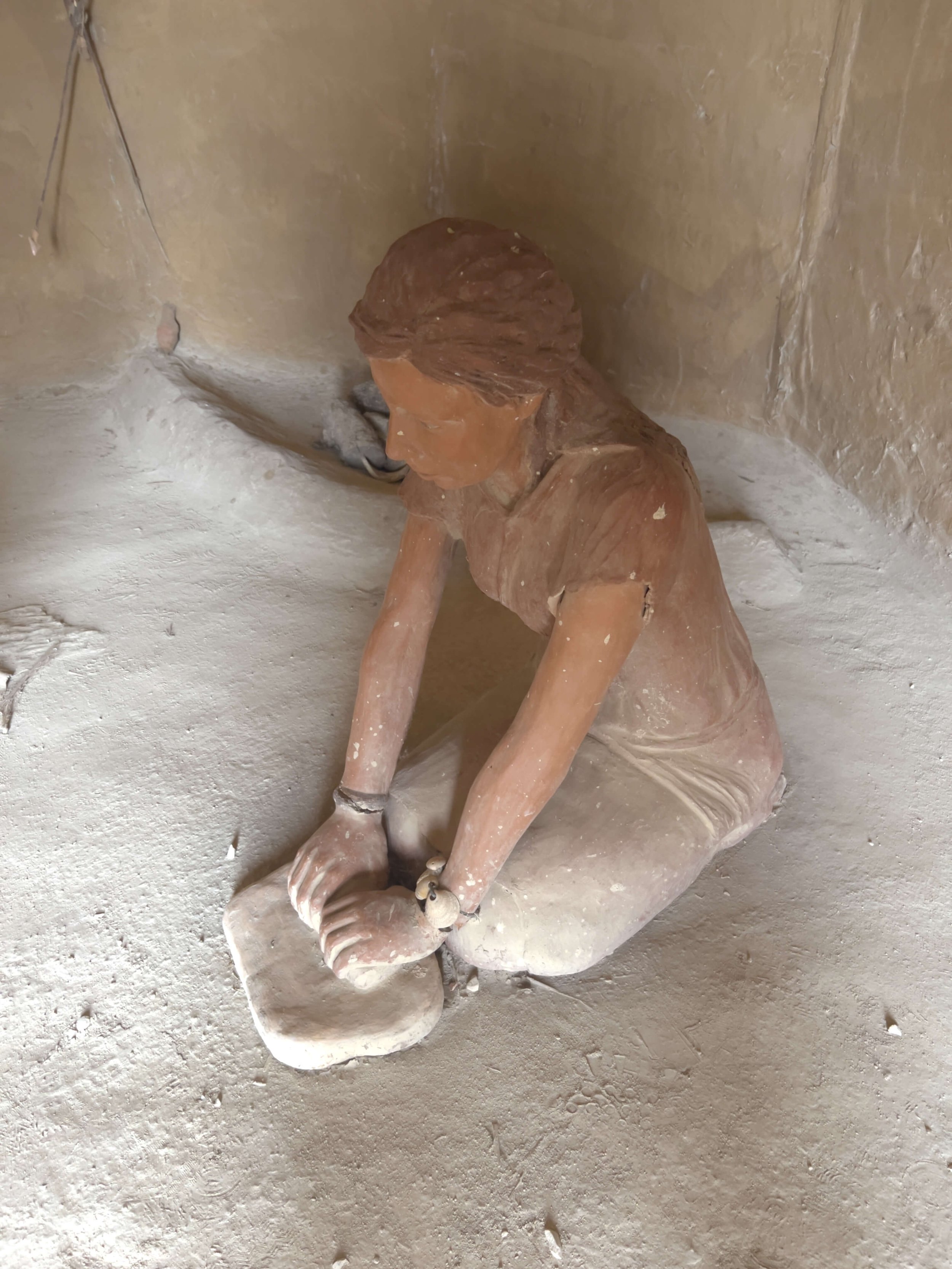
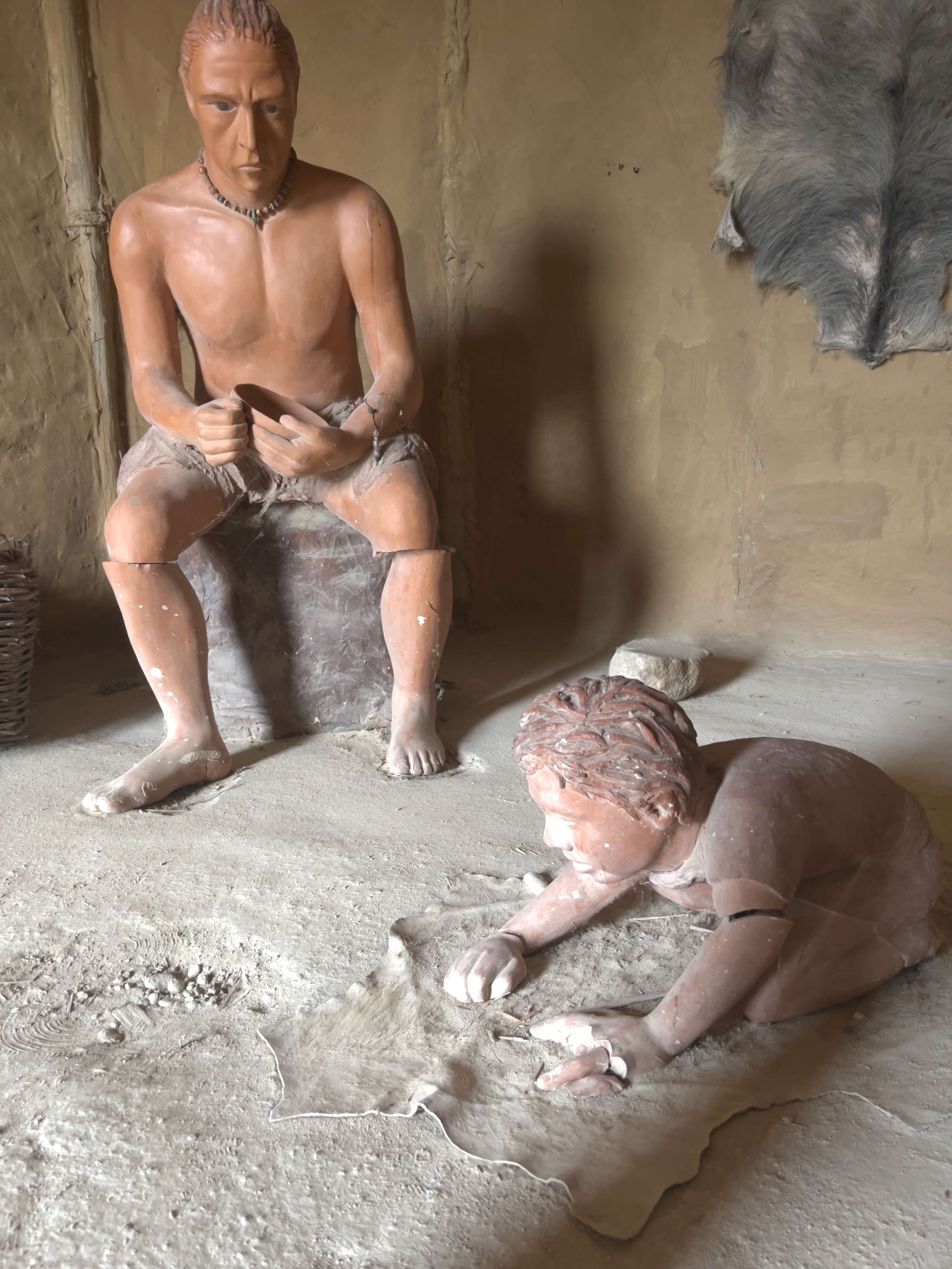
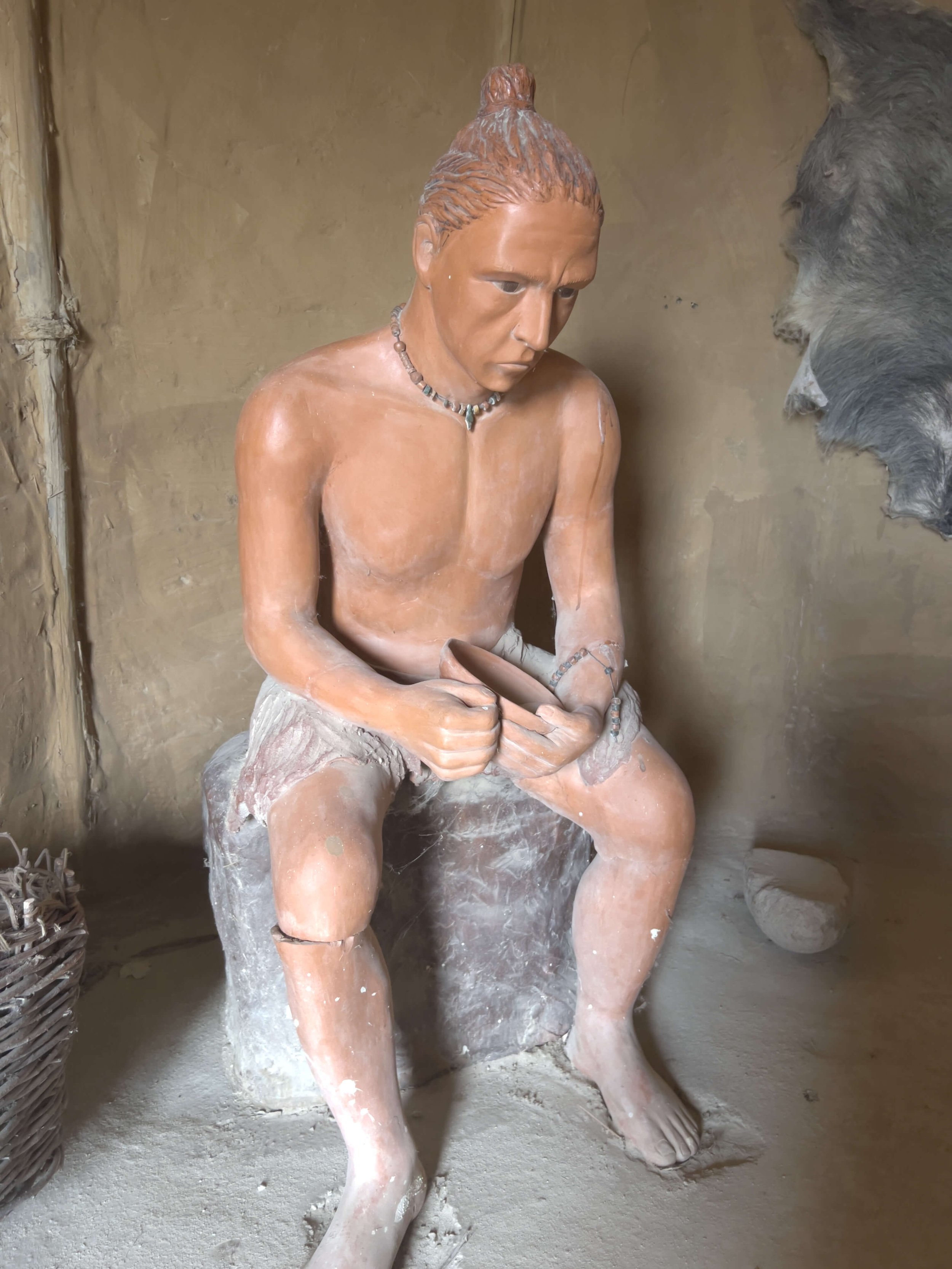
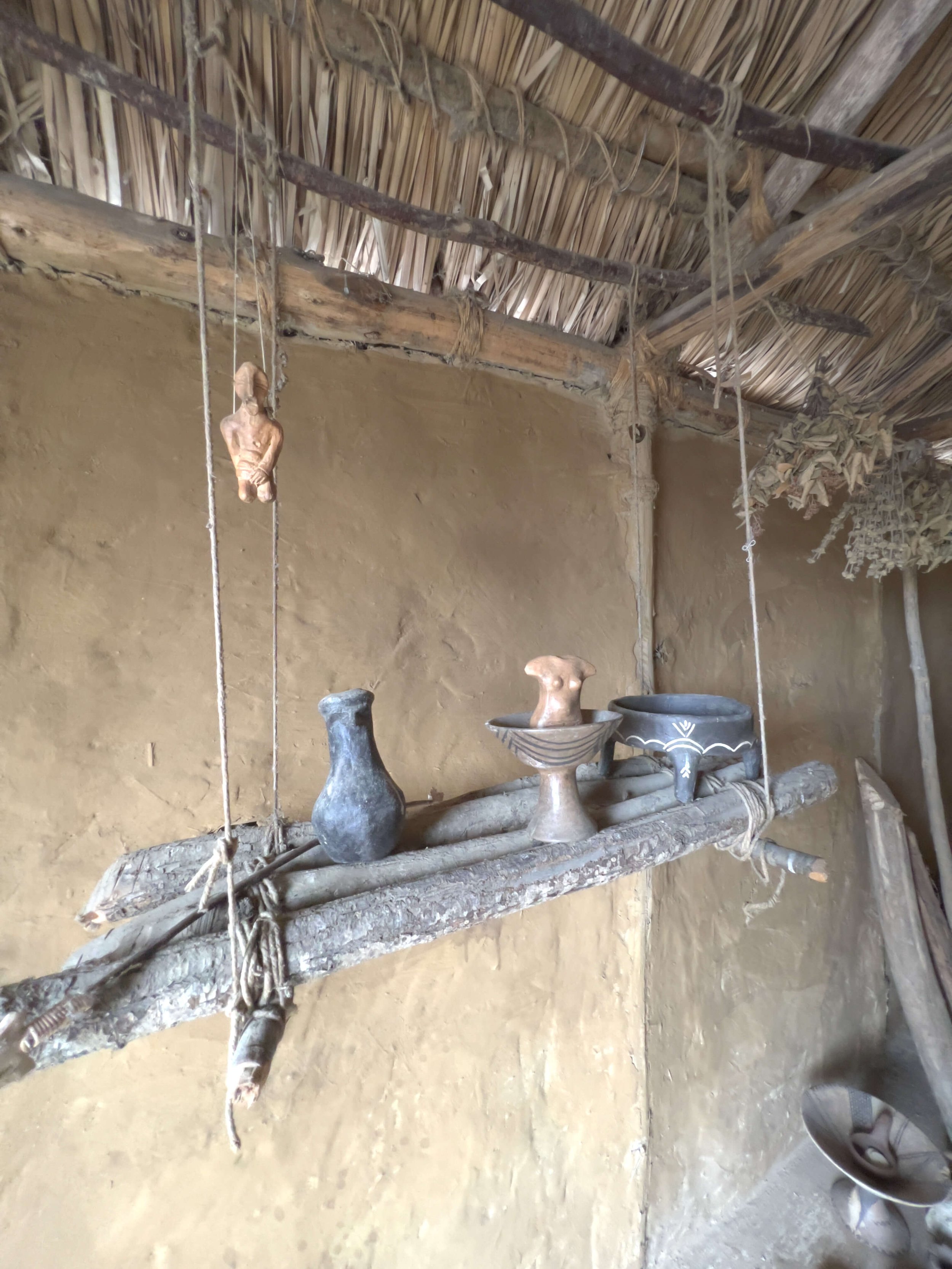
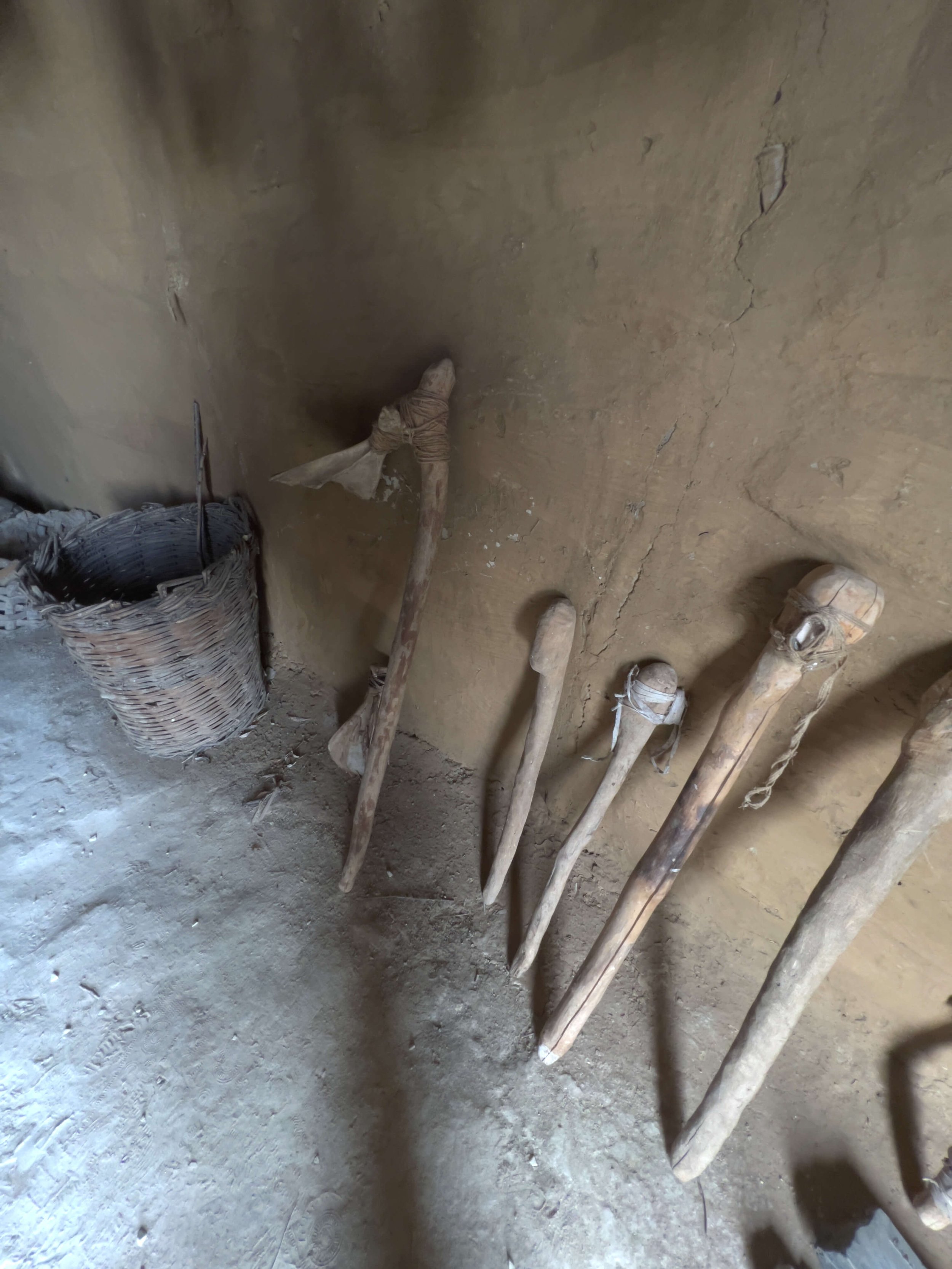
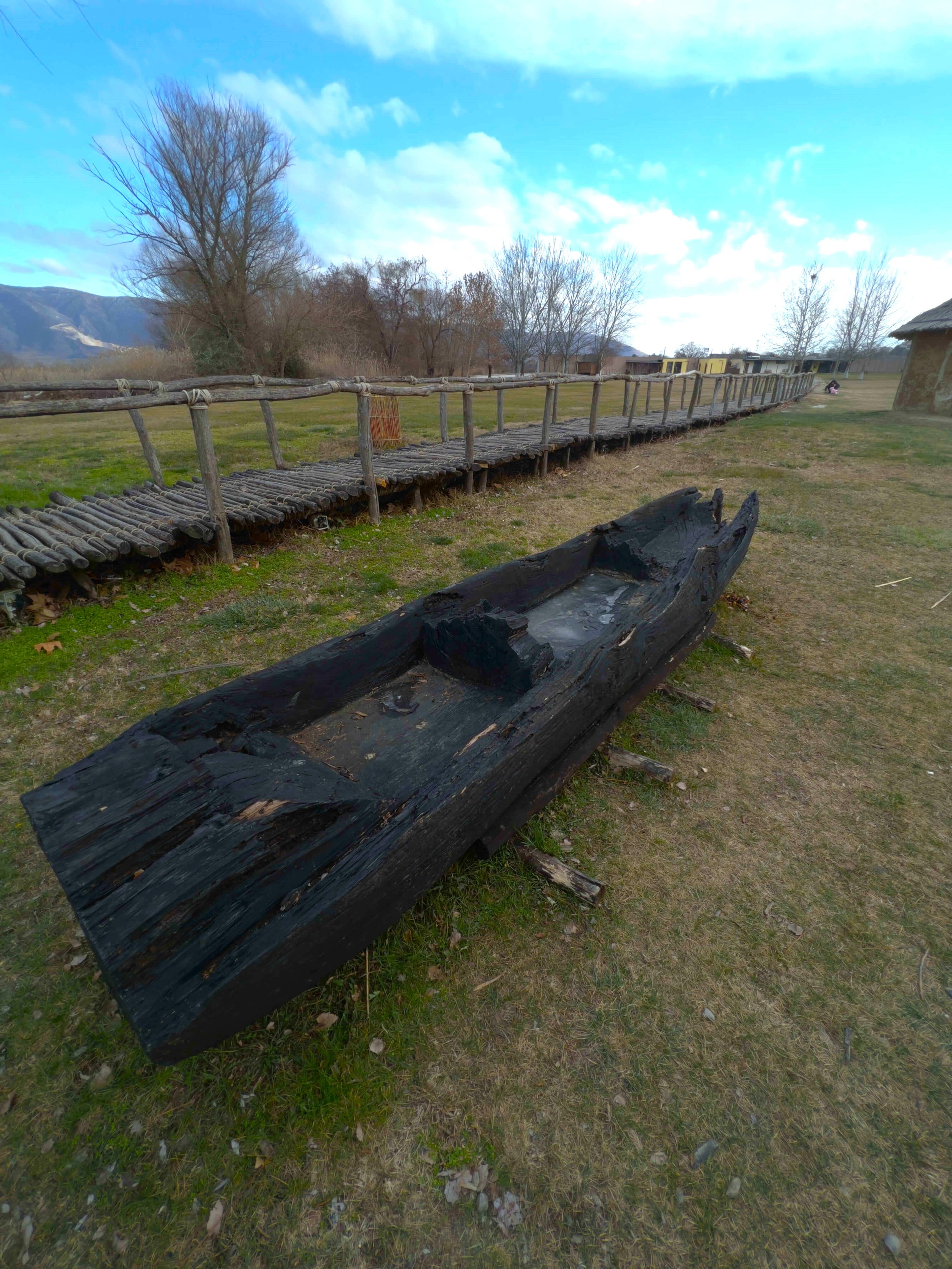
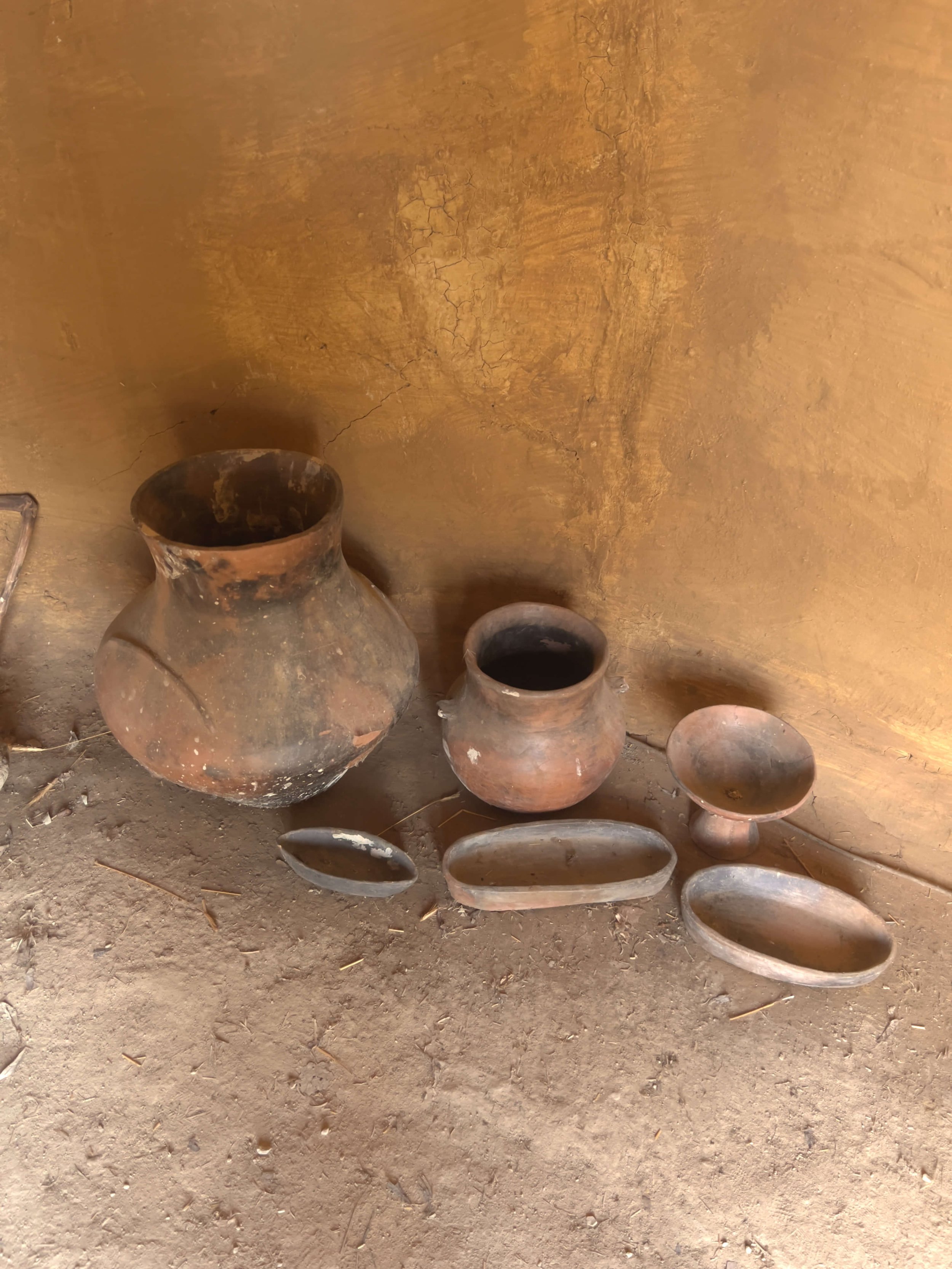
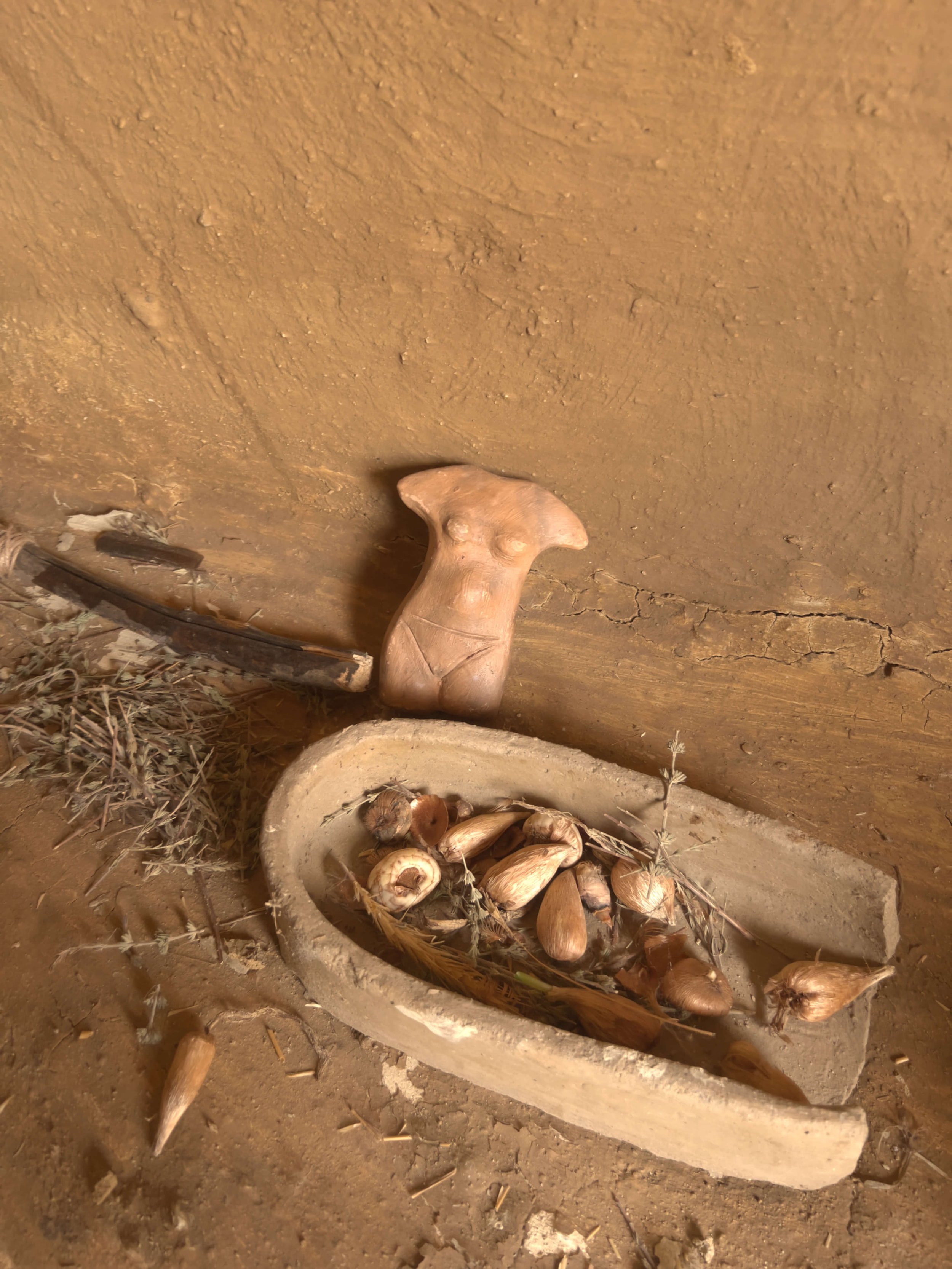
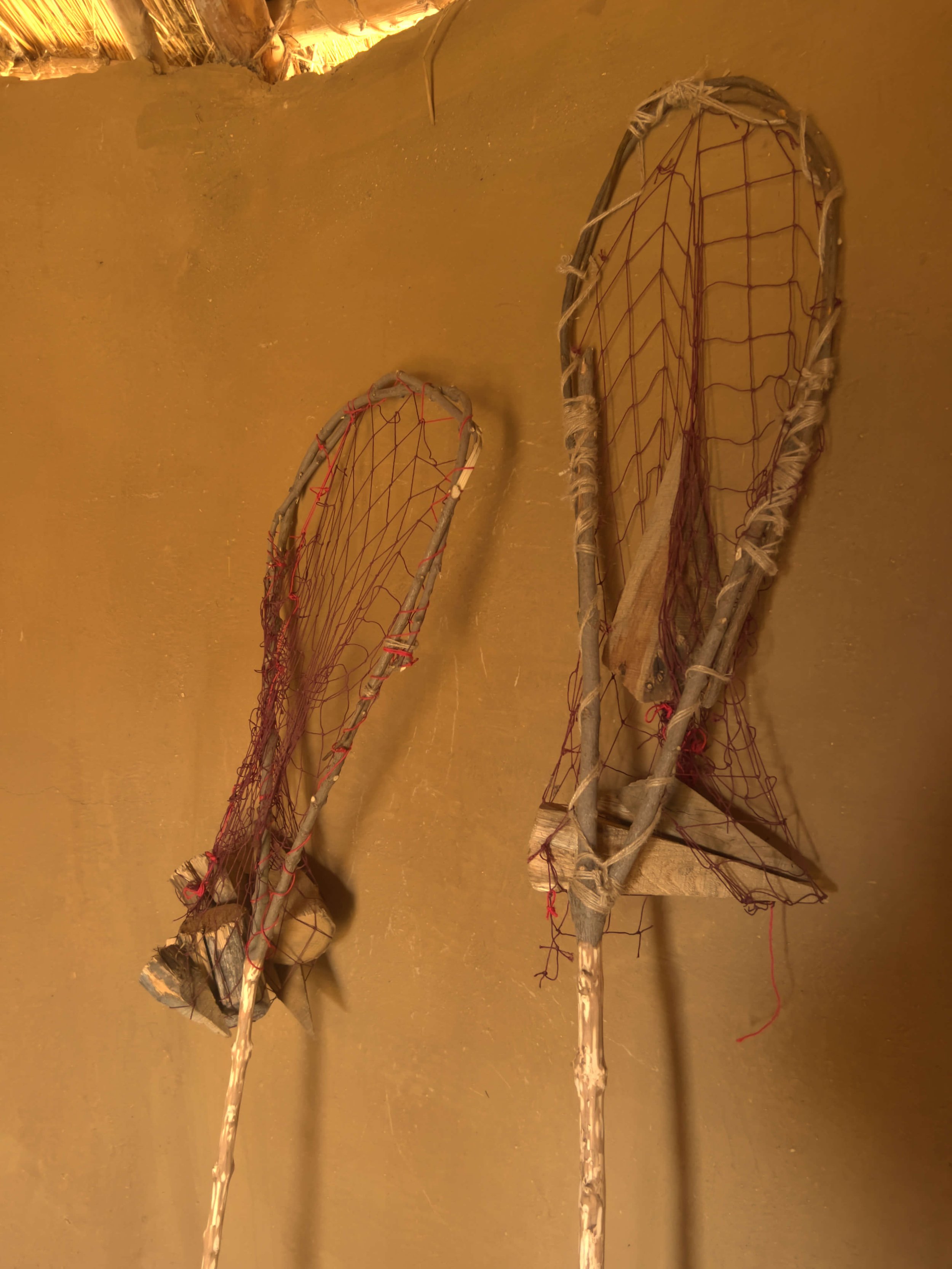
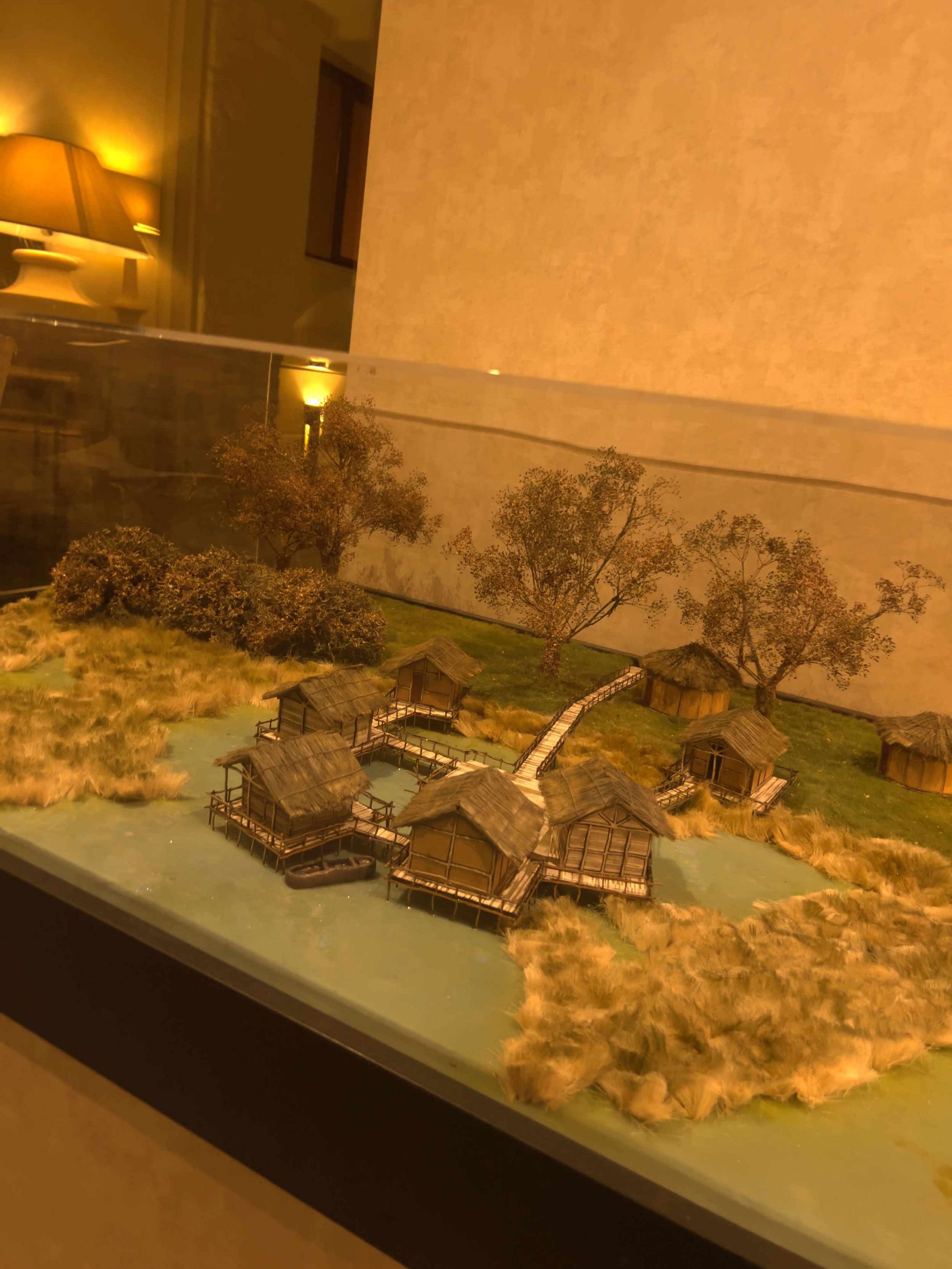
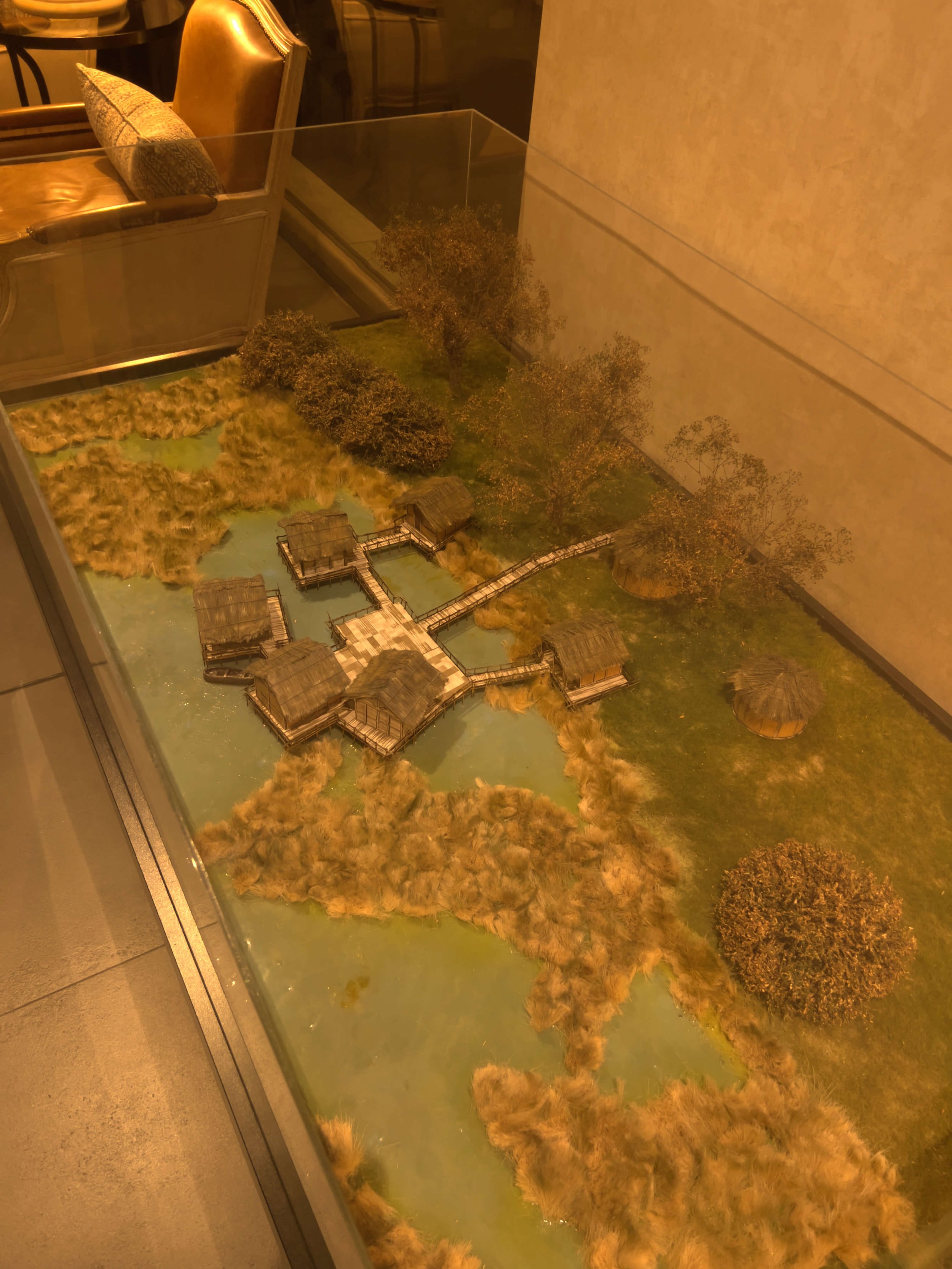
Nestled on the shores of Lake Orestiada in northern Greece lies Dispilio, a remarkable archaeological site that offers a unique window into Neolithic life. Discovered in 1932 and excavated systematically since 1992, this ancient lakeside settlement, dating back to 5600/5000 BC, has reshaped our understanding of prehistoric cultures in the region. The site's significance is further enhanced by the Dispilio Lakeside Neolithic Settlement Archaeological Collection, an open-air museum designed to educate and engage both children and adults in the wonders of ancient life.

The Excavation: A Journey Back in Time

On the southwest shore of Lake Orestidos, in the Dispelio of Kastoria, is the archaeological site "Nisi"” where a group of Neolithic farmers, herders, and fishermen settled 7500 years ago. The site has been in use for over 2500 years. The archaeological site became known in 1932, when the archaeologist Antonios Keramopoulos identified findings that he correctly attributed to the Neolithic Era.

View fullsize d1.jpg
View fullsize d2.jpg

G. H. Chourmouziadis (1932–2013), a professor of prehistoric archeology at the Aristotle University of Thessaloniki, started the systematic excavation research and study of the lake Neolithic settlement in 1992. Kostas Kotsakis, a professor of prehistoric archeology at the AUTH, has continued the research since 2014.

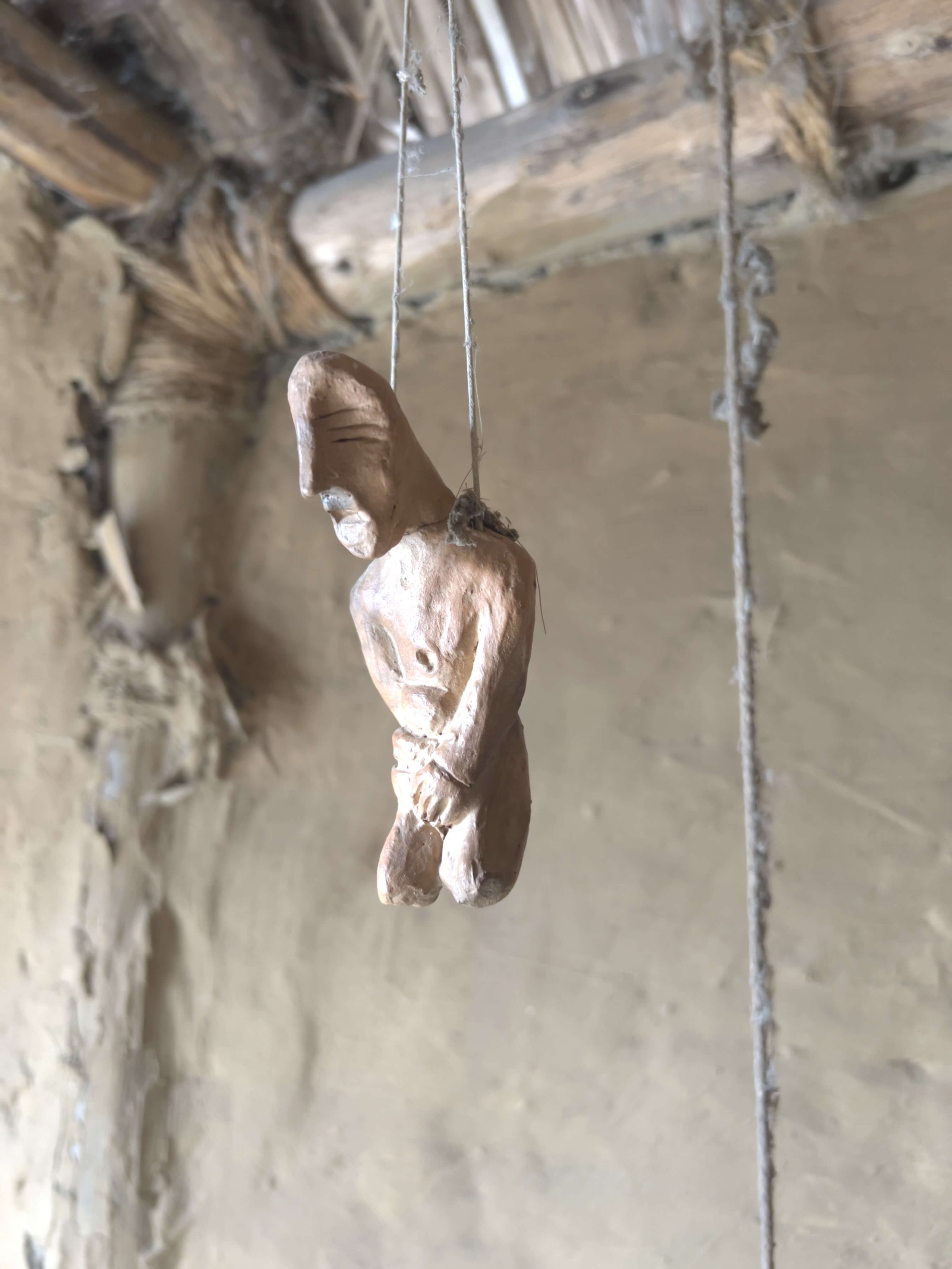
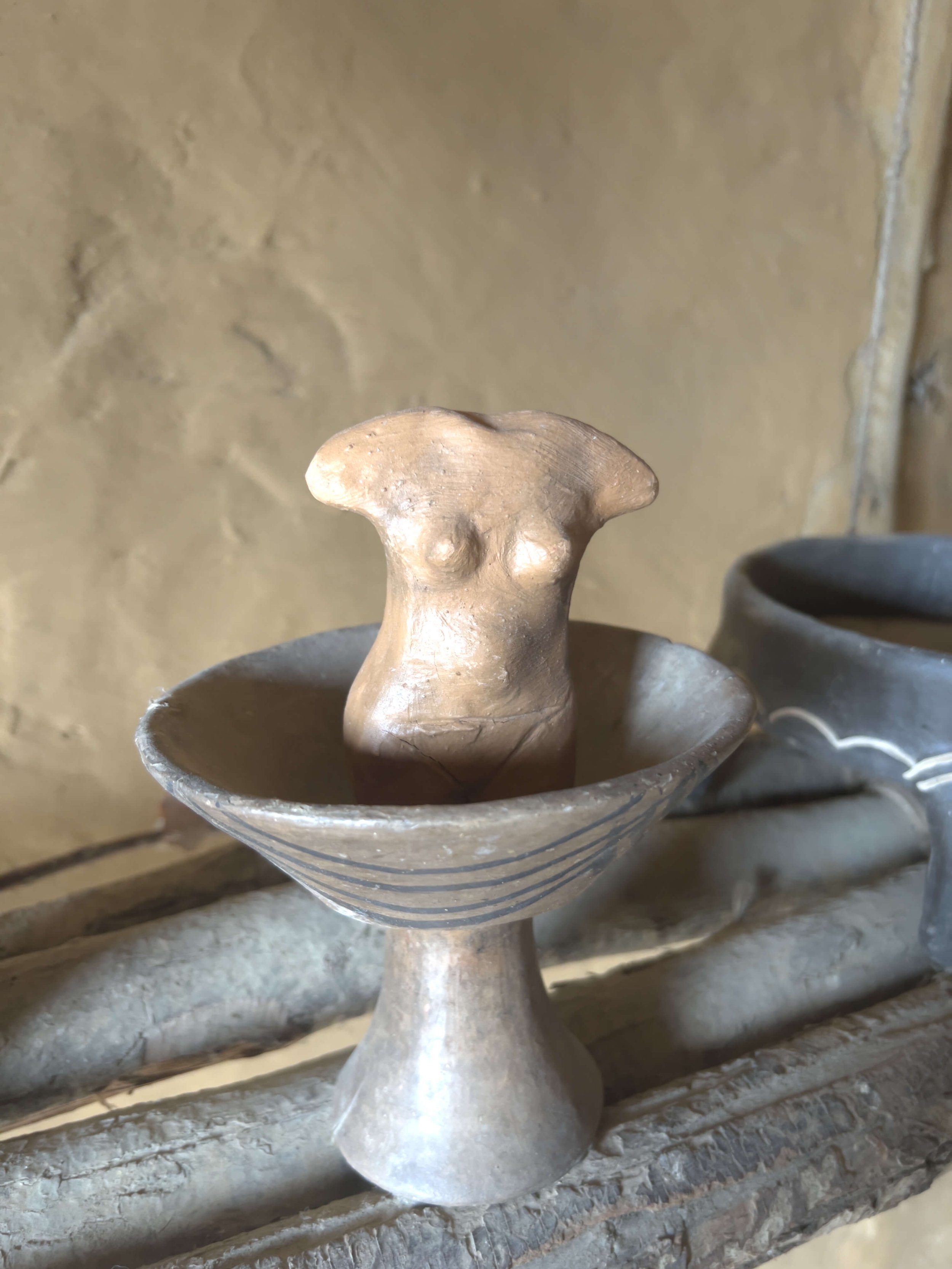
The excavation of Dispilio has revealed a wealth of artifacts and structures that illuminate the daily lives of its ancient inhabitants. Key finds include wooden structural remains, ceramic pots, stone and bone tools, and a notable discovery: the Dispilio Tablet. This wooden tablet, inscribed with a still-unciphered script, is among the earliest examples of writing in Europe, predating the Greek alphabet by millennia. These findings not only offer insights into the technological and cultural practices of the Neolithic people but also challenge the traditional narrative of the advent of civilization in Europe.

A Dispilio Tablet representation / Photo: DIMOSTHENIS VASILOUDIS

The Open Museum: An Educational Oasis

The Dispilio Open-Air Museum, established near the excavation site, serves as a living museum. It aims to recreate the Neolithic way of life, providing a tangible and interactive experience for visitors. The museum's exhibits are not confined within walls; instead, they are spread across the lakeside, mirroring the layout of the original settlement.

For Children: A Hands-On Experience

The museum is particularly engaging for younger visitors. It offers a range of interactive activities designed to immerse children in Neolithic culture. These include workshops on pottery making, weaving, and tool-making, where children can use materials and techniques similar to those employed by the ancient inhabitants of Dispilio. Such hands-on experiences are invaluable in making history tangible and exciting for the younger generation, fostering an early interest in archaeology and history.

For Adults: A Deeper Understanding

Adult visitors are not left out of the learning experience. Guided tours provide in-depth insights into the daily life, rituals, and crafts of the Neolithic people. Additionally, the museum organizes special lectures and exhibitions that delve into various aspects of Neolithic life, from diet and domestic activities to trade and social organization. These programs are designed to cater to the interests of history enthusiasts and scholars alike, offering a comprehensive view of life in ancient Dispilio.

The Significance of Dispilio in Neolithic Studies

The findings at Dispilio have significantly contributed to the field of Neolithic studies. The site offers evidence of early agricultural practices, the domestication of animals, and the development of complex societal structures. It challenges the Eurocentric view of history, highlighting the advanced nature of prehistoric civilizations in the Balkans. Dispilio stands as a testament to the rich cultural heritage of the region and as a reminder of the complexity and diversity of human history.

IMG_2986.jpg
IMG_2985.jpg
IMG_2990.jpg
IMG_2996.jpg
IMG_3001.jpg
IMG_3003.jpg
IMG_3004.jpg
IMG_3008.jpg
IMG_3010.jpg
IMG_3013.jpg
IMG_3014.jpg
IMG_3015.jpg
IMG_3017.jpg
IMG_3019.jpg
IMG_3020.jpg
IMG_3021.jpg
IMG_3028 (1).jpg
IMG_3029.jpg
IMG_3030.jpg
IMG_3032.jpg
IMG_3113.jpg
IMG_3114.jpg
IMG_2986.jpg IMG_2985.jpg IMG_2990.jpg IMG_2996.jpg IMG_3001.jpg IMG_3003.jpg IMG_3004.jpg IMG_3008.jpg IMG_3010.jpg IMG_3013.jpg IMG_3014.jpg IMG_3015.jpg IMG_3017.jpg IMG_3019.jpg IMG_3020.jpg IMG_3021.jpg IMG_3028 (1).jpg IMG_3029.jpg IMG_3030.jpg IMG_3032.jpg IMG_3113.jpg IMG_3114.jpg

Dispilio's Legacy in Enlightening Future Generations

Dispilio is more than an archaeological site; it is a bridge connecting the past and the present. The open-air museum serves as an educational platform, bringing history to life for visitors of all ages. It plays a crucial role in preserving and disseminating knowledge about Neolithic culture, ensuring that the lessons of the past continue to inform and inspire future generations. As we walk through the reconstructed huts and handle the replicas of ancient tools, we are reminded of the enduring legacy of our ancestors, whose ingenuity and resilience laid the foundations of modern civilization.

In Aegean Prehistory Tags Archaeology's Greatest Finds, Dimosthenis Vasiloudis

The Enigmatic Colossus of Antioch: Unveiling the 2,300-Year-Old Mystery

January 1, 2024

BY DIMOSTHENIS VASILOUDIS


In the historical tapestry of Asia Minor, the city of Antioch has long held a place of significance, not just for its storied past under the Seleucid Empire but also for its enigmatic monuments. Among these is a colossal human bust, carved into the very bedrock of the region, whose origins and representation have puzzled historians and archaeologists alike.

The City and Its Founders

Seleucus, one of Alexander the Great's most effective generals, gave the Seleucids' city Antioch its name. This city, intricately woven into the fabric of Hellenistic history, became a testament to the grandeur of Seleucid architectural and cultural endeavors. The Seleucids, particularly noted for their attempts to amalgamate Greek and Persian cultures, left behind a legacy rich in art and architecture.

The Enigmatic Bust

The bust in question, dating back to the 3rd century BC, represents a monumental artistic endeavor from the Hellenistic period. Intriguingly, it features a head veil, a detail that adds to its mystery. A peculiar aspect of this sculpture is the presence of a smaller bust on its right shoulder, holding a basket of lilies. This element is reminiscent of the processions in honor of Demeter, the Greek goddess of harvest and fertility, suggesting a religious or mythological significance.

Speculations and Theories

Initially, some scholars proposed that the bust could represent a member of the Seleucid dynasty, a logical assumption given the city's founders. However, the lack of inscriptions and the poor preservation state of the sculpture make definitive identification challenging. Natural disasters and the relentless march of time have left the world in a state that obscures more than it reveals.

The reign of King Antiochus IV, also known as Mithridates and nicknamed "Epiphanes," marks a period of significant cultural and religious development in the Hellenistic world. His devotion to Greek civilization and the pantheon of Greek gods is well documented, with numerous sanctuaries and religious structures commissioned during his rule. It was under his reign that this colossal bust was believed to have been carved.

The Oracle's Command and Charoneus

The Byzantine chronicler Ioannis Malalas, a native of Antioch, provides a fascinating insight into the possible origins of the bust. According to him, the sculpture, known as Charoneus, was created in response to a devastating plague. A seer named Leo purportedly advised the inhabitants to carve this giant mask at the foot of Mount Silpio as a divine guardian against the epidemic. The name Charoneus, drawing from the deity Charos—the ferryman of Hades in Greek mythology—suggests a deeper, perhaps more somber, intent behind the sculpture: to appease the deity and halt the spread of the plague.

The giant bust of Antioch, with its elusive origins and ambiguous representation, continues to captivate and mystify. Its possible connections to the Seleucid dynasty, the religious undertones suggested by the lilies, and the desperate hopes of a people battling an epidemic all converge to paint a picture of a civilization at a crossroads. The true identity and purpose of this colossal figure may remain shrouded in mystery, yet it stands as a poignant reminder of the rich cultural and historical tapestry of Antioch and the Hellenistic world at large.

This sculpture not only embodies the artistic and religious sentiments of its time but also symbolizes the enduring quest for understanding and interpreting our past. As we delve deeper into the secrets of ancient civilizations, each discovery and theory brings us closer to comprehending the complexities of human history and the timeless narratives that continue to shape our world.

In Greece's Historical Period Tags History, Dimosthenis Vasiloudis

Pros and Cons of AI in Historical Representation

January 1, 2024

BY DIMOSTHENIS VASILOUDIS


The Intersection of AI and History: A Double-Edged Sword in Representing Ancient Civilizations

In the realm of historical study and the dissemination of knowledge about ancient civilizations, the advent of artificial intelligence (AI) has opened new horizons. The power of AI to reconstruct, simulate, and interpret historical moments and civilizations offers exciting possibilities for historians, archaeologists, and enthusiasts. However, this intersection is not without its challenges and pitfalls. This article delves into the pros and cons of utilizing AI to represent ancient civilizations and historical moments, exploring how this modern tool impacts our understanding of the past.

Pros of AI in Historical Representation

1. Enhanced Visualization and Reconstruction: AI can process vast amounts of data to generate detailed reconstructions of ancient sites or events. This visualization aids in better understanding the layout, architecture, and atmosphere of historical periods, making them more accessible to the public and scholars alike.

2. Predictive Analysis and Hypothesis Testing: Through machine learning and predictive algorithms, AI can analyze historical data to propose new theories or validate existing ones. This can lead to fresh insights into socio-political structures, trade networks, or cultural interactions in ancient times.

3. Educational Outreach and Engagement: AI-driven simulations and virtual reality can transform how history is taught, moving beyond textbooks to immersive experiences. This interactive approach can engage a broader audience, sparking interest in ancient cultures and history.

4. Language Decipherment and Analysis: AI has shown promise in deciphering ancient languages and scripts, some of which have long puzzled historians. This can unlock a new understanding of historical texts and epigraphs, shedding light on the thoughts, beliefs, and daily lives of past civilizations.

read here:

Real Mycenaean Religious Frescoes Appear In 'Assassin's Creed: Odyssey'W

Cons of AI in Historical Representation

1. Accuracy and Interpretative Limitations: AI interpretations are only as good as the data and algorithms they rely on. Misinterpretations or biases in the data can lead to inaccurate representations. AI lacks the nuanced understanding that experienced historians and archaeologists bring to the table, which is crucial in interpreting complex historical contexts.

2. Over-Reliance and Diminished Human Scholarship: There's a risk that over-reliance on AI could undermine traditional historical research methods. The skills of critical analysis, archaeological fieldwork, and primary source study might be undervalued, potentially diminishing the role of human scholarship.

3. Ethical and Cultural Sensitivity Issues: AI representations may sometimes lack cultural sensitivity or context, particularly when dealing with sacred or culturally significant sites and artifacts. This can lead to the misrepresentation of cultures, often offending descendants and stakeholders.

4. Digital Divide and Accessibility: While AI tools can enhance accessibility to history, they also create a digital divide. Those without access to the latest technology or digital literacy are left out, potentially widening the gap in historical education and understanding.

read here:

Three Egyptologists Use Assassin's Creed Origins To Teach History

Navigating the Future: Balancing AI Innovation with Historical Integrity

The incorporation of AI into the study and representation of ancient civilizations is a testament to human ingenuity, offering a new lens through which to view our past. However, it is crucial to balance this with a critical understanding of AI's limitations and potential pitfalls. The future of historical study will likely see a symbiotic relationship between AI and traditional methods, each complementing the other to enrich our understanding of the ancient world. As we embrace these technological advances, we must do so with a cautious appreciation for the complexity and depth of human history, ensuring that our representations are as accurate, respectful, and inclusive as possible.

Tags Dimosthenis Vasiloudis

Archaeological Park of Pompeii

Pompeii: 13 Ancient Terracotta Figurines Associated With Cybele and Attis Were Found

January 1, 2024

Pompeii, a city that suffered the devastating eruption of Mount Vesuvius in 79 A.D., continues to be a treasure trove for archaeologists and history enthusiasts. In a recent excavation north of the famous House of Leda and the Swan, researchers stumbled upon a remarkable discovery: 13 ancient terracotta figurines with a fascinating connection to the tragic myth of Cybele and Attis. These figurines provide a unique glimpse into the religious and cultural practices of the ancient world, shedding light on the enduring significance of this legendary tale.

The Myth of Cybele and Attis

To fully appreciate the significance of these terracotta figurines, it's essential to delve into the mythological narrative of Cybele and Attis. In ancient Phrygian mythology, Cybele was the great mother goddess associated with fertility and nature. She fell deeply in love with a mortal man named Attis, but tragically, Attis was oblivious to her affections. Instead, he found love with the daughter of the king of Pessinus, further inciting Cybele's jealousy and wrath.

In her madness, Cybele drove Attis to a state of insanity, causing him to flee through the mountains in a wild frenzy. His journey came to a harrowing end at the base of a pine tree, where he castrated himself and took his own life. From the blood of Attis sprang the first violets, and the pine tree became a vessel for his spirit. This myth is deeply intertwined with the cycles of nature, particularly the spring equinox, symbolizing the renewal of life and the fertility of the earth.

Archaeological Park of Pompeii

The Discovery

The 13 terracotta figurines, each standing at approximately 15 centimeters in height, were meticulously arranged in an upright position on a horizontal shelf inside a small room. These figurines, along with other objects like a walnut, an almond, the head of a rooster in clay, and a glass pine cone, provide intriguing insights into the beliefs and rituals of the time. The placement of these artifacts suggests a reverence for nature and the myth of Cybele and Attis.

Moreover, the room where these figurines were discovered was adorned with painted walls and frescoes on the upper sections. The context of their discovery within such a richly decorated environment adds layers of significance to the find. Preliminary analysis indicates that some of the figurines directly reference the myth of Cybele and Attis, reinforcing their connection to the ancient cult and the symbolism of seasonal renewal.

The ongoing work

The ongoing excavation work in Pompeii is a testament to the dedication of archaeologists and historians to preserving our cultural heritage. The focus extends beyond the House of Leda, encompassing adjacent structures to provide a comprehensive understanding of this ancient city. Among the revelations, a finely frescoed room has emerged, featuring four roundels with elegantly crafted female faces.

The ultimate goal of these excavations is to stabilize and conserve the site's boundaries, ensuring the protection of these invaluable remnants of the past. It is a step toward making these historical treasures accessible to the general public in the future, allowing people to connect with the rich history and mythology of Pompeii.

The discovery of 13 ancient terracotta figurines associated with the myth of Cybele and Attis in Pompeii is a remarkable find that bridges the gap between the ancient world and our understanding of its beliefs and rituals. These figurines offer a poignant glimpse into the enduring significance of this myth, which revolves around the cycles of nature and the renewal of life.

As the excavation work in Pompeii continues, it is clear that there are still many secrets waiting to be unearthed beneath the layers of volcanic ash and time. This ongoing exploration not only enriches our knowledge of the past but also underscores the importance of preserving and sharing the cultural heritage of civilizations that have shaped our world.

Walking through Cities of Europe in 700 AD: What would you have seen?

January 1, 2024

Popular media frequently portrays Western Europe in 700 AD as being in a state of extreme darkness, degeneration, and ignorance. This narrative has a strong hold on the public's imagination. The emphasis in this portrayal typically centers on the ruins of Roman cities as reminders of a bygone era when barbarian settlements devoid of Roman legacy of knowledge, order, and culture stood in its place. The transcript, however, challenges this perception, suggesting that the reality of this era was far more nuanced and complex.

In examining the differences between Britain and Mainland Europe post-Roman Empire, a contrasting picture emerges. Britain experienced a drastic decline in urbanism and Romanized lifestyle following the Anglo-Saxon invasion around 450 AD, leading to the abandonment of many Roman cities and the cessation of Roman traditions. Mainland Europe, on the other hand, displayed remarkable continuity with its Roman past. Cities like Cologne, for instance, retained their Roman street plans and buildings well into the 800s AD, undermining the notion of a total collapse after the fall of the Roman Empire.

Archaeological findings have played a pivotal role in reshaping our understanding of this period. They reveal that many cities on the European mainland, contrary to the long-held belief of their decline, maintained their Roman character for centuries. These cities didn’t just preserve Roman architectural styles and urban layouts; they actively integrated them into the fabric of the new Germanic kingdoms. This adaptation and respect for the Roman legacy were particularly evident in the Frankish and Visigothic realms, where Roman structures were not only preserved but also repurposed and maintained.

The narrative culminates in painting a picture of 700 AD Europe that is markedly different from the bleak portrayal often seen in popular culture. In the territories of the former Western Roman Empire, cities like Paris, Toulouse, and Toledo continued to exhibit Roman characteristics. There was active urban life, ongoing trade, and a significant degree of cultural continuity. This suggests that the period was not as 'dark' as traditionally thought but rather a time of resilience, evolution, and integration of Roman influences, showing a civilization in transformation rather than in ruin.

Top 10 incredibly advanced Roman technologies that will blow your mind

January 1, 2024

Here's a summary of the "Top 10 incredibly advanced Roman technologies that will blow your mind" in five bullet points:

1. Roman Concrete: The Romans developed a highly durable and environmentally friendly form of concrete that was superior in many ways to modern concrete. They used volcanic ash called Pozzolana for increased durability, particularly against water. This invention was so advanced that modern companies try to emulate it, substituting volcanic ash with coal fly ash for similar properties.

2. Aqueducts and Water Engineering: The Romans built extensive and sophisticated aqueduct systems, such as Aqua Claudia, to supply their cities with fresh water. These structures demonstrated remarkable engineering feats, including tunnels with extremely low inclinations and the ability to transport water over long distances.

3. Arches and Large Structures: Roman engineering prowess was evident in their use of arches, allowing them to construct massive structures with impressive load-bearing capacities. Examples include the Alcantara Bridge in Spain, the Pantheon with its large dome, and the Colosseum, showcasing advanced architectural techniques.

4. Mining and Hydraulic Technology: The Romans excelled in mining, especially for gold and silver. They used hydraulic power to extract vast amounts of earth and ore, as seen in the Las Médulas gold mine in Spain. Their ability to manipulate large-scale environmental features for mining was unprecedented.

5. Advanced Machines and Technology: Roman innovation extended to complex machinery and technological advances. Examples include the Antikythera Mechanism, a sophisticated ancient Greek device likely used during the Roman era, and the development of early forms of robotics and automated machines by the engineer Heron of Alexandria. Additionally, the Romans had a rotating dining platform, showcasing their mechanical ingenuity.

These technologies highlight the Roman Empire's remarkable advancements in engineering and technology, some of which were so advanced that they were not replicated for centuries after the empire's fall.

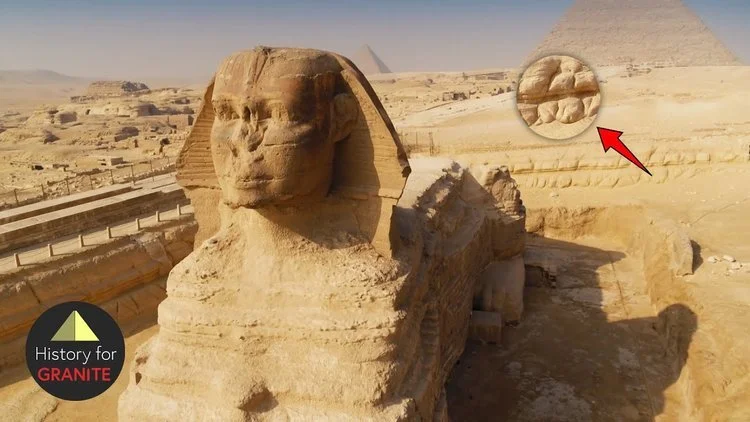
How the Great Sphinx Transformed Giza

December 31, 2023

The Great Sphinx of Giza stands as an enigmatic testament to ancient history, shrouded in mystery and controversy, that continues to captivate scholars and enthusiasts alike. Its unknown origins and purpose contribute to its enduring allure, sparking ongoing debate and intrigue. The lack of definitive evidence surrounding its creation and original owner only serves to intensify the fascination surrounding this iconic monument.

One of the pressing debates concerning the Sphinx revolves around its ownership and the period of its construction. While some argue that it belonged to Pharaoh Khafre and was built during his reign, there are dissenting viewpoints questioning this assertion. The similarities between the Sphinx and Khafre's Valley Temple are noted, yet it remains uncertain whether both were constructed to mimic one another, adding layers of complexity to unraveling the monument's history.

Geologist Colin Reeder's extensive work on the erosion of the Sphinx enclosure has reignited discussions about its age and origins. The erosion patterns observed by Reeder suggest that the Sphinx predates the pyramids of Khufu and Khafre, challenging traditional Egyptology. However, sensational claims about the Sphinx's construction period have been debunked, emphasizing the importance of evidence and logical reasoning in unraveling its history and construction timeline.

In addition to erosion theories, the alignment of the colossal Causeway of Khafre raises questions about the Sphinx's origins and the intentions behind its construction. Observations suggest deliberate efforts to avoid the Sphinx and its enclosure, leading to further speculation about the interconnectedness of these ancient monuments.

The unique challenges posed by the construction of the Sphinx and its temples add additional layers of complexity to the ongoing debate. The unusual arrangement and construction of the Causeway and Valley Temples, as well as the potential unfinished state of the Sphinx Temple, contribute to the puzzle surrounding the Sphinx's construction and purpose.

Additionally, the Sphinx's place in ancient history and the uncertainties surrounding it continue to give rise to a variety of competing theories and ideas with scant supporting data. As a result, the mystery and enigma of the Sphinx persist, encouraging continued research and scholarly exploration into its origins and significance within the context of ancient Egypt.

In conclusion, the Great Sphinx of Giza stands as a testament to the enduring mysteries of ancient history, enticing researchers, historians, and enthusiasts to unravel its enigmatic past. The ongoing debates, uncertainties, and competing theories highlight the intricate nature of this iconic monument, underscoring the need for further investigation and scholarly discourse to uncover the truth behind its creation and purpose.

← Newer Posts Older Posts →
Featured
image_2026-06-22_223748063.png
June 24, 2026
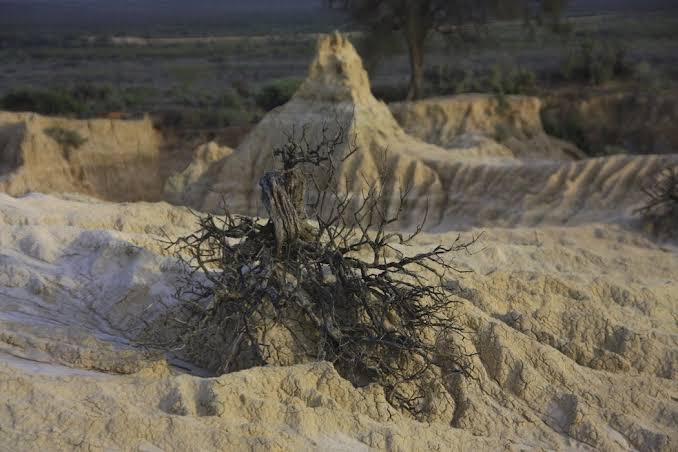
Lake Mungo: Australia's 42,000-Year Cremation Rites
June 24, 2026
Read more →
June 24, 2026
image_2026-06-22_223711115.png
June 24, 2026
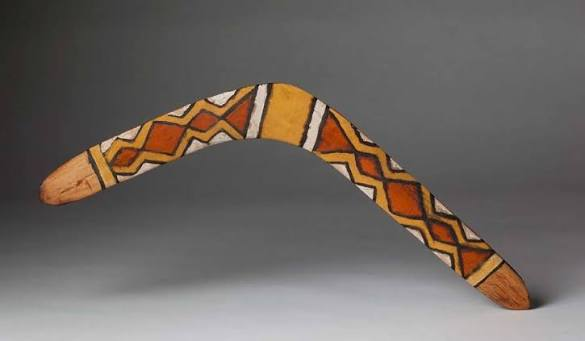
Wyrie Swamp: Australia's 20,000-Year Boomerangs
June 24, 2026
Read more →
June 24, 2026
image_2026-06-22_223638840.png
June 24, 2026
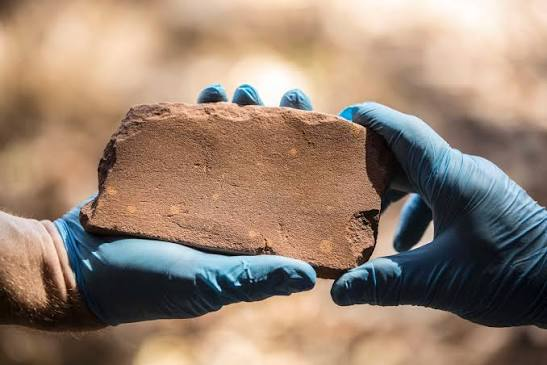
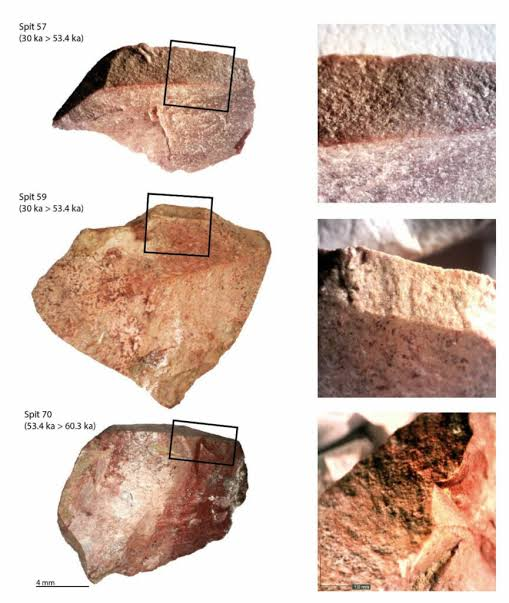
Madjedbebe: World's Oldest Ochre Processing Site
June 24, 2026
Read more →
June 24, 2026
image_2026-06-22_223602824.png
June 24, 2026
Nauwalabila: Australia's 50,000-Year Stone Tools
June 24, 2026
Read more →
June 24, 2026
image_2026-06-22_223518130.png
June 24, 2026
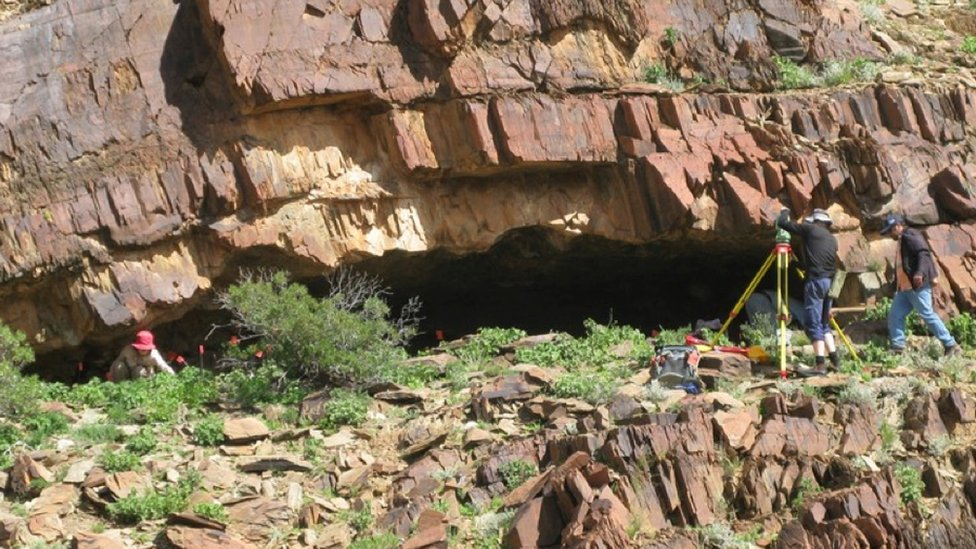
Devil's Lair: Australia's 48,000-Year Ochre Use
June 24, 2026
Read more →
June 24, 2026
image_2026-06-22_223408714.png
June 24, 2026
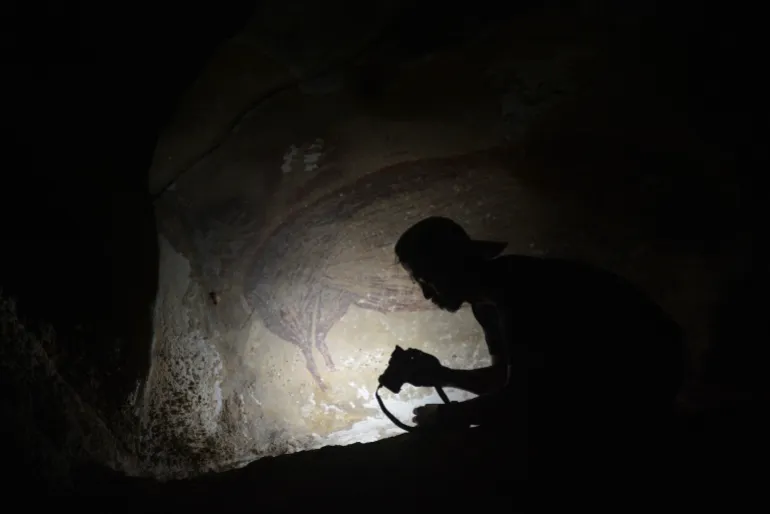
Laili Cave: East Timor's 44,000-Year Colonizers
June 24, 2026
Read more →
June 24, 2026
read more

Powered by The archaeologist