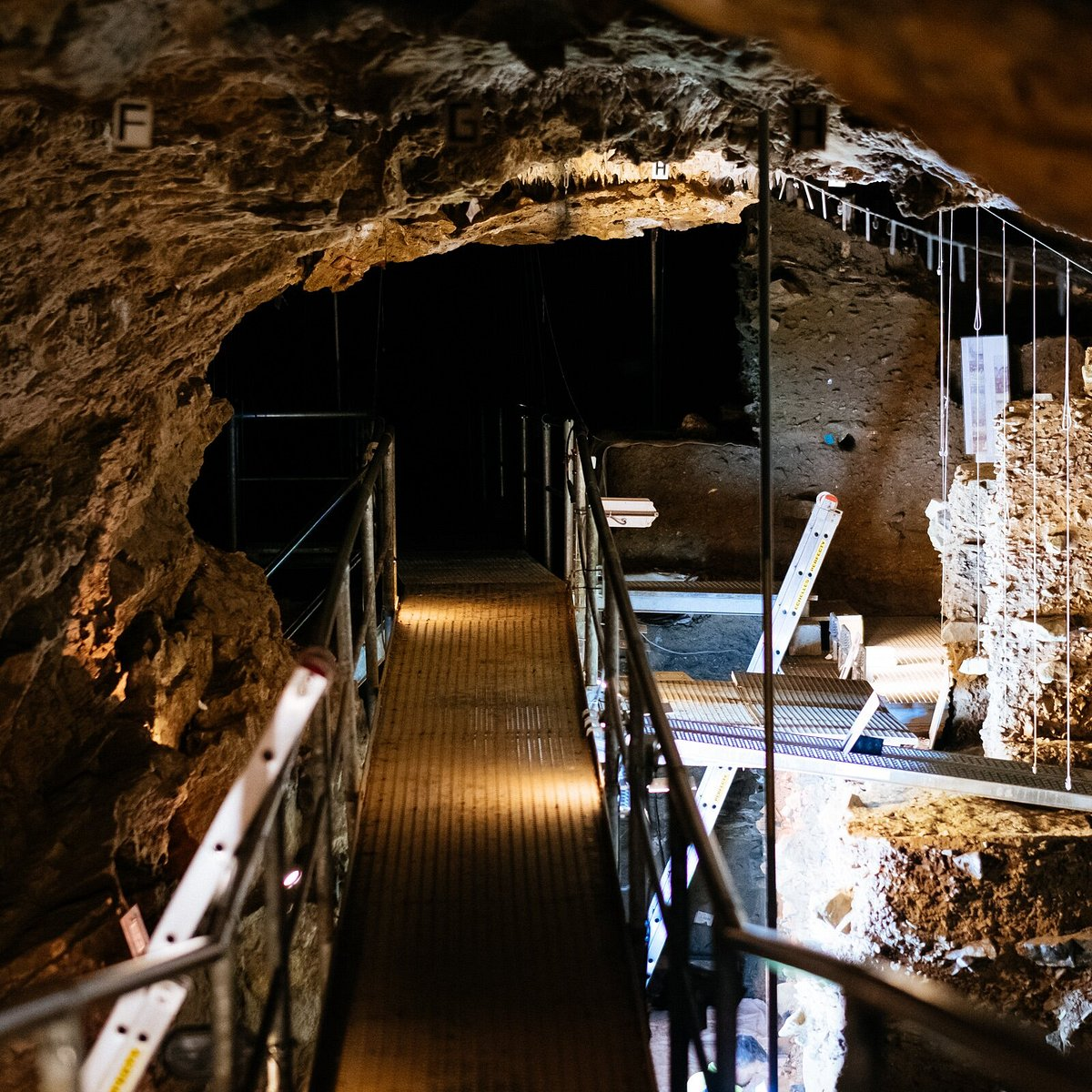
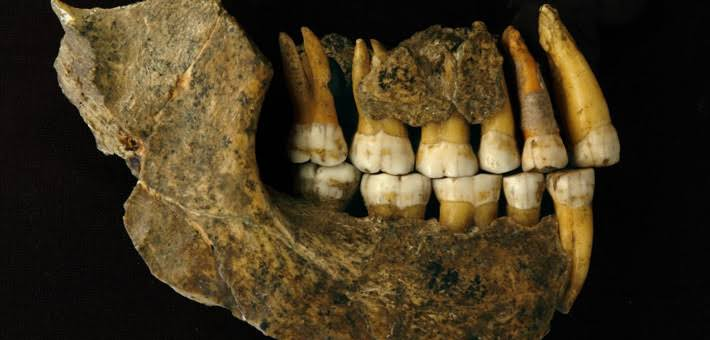
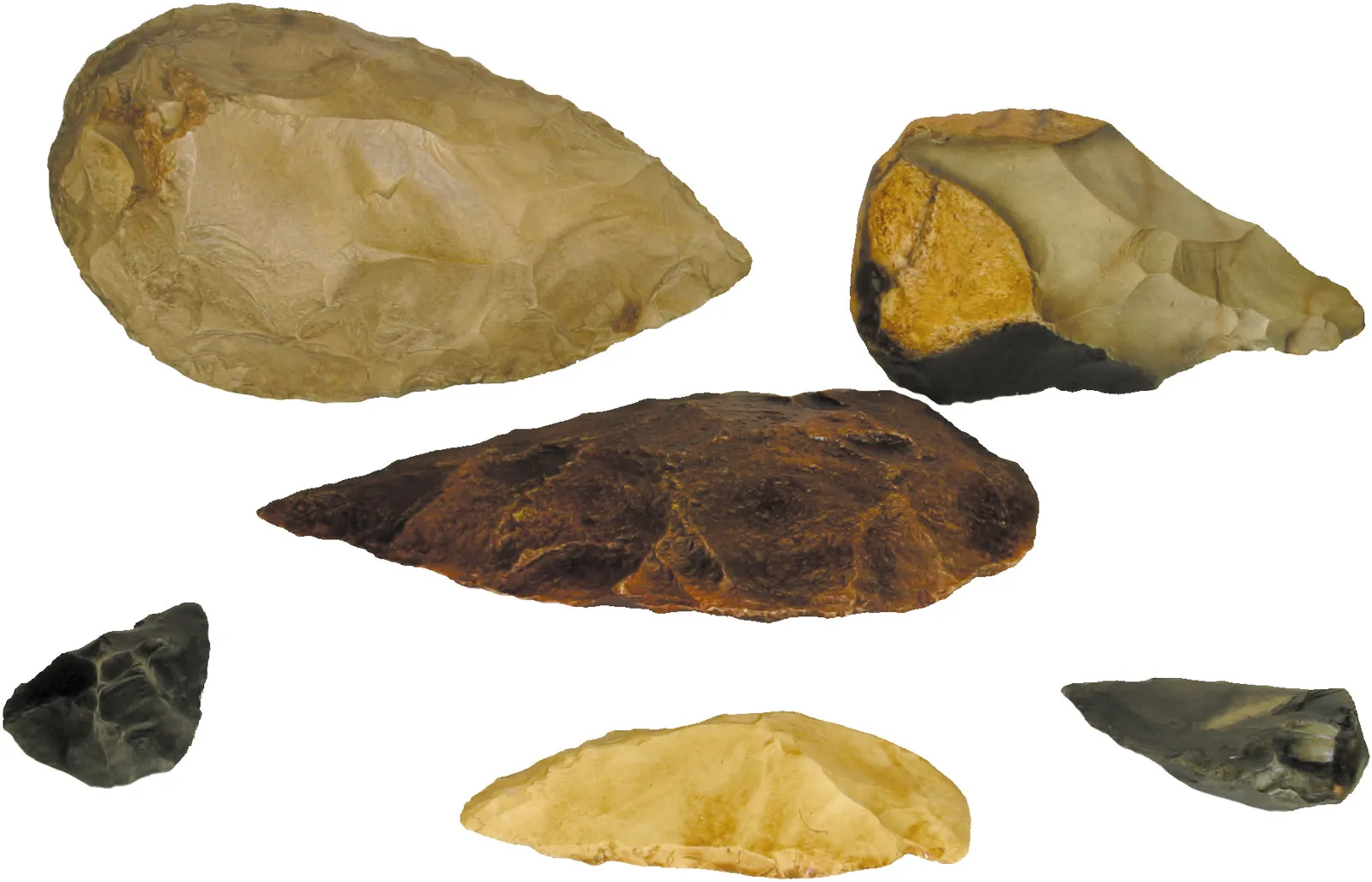
A momentous discovery in South Africa has the potential to turn our understanding of human history on its head. CBS News correspondent Debora Patta speaks with paleoanthologist Lee Berger, who has found evidence that a pre-human ancestor named Homo naledi may was the first being to master fire for light, warmth and cooking.

True Origins Of Adam And Eve That Will Shock You
The real story of Adam and Eve is filled with secrets that challenge traditional Christian teachings. In this exploration, we'll delve into the "Books of Adam and Eve," ancient texts excluded from the biblical canon. These writings, translated through various languages over centuries, narrate Adam and Eve's lives post-Eden, including encounters with the serpent and their children's complex relationships. Scholars believe these texts date back to around the 6th century, though they have undoubtedly evolved over time.
The story of Cain and Abel is particularly striking. Contrary to the familiar biblical account, these texts suggest Cain's rage stemmed from forbidden love for his twin sister, leading to Abel's murder. This narrative might reflect historical tribal conflicts rather than literal events.
We'll also touch on the posthumous punishment of John Wycliffe, whose critiques of church corruption led to his remains being desecrated decades after his death. Similarly, the visions of Polish nun Faustina Kowalska and the archeological quest for the site of John the Baptist's execution offer profound insights into Christian history and mysteries.
These revelations prompt us to reconsider our understanding of Christian narratives and their origins, revealing a rich tapestry of history, myth, and faith that extends far beyond conventional teachings.

The Mysterious Green Stone of Hattusa | Ancient Architects
Located in modern Turkey, Hattusa was the ancient capital of the Hittite Empire in the late Bronze Age, which ended abruptly and somewhat mysteriously in the 12th century BC.
At its peak the city covered nearly two square kilometres, surrounded by massive walls. There was a royal residence, elaborate gateways, four temples, porticoed courtyards, secular building and residential structures.
The stonework is impressive to say the least and it was richly decorated with relief carvings of warriors, lions, sphinxes and more. At its peak, between 40,000 and 50,000 people occupied the city. Today, tourists flock from around the world to see the remnants of the once powerful city, the impressive stone remains from the heart of an ancient empire, including tightly fitted polygonal masonry, and the numerous stones with perfectly circular drill holes.
But one specific stone stands out and draws everybody’s attention. This beautiful and unusual rock, known as the Green Stone of Hattusa stands out from the array of grey masonry that surrounds it, a polished, reflective cubic piece of what looks like nephrite aka jade, which can be found naturally in the area.
So what do we know about it? Watch the video to learn more about this mysterious stone.

Discovery of a Mysterious Stone Carving in Kazakhstan
In a remarkable find, the Ministry of Emergency Situations in Kazakhstan has uncovered an enigmatic stone carving in the Akmola Region, specifically in the Sandyktau district. This discovery has sparked significant interest among archaeologists and historians, shedding light on the region's ancient cultural and ritual practices.
The Carving
The stone carving, measuring 27 by 21 cm, is etched onto a granite boulder. It prominently features a human face and faces west-southwest. Adjacent to this human depiction, there is another carving of a deer, though it is less well-preserved. These elements suggest a potential ritualistic or symbolic significance.
Possible Historical Context
Experts propose that the carvings might belong to a ritual complex dating back to the Bronze Age. Such carvings are not unique to this region but have parallels across Central Asia and Eastern Europe. This period, spanning roughly from 3300 to 1200 BCE, was characterized by significant advancements in metalworking and the establishment of complex societies.
Debates on Dating and Cultural Links
The exact dating of the carvings remains a subject of debate. While the Bronze Age hypothesis is compelling, some scholars suggest that the carvings could belong to the early Iron Age or even medieval Turkic cultures. The Iron Age, beginning around 1200 BCE, saw the widespread use of iron and significant cultural developments. Meanwhile, the Turkic cultures, emerging in the early medieval period, have left numerous archaeological traces across the region.

Ritual and Symbolism
The human face and deer imagery hint at possible ritualistic uses. In many ancient cultures, such carvings were part of larger ceremonial complexes, possibly used in rites of passage, seasonal festivals, or to commemorate significant events. The orientation of the carving, facing west-southwest, might also hold astronomical or symbolic significance, reflecting the beliefs and practices of the ancient peoples who created it.
Broader Implications
This discovery contributes to our understanding of the cultural and historical landscape of Kazakhstan. It highlights the region's importance as a crossroads of ancient civilizations and underscores the complex interplay of cultural influences over millennia.
The mysterious stone carving found in Kazakhstan's Akmola Region opens new avenues for research into the ancient cultures of Central Asia. As scholars continue to study this and other similar findings, we can expect to gain deeper insights into the lives, beliefs, and practices of the people who once inhabited this vast and intriguing region.

Researchers Discover Ancient Maya Water Filtration System, First in Western Hemisphere's
Advanced Technology in Ancient Tikal
Over 2,000 years ago, the Maya civilization constructed a sophisticated water filtration system in the city of Tikal, utilizing materials sourced from miles away. Recent excavations in northern Guatemala have unearthed remnants of this ancient engineering feat, as reported by Michelle Starr for Science Alert.
An Early Example of Modern Filtration
Published in the journal Scientific Reports, the research indicates that the Corriental reservoir filtration system was established as early as 2,185 years ago, shortly after Tikal's founding around 300 B.C. The system employed crystalline quartz and zeolite, minerals that formed a "molecular sieve" capable of filtering out harmful microbes, heavy metals, and other pollutants. Remarkably, these same minerals are still used in contemporary water filtration.
Lead author Kenneth Barnett Tankersley, an archaeologist at the University of Cincinnati, highlights the significance of this discovery, noting that the Maya developed this effective filtration method over two millennia ago. Previously, the use of zeolite for water filtration was believed to have originated in the early 20th century.

Advanced Engineering in the Maya Civilization
The Maya's water management techniques demonstrate a level of technological sophistication comparable to, and in some cases surpassing, other ancient civilizations. While ancient Egypt, Greece, and South Asia utilized simpler filtration methods as early as the 15th century B.C., the Maya's use of quartz and zeolite placed them millennia ahead in water purification technology.
Addressing Water Quality in Tikal
Tikal's location on porous limestone presented significant water scarcity challenges during seasonal droughts. The filtration system was crucial for ensuring safe drinking water, as the Corriental reservoir would have otherwise contained cyanobacteria and other toxins harmful to human health.
Previous research by the team identified mercury contamination in other Tikal reservoirs, likely from pigments used in ceremonial contexts. However, the Corriental reservoir remained free from such pollution, providing cleaner water for the city's inhabitants.

Hypothetical scheme of the ancient water purification system at Tikal. Macro-crystalline quartz crystal sand and zeolite filtration system positioned just upstream of, or within the reservoir ingress. Kenneth Barnett Tankersley used Microsoft PowerPoint for Mac Version 16.41 (www.microsoft.com) to create this figure.
Clever Resource Utilization
The study suggests that the Maya sourced quartz and zeolite from the Bajo de Azúcar area, about 18 miles northeast of Tikal, where these materials naturally purified water. Co-author Nicholas P. Dunning posits that the Maya likely observed the association between these materials and clean water, leading to their intentional transportation and use in Tikal's filtration system. The system's design included settling tanks to further purify water before it entered the reservoir, resulting in cleaner, better-tasting water.
Rediscovery of Tikal
Known as Yax Mutal to its ancient residents, Tikal housed over 3,000 structures and a population of at least 60,000 at its peak around 750 A.D. Following its abandonment 900 years ago, much of the city was hidden until Guatemalan archaeologists uncovered significant portions, including the Lost World complex of pyramids and buildings, in the late 20th century.

Tikal site map. (A) Location of Tikal in the southern Maya lowland. (B) The location of the Corriental, Palace, Perdido, Temple, and Tikal reservoirs, and the Inscription sinkhole and their catchment areas. (C) A lidar-derived hillshade image of the Corriental reservoir. The lidar-derived hillshade images (B,C) were created by Francisco Estrada-Belli, a principle of the PACUNAM Lidar initiative23. Christopher Carr used ESRI ArcGIS 10.3.1 software (www.esri.com) to create a GIS layer of the catchment areas, georeferenced on the hillshades to make the base maps. Kenneth Barnett Tankersley then used Microsoft PowerPoint for Mac Version 16.41 (www.microsoft.com) to create this figure.
Extensive written records provide a detailed history of Tikal's rulers over an 800-year span. In 1979, UNESCO designated Tikal National Park as a World Heritage site, recognizing its well-preserved structures and artistic achievements as evidence of Maya cultural and scientific development.
The newly discovered water filtration system enhances our understanding of Maya scientific advancements. Future research by Tankersley and his team aims to identify other Maya sites that may have employed similar water purification technologies.

Woke Agenda Targets Aristotle and Socrates in Push to Decolonize Education
Decolonization or Erasure? Radical Academics Drop 'Dead White Men' from Philosophy
In recent academic shifts, traditional philosophers like Aristotle and Socrates are being reconsidered in favor of a more diverse range of thinkers. This movement, championed by academics at SOAS University of London (formerly the School of Oriental and African Studies), aims to "decolonize" the curriculum by reducing reliance on historically dominant "dead white men" and incorporating perspectives from marginalized regions and communities.
SOAS has introduced a new toolkit designed to guide schools and universities in this decolonization effort. This toolkit suggests integrating thinkers such as Uma Narayan, an Indian-American feminist; Nkiru Nzegwu, a Nigerian gender theorist; and Nishida Kitaro, a Japanese Zen expert, alongside classical Greek philosophers. The toolkit critiques the conventional study of Aristotle, Plato, and Socrates as "armchair theorizing," emphasizing a need for broader philosophical perspectives from Africa, Asia, the Middle East, and Latin America.
One of the toolkit's co-creators, Dr. Paul Giladi, reflects on his university experience, noting the philosophical training's blindness to non-Western wisdom. He explains that the traditional learning environment was not designed to promote critical thinking but to perpetuate an established philosophical tradition.
The new recommendations include voices like Nishida Kitaro, whose multicultural approach challenges Eurocentrism, and Uma Narayan, who critiques culture-reductionist postcolonial feminism. Additionally, African philosophers Kwasi Wiredu, known for "conceptual decolonization," and Nkiru Nzegwu are highlighted.

Among the philosophers being newly-recommended by SOAS University of London is Uma Narayan, an Indian-American feminist scholar
The toolkit, available on the SOAS website, is intended as a resource for educators. It advocates for a curriculum that, while including figures like Plato, also incorporates works such as "Knowledges Born in the Struggle," "Conceptualizing Epistemic Oppression," "On Being White: Thinking Towards a Feminist Understanding of Race," and "Race Supremacy and Knowledge Sovereignty among African Cattle Herders."
The guidance emphasizes the need for educators to recognize their role in perpetuating racist systems and to adopt a learning stance that values students' diverse perspectives. It advises teachers to "unlearn" colonially mediated assumptions and to facilitate rather than dominate classroom discussions.

Also included in the new university toolkit is gender theorist Nkiru Nzegwu (pictured)
SOAS’s mission reflects its diverse student body, with more than half of its students coming from ethnic minority backgrounds. Notable alumni include Jemima Khan, David Lammy, Aung San Suu Kyi, and Paul Robeson.
The university also proposes alternative assessment methods, suggesting blogs, podcasts, exhibitions, case studies, and infographics instead of traditional exams and essays. This approach aims to accommodate students who are neurodiverse or come from varied cultural backgrounds, fostering a more inclusive educational environment.

The Crazy Engineering of Venice
Have you ever wondered how Venice, a city built on water, became one of the most powerful and wealthy cities in history? In this video, we uncover the extraordinary story of Venice, from its humble beginnings as a refuge for Roman citizens fleeing the Huns, to its rise as a medieval engineering marvel.
Discover how the Venetians transformed a muddy lagoon into a thriving metropolis with no roads, no land, and no fresh water. We'll explore the ingenious techniques they used to build stable foundations, construct iconic canals and bridges, and develop a unique system for fresh water and waste management.
Join us as we model Venice's complex infrastructure and reveal the secrets behind its lasting success. Be sure to stick around until the end of this video to learn more about our next giveaway.

What's Hidden Under the Ice of Antarctica?
The video "What's Hidden Under the Ice of Antarctica?" explores the enigmatic features beneath Antarctica's ice, including subglacial lakes, ancient climate data preserved in ice cores, and potential microbial life forms. It also examines the impact of climate change on the continent and underscores the importance of ongoing research for understanding global climate patterns. Watch the full exploration below:
Vietnam's Amputee Tribe: Smoking Human Limbs, Eating Cow Dung, and Marrying Multiple Wives
Unveiling Vietnam: A Journey into the Unseen and Unbelievable
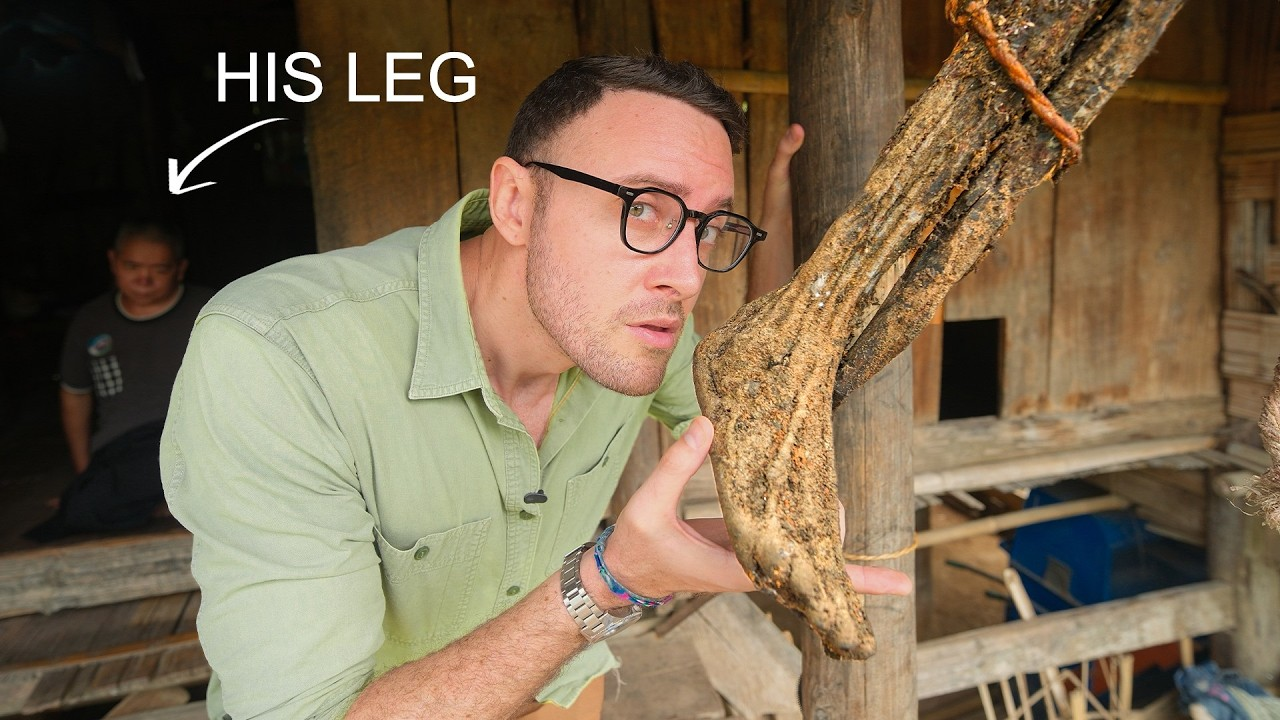
Hoang Su Phi: The Nung People's Eerie Tradition
Our journey begins in the remote and rugged landscapes of Hoang Su Phi, home to the Nung people. Here, we encounter a tradition that defies logic and belief: the preservation of amputated limbs above household kitchens. This eerie custom, passed down through generations, continues to shock outsiders. What cultural or spiritual beliefs drive the Nung to maintain such a practice? We delve deep into their history and rituals to uncover the roots of this unsettling tradition.
Cow Dung Soup: A Culinary Challenge in the Mountains
Next, our adventure takes a gastronomic turn as we venture to taste the infamous Nhum delicacy—cow dung soup. In my travels, I have encountered many exotic and challenging foods, but this dish promises to test my limits like never before. With an open mind and a strong stomach, I join the locals in preparing and savoring this unique culinary experience, exploring the cultural significance and stories behind this peculiar dish.
Dong Van: The Intricacies of Polygamous Life
In the heart of Dong Van, we immerse ourselves in the lives of polygamous families, living among them to gain an intimate understanding of their daily routines and societal structures. Through personal stories and candid conversations, we explore the roots and reasons behind polygamy in this region. What societal, economic, or historical factors have shaped this practice, and how does it influence the community today?
Mr. Ngoc: The Man Who Defies Sleep
Our final stop brings us face to face with Mr. Ngoc, a man who claims not to have slept for 65 years. While the world record for sleeplessness stands at a mere 13 days, Mr. Ngoc's vibrant and active life challenges scientific understanding. We spend time with him, documenting his daily routines and seeking insights from medical experts to unravel the mystery of his condition. How has he managed to live without sleep for so long, and what does his experience reveal about the human body and mind?
Join us on this extraordinary journey as we uncover the hidden, the bizarre, and the unbelievable traditions and stories from Vietnam's wild and steep mountains.
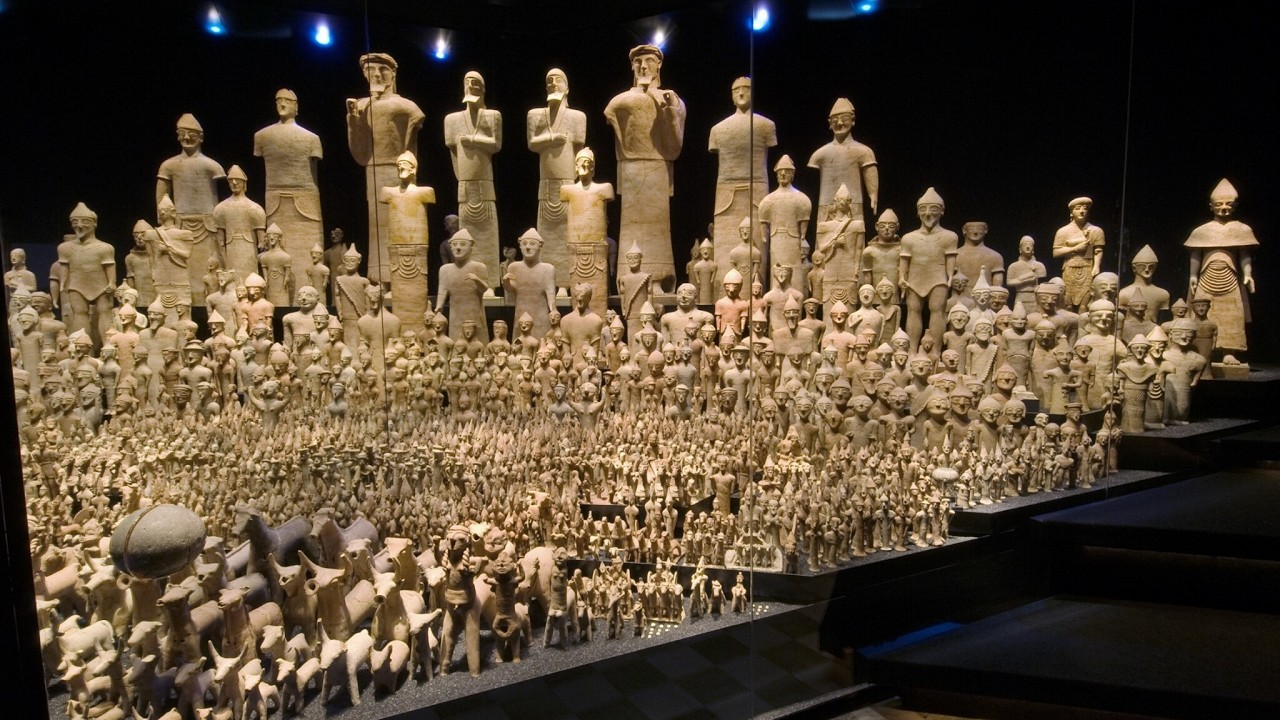
Mystery of Cyprus's Terracotta Army: Larger and More Extensive Than China's Army of Qin Shi Huang
Discover the hidden marvel of Cyprus: the Terracotta Army of Agia Eirini. Rivaling China's famous warriors, this extraordinary collection of over 2,000 clay figures offers a unique window into ancient Mediterranean life. Uncover the accidental discovery by a local priest, the meticulous excavation by Swedish archaeologists, and the sanctuary's evolution over 700 years.
From fertility rituals to warrior cults, witness the changing beliefs of ancient Cyprus through its remarkable terracotta figures. Learn how this incredible find reshaped our understanding of ancient Mediterranean culture and continues to captivate the world today. Join us on a journey through time as we explore one of archaeology's most fascinating discoveries.

The Babylonian Map of the World with Irving Finkel
The Babylonian Map of the World, often hailed as the oldest known map of the world, is a fascinating artifact from ancient Mesopotamia, created approximately 2,900 years ago. This remarkable map is inscribed on a clay tablet using cuneiform script, a writing system developed by the Sumerians of ancient Mesopotamia. Like many other cuneiform tablets, this map is incomplete, its fragments scattered over time.
However, in a stroke of scholarly brilliance, Dr. Irving Finkel, a renowned Assyriologist, along with his particularly gifted student, Edith Horsley, managed to locate a missing piece of the map. Their discovery allowed them to slot this fragment back into the cuneiform tablet, revealing more of the ancient world as envisaged by the Babylonians.
This reconstructed map takes us on a journey through a somewhat mythical landscape, shedding light on how the ancient Mesopotamians perceived their world. Intriguingly, their map and the associated texts provide clues that have fueled modern quests to locate the final resting place of Noah's Ark. In Mesopotamian lore, a great flood story predates the Biblical narrative, with the ark being built not by Noah, but by Ziusudra, a character from earlier Sumerian mythology.
This ancient map, therefore, not only serves as a geographical document but also connects us to the rich tapestry of Mesopotamian mythology and its enduring influence on later cultural and religious stories.

Discovery of a Pebble Mosaic Floor Depicting Satyrs in Eretria, Greece
During the installation of a new unified water supply pipeline in Eretria, a remarkable archaeological find was made. A section of a house from the late Classical period (mid-4th century BCE) was uncovered, featuring a pebble mosaic floor with a central depiction of two satyrs. This discovery provides significant insights into the domestic architecture and artistic expression of ancient Eretria.
Location and Context
The building is located in the core of the ancient city's urban fabric, near the sanctuary of Daphnephoros Apollo, the "Panathenaic Amphorae Neighborhood," and the "House of Mosaics." Previous excavations in these areas have revealed 4th-century BCE residences, often adorned with elaborate pebble mosaic floors.
The Room and Mosaic
The excavation revealed a nearly square room measuring 3.50m by 3.55m internally, with walls preserved on the southern and eastern sides. Due to the limited excavation area and the presence of a municipal road, the northern and western walls could not be fully uncovered.
Inside this room, a mosaic floor made from small, white natural pebbles was investigated. The central medallion, 1.13m in diameter, depicts two satyrs. One is a youthful figure playing a double aulos, while the other is an older, bearded satyr, likely dancing to the music. Various colored pebbles (white, black, red, yellow) were used to render facial features and body details, with yellow pebbles effectively portraying hair, adding realism and vibrancy to the figures.
Architectural Features
Along the northern, eastern, and western sides of the room, a raised mortar floor, approximately 0.935m wide and 2-3cm high, was uncovered. This platform likely served as a base for beds or couches, a common feature in houses of the same period in Eretria (e.g., the Western Neighborhood, House of Mosaics). This setup suggests the room functioned as an andron, a male dining room used for banquets and symposia. The cheerful depiction of satyrs enjoying music aligns with the room's intended use for festive gatherings.
Later Use and Preservation
In the early Christian centuries (5th-6th century CE), the area was repurposed as a cemetery. Five graves (four tile-roofed and one simple pit) were found within the room's fill, sometimes intruding upon and disturbing the mosaic floor. An additional five graves (four tile-roofed and one simple pit) from the same period were discovered outside the room to the south.
After completing the excavation and initial assessment of the archaeological data, it is suggested that the house and mosaic floor date to the mid-4th century BCE. This period saw the emergence of luxurious private residences in ancient Eretria, following a well-known architectural type with a central peristyle courtyard surrounded by private family spaces and public areas for official occasions and symposia. Similar pebble mosaics from the "House of Mosaics" have been dated to around 360-350 BCE.
Conservation and Future Plans
Considering the excellent state of preservation of the pebble mosaic floor and the uniqueness of the central medallion's depiction, the local archaeological authority undertook immediate stabilization and cleaning work. Conservation specialists have ensured the mosaic's preservation while planning for its integration into future exhibitions to enhance public appreciation of this new archaeological ensemble.
Source: Hellenic Ministry of Culture and Sports

Ancient Dugout Canoe Discovered in Wisconsin's Lake Mendota
In a remarkable archaeological discovery, a 15-foot-long dugout canoe was found in Lake Mendota, Wisconsin, dating back approximately 1,200 years. This significant find provides a rare glimpse into the life and technology of the indigenous people who inhabited the region over a millennium ago. Advanced scanning technology has been employed to analyze the canoe, ensuring its preservation and offering detailed insights into its construction and use.
The Discovery
The canoe was uncovered in the fall of last year during an underwater survey of Lake Mendota, one of Wisconsin's largest lakes. The lake's calm waters and unique sediment conditions contributed to the exceptional preservation of the wooden artifact, a rare occurrence given the typical rapid decay of wood in aquatic environments.
Dating and Historical Context
Radiocarbon dating places the canoe at around 1,200 years old, corresponding to the early medieval period, a time before significant European contact with North America. This period was marked by the flourishing of various indigenous cultures in the region, known for their intricate societies and advanced understanding of their environment.
The canoe's construction from a single, hollowed-out log signifies the use of advanced techniques and tools available to the people of that era. Such canoes were pivotal for transportation, trade, fishing, and possibly even ceremonial purposes, illustrating the multifaceted reliance on waterways by the indigenous populations.
High-Tech Analysis
Upon discovery, the canoe was carefully retrieved and subjected to detailed scanning using state-of-the-art technology. This included 3D laser scanning, which created a precise digital model of the canoe. These scans reveal minute details about the construction, wear, and any repairs made over its lifetime, providing invaluable data without risking the artifact's integrity.
The 3D models allow researchers to study the canoe from every angle, examining tool marks, construction techniques, and even potential modifications made by its users. This digital preservation ensures that even if the physical canoe deteriorates over time, the information it holds will remain accessible to researchers.
Construction Techniques
Dugout canoes were typically made by hollowing out large logs, a process that involved controlled burning and the use of stone or metal tools to carve and shape the wood. The choice of wood, likely a local species such as oak or pine, reflects both the availability of resources and the technological capabilities of the community.
The canoe's design would have been influenced by its intended use. For instance, a wider base would provide stability for fishing, while a more streamlined shape would be suitable for travel and trade across longer distances.
Cultural and Historical Importance
The discovery of the canoe provides critical insights into the daily lives and practices of the indigenous communities that thrived in the Wisconsin area long before European colonization. These communities relied heavily on waterways for sustenance and mobility, and the canoe is a testament to their ingenuity and adaptability.
Furthermore, the canoe offers a tangible connection to the past, allowing modern descendants of these communities to engage with their heritage in a direct and meaningful way. It underscores the importance of preserving such artifacts, not only for their historical value but also for their cultural significance.
Preservation Efforts
The preservation of the canoe involved a meticulous process of stabilization and conservation. Once scanned, the canoe was likely treated to prevent further deterioration, which may include measures such as controlled drying, chemical treatments, and careful storage in a climate-controlled environment.
The use of digital models plays a crucial role in ongoing research and education. These models can be shared with researchers globally, used in virtual reality reconstructions, and displayed in museums, providing broader access to this important find.
Broader Implications
The Lake Mendota canoe adds to a growing body of evidence that highlights the complex and rich histories of indigenous populations in North America. Each discovery contributes to a more nuanced understanding of these cultures, challenging outdated narratives and recognizing the sophisticated societies that existed long before European contact.
Such finds also emphasize the importance of underwater archaeology and the potential for further discoveries in submerged environments. As technology advances, the ability to locate, retrieve, and analyze underwater artifacts will continue to expand, offering exciting opportunities for future research.
Public Engagement
The discovery has sparked considerable public interest, underscoring the value of archaeology in connecting people with their past. Exhibitions, educational programs, and media coverage help to disseminate knowledge about the canoe and its historical context, fostering a greater appreciation for the region's indigenous heritage.
In conclusion, the 1,200-year-old dugout canoe discovered in Lake Mendota is a significant archaeological find that provides profound insights into the technological prowess and daily life of the indigenous peoples of Wisconsin. The use of high-tech scanning ensures its preservation and detailed study, contributing to our understanding of North America's rich and diverse pre-colonial history.

Illustration by Dimosthenis Vasiloudis
The three different Writing Systems of Ancient Anatolian languages: Cuneiform, Hieroglyphic, and Alphabetic Texts
Ancient Anatolia, a region that encompasses much of modern-day Turkey, was a vibrant mosaic of cultures and languages. The diverse linguistic landscape of Anatolia employed three distinct writing systems: cuneiform, hieroglyphic, and alphabetic scripts. These systems were instrumental in documenting the socio-political, economic, and religious aspects of various Anatolian civilizations. This article delves into the origins, characteristics, and archaeological findings associated with each writing system, highlighting their significance in the study of ancient Anatolia.
Cuneiform Script
Origins and Usage
Cuneiform script, originally developed by the Sumerians of Mesopotamia, was adopted by the Hittites, Palaic, and Luwian languages in Anatolia. This script, characterized by its wedge-shaped marks, was primarily used for administrative and monumental purposes.
Archaeological Findings
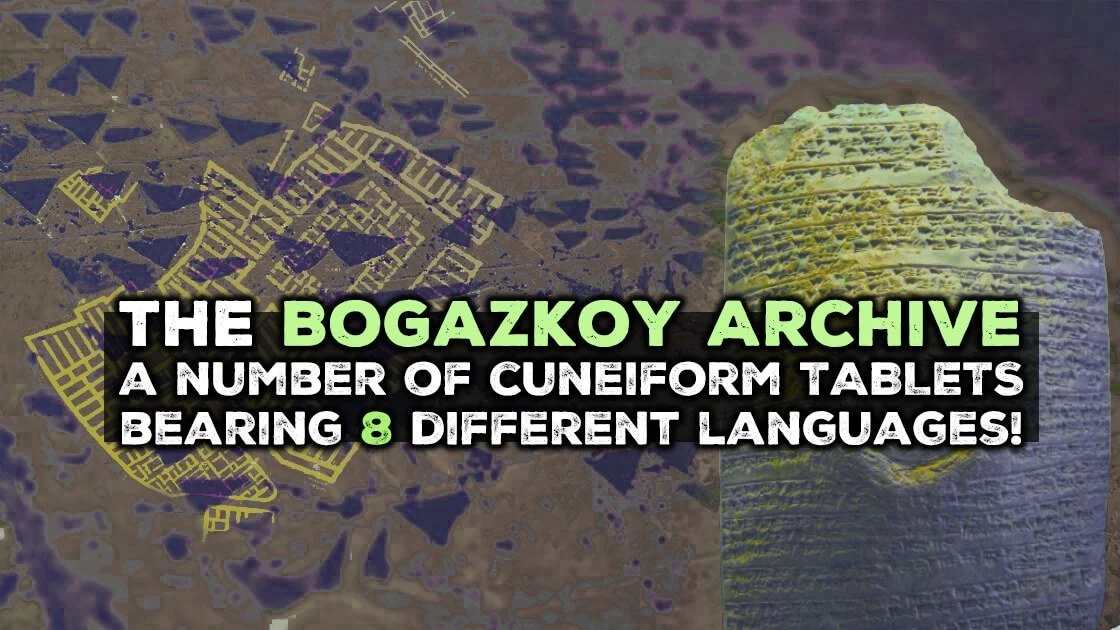
The Bogazkoy Archive of Hattusa: One of the most significant archaeological sites is Hattusa, the capital of the Hittite Empire. Excavations have unearthed numerous cuneiform tablets, including legal documents, treaties, and royal correspondence. The Hittite Law Code, discovered at Hattusa, is a vital source of information on the legal and social structures of the time.
Kültepe Tablets: Another notable site is Kültepe (ancient Kanesh), where an extensive archive of Assyrian merchant tablets has been found. These tablets provide insights into the commercial activities and interactions between the Assyrians and local Anatolian populations.
Hieroglyphic Script
Origins and Usage
The Luwian hieroglyphic script is an indigenous Anatolian script used primarily by the Luwians. It was employed for monumental inscriptions and seal impressions, often associated with official and religious contexts.
Archaeological Findings
Yazılıkaya Rock Sanctuary: Near Hattusa, the Yazılıkaya rock sanctuary features numerous hieroglyphic inscriptions depicting deities and royal figures. These inscriptions provide valuable information about Hittite religious practices and iconography.
Karatepe Bilingual Inscription: The site of Karatepe in Cilicia yielded a bilingual inscription in Phoenician and Luwian hieroglyphs. This discovery is crucial for understanding the relationship between the Luwians and the Phoenicians and for deciphering the Luwian script.
Alphabetic Script
Origins and Usage
The alphabetic script in Anatolia was used for languages such as Lycian, Lydian, Milyan, Carian, Pisidian, and Sidetic. These scripts were influenced by the Greek alphabet and were used primarily for inscriptions and official documents.
Archaeological Findings
The Xanthos Stele: One of the most important Lycian inscriptions is the Xanthos Stele, discovered in Xanthos, Lycia. This stele contains a trilingual inscription in Lycian, Greek, and Aramaic, providing a wealth of information about the linguistic and cultural interactions in the region.
Sardis Inscriptions: The ancient city of Sardis, the capital of Lydia, has yielded numerous Lydian inscriptions, including the so-called Sardis bilingual inscription. These inscriptions, often found on tombs and monuments, offer insights into the Lydian language and its script.
The Letoon Trilingual Stele: Located at the Letoon Sanctuary near the ancient city of Xanthos in present-day Turkey, the Letoon Trilingual Stele offers inscriptions in three different languages: Ancient Greek, Lycian, and Aramaic. Dating back to the 4th century BC, this inscription primarily commemorates the achievements of a local prince named Arbinas. The stele has provided scholars with crucial clues for deciphering the Lycian language.
Mylasa Inscriptions: In Caria, the city of Mylasa has produced several Carian inscriptions. These inscriptions, primarily on tombs and monuments, are crucial for understanding the Carian language and its relationship with other Anatolian languages.

The writing systems of ancient Anatolia are a testament to the region's complex and diverse cultural heritage. Cuneiform, hieroglyphic, and alphabetic scripts each played a significant role in documenting the lives and histories of the Anatolian peoples. Archaeological findings such as the Hittite tablets from Hattusa, the Yazılıkaya inscriptions, and the bilingual stele from Karatepe, along with the Lycian, Lydian, and Carian inscriptions, provide invaluable resources for understanding the ancient civilizations of Anatolia. These discoveries not only enhance our knowledge of the linguistic and cultural dynamics of the region but also underscore the importance of preserving and studying these ancient texts for future generations.

New Discovery: Ancient Cuneiform Tablet Reveals 3,500-Year-Old Shopping List
A remarkable discovery has been made at the ancient site of Alalah (Aççana Mound) in Hatay, Turkey: a 3,500-year-old cuneiform tablet containing a detailed shopping list for furniture. Unearthed during restoration efforts following an earthquake, this tablet provides a fascinating glimpse into the economic and administrative life of the Amorite civilization in the 15th century BCE.
The tablet, weighing 28 grams and written in Akkadian cuneiform, lists items such as wooden tables, chairs, and stools. The detailed records not only mention the purchased items but also provide insights into the buyers, sellers, and the broader trade networks of the time. Researchers from Johns Hopkins University, including Associate Professor Dr. Jacob Lauinger and his student Zeynep Türker, are actively deciphering the inscriptions.

Turkey’s Minister of Culture and Tourism, Mehmet Ersoy, highlighted the significance of the find, noting its potential to enrich our understanding of Anatolian heritage. The ancient city of Alalah was a thriving commercial hub, strategically located on major trade routes, and this tablet underscores the sophistication of its economic system.
This discovery not only offers a new perspective on the economic structure of the Late Bronze Age but also emphasizes the advanced state systems and commercial practices of the time. The ongoing research aims to delve deeper into the economic and administrative complexities of ancient Alalah, shedding light on its historical significance.


Photo: Israel Antiquities Authority
Ancient Ring Engraved with Goddess Athena Found by Child on Mount Carmel
Yair Whiteson, a 13-year-old resident of Haifa, recently embarked on a hike near his home, enjoying quality time with his father who had returned from four months of service in the army reserves. While exploring the “ancient quarry” site below Khirbet Shalala (Mishmar HaCarmel Farm) on Mount Carmel, Yair stumbled upon a fascinating object. "I have a keen interest in fossils and rocks and love collecting them," Yair shared. "During the hike, I noticed a small green item. Initially, I thought it was just a corroded bolt and considered heating it. However, I soon realized it was a ring, and upon closer inspection at home, I noticed an image on it, which at first looked like a warrior."
The Whiteson family promptly contacted Nir Distelfeld, an Inspector at the Theft Prevention Unit of the Israel Antiquities Authority (IAA), who transferred the ring to the National Treasures Department. The IAA, with the expertise of Prof. Shua Amorai-Stark from Kaye Academic College, examined and researched the artifact. In recognition of Yair's discovery, he and his family were invited to tour the new Jay and Jeanie Schottenstein National Campus for the Archaeology of Israel and received commendations for good citizenship.

Photo: Israel Antiquities Authority
"This beautifully preserved ring features the image of a helmeted, naked figure holding a shield in one hand and a spear in the other," explained Distelfeld and Dr. Eitan Klein of the IAA's Unit for the Prevention of Antiquities Robbery. "Yair's initial identification of the figure as a warrior was quite accurate. The figure is likely the goddess Minerva from Roman mythology, also known as Athena in Greek mythology. Minerva was highly revered during the Roman period in the Land of Israel, symbolizing war, military strategy, and wisdom."
The bronze ring likely belonged to a woman or girl during the Late Roman Period (2nd-3rd Century CE). The discovery site, located below Khirbet Shalala on a hilltop with Roman period farmstead remains, is near an ancient rock quarry and two burial caves. Researchers suggest the ring might have belonged to a woman who lived on the farm, a quarry worker, or it could have been a burial offering from the nearby graves. "There are numerous possibilities," the researchers noted.

Photo: Israel Antiquities Authority
Khirbet Shalala, the archaeological site near the ring's discovery, is situated on a hilltop in the Carmel Mountains, bordered by Nahal Oren on three sides and close to Ein Alon, a perennial water source. This site has been previously explored and documented by the 19th-century Palestine Exploration Fund surveyors, the renowned Israeli archaeologist Prof. Ruth Amiran, and a Bar-Ilan University expedition led by Mount Carmel expert Prof. Shimon Dar. "The ring now connects to data gathered in earlier excavations and surveys, providing additional insights into this historical site," concluded Distelfeld and Dr. Klein.
For more: Israel Antiquities Authority

Illustration by Dimosthenis Vasiloudis
Kumarbi and Cronus: Shared Motifs in Near Eastern and Greek Myths
Kumarbi, Cronus, and the Cycle of Divine Succession: A Comparative Mythological Analysis
The connection between the Hurrian-Hittite god Kumarbi and the Greek god Cronus represents a fascinating intersection of mythological traditions, revealing how ancient narratives influenced each other across cultures and epochs. As early as the 1940s, scholars have posited that the myths within the Kumarbi Cycle can be seen as forerunners to those found in Hesiod's Theogony. This article examines the scholarly perspectives and analyses of E. O. Forrer, H. G. Güterbock, H. Otten, Gary Beckman, and others to understand the intricate relationships between these deities and their respective mythologies.
Succession Myths and Divine Power Struggles
The theme of succession among divine rulers is a central motif in both the Kumarbi Cycle and Hesiod's Theogony. E. O. Forrer, in his work "Eine Geschichte des Gotterkonigtums aus dem Hatti-reiche," highlights the thematic similarities in the narratives of Kumarbi and Cronus. Both gods are involved in dramatic power struggles characterized by the overthrow of their predecessors—Kumarbi dethrones the sky god Anu, while Cronus overthrows Uranus. This cyclical nature of divine succession underscores the ancient understanding of the impermanence and transitory nature of power among the gods.
H. G. Güterbock, in "Kumarbi. Mythen vom Churritischen Kronos," further elucidates these themes, emphasizing the parallels in the violent and dramatic conflicts that arise in both mythological traditions. Güterbock draws attention to specific narrative motifs, such as the castration of Anu by Kumarbi, which parallels the act by Cronus against Uranus. These violent acts symbolize the transfer of power and the establishment of new divine orders, reflecting broader Near Eastern traditions of kingship and authority.

The idea of succession is also supported by the similarities in the reigns of Ouranos, Cronus, and Zeus in the Greek tradition, compared to the succession of "kings in heaven" in the Hurrian myths. The common interpretation that kingship is passed from one god to another through acts of violence and usurpation is evident in both mythological frameworks, pointing to a shared cultural motif of divine power struggles.
Birth and Creation Myths: Symbolism and Parallels
The myths involving the birth of new gods from Kumarbi and Cronus are rich with symbolic meaning and narrative complexity. H. Otten, in "Mythen vom Gotte Kumarbi," examines the significant event where Kumarbi, after swallowing Anu's genitals, later gives birth to Teshub from his split skull. This myth not only signifies the continuation of the divine lineage but also the emergence of new forms of power. Otten's analysis highlights the parallels with Greek mythology, particularly the story of Cronus swallowing his children to prevent them from usurping his throne, only to be later forced to regurgitate them.

Gary Beckman, in his study "Primordial Obstetrics: The Song of Emergence," provides a detailed comparison between the birth of Teshub from Kumarbi’s split skull and the birth of Athena from Zeus's head. Beckman suggests that the narrative of Teshub's birth served as a "template" for the Greek myth, indicating a possible influence of Hurrian-Hittite traditions on Greek mythology. This comparison underscores the symbolic importance of birth and creation myths in conveying themes of wisdom, power, and the renewal of divine order.

Furthermore, Beckman expresses skepticism over whether the Greeks received all the shared elements of these myths directly from the Kumarbi cycle. He proposes that these mythological motifs might have belonged to a broader Mediterranean cultural milieu, reflecting a shared heritage of storytelling that transcends specific cultural boundaries. This perspective highlights the fluidity and adaptability of mythological themes across different cultures and contexts.
Cultural Interactions and Influences
The connections between Kumarbi and Cronus are not merely coincidental but reflect broader patterns of cultural exchange and interaction in the ancient Near East. The similarities between the myths of Kumarbi and Cronus, such as the castration of a sky god and the swallowing of a rock in place of a deity, indicate possible direct influences or shared mythological traditions.
Philo of Byblos, a Phoenician author, provides further evidence of these cultural exchanges in his "Phoenician History," which includes mythological elements that echo the narratives involving Kumarbi. Hans Gustav Güterbock has proposed that Philo might have relied on a source forming an intermediate stage between the Kumarbi Cycle and Hesiod's Theogony. However, Albert I. Baumgarten criticizes this position, arguing that the myths involved do not represent intermediary stages but rather different takes on common mythological motifs. He points out that Philo's Phoenician History lacks certain elements present in the Kumarbi Cycle, such as the challenges posed by Teshub to Kumarbi’s reign and the absence of battles against monsters.
Recent research suggests that the episode in Philo's history where Ouranos tasks Dagon with raising Damerous might constitute a non-violent adaptation of the account of Teshub’s origin as the son of both Anu and Kumarbi. This adaptation reflects the dynamic nature of mythological narratives and their capacity to be reinterpreted in different cultural contexts.

Comparative Mythological Framework
The comparative analysis of Kumarbi and Cronus by scholars such as Forrer, Güterbock, Otten, and Beckman contributes to a broader understanding of ancient mythologies and their interconnectedness. The succession myths, birth and creation stories, and broader patterns of cultural exchange reveal a shared heritage of storytelling that shaped the mythological landscapes of the ancient Near East and Greece.
Carolina López-Ruiz, in her analysis, notes that despite the differences, Hesiod's Theogony represents the Greek reception of the Kumarbi Cycle. She points out a closer parallel in an Orphic theogony from the Derveni papyrus, where Zeus castrates Ouranos, swallows his genitals, and becomes impregnated with the cosmos. This narrative better reflects the succession from Anu to Kumarbi, illustrating how mythological motifs were adapted to emphasize different aspects of divine power and creativity.
López-Ruiz also highlights further Orphic myths that include the castration of Cronus by Zeus and the swallowing of Phanes, showing the continued evolution and reinterpretation of these themes in Greek mythology. These adaptations underscore the influence of Near Eastern mythological traditions on Greek religious thought and the broader cultural exchanges that facilitated the transmission of these stories.
Implications for Understanding Ancient Mythologies
The study of the connection between Kumarbi and Cronus has significant implications for our understanding of ancient mythologies. It highlights the importance of cross-cultural comparisons in revealing the shared elements and distinctive features of different mythological traditions. By recognizing common themes and narrative structures, scholars can better appreciate the complexities and nuances of ancient myths and the ways in which they reflect the cultural, religious, and political landscapes of their respective societies.
Moreover, the research on Kumarbi and Cronus underscores the dynamic nature of mythology, where stories and motifs are continually reshaped and recontextualized in response to changing cultural contexts. This fluidity and adaptability of mythological narratives demonstrate the enduring relevance and power of myths in shaping human understanding of the world and the divine.

Conclusion
The connection between Kumarbi and Cronus, as explored by scholars, reveals a rich tapestry of shared themes and narrative motifs that highlight the interconnectedness of ancient mythological traditions. Through the comparative study of succession myths, birth and creation stories, and the broader patterns of cultural exchange, these scholars have provided valuable insights into the complex relationships and influences that shaped the mythologies of the ancient Near East and Greece. This analysis not only deepens our understanding of individual myths but also underscores the universal themes that continue to resonate across cultures and time.
Interwoven Deities: The Cross-Cultural Influences on Ancient Greek Gods
Ancient Greek mythology and religion, often regarded as the cornerstones of classical antiquity, were not created in isolation. Instead, they were significantly influenced by and shared elements with other ancient cultures. This cultural exchange is evident in the similarities between Greek gods and their counterparts in other ancient civilizations, such as the Luwians, Hittites, Hurrians, and Egyptians. Examining these connections through gods like Apollo, Ares, Zeus, Aphrodite, Dionysus, and Hera reveals a rich tapestry of shared mythological traditions and the dynamic interactions that shaped ancient religious landscapes. These influences, visible through similarities in names and attributes, highlight the complex and interconnected nature of ancient mythologies.
Apollo (Appaliunas)

In Greek mythology, Apollo is one of the most revered and multifaceted deities, known as the god of the sun, music, healing, and prophecy, among other things. He embodies the ideal of the kouros, the beardless, athletic youth, and is often depicted with a lyre or bow. Apollo had a significant impact on many facets of Greek culture, including the arts, medicine, and the well-known Oracle at Delphi, where many people sought out his prophetic abilities. His duality as a god of both healing and plague illustrates the complex nature of divine power in Greek thought.
The Hittite and Lycian deity Appaliunas is believed to be an early form of Apollo, suggesting that his worship might have roots predating Greek civilization. Apaliunas appears in Hittite texts, indicating a shared or borrowed tradition of solar and healing deities.
Further cementing the Anatolian connection is Apollo's Homeric epithet Λυκηγενης, which translates to "born in Lycia." Lycia was a region in Anatolia, and this epithet offers a clear geographic link to Apollo's origins. The fact that such an epithet exists and is attached to Apollo underscores the weight of the argument that Apollo's veneration was brought to Greece from Anatolian traditions.
The connection between Apollo and Apaliunas underscores the cross-cultural exchanges in the ancient Near East. The etymology of "Apollo" in Greek is uncertain, but the similarity in names points to an interaction between Hittite and Greek religious practices. This blend of influences highlights how Greek mythology was not developed in isolation but was part of a broader tapestry of ancient mythological traditions.
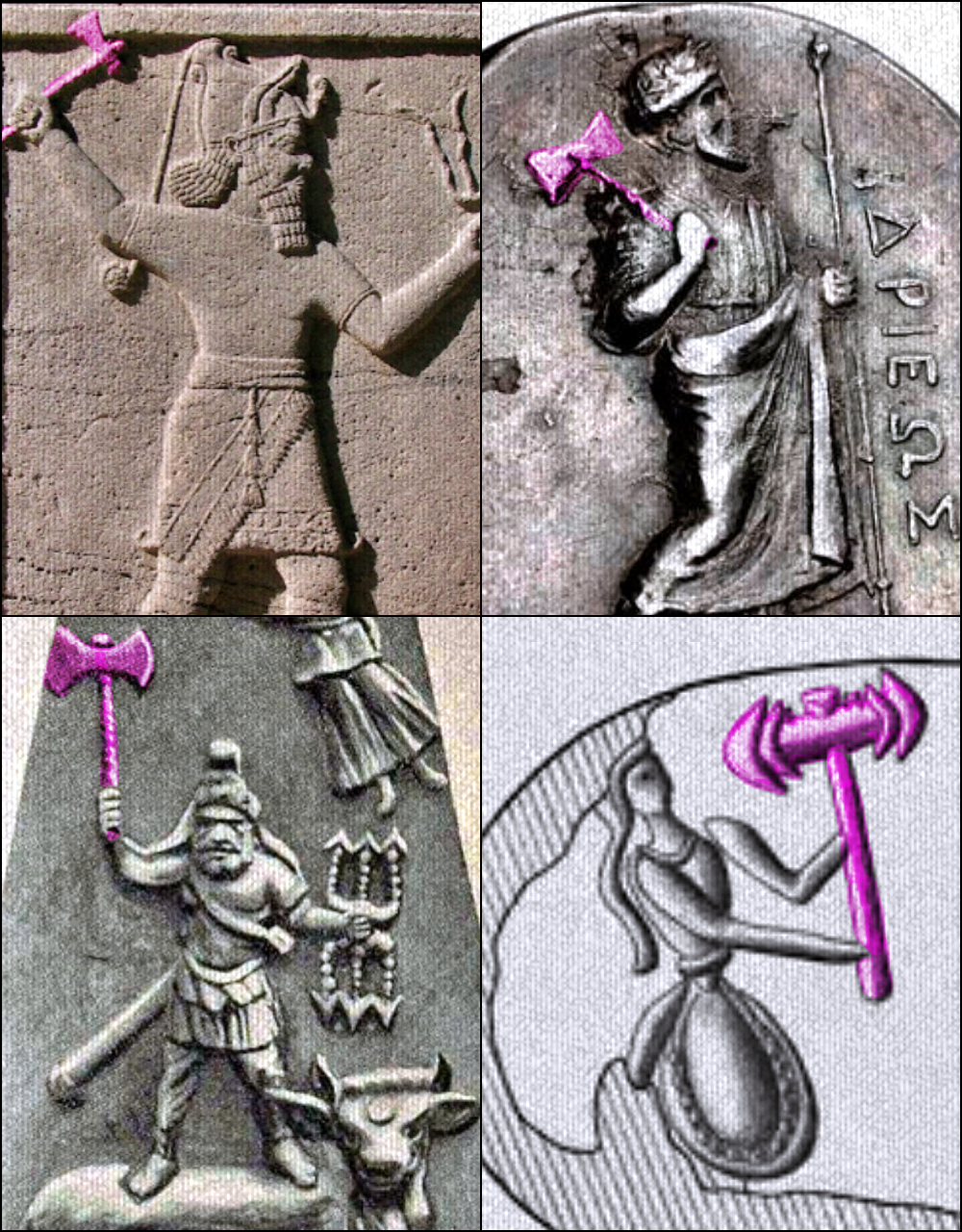
Ares (IYARRI)
Ares, the Greek god of war, is known for his aggressive and tumultuous nature, embodying the brutal and chaotic aspects of warfare. Unlike his sister Athena, who represents strategic warfare and wisdom, Ares is associated with the raw violence and bloodlust of battle. He is often depicted as a fierce and fearsome figure, whose presence on the battlefield is both feared and loathed. Despite his prominent role in mythology, Ares was not widely worshipped and was often overshadowed by more favorable deities.
In Luwian mythology, Iyarri is a deity linked to warfare, sharing similarities with Ares. The resemblance in names suggests a possible cultural exchange or a shared origin. Although the Greek etymology of "Ares" remains uncertain, these parallels indicate a connection between the war gods of these ancient cultures. This overlap in martial deities reflects the interconnected nature of ancient religions and the transmission of mythological themes across regions. The depiction of war gods like Ares and Arey illustrates the universal human experience of conflict and the divine representation of martial prowess and strife.
Zeus (Dyeus, Tarhunna, and Teshub)

Zeus, the king of the Greek gods, is associated with the sky, thunder, and justice, ruling over Mount Olympus with his powerful thunderbolt. As the chief deity, he plays a central role in Greek mythology, upholding order and authority among both gods and mortals. His numerous affairs and offspring with various goddesses and mortal women signify his pervasive influence and the blending of divine and human realms.
The name "Zeus" is linked to the Proto-Indo-European deity Dyeus, the sky god, highlighting the shared linguistic and cultural heritage among Indo-European peoples. In the Hittite culture, the storm god Tarhunna (or Tarhunt) bears functional similarities to Zeus, although their names differ significantly. Tarhun, like Zeus, is a powerful deity associated with weather and sovereignty. The complex etymological path from Dyeus to Zeus reflects the intricate evolution of religious concepts and linguistic shifts over millennia. These connections underscore the deep-rooted and widespread nature of certain divine archetypes across ancient civilizations.

Aphrodite (Astart, Shaushka)
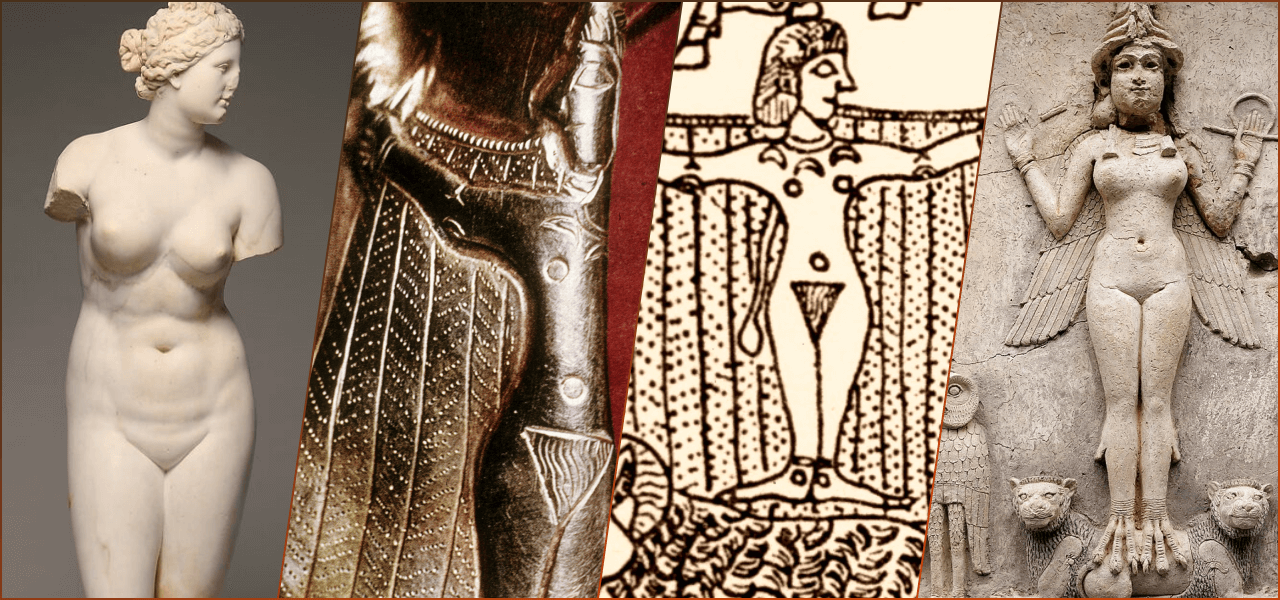
Aphrodite, the Greek goddess of love, beauty, and desire, is a central figure in Greek mythology, celebrated for her unparalleled charm and influence over both gods and mortals. She embodies the power of attraction and the complexities of romantic and sexual relationships. Aphrodite's origins are often traced to Near Eastern goddesses, reflecting the syncretic nature of ancient mythologies.

The goddess Aštart (Astarte) in the Levant and Shaushka in Hurrian and Hittite-Luwian cultures share many attributes with Aphrodite, particularly in their associations with fertility, love, and war. Shaushka, for instance, was revered as a deity of love and fertility, mirroring Aphrodite’s domain. The uncertain etymology of "Aphrodite" in Greek points to possible foreign influences, suggesting that her worship and attributes were shaped by a confluence of cultural interactions. These parallels highlight the fluidity and exchange of religious ideas across ancient civilizations, illustrating how deities could evolve and adapt to different cultural contexts.
Dionysus (osiris)
The connections between Dionysus and Osiris reveal profound commonalities in their mythological motifs, reflecting shared themes across Greek and Egyptian cultures. Both deities are associated with life, death, and rebirth, representing cycles of nature and human existence. Dionysus, the Greek god of wine, festivity, and ecstasy, is also linked to the concept of resurrection, as his myths often involve him being torn apart and reborn. This mirrors the story of Osiris, the Egyptian god of the afterlife, who is killed, dismembered, and ultimately resurrected by his wife, Isis.
Both Dionysus and Osiris are deeply connected to agricultural fertility and the cycles of growth and harvest. Dionysus is celebrated in rituals that emphasize the vine's life cycle, embodying the growth, death, and rebirth of vegetation. Similarly, Osiris is associated with the annual flooding of the Nile, which brings fertility to the land. His death and rebirth symbolize the flooding and retreating waters essential for crop growth. These agricultural associations underscore their roles as deities who ensure the sustenance and renewal of life.

The worship of Dionysus and Osiris also shares ritualistic elements that involve initiatory rites and mysteries. The Dionysian Mysteries and the Osirian rituals both include symbolic representations of death and rebirth, aimed at achieving spiritual enlightenment and eternal life. Initiates in these cults undergo symbolic deaths and rebirths, reflecting the gods' own mythological journeys. This shared motif of mystical initiation and the promise of an afterlife highlights the enduring human quest for understanding and transcending the boundaries of mortal existence through divine connection.
Herodotus, in his work "Histories," draws several parallels between the Greek god Dionysus and the Egyptian god Osiris. He notes that the rites and festivals associated with Dionysus in Greece bear a striking resemblance to those of Osiris in Egypt. Both deities are central figures in their respective mythologies, embodying themes of death and rebirth and being associated with the fertility of the land. Herodotus observed that the Egyptians believed their rituals honoring Osiris influenced the Greek celebrations of Dionysus, indicating a cultural exchange and shared religious motifs between the two civilizations.
Hera (Hebat, Isis, Arinniti, aset, Ashassarasmes, Ishassaramis, Ishara, and Ashera)
Hera, the queen of the Greek gods, is celebrated as the goddess of marriage, women, childbirth, and family. As the wife and sister of Zeus, Hera's mythology is marked by her protective and often vengeful nature, particularly towards Zeus's lovers and offspring. Her influence permeates various aspects of domestic life, making her a central figure in ensuring the sanctity and protection of marriage.
Comparable deities in other ancient cultures reflect similar attributes to Hera. Hebat, the queen of the gods in Hittite and Luwian traditions, and Arinniti, the Hittite sun goddess, both embody maternal and protective qualities akin to Hera's role. Additionally, the Luwian Ashassarasmes, Hittite Ishassaramis, Hurrian Ishara, and Hannanite Ashera all highlight the widespread motif of powerful maternal goddesses, showcasing the interconnectedness of religious traditions in the ancient Near East and Anatolia.

Išḫara on the Yazılıkaya reliefs, depicted between Allani and Nabarbi.
In Egyptian mythology, the goddesses Aset (Isis) and Hether (Hathor) parallel Hera’s domains. Isis’s protective nature and magical prowess, especially over her son Horus, and Hathor’s association with love, motherhood, and joy align with Hera's protective and nurturing roles. These cross-cultural parallels suggest that Hera's worship and attributes were shaped by a blend of indigenous Minoan and later Greek elements and broader Near Eastern and Anatolian influences, reflecting the rich tapestry of interconnected mythologies in the ancient Mediterranean world.
The study of ancient Greek gods in the context of their counterparts in other ancient civilizations underscores the interconnectedness of early religious and cultural traditions. Deities like Apollo, Ares, Zeus, Aphrodite, Dionysus, and Hera illustrate how Greek mythology was shaped by a confluence of indigenous elements and external influences from neighboring cultures such as the Hittites, Luwians, Hurrians, and Egyptians. This cross-cultural exchange enriched the Greek pantheon, embedding within it diverse attributes and narratives. Understanding these connections offers a deeper insight into the development of ancient religions and the shared human endeavor to explain the world through divine archetypes. This intricate web of interactions not only enriches our knowledge of Greek mythology but also highlights the universal themes and motifs that transcend individual cultures, reflecting the shared heritage of human civilization.

Nubians in Egyptian art
Reexamining the Afrocentric Theory and the Multicultural Legacy of Ancient Egypt
The history of ancient Egypt has long captivated scholars, archaeologists, and historians, drawing them into a world of monumental achievements, rich cultural practices, and complex societal structures. Over time, various theories have emerged to explain the origins and influences of this remarkable civilization. One such theory, the Afrocentric perspective, posits that ancient Egypt was fundamentally an African civilization, predominantly black, and an integral part of the broader African historical narrative. While this theory aims to reclaim the contributions of African peoples to world history, it often oversimplifies and distorts historical reality, leading to misrepresentations akin to other forms of racial superiority, such as white supremacy. This article explores the origins and implications of the Afrocentric theory, highlights the significant contributions of Semitic cultures to Egyptian development, and acknowledges the role of the Nubian pharaohs and the Kingdom of Kush in the rich tapestry of Egyptian history.
The Afrocentric Theory: Misinterpretations and Implications
The Afrocentric theory, which seeks to highlight the African roots of ancient Egypt, emerged as a response to centuries of European colonialism and the marginalization of African achievements. Proponents of this theory argue that ancient Egyptians were primarily black Africans and that their civilization should be considered an integral part of African history. While the intention behind this perspective is to restore a sense of pride and recognition to African heritage, it often leads to an oversimplified narrative that disregards the ethnic diversity and complex cultural interactions that defined ancient Egypt.
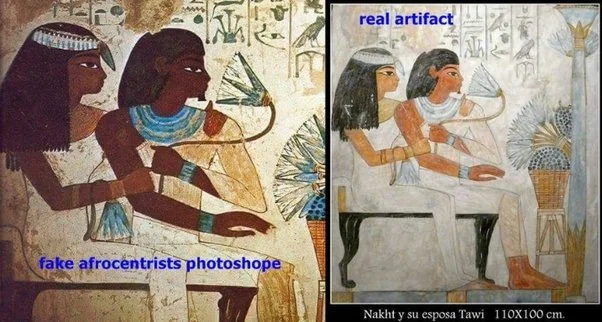
Archaeological and anthropological evidence paints a different picture. Ancient Egypt was a melting pot of various ethnicities and cultures, with significant influences from across the Mediterranean, Africa, and the Near East. The civilization's geographic location, at the crossroads of Africa and Asia, facilitated extensive trade and cultural exchanges, contributing to its dynamic and multifaceted nature. By insisting on a homogenous racial identity for the Egyptians, the Afrocentric theory inadvertently mirrors the racial exclusivity of white supremacy, undermining the rich, diverse heritage of this ancient civilization.
The Semitic Contributions to Ancient Egyptian Civilization
One of the often-overlooked aspects of ancient Egyptian history is the significant influence of Semitic cultures, particularly those of Mesopotamia. The ancient Egyptians spoke a language that belonged to the Afro-Asiatic language family, closely related to Semitic languages. This linguistic connection underscores the extensive cultural and commercial interactions between Egypt and its Semitic neighbors, challenging the notion of a purely African Egypt.

Mesopotamian civilizations, known for their advancements in writing, law, and urbanization, played a crucial role in shaping the development of Egyptian society. The introduction of cuneiform writing, legal codes, and administrative practices from Mesopotamia had a profound impact on Egyptian governance and intellectual life. Furthermore, the exchange of goods and ideas facilitated by trade routes linking Egypt to Mesopotamia and other Semitic regions enriched Egyptian culture, contributing to its remarkable achievements in art, architecture, and science.
Recent scholarship has increasingly recognized and emphasized these intercultural exchanges, highlighting the pivotal role of Semitic civilizations in shaping the ancient world. This acknowledgment challenges earlier, more insular views of Egyptian history and underscores the interconnectedness of ancient societies. By appreciating the contributions of Semitic cultures, we gain a more nuanced understanding of the complex tapestry of influences that shaped ancient Egypt.
Nubian Pharaohs and the Kingdom of Kush: A Multicultural Legacy
Despite the inaccuracies of the Afrocentric narrative, it is essential to recognize the periods during which black African rulers, specifically those from the Kingdom of Kush, played a significant role in Egyptian history. The Kingdom of Kush, located to the south of Egypt, rose to prominence and, at times, exerted control over Egypt, most notably during the 25th Dynasty (circa 744-656 BCE). These Nubian rulers, often referred to as the "Black Pharaohs," brought significant cultural and political influence to Egypt.

The Kushite civilization was distinctly African, yet it was heavily influenced by Egyptian culture due to prolonged contact and interactions. The adoption of Egyptian religious practices, art styles, and architectural techniques by the Kushites demonstrates the deep cultural exchange between the two regions. The Nubian pharaohs not only embraced Egyptian traditions but also contributed their unique perspectives, enriching the cultural and political landscape of Egypt.
The reign of the Nubian pharaohs highlights the dynamic and interconnected nature of ancient African civilizations. It also underscores the importance of viewing the development of civilizations as influenced more by their natural environment and unique historical circumstances than by the race of their people. The Kingdom of Kush stands as a testament to the vibrant cultural exchanges that characterized the ancient world, demonstrating that the flow of ideas and practices across regions played a crucial role in shaping their development.
Conclusion: Embracing a Multicultural Understanding of Ancient Egypt
The history of ancient Egypt is a testament to the complexity and interconnectedness of human civilizations. While the Afrocentric theory seeks to reclaim the African heritage of Egypt, it often simplifies and distorts the rich, diverse reality of this ancient civilization. By recognizing the significant contributions of Semitic cultures and the role of the Nubian pharaohs, we gain a more comprehensive understanding of Egypt's multicultural legacy.
Ancient Egypt's achievements were the result of a confluence of influences from across the Mediterranean, Africa, and the Near East. Its development was shaped by a diverse array of peoples, ideas, and cultural practices, reflecting the dynamic and interconnected nature of the ancient world. Embracing this complexity allows us to appreciate the true richness of Egypt's history and its enduring contributions to human civilization.

Illustration by Dimosthenis Vasiloudis
Parna of Anatolia and Greece's Parnassus: Tracing The Linguistic and Cultural Ties Between Luwians and Greeks
The Shared Sacredness of the word “Parna” and the Greek toponym “Parnassus”
The intriguing linguistic and cultural connections between the ancient languages of Anatolia and Greece have long been a subject of scholarly interest. One such connection is the term "parna," found in the Luwian and Carian languages, and its potential relationship to the Greek toponym "Parnassus."
The Word “Parna” in Luwian and Carian Languages
Luwian and Carian were ancient languages spoken in what is now modern-day Turkey. These languages are part of the broader Anatolian branch of the Indo-European language family, which also includes Hittite. The Luwians and Carians, like their Hittite neighbors, had rich and complex religious traditions. The term "parna" in these languages is interpreted to mean "sacred site" or "holy house," and it appears in various inscriptions and texts, often in contexts that describe sacred places or objects associated with religious worship.
The use of "parna" underscores the significance of certain locations and items in the spiritual practices of the Luwians and Carians. These inscriptions provide valuable insights into the religious life of these ancient peoples, showing how they designated and revered their sacred spaces. The contexts in which "parna" appears often relate to temples, holy objects, or locations that hold particular spiritual importance, indicating a well-developed sense of the sacred.
Furthermore, the widespread use of "parna" in religious contexts highlights the role of language in shaping and expressing cultural and religious identities. By examining how this term was used, scholars can better understand the ways in which the Luwians and Carians conceptualized their sacred spaces and practices, offering a richer picture of their belief systems and societal values.
Parnassus: The Greek Sacred Mountain
Mount Parnassus, located in central Greece, holds a significant place in Greek mythology and religion. It is famously known as the home of the Muses, the goddesses of inspiration in literature, science, and the arts. Additionally, Parnassus is closely associated with Apollo, the god of music, poetry, and prophecy. The sacred site of Delphi, situated on the southwestern slopes of Parnassus, was one of the most important religious centers in the ancient Greek world.
The mountain's significance in Greek culture is reflected in numerous myths and legends. According to one myth, Parnassus was the mountain on which Deucalion and Pyrrha, the Greek equivalents of Noah, landed after a great flood, repopulating the earth. Another legend states that the Corycian Cave on Parnassus was home to the nymphs and a place of oracular prophecy. Such stories underscore the mountain's revered status in Greek spirituality and its role as a nexus of divine activity.
The name "Parnassus" itself has intrigued linguists and historians due to its possible etymological ties to the Anatolian word "parna." This connection suggests that the ancient Greek-speaking population may have inherited or adapted the concept of sacredness from another pre-Greek-speaking native population, maybe related to the so-called Pelasgians, Minoans, or some Anatolian-speaking group that first inhabited the Greek mainland. The similarities between the two words propose a shared or borrowed concept of sacredness that transcends regional boundaries, pointing to the dynamic linguistic and cultural exchanges that shaped ancient beliefs.

Anatolian Influence on Ancient Greek Place-Names: The 'Parnassian' Language Theory
The potential link between "Parna" and "Parnassus" is not merely a linguistic curiosity but may also reflect deeper cultural boundaries between the ancient civilizations of Anatolia and Greece. Throughout history, these regions have been in close contact through trade, migration, and conflicts. Such interactions would have facilitated the exchange of religious ideas and terminology, allowing for a blending of spiritual concepts.
Evidence of these cultural connections is seen in various archaeological finds and historical records. For example, the trade routes even from the Chalcolithic period that connected Anatolia and Greece would have brought not only goods but also ideas and beliefs, fostering a milieu where sacred concepts could be shared and adapted. This blending is reflected in the similarities between the religious practices and terminologies of these ancient peoples, suggesting a common cultural heritage or mutual influence.
The potential etymological link between "parna" and "Parnassus" implies that the concept of sacredness embodied by "parna" could have influenced Greek perceptions of Parnassus as a holy place. This influence is seen in the reverence with which the Greeks regarded Mount Parnassus and its associated myths and religious practices. While direct evidence of linguistic borrowing is scarce, the shared notion of a sacred site suggests a deep and enduring linguistic connection between these ancient cultures.
Scholars have identified an Indo-European substrate language related to Luwian that influenced both ancient Greek and Anatolian languages. This language is considered responsible for the prevalence of place names ending in -ssa and -nda in western Asia Minor and -ssos and -nthos in mainland Greece. The name "Parnassos" in Greece is believed to derive from the Luwian word "parna-" with the possessive suffix "-ssa." Both Hittite and Luwian texts reference a place called Parnassa, indicating a possible connection.
Philologist Martin L. West suggested naming this unattested Anatolian language "Parnassian" and proposed that it represents a group of people who migrated from Thrace to Anatolia and Greece around 2800 BC. The distribution of these place names suggests the language was spoken during the Early Helladic II period.
Despite this, distinguishing between "Parnassian" loanwords and pre-Indo-European substrate words is challenging. Some words, like τολύπη (tolúpē), share features with Anatolian languages but lack Indo-European cognates, implying a non-Indo-European source. Researchers contend that pre-Indo-European settlers from Asia Minor may have introduced pre-Greek substrates, indicating multiple linguistic influences. While many Anatolian-origin words in Greek relate to cultural exchange rather than a substratum, the presence of these terms points to extensive linguistic interactions across the Aegean Sea.
Conclusion
The relationship between the Luwian and Carian term "parna" and the Greek toponym "Parnassus" underscores the interconnectedness of ancient civilizations. The shared concept of sacredness reflects not only linguistic parallels but also the profound cultural exchanges that shaped the religious landscapes of the ancient Mediterranean world. As scholars continue to explore these connections, we gain a deeper understanding of how ancient peoples perceived and revered the sacred spaces that defined their spiritual lives.
In unraveling these connections, we see a testament to the rich tapestry of human history, where languages and cultures intermingle and sacred concepts travel across regions and epochs. The study of "parna" and "Parnassus" offers a glimpse into the spiritual life of ancient civilizations and the ways in which they articulated and celebrated the divine, reminding us of the enduring legacy of these ancient traditions in our own cultural and religious practices today.
References
Beekes, Robert S. P. (2009). Etymological Dictionary of Greek.
Finkelberg, Margalit (2006). Greeks and Pre-Greeks: Aegean Prehistory and Greek Heroic Tradition.
Furnée, Edzard J. (1972). Die Wichtigsten Konsonantischen Erscheinungen Des Vorgriechischen: Mit Einem Appendix Über Den Vokalismus.
Mihaylova, Biliana (2012). The Pre-Greek Substratum Revisited.
Mylonas, George E. (1962). The Luwian Invasions of Greece.
Palmer, Leonard Rober. (1965). Mycenaeans and Minoans.
Renfrew, Colin (1998). Word of Minos: The Minoan Contribution to Mycenaean Greek and the Linguistic Geography of the Bronze Age Aegean.
West, Martin L. (2007). Indo-European Poetry and Myth.