The Oracle of Dodona: The Lesser-Known Greek Prophetic Shrine

Introduction: Greece’s Oldest Voice of the Gods

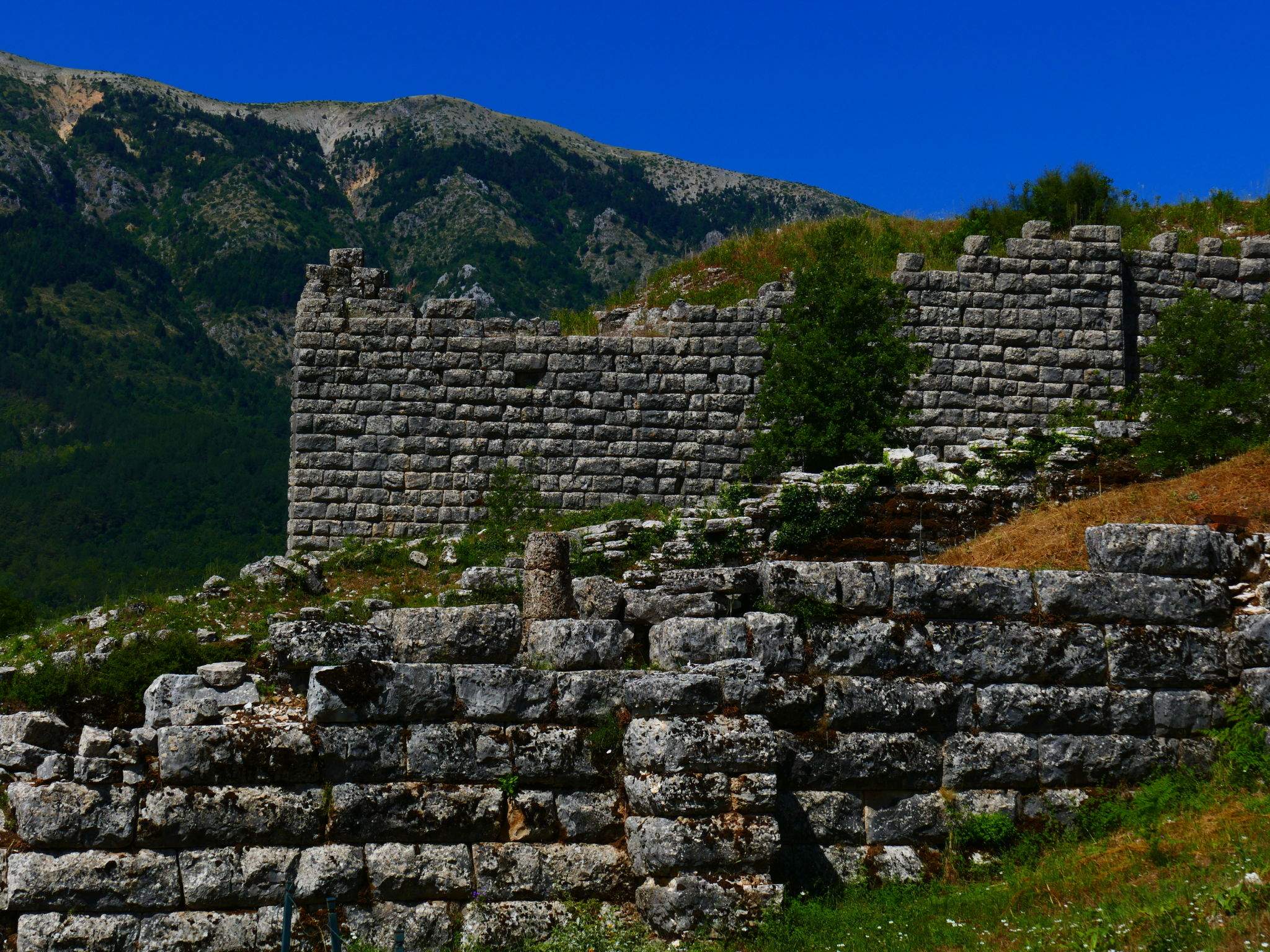
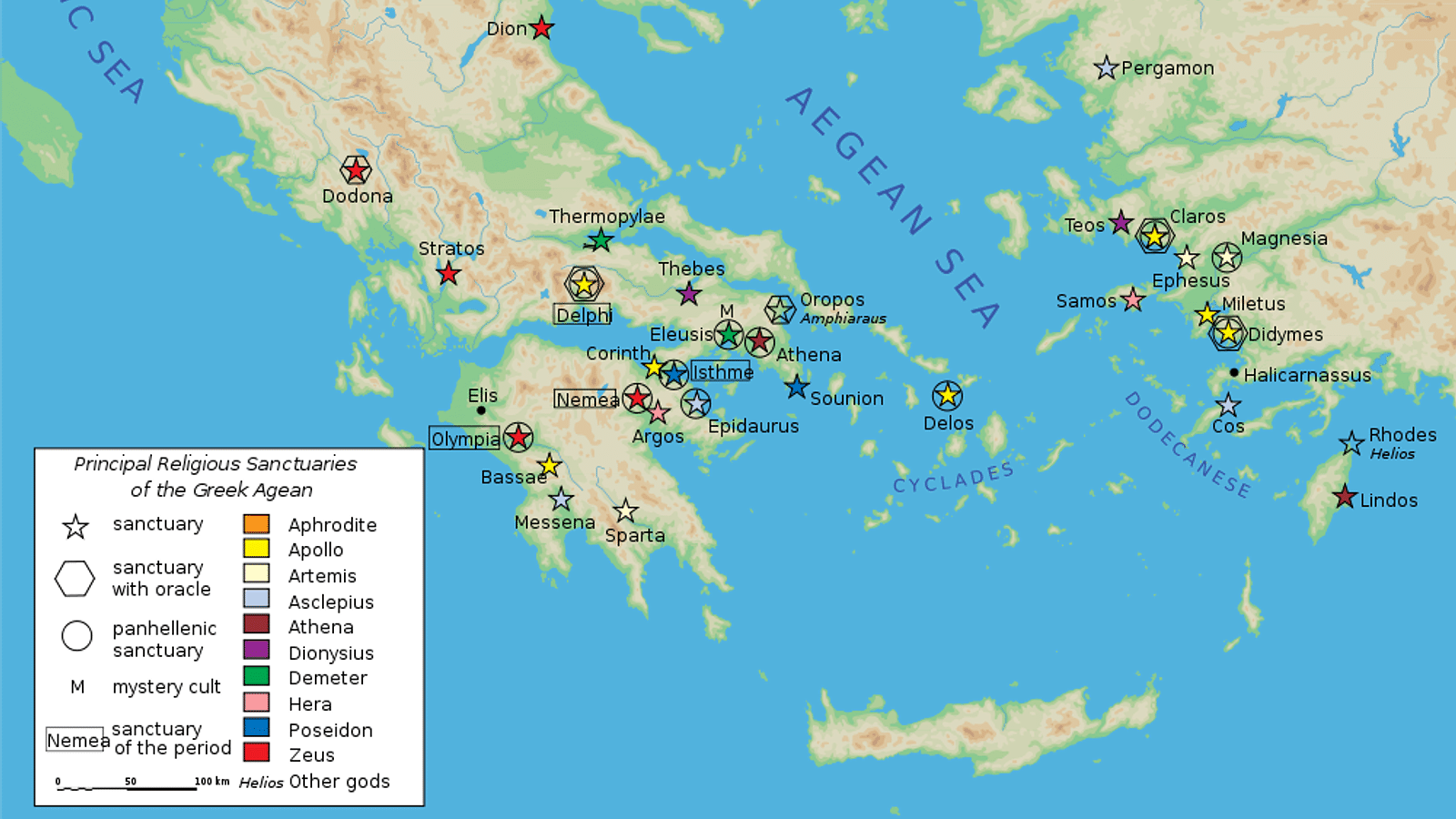
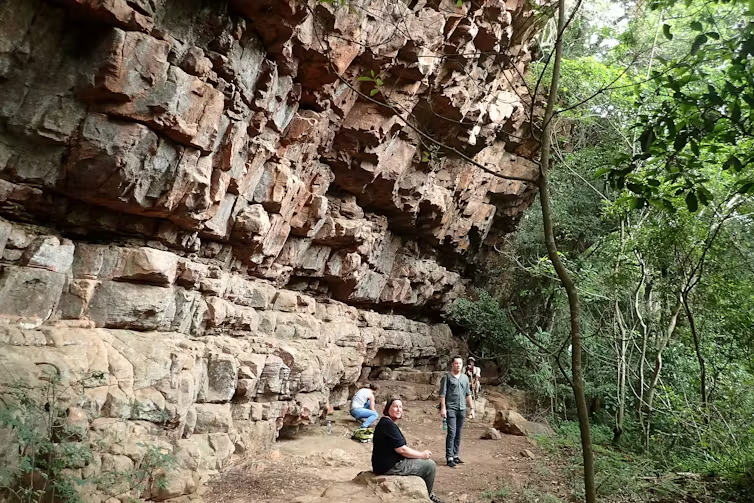
Hidden in the rugged landscape of Epirus, in northwestern Greece, lies one of the oldest oracular sanctuaries in the Greek world: the Oracle of Dodona. Long before Delphi rose to prominence, Dodona served as a sacred place where mortals sought the will of the gods. Though often overshadowed by the fame of Apollo’s oracle, Dodona held a unique and deeply archaic position in Greek religious life.

What distinguished Dodona was not grandeur or elaborate ritual, but its intimacy with nature. Here, divine messages were not spoken by an ecstatic prophetess inside a temple, but whispered through wind, leaves, birds, and bronze—an echo of a time when the gods were believed to speak directly through the natural world.

Origins and Early History

Dodona is widely considered the oldest oracle in Greece, with origins that may stretch back to the second millennium BCE, possibly even earlier. Homer refers to Dodona in both the Iliad and the Odyssey, describing it as the dwelling place of Zeus and his barefoot priests.

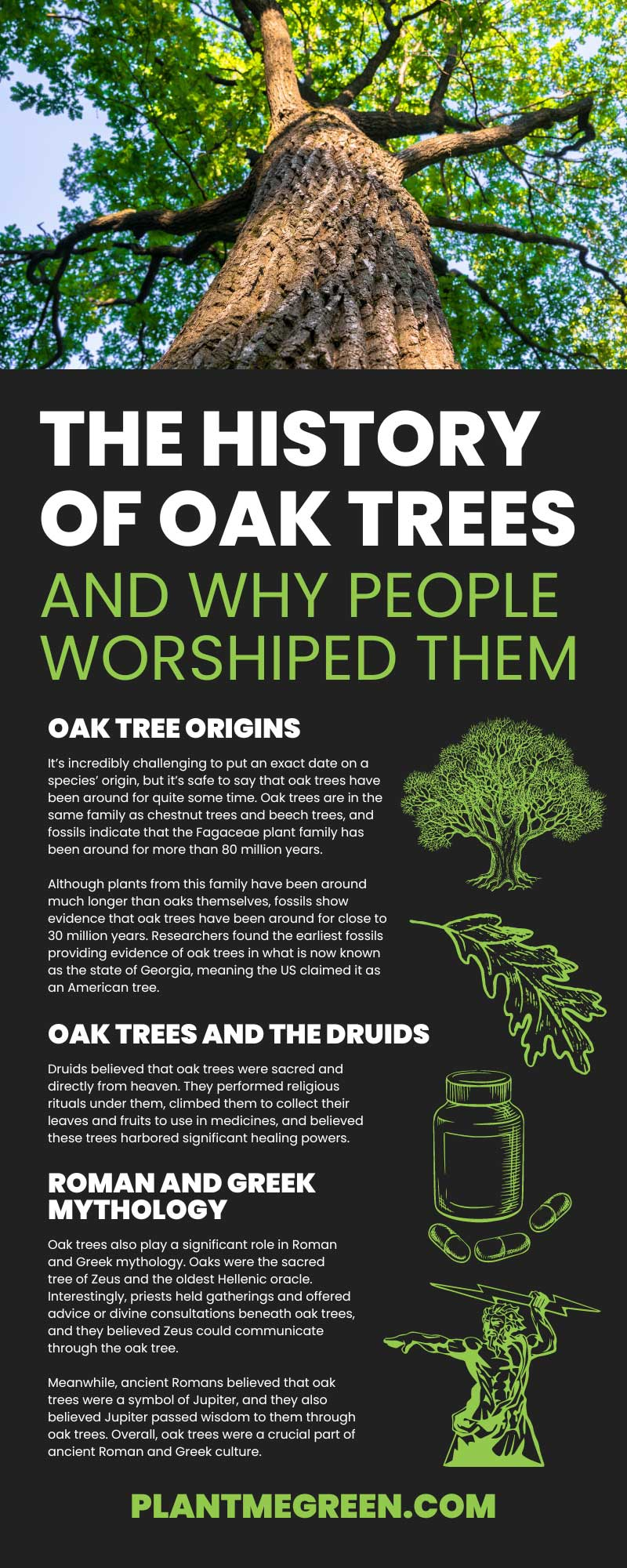
Unlike later, more formalized sanctuaries, Dodona likely began as a primitive sacred grove, centered around a single oak tree believed to be inhabited—or at least favored—by Zeus. This early form reflects a pre-Olympian religious layer of Greek belief, when worship was closely tied to natural phenomena rather than monumental architecture.

Dedication to Zeus and Dione

Dodona was dedicated primarily to Zeus Naios (Zeus of the Springs or Dwelling) and Dione, a goddess whose origins may predate Zeus himself. Some scholars interpret Dione as an ancient earth or fertility goddess later absorbed into Olympian religion.

This pairing is significant:

  • Zeus represented authority, order, and divine law

  • Dione embodied chthonic and feminine aspects of the sacred

Together, they reflect an older, more balanced divine structure than the later male-dominated Olympian pantheon.

How Prophecy Worked at Dodona

The oracle of Dodona was unique in its method of divination, relying entirely on natural signs.

The Sacred Oak Tree

At the heart of the sanctuary stood a massive oak tree. Prophecies were interpreted through:

  • The rustling of its leaves in the wind

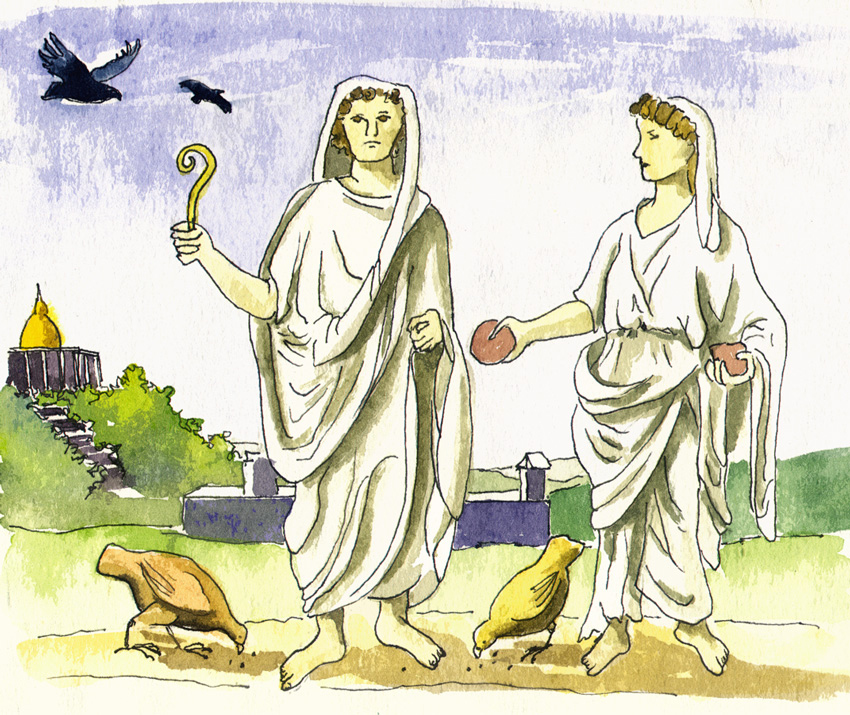
  • The movement and calls of birds nesting in its branches

These sounds were believed to be direct expressions of Zeus’s will.

The Selloi (Tomoroi) Priests

The priests of Dodona, known as Selloi or tomoroi, lived ascetic lives. Ancient sources describe them as sleeping on the ground and rarely washing their feet, emphasizing ritual purity and closeness to the earth.
They listened, observed, and translated natural phenomena into divine guidance—a form of prophecy deeply rooted in animism and early religious consciousness.
Lead Tablets: Questions from Ordinary People

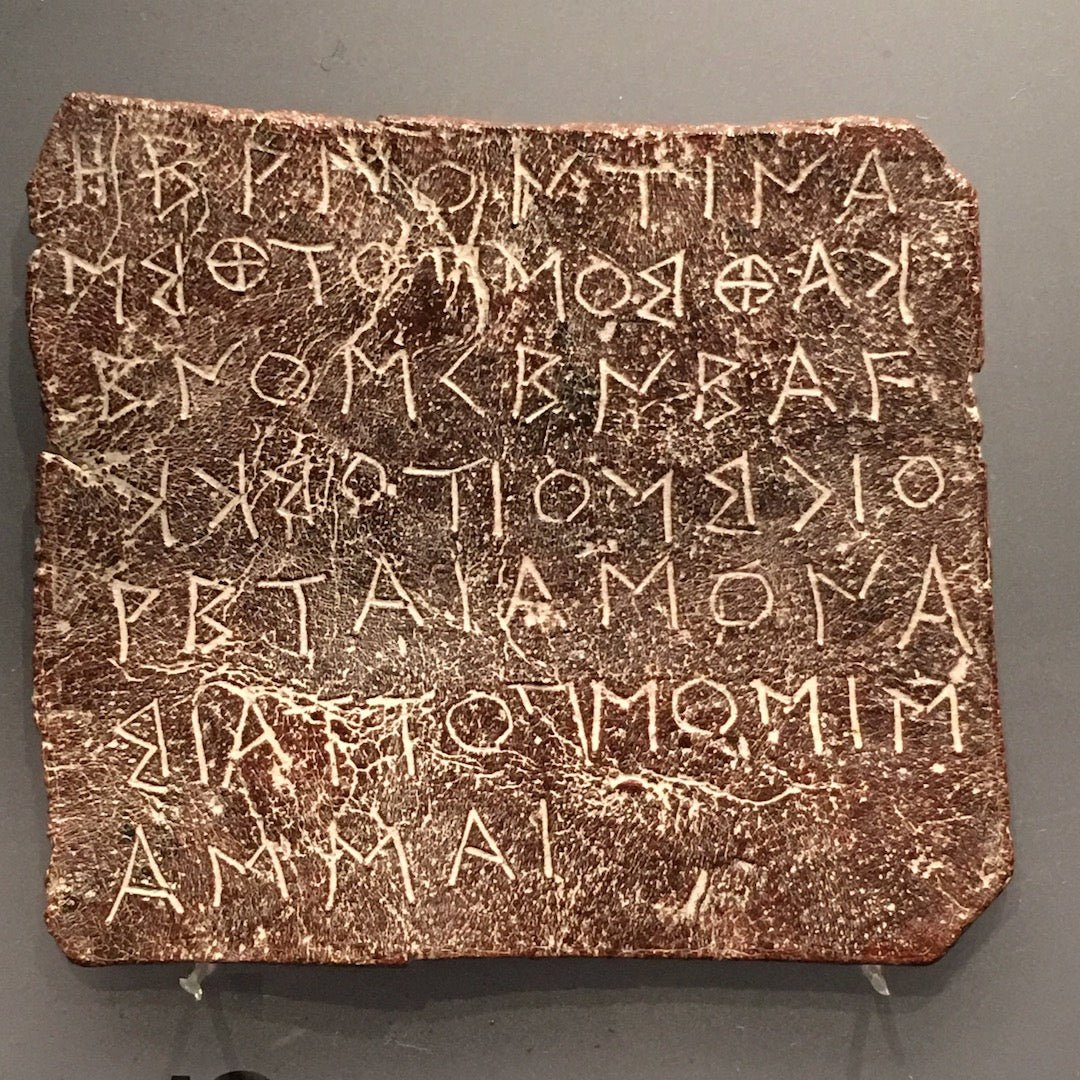
One of Dodona’s most remarkable archaeological discoveries is the large number of lead tablets inscribed with questions posed to the oracle. Unlike Delphi, where inquiries often came from kings and city-states, Dodona’s tablets reveal concerns of ordinary people.
Common questions included:

  • Marriage and family matters

  • Agriculture and livestock

  • Travel and trade

  • Health and legal disputes

These tablets offer rare insight into everyday life in ancient Greece and show that Dodona was a people’s oracle, deeply woven into daily decision-making.

Dodona and Delphi: A Comparison of Two Oracles

Although both sanctuaries served prophetic functions, they represented very different religious philosophies.

Method of Divination

  • Dodona: Interpretation of natural sounds (wind, leaves, birds)

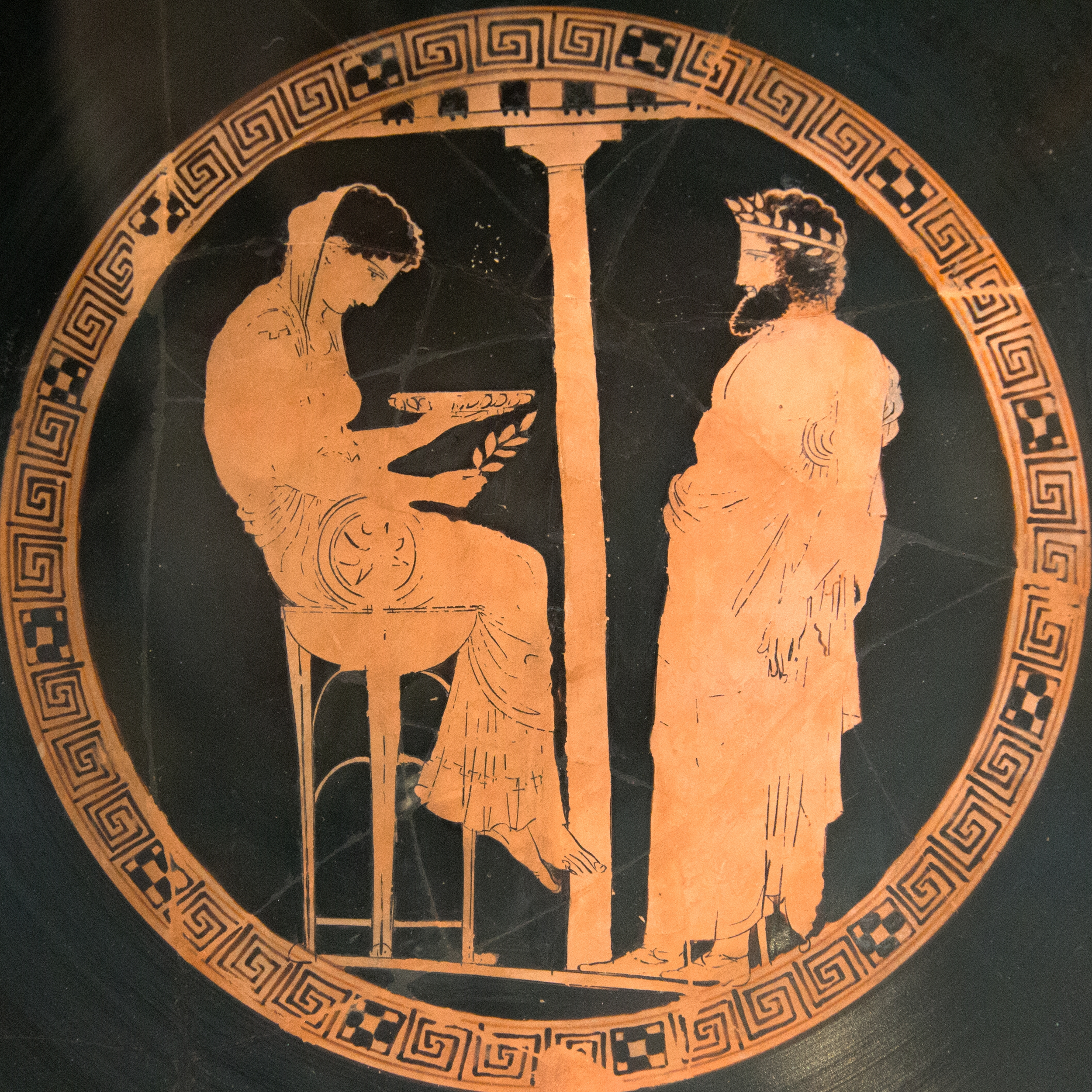
  • Delphi: Trance-induced prophecy delivered by the Pythia

Divine Patron

  • Dodona: Zeus (authority, cosmic order)

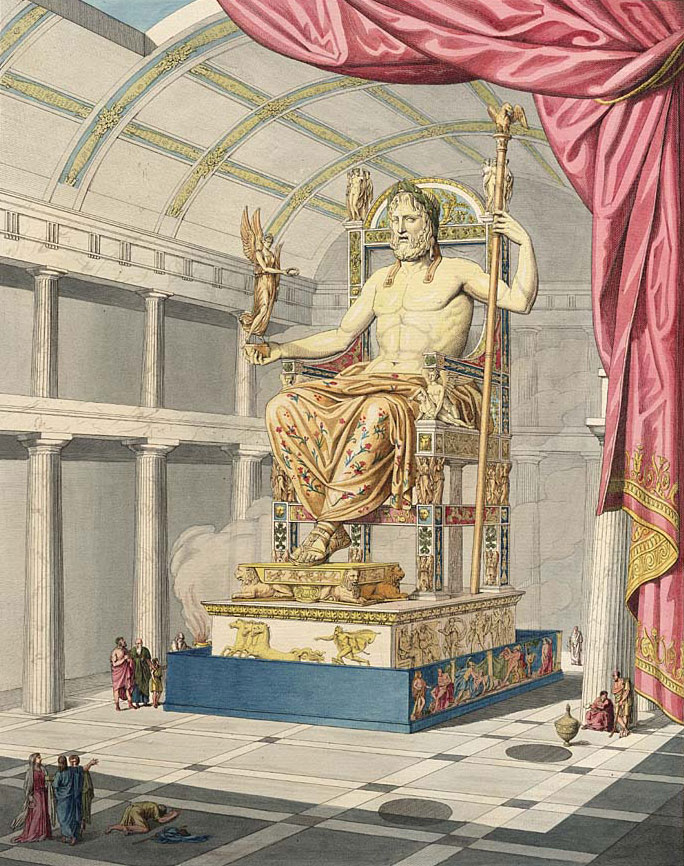
  • Delphi: Apollo (reason, clarity, intellect)

Physical Setting

  • Dodona: Open-air sanctuary centered on a sacred tree

  • Delphi: Monumental temple complex with structured ritual

Social Reach

  • Dodona: Primarily regional, personal, communal

  • Delphi: Pan-Hellenic, political, international

Together, they show the plurality of Greek religion, where different forms of divine communication coexisted rather than competed.

Architectural Development of the Sanctuary

Though originally a natural sacred site, Dodona evolved architecturally over time. By the Classical and Hellenistic periods, the sanctuary included:

  • A temple of Zeus

  • A large theater (one of the biggest in ancient Greece)

  • Stoas and administrative buildings

These additions reflect Dodona’s growing importance and its integration into wider Greek religious and cultural life.

Decline During the Roman and Christian Periods

Dodona remained active into the Roman era, though its influence gradually waned. The rise of Christianity in the late Roman period led to the systematic suppression of pagan sanctuaries.

The sacred oak was reportedly cut down, and the oracle fell silent. Yet its memory endured in ancient literature, inscriptions, and local tradition.

Legacy and Historical Importance

The Oracle of Dodona offers a rare window into early Greek spirituality, before religion became formalized and institutionalized. It represents a worldview where:

  • Nature was alive with divine presence

  • Humans listened rather than commanded

  • Prophecy was subtle, ambiguous, and personal

Modern archaeology continues to uncover inscriptions, structures, and artifacts that deepen our understanding of how ancient Greeks related to their gods—not through spectacle, but through listening.

Conclusion: The Oracle That Spoke Through the Win

Though eclipsed by Delphi in later centuries, Dodona remains one of the most evocative religious sites of the ancient world. Its oracle reminds us that prophecy did not always thunder from temples—it sometimes whispered through leaves.

In Dodona, the divine voice was not human, but natural. And in that quiet exchange between wind, oak, and listener, we glimpse one of humanity’s oldest attempts to understand the will of the gods.

Sources & References

  • Encyclopaedia Britannica – Dodona
    https://www.britannica.com/place/Dodona

  • Homer – Iliad and Odyssey (references to Dodona)

  • Parker, R. – On Greek Religion
    Cornell University Press

  • Eidinow, E. – Oracles, Curses, and Risk among the Ancient Greeks
    Oxford University Press

  • Greek Ministry of Culture – Archaeological Site of Dodona
    https://www.culture.gov.gr

  • National Archaeological Museum of Athens – Dodona Lead Tablets

The Sacred Geometry of Ancient Temples

Introduction: Architecture as a Reflection of the Cosmos

Since antiquity, sacred geometry has played a fundamental role in the design and construction of temples, pyramids, and monumental religious structures. For ancient civilizations, architecture was never merely functional or decorative—it was a symbolic act. By embedding mathematical order into stone, builders sought to mirror the structure of the cosmos itself.

Sacred spaces were conceived as points of alignment between heaven and earth. Geometry, number, and proportion were believed to carry metaphysical meaning, allowing human-made structures to resonate with divine order. Across cultures and continents, remarkably similar principles emerged, suggesting a shared belief that mathematics was the language of the universe.

What Is Sacred Geometry?

Sacred geometry refers to geometric forms, ratios, and patterns believed to possess spiritual or cosmic significance. These forms were not abstract concepts but practical tools used in architecture, art, and ritual design.

Key elements of sacred geometry include:

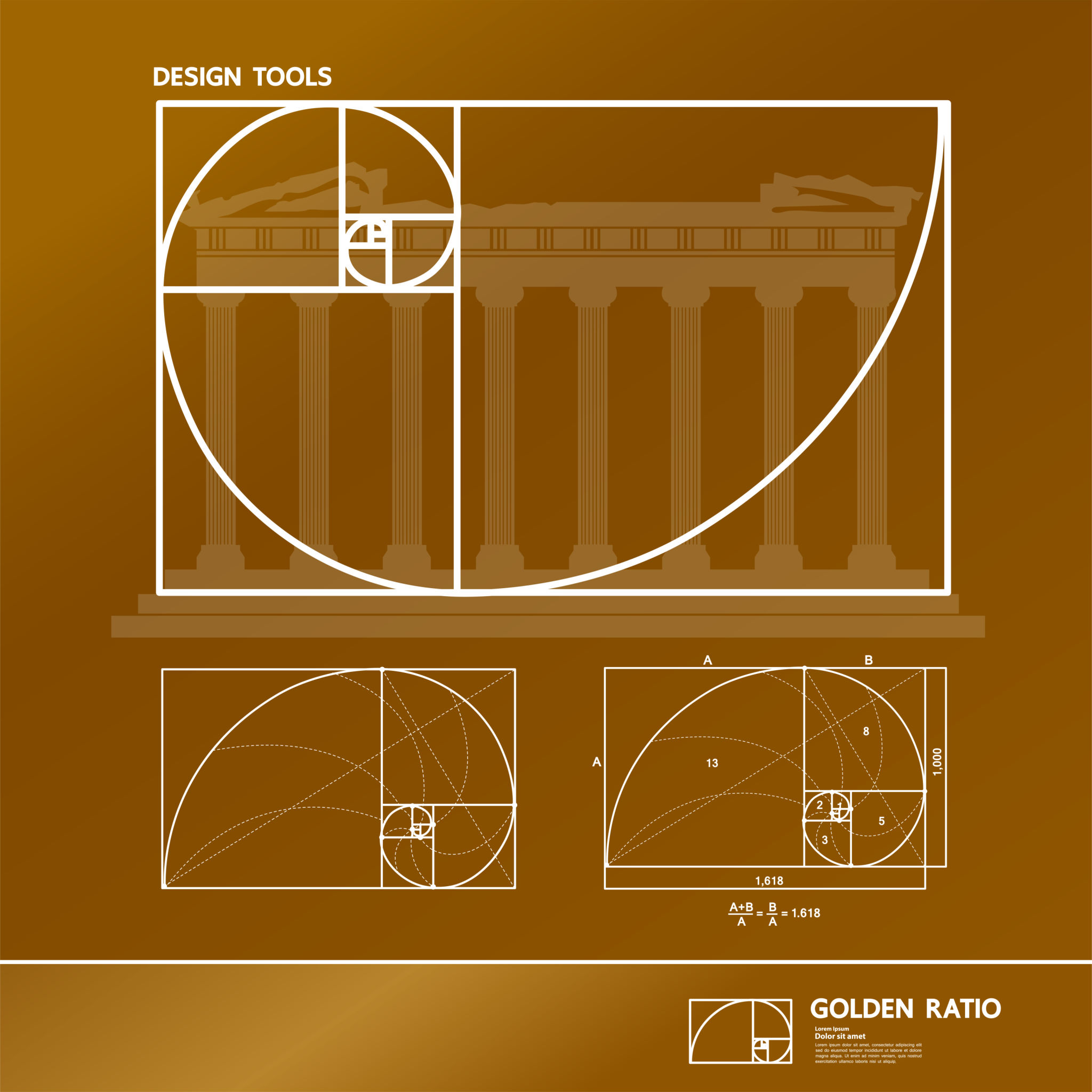
  • The Golden Ratio (φ ≈ 1.618): Associated with natural growth patterns and aesthetic harmony

  • The Fibonacci Sequence: A numerical pattern reflected in plants, shells, and galaxies

  • Platonic Solids: Geometric forms linked by ancient philosophers to the elements of reality

  • Circles, squares, and triangles: Considered archetypal shapes representing unity, stability, and transformation

Ancient builders believed that using these proportions could create spaces that felt ordered, balanced, and spiritually charged.

Sacred Geometry and Ancient Worldviews

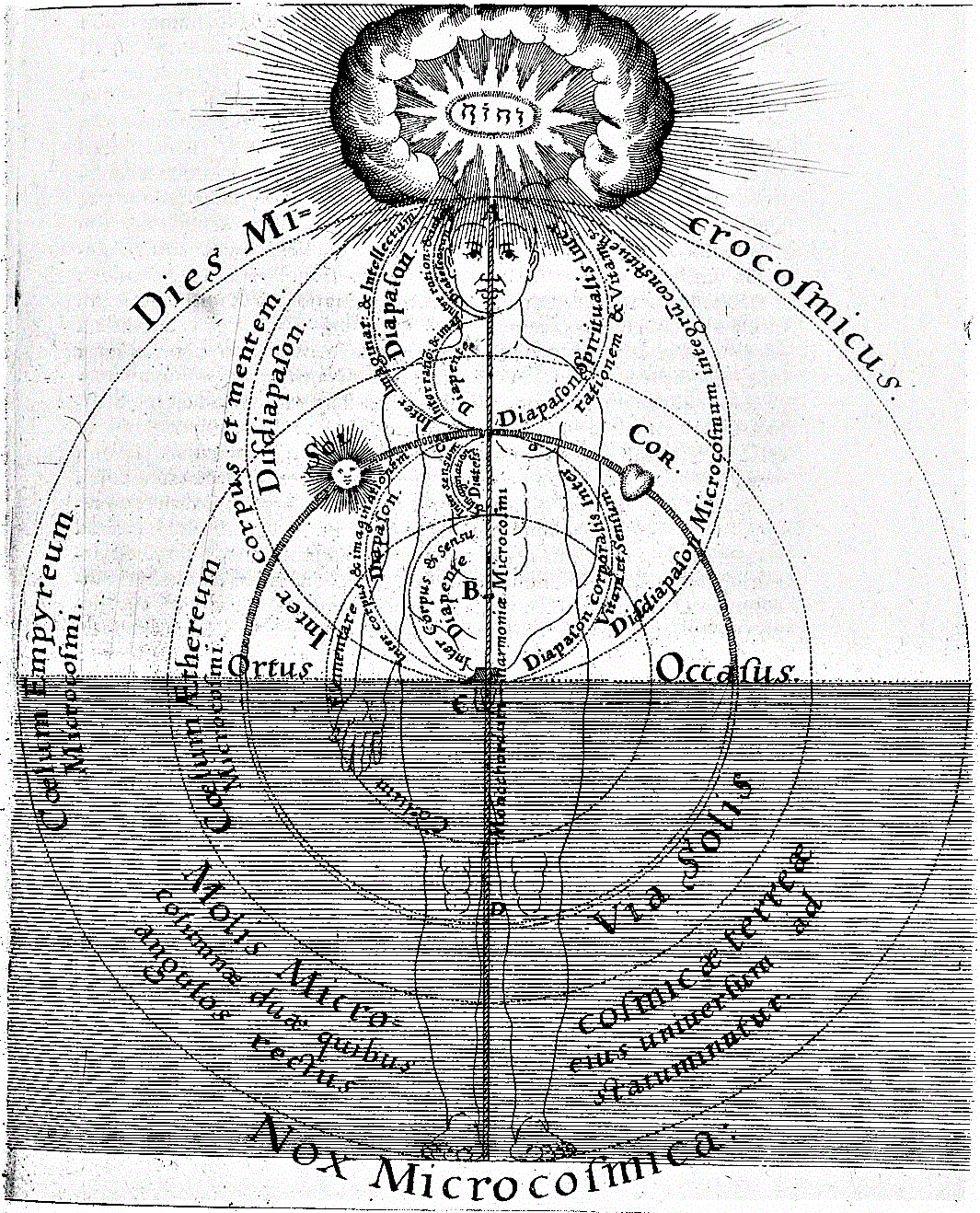
In many ancient cultures, the universe was understood as an ordered system governed by mathematical laws. Humans were viewed as a microcosm reflecting the macrocosm of the heavens. Sacred buildings functioned as symbolic models of the universe—places where cosmic harmony could be experienced directly.

This worldview explains why temples were often aligned with:

  • Solstices and equinoxes

  • Cardinal directions

  • Stellar constellations

  • Planetary cycles

Geometry provided the framework through which cosmic order was translated into physical space.

The Pyramids of Egypt: Geometry and Eternity

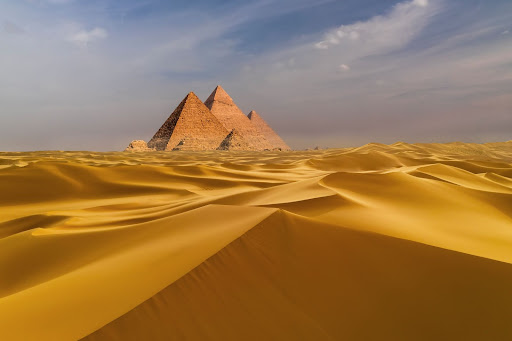
The Great Pyramid of Giza stands as one of the most powerful expressions of sacred geometry in human history. Its proportions closely approximate the golden ratio, and its orientation aligns with astonishing precision to the cardinal directions.

Key geometric and symbolic features include:

  • A base-to-height ratio reflecting φ

  • Possible alignment with the stars of Orion’s Belt

  • A square base symbolizing Earth and stability

  • An apex pointing toward the heavens, symbolizing ascent and immortality

For the ancient Egyptians, geometry was inseparable from Ma’at—the principle of cosmic balance and order. The pyramid was not merely a tomb, but a metaphysical machine designed to facilitate the pharaoh’s transition into the divine realm.

Greek Temples: Harmony, Proportion, and the Human Ideal

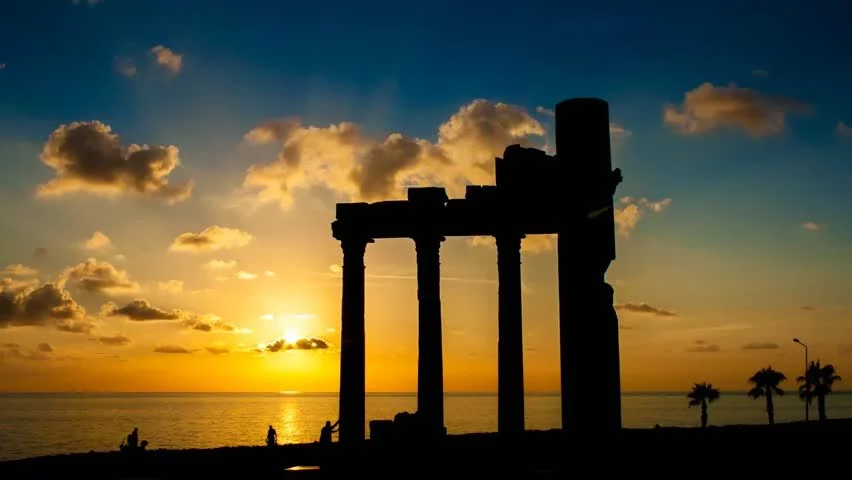
Ancient Greek architecture elevated sacred geometry into a philosophy of beauty and reason. Temples such as the Parthenon were constructed using precise ratios that created visual harmony and balance.

Greek architects employed:

  • The golden ratio in façade proportions

  • Subtle curvature (entasis) to counter optical illusion

  • Mathematical relationships between column spacing, height, and width

To the Greeks, beauty was a reflection of truth. A mathematically harmonious temple was believed to elevate the soul, aligning human perception with universal order.

Hindu Temples: Geometry as Cosmic Blueprint

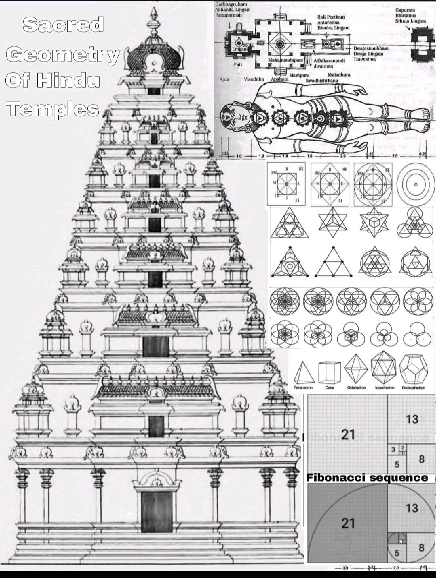
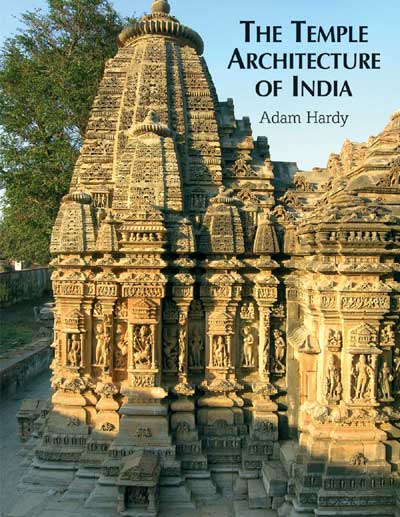
Hindu temple architecture is among the most explicitly geometric in the ancient world. At its core lies the Vastu Purusha Mandala—a sacred square grid representing the cosmos and the divine presence within it.

Key principles include:

  • A central point (bindu) symbolizing the origin of creation

  • Symmetrical grids governing layout and orientation

  • Vertical alignment symbolizing the ascent from material to spiritual

Every element of a Hindu temple, from the foundation to the spire (shikhara), is designed to guide worshippers inward—physically and spiritually—toward cosmic unity.

Gothic Cathedrals: Geometry in Light and Stone

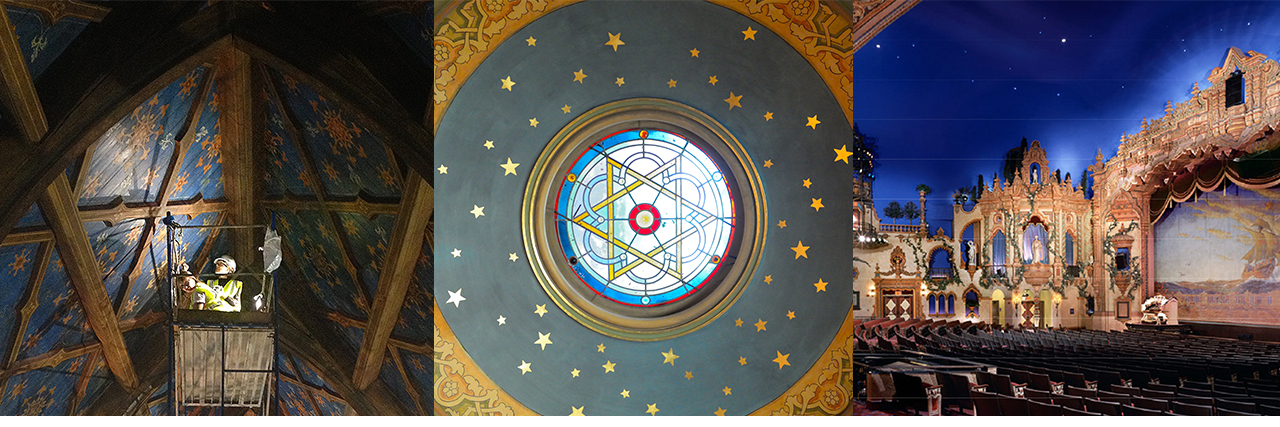
During the medieval period, sacred geometry re-emerged in the great Gothic cathedrals of Europe. Structures such as Chartres Cathedral and Notre Dame incorporated complex geometric schemes into their floor plans, elevations, and stained glass.

Distinctive features include:

  • Cruciform layouts based on geometric ratios

  • Rose windows built on circular symmetry

  • Vertical proportions emphasizing transcendence

  • Light used as a symbolic manifestation of the divine

For medieval builders, geometry was a form of prayer—a means of expressing God’s perfection through number and proportion.

Cosmic Symbolism and Spiritual Function

Across cultures, sacred geometry served a shared purpose: to transform architecture into a spiritual interface. Temples were designed to resonate with cosmic rhythms, drawing divine energy into the human realm.

By replicating celestial order on Earth, ancient societies believed they could:

  • Maintain harmony between nature and civilization

  • Legitimize religious and political authority

  • Create environments conducive to spiritual awakening

Sacred buildings were not passive structures—they were active participants in religious life.

Enduring Influence of Sacred Geometry

Even in the modern world, sacred geometry continues to influence architecture, art, and spiritual practice. From contemporary sacred spaces to holistic design and meditation practices, these ancient principles persist.

Their survival suggests something profound: geometry speaks to a universal human intuition—one that recognizes order, beauty, and meaning in mathematical form.

Conclusion: Mathematics as the Bridge Between Worlds

The sacred geometry of ancient temples reveals how deeply early civilizations understood the relationship between mathematics, nature, and spirituality. By embedding cosmic order into stone, they created spaces that transcended time, culture, and belief.

These structures stand as reminders that long before modern science, humanity sought to understand the universe—not only through observation, but through sacred design. In their geometry, we find a timeless dialogue between the human mind and the cosmos.

Sources & References

  • Encyclopaedia Britannica – Sacred Geometry
    https://www.britannica.com/topic/sacred-geometry

  • Encyclopaedia Britannica – Great Pyramid of Giza
    https://www.britannica.com/topic/Great-Pyramid-of-Giza

  • Markowsky, G. – Misconceptions About the Golden Ratio
    Mathematical Association of America

  • UNESCO World Heritage Centre – Parthenon and Acropolis
    https://whc.unesco.org

  • Kramrisch, S. – The Hindu Temple
    Motilal Banarsidass

  • Bony, J. – French Gothic Architecture
    University of California Press

The Mysterious Stone Circles of Nabta Playa

Introduction: A Monument Hidden in the Desert

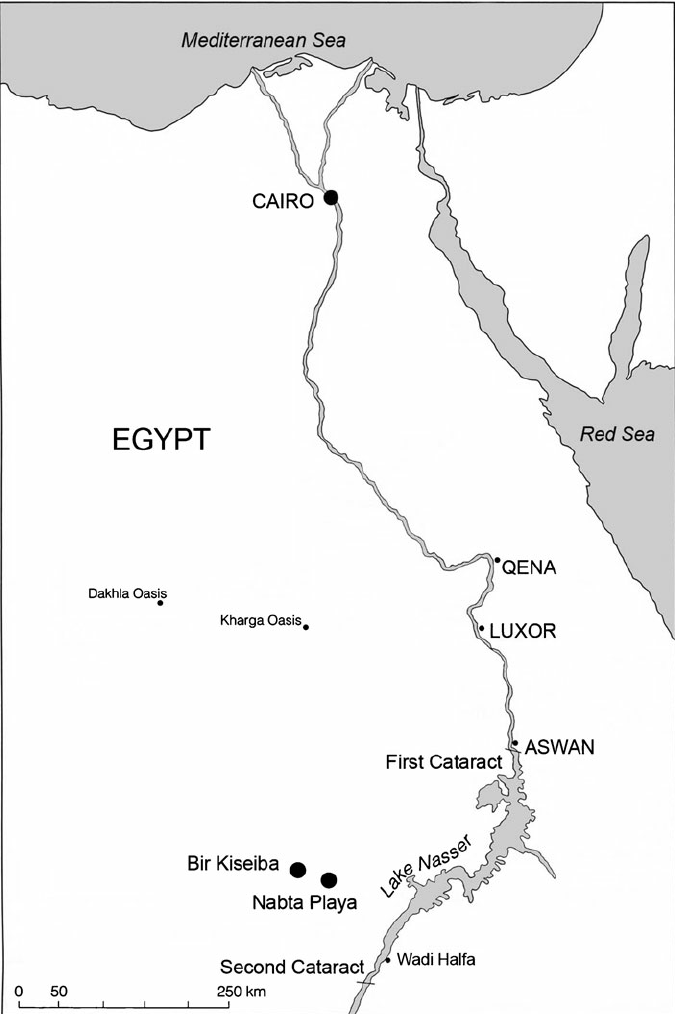
Deep in the Nubian Desert of southern Egypt lies one of the oldest known astronomical sites in the world: Nabta Playa. Long before the rise of pharaonic Egypt—and more than a millennium before Stonehenge—prehistoric communities erected carefully arranged stone circles that reveal an advanced understanding of astronomy, ritual, and social organization.

Dating to around 6,000 BCE, Nabta Playa challenges traditional narratives about the origins of science and civilization. Far from being primitive nomads, the people who built this site demonstrated mathematical planning, celestial observation, and symbolic thinking on a remarkable scale.

Geographic and Environmental Context

Nabta Playa is located approximately 100 kilometers west of Abu Simbel, near Egypt’s southern border with Sudan. Today the region is arid and inhospitable, but during the early Holocene period it experienced a much wetter climate. Seasonal monsoons created lakes and grasslands, supporting cattle herding and semi-sedentary communities.

These environmental conditions allowed human populations to settle, observe seasonal cycles, and develop systems to predict rainfall—an essential skill for survival in a landscape that could rapidly shift from fertile to unforgiving.

The Stone Circles of Nabta Playa

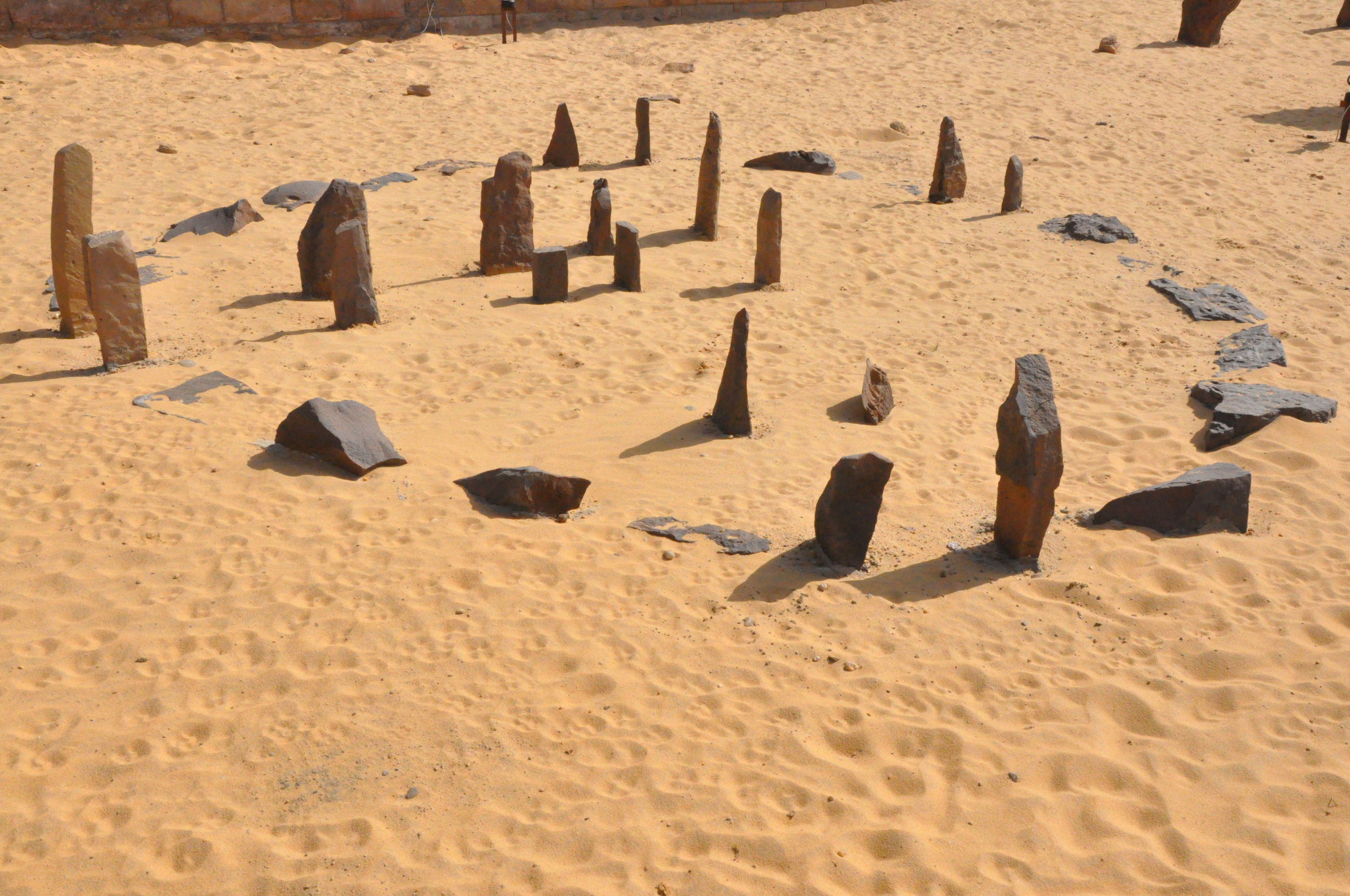
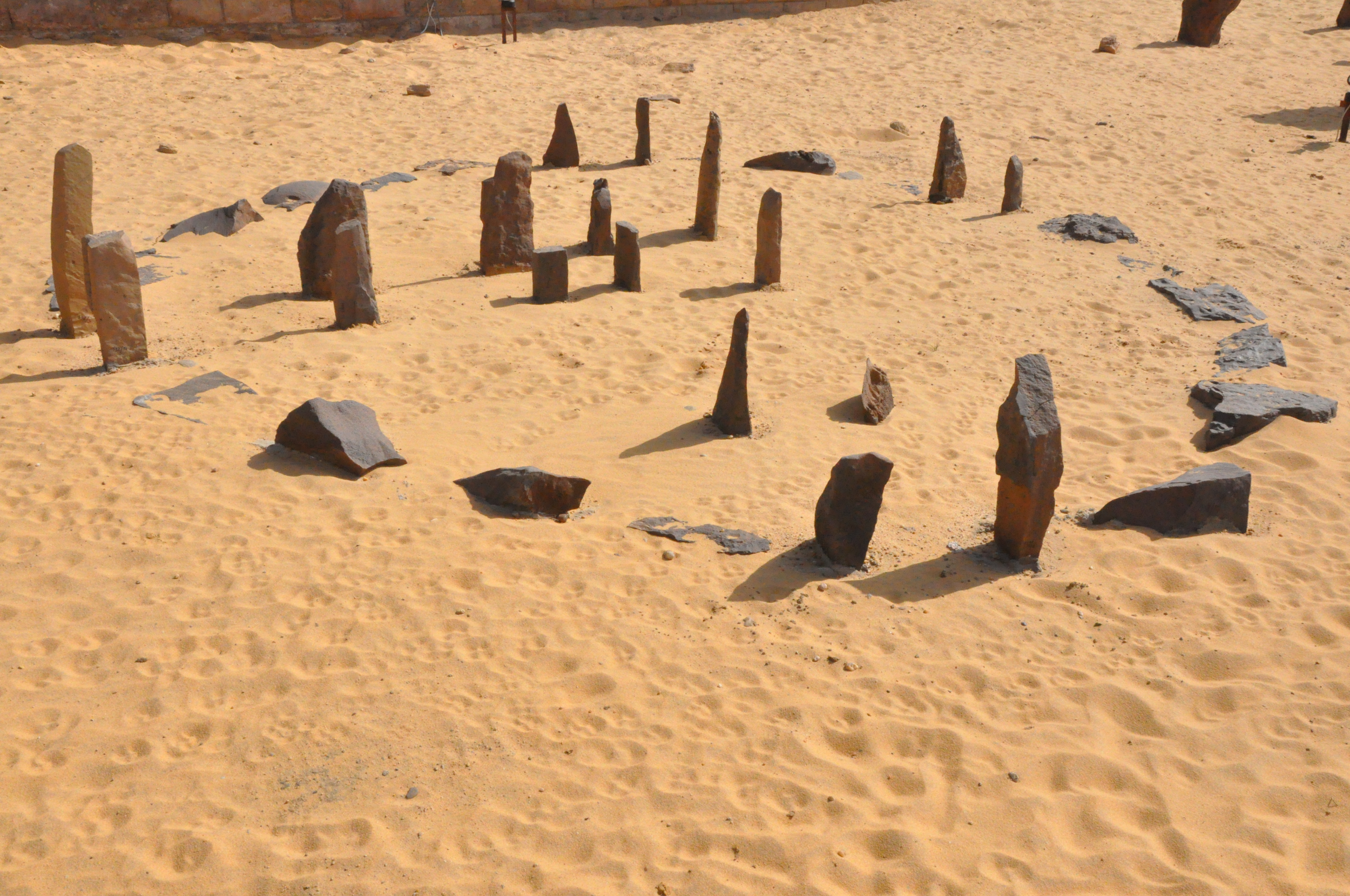
At the heart of the site lies a megalithic stone circle, composed of upright slabs arranged with deliberate precision. While modest in size compared to later monuments, the sophistication of its layout is extraordinary for its age.

Archaeological surveys have identified:

  • Stone circles and alignments

  • Large standing megaliths

  • Subsurface stone structures

  • Cattle burials and ritual deposits

The stones were transported from nearby areas, shaped, and positioned in ways that suggest careful planning rather than random placement.

Astronomy: A Prehistoric Astronomical Observatory?

Many researchers believe Nabta Playa functioned as an early astronomical observatory. Certain stone alignments correspond closely with the summer solstice, marking the time when monsoon rains would arrive—a critical event for pastoral societies dependent on water and grazing land.

Some studies also suggest alignments with prominent stars, possibly including Orion’s Belt, which later held deep symbolic significance in ancient Egyptian cosmology. If confirmed, this would indicate a continuity of astronomical tradition stretching thousands of years.

This level of celestial awareness implies:

  • Long-term observation of the sky

  • Intergenerational transmission of knowledge

  • The use of astronomy for practical and ritual purposes

Social Organization and Technical Skill

Constructing the stone circles required cooperation, planning, and leadership. The transport and placement of large stones suggest:

  • Coordinated labor

  • Shared cultural goals

  • Emerging social hierarchies

These were not isolated acts of creativity, but the result of organized communities capable of abstract thinking and collective action—key elements of early civilization.

Cultural and Religious Significance

Beyond its astronomical function, Nabta Playa likely served as a ceremonial and religious center. Excavations uncovered cattle burials beneath stone structures, pointing to ritual practices tied to fertility, survival, and cosmic order.

The alignment of stones with celestial events suggests a worldview in which:

  • The heavens influenced life on Earth

  • Seasonal cycles carried spiritual meaning

  • Ritual reinforced social cohesion

This integration of astronomy and belief predates similar practices in Mesopotamia and Europe, highlighting Africa’s early role in shaping humanity’s relationship with the cosmos.

Nabta Playa and the Origins of Egyptian Civilization

Some scholars argue that Nabta Playa represents a cultural precursor to ancient Egypt. The emphasis on celestial order, ritual landscapes, and symbolic architecture echoes concepts later central to Egyptian religion—particularly the connection between stars, rebirth, and divine authority.

As climate conditions deteriorated and the desert expanded, populations likely migrated toward the Nile Valley, carrying with them astronomical knowledge and ritual traditions that would eventually flourish along the river.

Why Nabta Playa Matters Today

Nabta Playa forces a reassessment of long-held assumptions about early science and civilization. It demonstrates that:

  • Advanced astronomical knowledge existed in Africa millennia before classical civilizations

  • Monumental architecture did not require agriculture-based states

  • Scientific observation and spirituality were deeply intertwined in prehistoric societies

The site remains an active area of research, with new technologies offering the potential to uncover further alignments, structures, and cultural insights.

Conclusion: Humanity’s Earliest Dialogue with the Stars

The stone circles of Nabta Playa stand as a powerful testament to humanity’s enduring quest to understand the universe. Built by prehistoric African societies with no written language and limited technology, these monuments reveal intellectual sophistication that rivals much later civilizations.

As research continues, Nabta Playa reminds us that the roots of astronomy, science, and symbolic thought stretch far deeper into human history than once believed—and that Africa played a foundational role in that story.

Sources & References

  • Encyclopaedia Britannica – Nabta Playa
    https://www.britannica.com/place/Nabta-Playa

  • UNESCO – Early Astronomical Sites in Africa
    https://whc.unesco.org

  • Wendorf, F., & Schild, R. – Holocene Settlement of the Egyptian Sahara
    Springer Academic Publications

  • National Geographic – Ancient African Astronomy
    https://www.nationalgeographic.com/history

  • Smithsonian National Museum of African Art – Prehistoric African Cultures
    https://africa.si.edu

  • Malville, J. McKim – Prehistoric Astronomy in Africa
    Academic Press

Ancient Roads and Bridges: Engineering the Foundations of Civilization

Introduction: Building Connections Before the Modern World

Throughout history, civilizations have demonstrated extraordinary ingenuity in the construction of roads and bridges—structures that made large-scale states, long-distance trade, and cultural exchange possible. Long before modern machinery, ancient engineers mastered stone, terrain, and geometry to create infrastructure that endured for centuries.

From the disciplined precision of Roman roadbuilding to the vast administrative highways of Persia and the elegant stone bridges of China, ancient transportation networks laid the foundations of the connected world. Many of these roads and bridges not only transformed their societies but continue to influence modern engineering principles today.

Roman Roads: The Backbone of an Empire

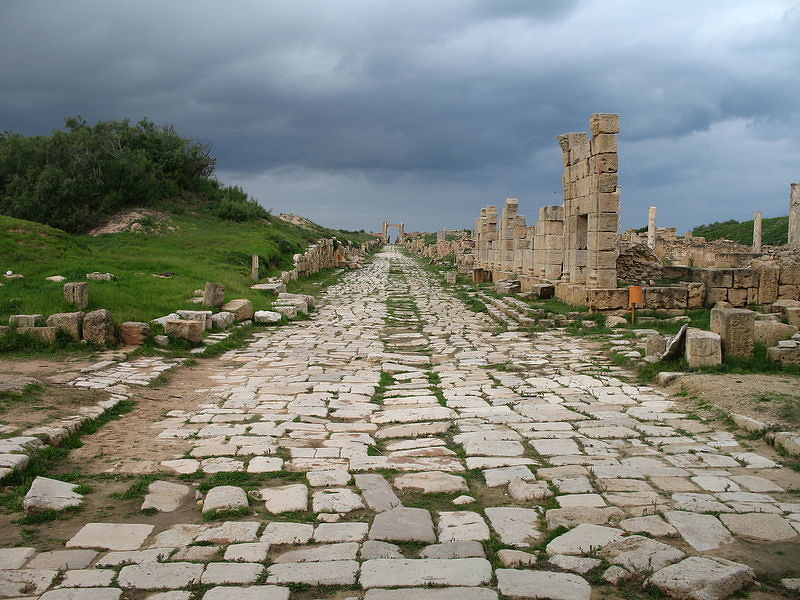
No ancient civilization matched Rome in the scale and durability of its road network. At its height, the Roman Empire maintained more than 400,000 kilometers of roads, with over 80,000 kilometers paved with stone. These roads bound together territories stretching from Britain to Mesopotamia.

Engineering and Construction Techniques

Roman roads were engineered for longevity rather than speed of construction. A typical Roman road consisted of multiple layers:

  • Statumen: a foundation of large stones

  • Rudus: crushed stone mixed with lime

  • Nucleus: compacted sand and gravel

  • Summum dorsum: large paving stones fitted tightly together

This layered system allowed roads to withstand heavy military traffic, weather, and centuries of use.

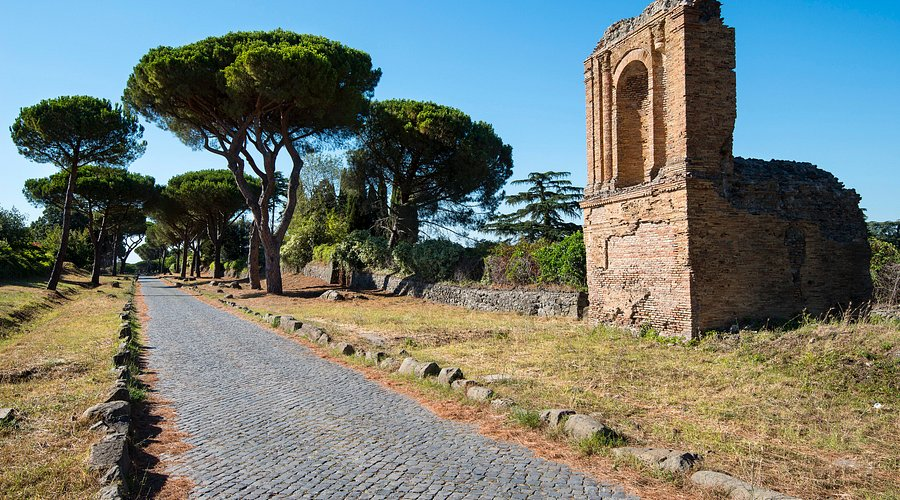
The Via Appia (Appian Way)

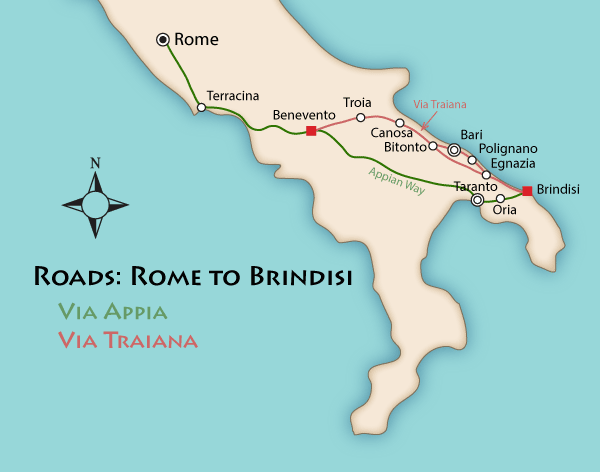
Built in 312 BCE, the Via Appia connected Rome to southern Italy and later extended to the port of Brundisium. It was one of the most strategically important roads in the Roman world, enabling rapid troop movements and secure supply lines.

Roman roads were also instruments of cultural integration. Along them traveled merchants, officials, messengers, religious ideas, languages, and laws. The phrase “All roads lead to Rome” reflects not poetry, but administrative reality.

Persian Highways: The Royal Road of the Achaemenid Empire

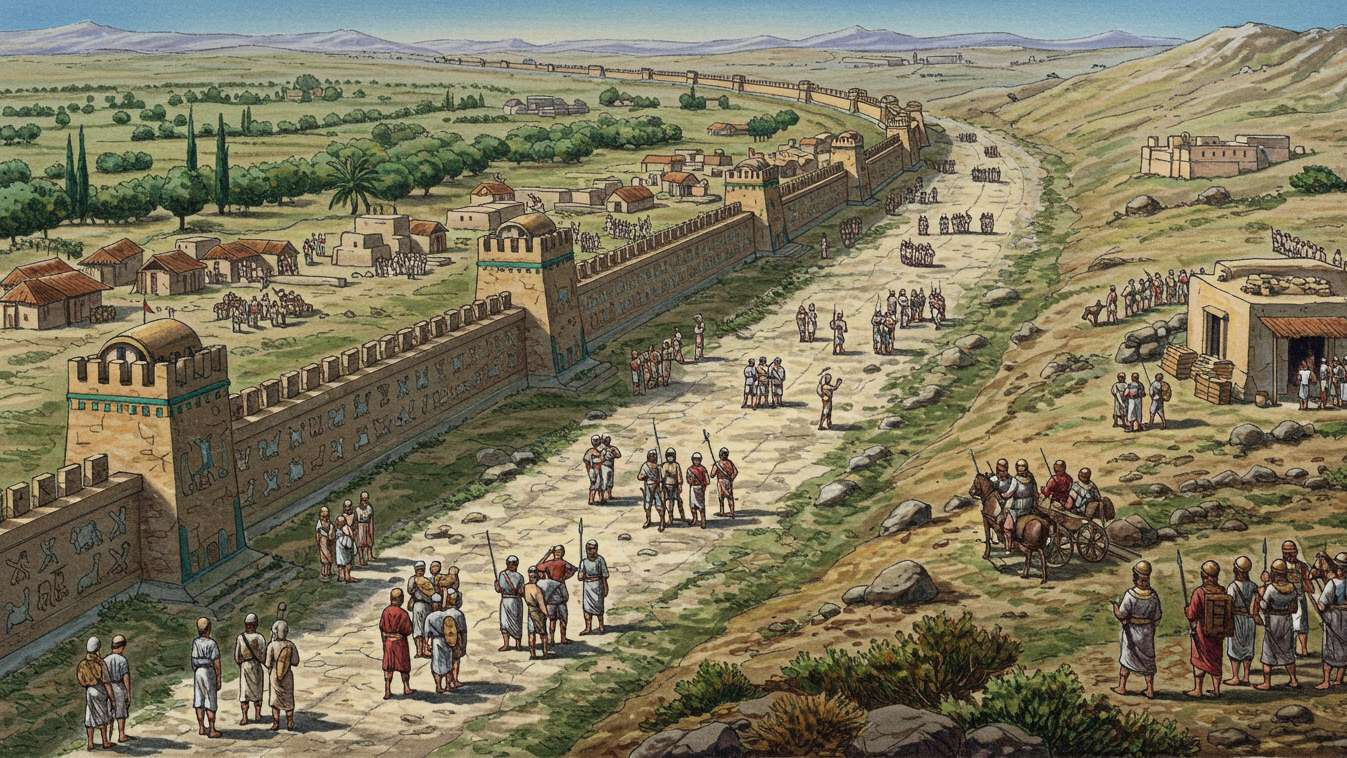
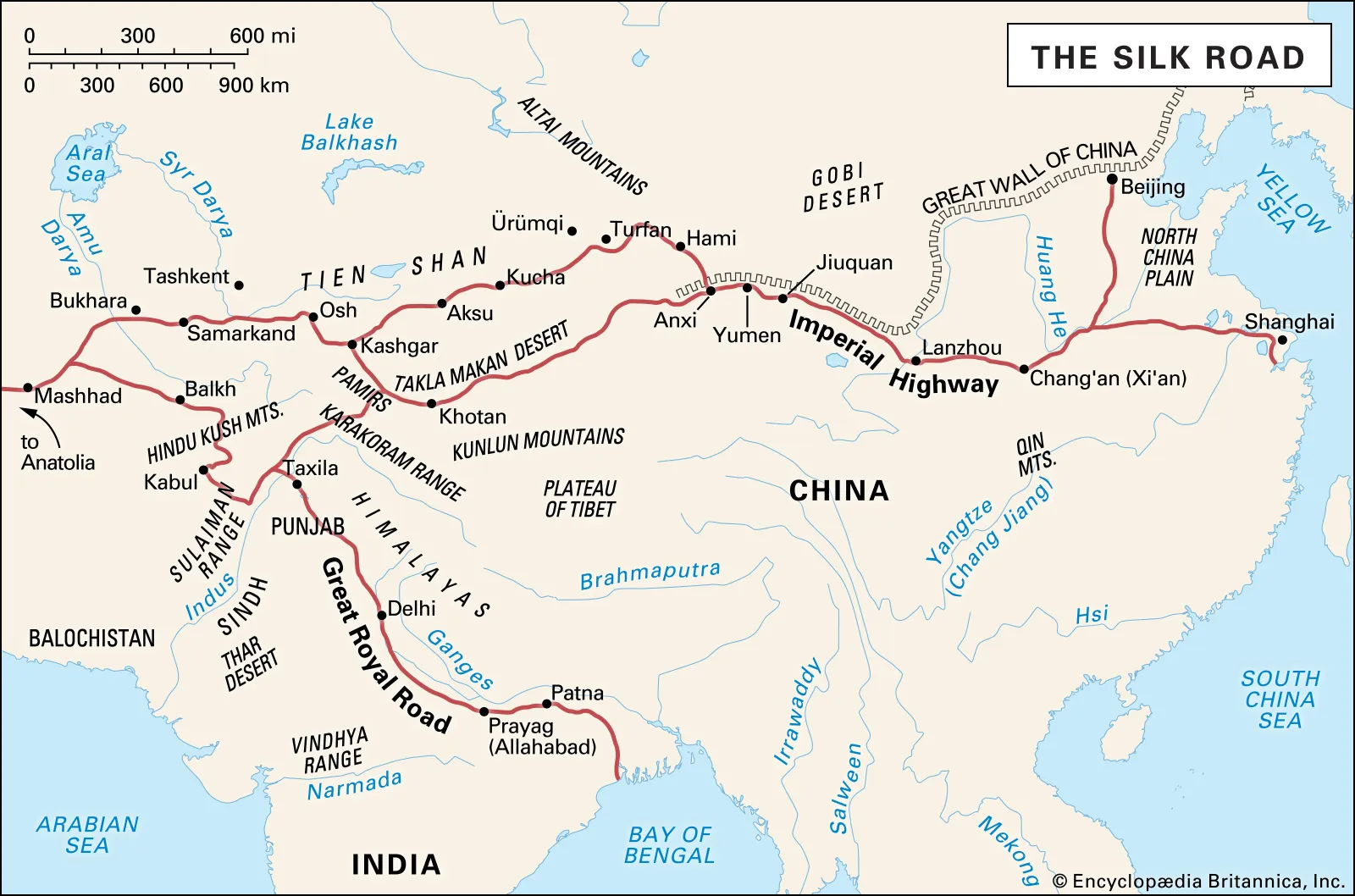
Centuries before Rome reached its peak, the Achaemenid Empire created one of the first true imperial road systems. Under King Darius I (r. 522–486 BCE), Persia connected its vast territories through a network of maintained highways.

The Royal Road

The most famous of these was the Royal Road, stretching approximately 2,700 kilometers from Sardis in Anatolia to Susa, one of the empire’s capitals.

Key features included:

  • Relay stations placed at regular intervals

  • Fresh horses and supplies for messengers

  • Guarded segments to ensure safety

Herodotus famously noted that Persian couriers could travel the length of the road in days rather than months—an unprecedented achievement in ancient logistics.

Administrative Power Through Infrastructure

The Royal Road was less about trade than control and communication. It allowed imperial decrees, tax records, and military orders to move rapidly across three continents. In this sense, Persian roads were an early form of state bureaucracy made physical.

Ancient Bridges: Engineering Over Nature

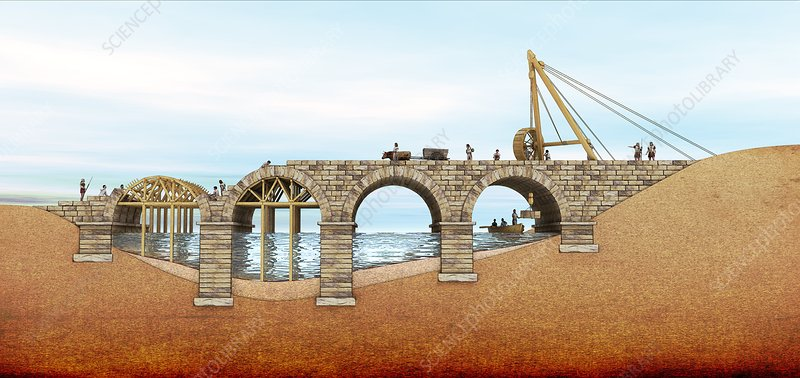
Bridges represented an even greater engineering challenge than roads. They required precise calculations, durable materials, and an understanding of forces—often without written mathematics. Several ancient bridges remain among the most impressive structures ever built.

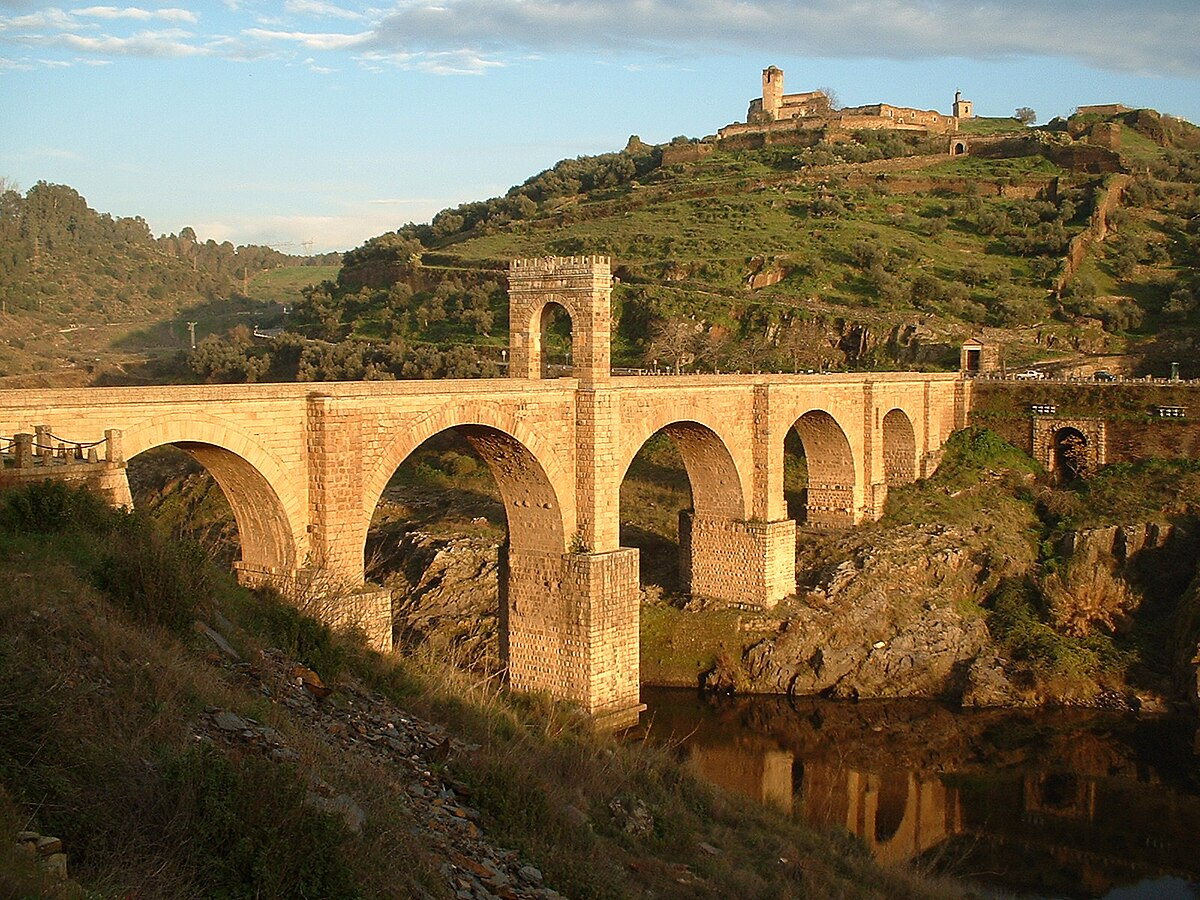
The Alcántara Bridge (Spain): Roman Mastery in Stone

Constructed in 106 CE under Emperor Trajan, the Alcántara Bridge spans the Tagus River in western Spain. Built entirely of granite and without mortar, it relies on perfectly cut stone blocks and the strength of the Roman arch.

Key features:

  • Six massive arches

  • A height of nearly 50 meters

  • A central triumphal arch dedicated to Trajan

Despite wars, floods, and partial destruction, the bridge still stands nearly intact—proof of Roman engineering precision.

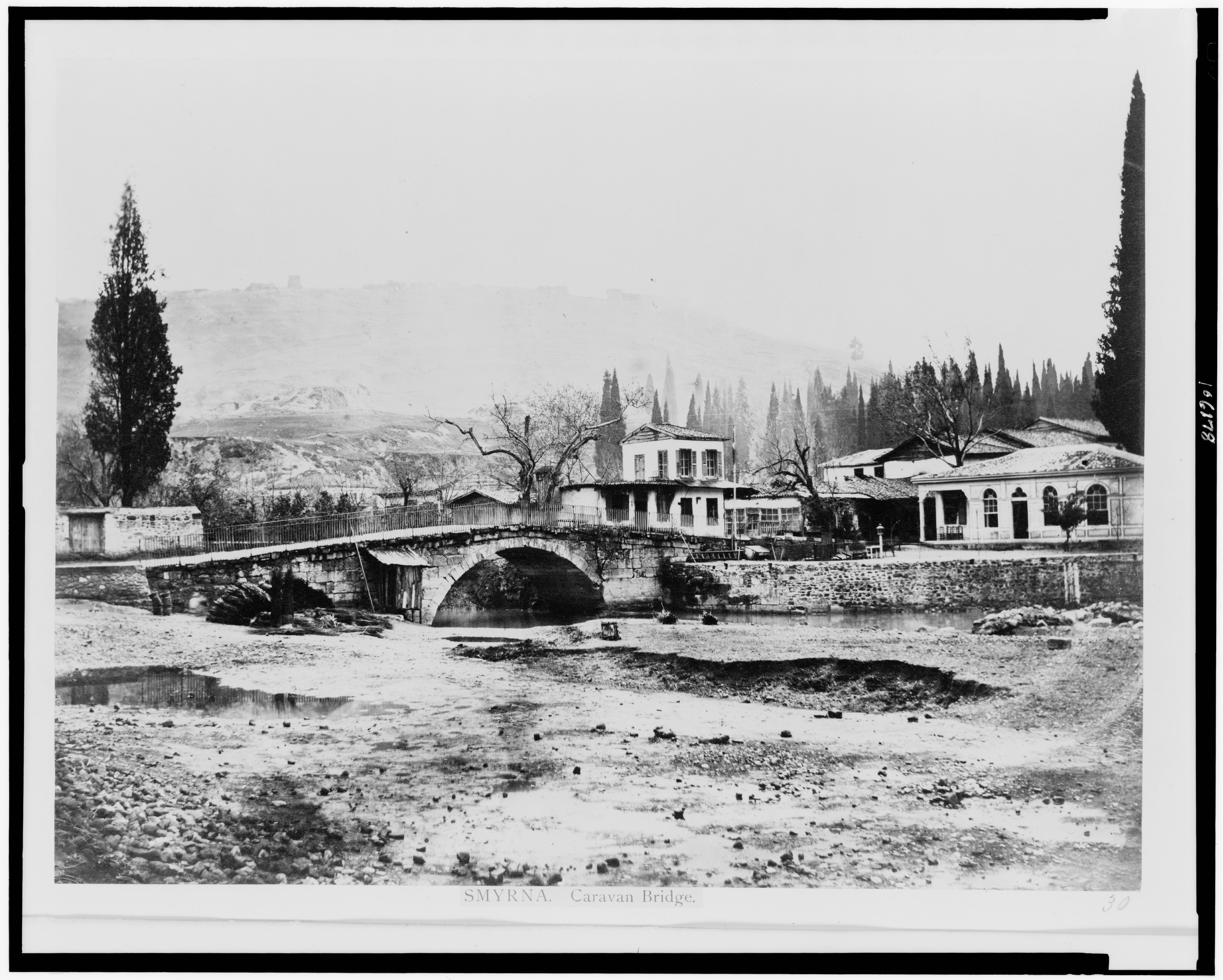
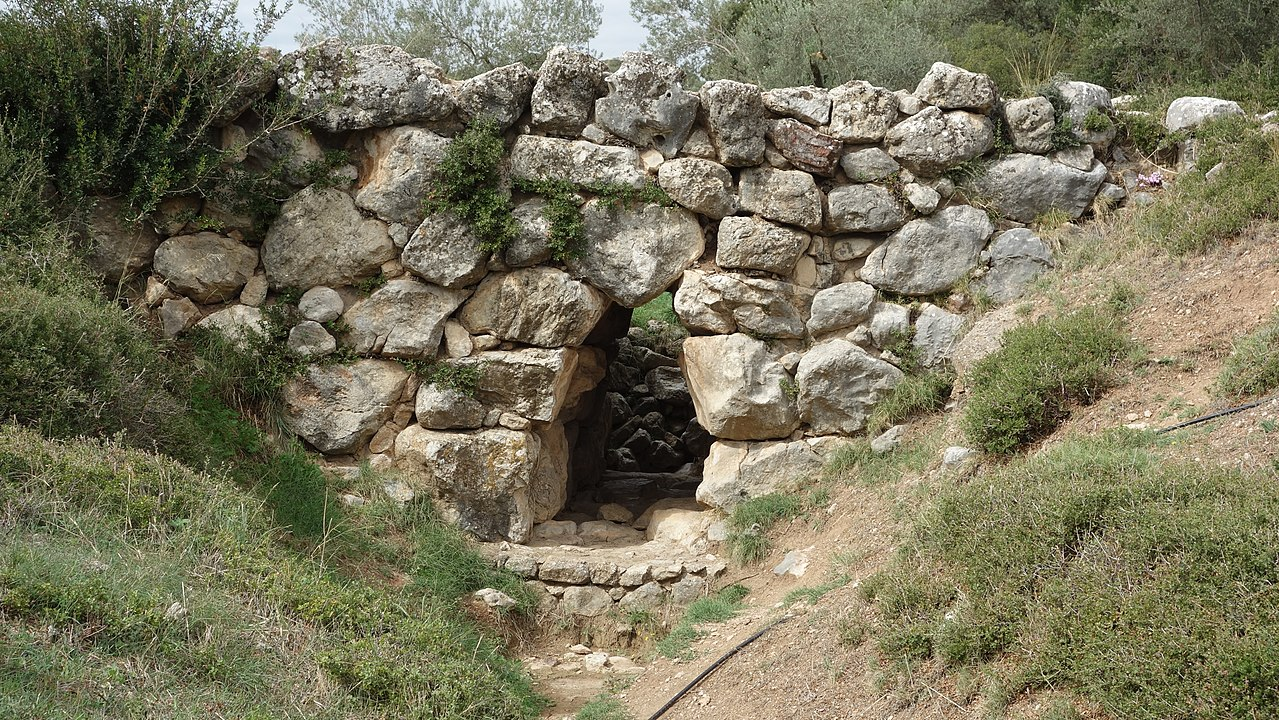
The Caravan Bridge (Turkey): A Survivor from the Bronze Age

Located near İzmir, the Caravan Bridge dates to approximately 850 BCE, making it one of the oldest bridges still in use. Built from stone blocks, it formed part of an ancient trade route used by merchants and caravans moving goods across Anatolia.

Its survival illustrates a recurring pattern in ancient infrastructure: simplicity combined with durability often outlasts complexity.

The Zhaozhou Bridge (China): Innovation Through Elegance

Completed in 605 CE during the Sui Dynasty, the Zhaozhou Bridge is the world’s oldest known open-spandrel segmental arch bridge. Unlike semicircular Roman arches, its flatter curve reduced material weight while maintaining strength.

Innovations included:

  • Open spandrels to reduce load

  • A shallow arch allowing floodwater to pass

  • Precise stone cutting without mortar

This design influenced bridge construction in East Asia for centuries and foreshadowed modern arch engineering.

Roads, Bridges, and Empire

Across civilizations, roads and bridges served three fundamental purposes:

  • Military mobility: rapid troop deployment and supply

  • Economic integration: movement of goods and taxation

  • Cultural exchange: spread of ideas, religions, and technology

Empires that invested in infrastructure could govern larger territories for longer periods. When roads decayed, control often followed.

Lasting Influence on the Modern World

Many modern highways still follow ancient routes laid down by Roman or Persian engineers. The principles they developed—graded roads, durable foundations, arches distributing weight—remain central to civil engineering today.

These structures remind us that technological progress is not always linear. In many cases, ancient builders achieved solutions that modern societies continue to admire, study, and replicate.

Conclusion: Engineering as Civilization’s Skeleton

Ancient roads and bridges were more than stone and mortar. They were instruments of power, symbols of order, and conduits of human connection. Through disciplined engineering and practical innovation, ancient civilizations shaped landscapes—and history itself.

The connected world we inhabit today rests on foundations laid thousands of years ago. In stone roads worn smooth by sandals and wheels, and in bridges that still span rivers long after their builders are gone, the ingenuity of ancient engineers continues to endure.

Sources & References

  • Encyclopaedia Britannica – Roman Roads
    https://www.britannica.com/technology/Roman-road

  • Encyclopaedia Britannica – Royal Road of Persia
    https://www.britannica.com/topic/Royal-Road

  • UNESCO World Heritage Centre – Alcántara Bridge
    https://whc.unesco.org

  • National Geographic – Ancient Roads and Engineering
    https://www.nationalgeographic.com/history

  • China Institute – Zhaozhou Bridge History
    https://chinainstitute.org

  • Smithsonian Magazine – Ancient Infrastructure
    https://www.smithsonianmag.com