• MAIN PAGE
  • LATEST NEWS
    • Lost Cities
    • Archaeology's Greatest Finds
    • Underwater Discoveries
    • Greatest Inventions
    • Studies
    • Blog
  • PHILOSOPHY
  • HISTORY
  • RELIGIONS
    • Africa
    • Anatolia
    • Arabian Peninsula
    • Balkan Region
    • China - East Asia
    • Europe
    • Eurasian Steppe
    • Levant
    • Mesopotamia
    • Oceania - SE Asia
    • Pre-Columbian Civilizations of America
    • Iranian Plateau - Central Asia
    • Indus Valley - South Asia
    • Japan
    • The Archaeologist Editor Group
    • Scientific Studies
    • Aegean Prehistory
    • Historical Period
    • Byzantine Middle Ages
    • Predynastic Period
    • Dynastic Period
    • Greco-Roman Egypt
  • Rome
  • PALEONTOLOGY
  • About us
Menu

The Archaeologist

  • MAIN PAGE
  • LATEST NEWS
  • DISCOVERIES
    • Lost Cities
    • Archaeology's Greatest Finds
    • Underwater Discoveries
    • Greatest Inventions
    • Studies
    • Blog
  • PHILOSOPHY
  • HISTORY
  • RELIGIONS
  • World Civilizations
    • Africa
    • Anatolia
    • Arabian Peninsula
    • Balkan Region
    • China - East Asia
    • Europe
    • Eurasian Steppe
    • Levant
    • Mesopotamia
    • Oceania - SE Asia
    • Pre-Columbian Civilizations of America
    • Iranian Plateau - Central Asia
    • Indus Valley - South Asia
    • Japan
    • The Archaeologist Editor Group
    • Scientific Studies
  • GREECE
    • Aegean Prehistory
    • Historical Period
    • Byzantine Middle Ages
  • Egypt
    • Predynastic Period
    • Dynastic Period
    • Greco-Roman Egypt
  • Rome
  • PALEONTOLOGY
  • About us

Student Unearths an Archaeological Treasure – Discovers Three Rare 2,000-Year-Old Bronze Figurines

November 25, 2025

In July, a remarkable discovery was made at the ancient Roman site of Brigetio in Komárom, Hungary, near the Slovakian border.

A mysterious 1,600-year-old Roman burial was uncovered — the cremated remains of a warrior, ornate buckles, and unknown rituals.

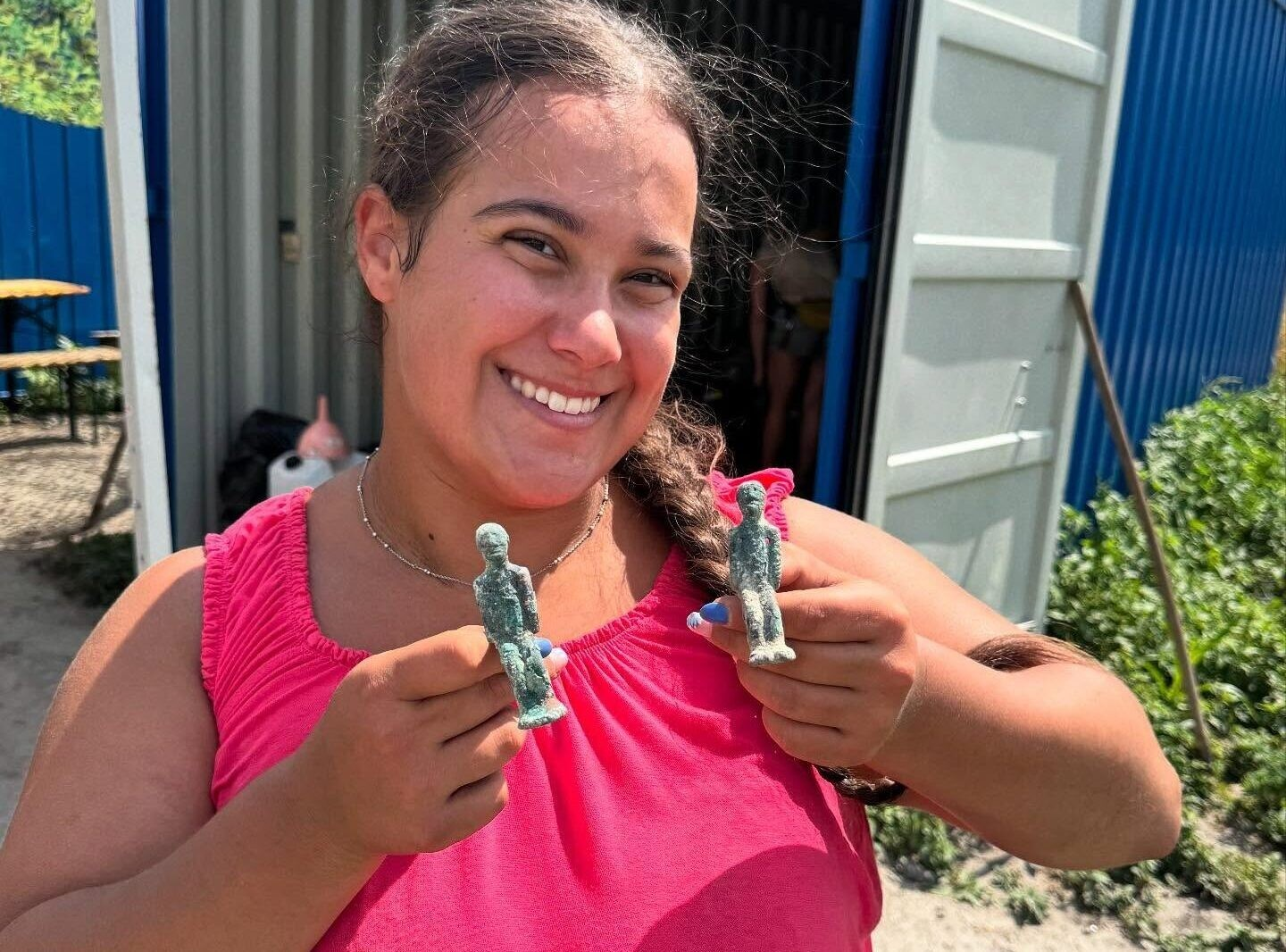
First-year student Laura Zentai, who is participating in the ongoing excavations at the Roman settlement, unearthed three rare bronze figurines more than 2,000 years old.

These artifacts provide new insights into Roman military life and the technical skill of the empire along this southeastern frontier.

A 4,000-square-meter Roman villa was also discovered — complete with private baths, gardens, and hydraulic systems.

Revealing the History of Brigetio

Brigetio, located in present-day Komárom near Hungary’s border with Slovakia, was an important military settlement in the province of Pannonia from the late 1st century AD.

It served as a strategic defensive outpost protecting the northern borders of the Roman Empire, alongside the Danube River.

Excavations at Brigetio have been ongoing for decades, attracting Hungarian students and international researchers interested in Roman military architecture, daily life, and material culture.

Another major discovery included 4,000 fragments of Roman wall painting found beneath an impressive villa surrounded by columns.

This summer marked the beginning of fieldwork for Laura Zentai, a student from Mosonmagyaróvár. Although it was her first experience on an outdoor excavation, her contribution proved significant.

According to the Hungarian news agency 24.hu, Zentai discovered three bronze figurines among the ruins of a destroyed building at Brigetio.

The archaeology student Laura Zentai is taking part in the ongoing excavations and has uncovered three rare bronze figurines, estimated to be 2,000 years old.

Bronze Figurines: Decoration and Purpose

The three bronze figurines miniatures differ both in shape and in detail. Two of them depict a small human figure, while another was found in a fragmentary state.

According to a report by the news agency Kemma.hu, their intricate craftsmanship and size suggest a functional purpose, possibly serving as decorative supports at the base of a tank or storage vessel used in the Roman camp.

In Hungary, discoveries of bronze figurines of this type are rare, making this find particularly significant for understanding Roman material culture in the region.

These objects offer insights into the daily lives of Roman soldiers and the practical, artistic, and symbolic elements they incorporated into their surroundings.

The archaeology student Laura Zentai is taking part in the ongoing excavations and has brought to light three rare bronze figurines, estimated to be 2,000 years old.

The Importance for Roman Archaeology and Local Cultural Heritage

Moreover, the discovery of the figurines enriches our understanding of the infrastructure of Brigetio and its role within the defensive system along the borders of the Roman Empire.

As a major military center in Pannonia, Brigetio was home to legionaries and auxiliary troops responsible for securing the empire’s frontiers and maintaining control over the Danube border.

The findings also highlight the active role that students play in archaeological research conducted in Hungary.

Zentai’s discovery demonstrates how new generations of archaeologists contribute to uncovering valuable information, expanding the historical narrative of Roman military settlements.

The three bronze miniature figurines differ in shape and detail, with one depicting a small human figure, while another was found in a fragmentary condition.

A Bright Future for Excavations in Roman Pannonia

Laura Zentai describes her first excavation as a “dreamlike experience,” emphasizing the excitement she felt as she uncovered artifacts of immeasurable value at the very beginning of her career.

Excavations at Brigetio are ongoing, and archaeologists hope that future discoveries will shed further light on the social, military, and economic aspects of life in Roman Pannonia.

These continuous archaeological efforts not only advance scientific understanding but also inspire students and history enthusiasts who seek to explore the past.

Such discoveries contribute to preserving and showcasing Hungary’s rich archaeological heritage, connecting local communities with their ancient roots.

Reassessing the Date of the Thera Eruption: Radiocarbon Dating of Egyptian Objects from the Second Intermediate Period and Early New Kingdom

November 25, 2025

The dating of the Minoan eruption of Thera has been one of the most stubborn archaeological headaches in Aegean prehistory. The problem is not that we do not know it happened in the Late Minoan IA period. The problem is that everyone wants to pin it precisely onto the Egyptian timeline. Which pharaoh’s world did it shake. Ahmose. Thutmose III. Someone else. The new study by Hendrik J. Bruins and Johannes van der Plicht in PLOS One turns one of the most popular scenarios upside down with a very clear message. The Thera eruption happened before Pharaoh Nebpehtire Ahmose, during the Second Intermediate Period. It did not take place during the reign of the founder of the 18th Dynasty.

What is interesting here is that this is not just another “new number” in years BCE. It is a targeted attempt to reexamine older theories using Egyptian finds that, for the first time, are radiocarbon dated and directly compared to the existing 14C package for the Thera eruption.

The older theories under the microscope

For a long time, the “traditional” view in Aegean archaeology was roughly this. The Thera eruption occurred around 1500 BCE, somewhere in the early 18th Dynasty. Many researchers tried to connect it either with the era of Hatshepsut and Thutmose III, or with Ahmose, the king who expelled the Hyksos and reunified Upper and Lower Egypt.

On top of this came the famous “Tempest” of Ahmose. The inscription of the so called Tempest Stela at Karnak describes a terrifying storm with darkness and destruction. Some scholars read it as an environmental echo of the Thera eruption, almost like an ancient “live report” on its meteorological consequences.

At the same time, from the 1980s onward, radiocarbon dating began to push Thera stubbornly toward the 17th century BCE. In other words, before the classic early 18th Dynasty, inside the Second Intermediate Period. This trend was strengthened by tree ring series and statistical analyses by Manning and others, which pointed to a likely eruption date around 1600–1580 BCE, with small variations depending on the version of the IntCal calibration curve used each time.

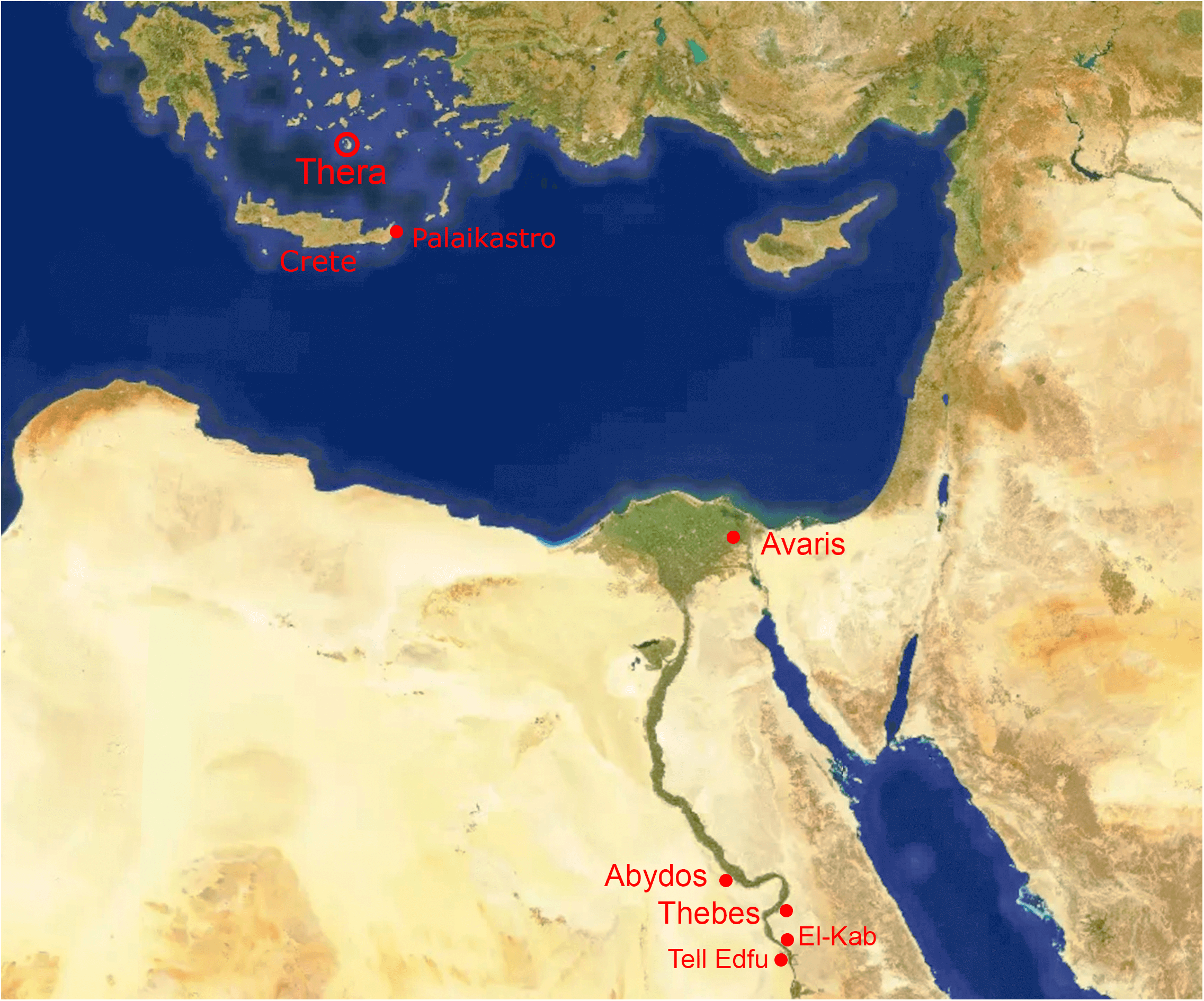
The problem was that while we had a fairly coherent 14C package for the Thera eruption itself, from Akrotiri, an olive branch, Palaikastro and so on, we did not have direct radiocarbon dates for the Egyptian side of the equation, specifically for the time of Ahmose. His chronology rested on reconstructions from king lists, Manetho, papyri, synchronisms with other regions, and heavy Bayesian models that, crucially, did not include any samples tied directly to Ahmose or the immediately preceding rulers.

This is exactly where the new study strikes. It does not try to re date Thera itself. Instead, it tests the Egyptian side and, quite literally, asks that “Ahmose too be put in the machine”.

The ancient remains that went into the AMS

Bruins and van der Plicht achieved something rare. They secured permission from the British Museum and the Petrie Museum to take small destructive samples from organic materials directly linked to the transition from the 17th to the early 18th Dynasty.

The three main “protagonists” are the following.

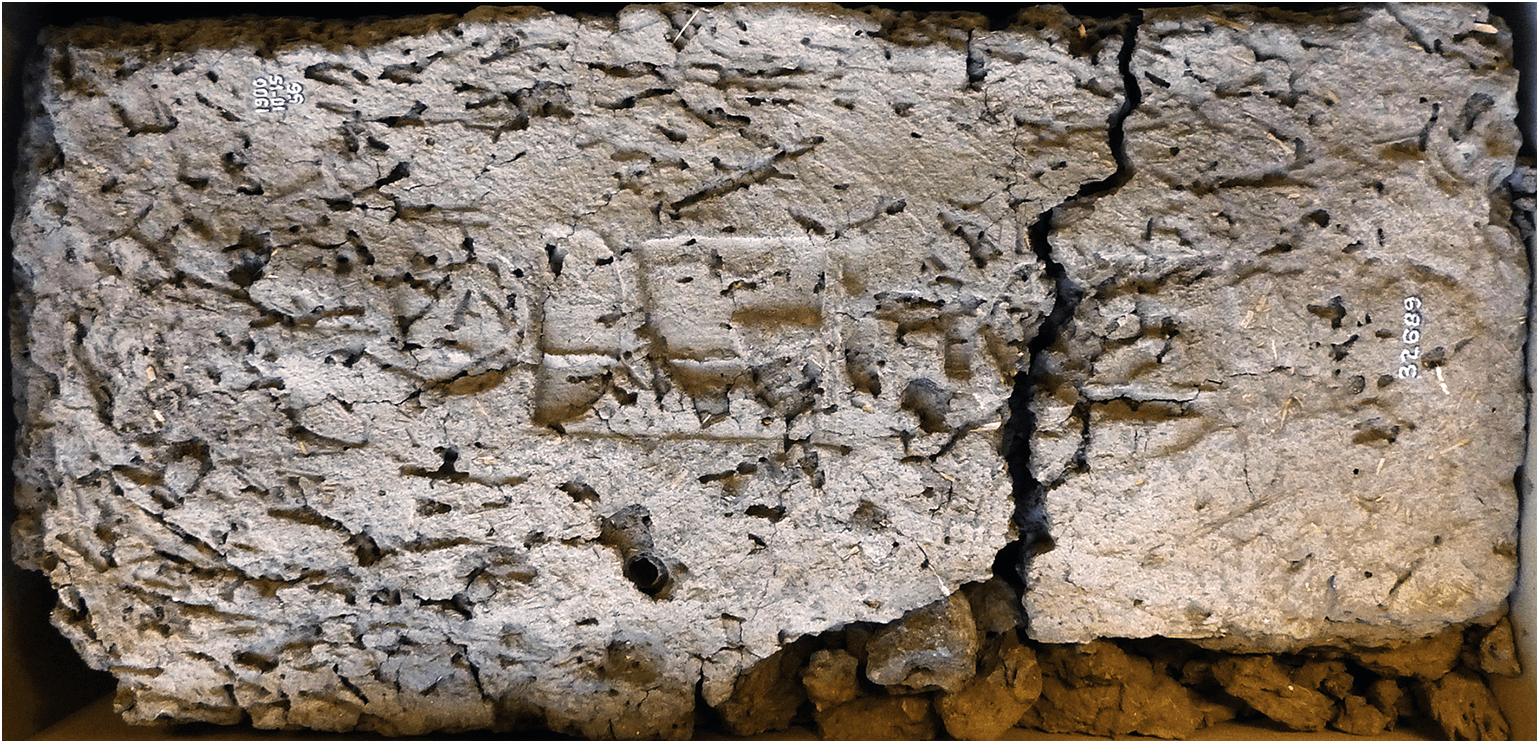
First, an unbaked mudbrick from the temple of Ahmose at Abydos, stamped with his throne name Nebpehtire. This is the key object that literally bears the king’s signature at the center of the debate.

Second, a linen burial cloth associated with Queen Satdjehuty, the second wife of 17th Dynasty king Seqenenre Tao, that is, just a few steps before Ahmose.

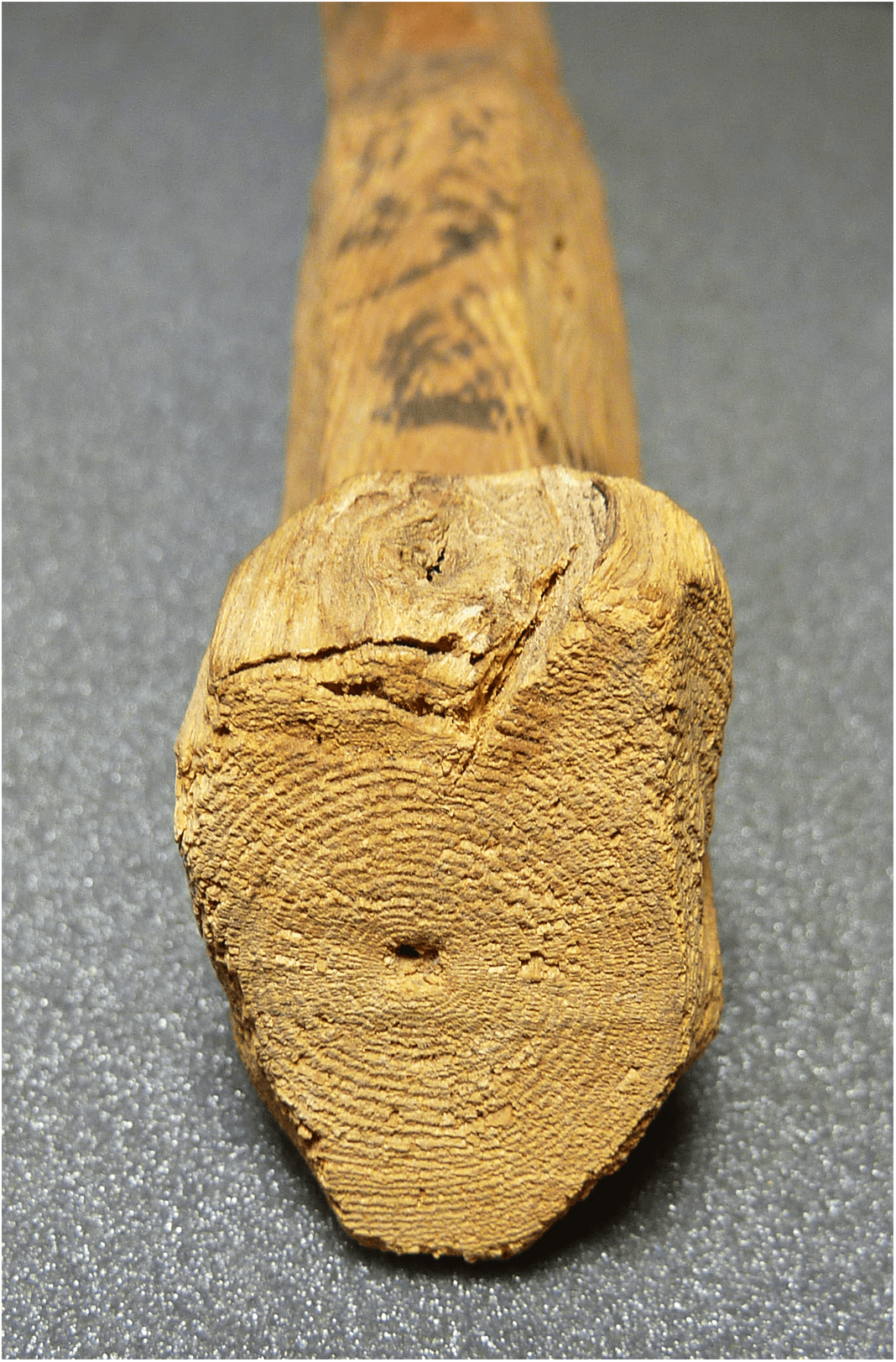
Third, six wooden “stick shabtis” from Thebes in the Petrie collection, named for people of the late 17th and early 18th Dynasty. Among them is a figure linked to the official Teti mesu, known from the tomb TT15 of the mayor Tetiky during the reign of Ahmose and Amenhotep I.

Tree rings are clearly visible in the bottom part of Shabti UC 40184 (diameter 3.1 cm).

The mudbrick from Ahmose’s temple is arguably the most critical piece. Archaeological research at Abydos has clearly shown that the temple and pyramid complex of Ahmose were built after his victory over the Hyksos, around the twenty second year of his reign. If we can date the straw mixed into the mud, we come very close to the actual time that this twenty second regnal year falls on the timeline.

The linen from Satdjehuty’s burial adds an independent chronological point from the funerary context of the Theban court. The wooden shabtis, carved from sycomore fig, offer a series of points through the late 17th and early 18th dynasty, with names that can be placed into the historical sequence of Thebes.

How the scientists worked. Radiocarbon, calibration curves and “time signatures”

The samples were measured at the Centre for Isotope Research in Groningen using AMS. Standard pre treatment was applied with acids and alkalis to remove contaminants, and the carbon in each sample was converted to graphite or measured as CO₂ in the case of very small samples. Results are reported in the conventional format of 14C years BP with standard deviation, and converted to calendar years using the IntCal20 calibration curve and the OxCal software.

However, the organic materials from Abydos and Thebes do not come from a neat stratigraphic sequence. They come from different monuments and objects that cannot be ordered in a clear line. That means the researchers could not build a Bayesian sequence model of the type used by Bronk Ramsey’s team for the Old and Middle Kingdom. There is simply no firm, agreed sequence with reign lengths and king order for that corner of the Second Intermediate Period that could be safely fed into the software.

Mudbrick EA 32689 (British Museum) from the Temple of Ahmose at Abydos, showing the same stamped prenomen Nebpehtire of Pharaoh Ahmose.

Bruins and van der Plicht chose a simpler and in some ways more robust approach. They start from the raw, uncalibrated radiocarbon dates. They work from the idea that if you take a sufficiently large and coherent set of 14C dates for event A, the Thera eruption, and a corresponding set for historical phase B, the transition from the 17th to the 18th Dynasty, then these two “bundles” will have distinct time signatures in 14C years BP. One will clearly be older than the other, regardless of how the calibrated dates move around on the IntCal curve as it gets updated over time.

For Thera they use three main data sets. They bring in thirteen radiocarbon dates from charred seeds in secure destruction layers at Akrotiri. They include the outer rings of the famous olive branch from Therasia, buried in the eruption deposits. They add dates from animal bones in the tsunami layers at Palaikastro in Crete, where the association with the Theran eruption and its tsunami is very clear.

The weighted means of these sets converge around 3340–3350 BP, with small errors. This is a clear package that is already familiar from the literature. Importantly, it does not seem to be distorted by any hypothetical “volcanic CO₂” effect at Thera, since the results from Crete and from Thera match closely.

Against this, the dates from the brick, the linen and the shabtis of the 17th–early 18th Dynasty come out systematically younger. The “pure” straw fragment from the Ahmose brick gives about 3230 ± 60 BP. The linen of Satdjehuty is around 3310 ± 25 BP. The shabtis range from 3300 to 3185 BP. When all of this is plotted together, the Thera cluster sits clearly older than the Egyptian cluster of the transition from the 17th to the 18th Dynasty.

What this means for the eruption and for Ahmose

The first conclusion is unusually clear for a topic like this. The Minoan eruption of Thera predates the reign of Nebpehtire Ahmose and the last rulers of the 17th Dynasty. In other words, there is no contemporary overlap between the eruption on Thera and Ahmose’s campaigns or the political reunification of Egypt that marks the start of the 18th Dynasty.

As a consequence, the scenarios that identified the Tempest Stela with the Thera eruption can be set aside. The study itself underlines that the climate of Upper Egypt is hyper arid. Severe rainstorms in the Theban region are extremely rare, and when they occur they are usually linked to the Red Sea Trough and the African monsoon system rather than to Mediterranean storms. The inscription of Ahmose probably describes an exceptionally rare but natural storm event. It is not a written echo of an Aegean super eruption.

The second, more technical, conclusion is that the dates from the Ahmose brick favor a low chronology for the start of the 18th Dynasty. In plain terms, Ahmose should not be placed on the throne around 1580 BCE, but rather somewhere in the 1540–1530 BCE range, in line with the model proposed by Bennett based on the genealogies of the governors of El Kab.

The radiocarbon date of the “pure” straw in the brick, which microscopic analysis identified as belonging to C4 plants of the Nile sedge or papyrus type, when calibrated with IntCal20, gives highest probabilities around 1500–1470 BCE for the construction of the temple at Abydos. This fits much better with the “lower” proposed dates for the twenty second regnal year of Ahmose than with the older, “high” chronologies for the start of the 18th Dynasty.

In parallel, the dates from the shabtis of Teti mesu and other individuals point in the same direction. These are funerary offerings placed at the end of Ahmose’s reign and into the time of Amenhotep I. They clearly fall later than the radiocarbon “package” for Thera, reinforcing the sequence.

A third key point is the connection to Bennett’s model for the governors of El Kab, who form a genealogical chain stretching from Senusert III of the 12th Dynasty to Amenhotep I. Bennett calculated a minimum time span of about 315 years between the seventh year of Senusert III and the first year of Ahmose. Combined with the 14C dates for Senusert III himself, this leads almost inevitably to a “high” chronology for the Middle Kingdom and a “low” chronology for the start of the New Kingdom. The new radiocarbon dates from the Ahmose brick and the shabtis fit perfectly into this framework.

What remains open, and what shifts in the bigger picture

This study does not give us a magical single year for the Thera eruption. The broader debate over whether the event should be placed in the early or mid sixteenth century BCE continues, with Bayesian models, tree ring chronologies and the quirks of the IntCal curve all playing their part.

What does change in a substantial way is our confidence that the eruption did not occur in the reign of Ahmose or in the final years of the 17th Dynasty, but earlier, during the Second Intermediate Period, when Egypt was still politically fragmented and the Hyksos controlled the north. The great Aegean volcanic disaster does not serve as the environmental “backdrop” for the birth of the New Kingdom. It belongs to an earlier, already turbulent era.

For Aegean archaeology this means that Late Minoan IA remains “high” relative to traditional Egyptian chronologies. The contacts between Minoans and Egyptians under the early 18th Dynasty need to be viewed as post eruption phenomena, belonging to the next phase of Minoan and Mycenaean history. For Egyptology it means that the Second Intermediate Period was longer and more substantial than some older compressed chronologies allowed, and that the start of the New Kingdom has to be pushed down toward younger dates.

The study does not close every open question. It leaves room for debate on how exactly Satdjehuty’s linen should be placed within the court’s burial practices, or how much longer the Second Intermediate Period could be stretched by future discoveries. What it does provide, however, is something that was missing. It offers direct laboratory dates tied to named pharaohs and officials, which can be compared on equal terms to the existing 14C package for Thera.

In a field where, for decades, we tried to align “pottery periods” with “king lists” and struggled to match apples with oranges, this work at least puts the two big narratives, Thera and the New Kingdom, into the same measurement system. Inside the cold chamber of the accelerator, the result is clear. First came the eruption. Then came Ahmose.

Tags Studies

The Worship of Lugh: The Celtic God of Many Skills

November 24, 2025

A Multitalented Deity

Lugh, one of the most revered gods in Irish mythology, is celebrated for his versatility and mastery of multiple skills. Known as a warrior, craftsman, and magician, Lugh embodies both strength and intelligence. His presence in Celtic lore highlights the importance of skill, leadership, and ingenuity in ancient Irish culture.

Role in Irish Mythology

Lugh was associated with numerous domains, including war, arts, and crafts. He was often called “Lugh of the Long Arm,” reflecting his influence and far-reaching abilities. Myths describe him as a hero capable of outmatching enemies and performing feats of strategy and cleverness. He also played a central role in the Tuatha Dé Danann, a mythical race of gods, demonstrating leadership and resourcefulness.

Festival of Lughnasadh

One of the most important celebrations in Lugh’s honor is Lughnasadh, held at the beginning of August. This festival marked the start of the harvest season and featured feasting, games, and rituals to ensure agricultural abundance. Lughnasadh reflects the Celtic connection between divine guidance, seasonal cycles, and community life, showcasing Lugh’s role as a protector and provider.

Warrior Attributes and Symbolism

Lugh’s identity as a warrior emphasizes courage, skill, and strategic thinking. Stories of his battles highlight his versatility in both combat and leadership, symbolizing the Celtic ideal of a hero who combines physical prowess with intellect. His weapons, including a magical spear, further reinforce his association with victory and protection.

Cultural Legacy

Lugh’s influence extended beyond mythology into Irish cultural practices, rituals, and seasonal festivals. His stories inspired generations, emphasizing the value of learning, adaptability, and courage. Even today, Lugh’s legacy lives on through folklore, literature, and modern celebrations of Celtic heritage.

Conclusion

Lugh represents the ideal Celtic hero: versatile, skilled, and wise. His worship and associated festivals, such as Lughnasadh, reveal the deep connections between mythology, community, and seasonal cycles, offering insight into the values and beliefs of ancient Irish society.

The Role of Ancient Persian Satraps in Governing an Empire

November 24, 2025

Managing a Vast Empire

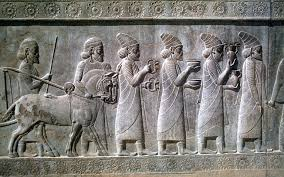
The Achaemenid Empire, founded by Cyrus the Great in the 6th century BCE, was one of the largest empires in ancient history. Stretching from the Indus Valley to the Mediterranean, it encompassed diverse cultures, languages, and landscapes. To maintain control over such a vast territory, the Persians developed an innovative administrative system centered on satraps provincial governors who acted as the king’s representatives.

Structure and Responsibilities of Satraps

Satraps were assigned to specific regions, known as satrapies, where they oversaw local governance, tax collection, and security. They acted as intermediaries between the central government and regional populations, balancing imperial authority with local autonomy. While satraps had considerable power, their actions were monitored by royal inspectors to prevent rebellion and corruption, ensuring loyalty to the emperor.

Balancing Local and Central Power

The satrap system allowed the empire to function efficiently despite its size. Satraps maintained local customs and laws while enforcing imperial policies. This flexibility helped integrate diverse peoples into the empire, fostering economic stability and cultural exchange. Additionally, satraps commanded local armies, providing defense and maintaining internal order.

Economic and Political Significance

Satraps played a key role in the empire’s wealth and stability. They collected taxes, managed trade routes, and ensured that resources reached the central treasury. By delegating authority while maintaining oversight, the Persian kings could govern effectively without micromanaging distant provinces. This system became a model for future empires in terms of combining local governance with centralized control.

Conclusion

The use of satraps illustrates the ingenuity of the Achaemenid Empire in managing a vast and diverse territory. By delegating power while maintaining accountability, the Persians created a system that balanced authority, stability, and cultural integration a model of governance that influenced subsequent empires for centuries.

The Myth of the Sphinx: Riddle of the Ages

November 24, 2025

Iconic Mystery of the Ancient World

The Sphinx, with its lion’s body and human head, is one of the most enigmatic figures of ancient mythology. Appearing in both Egyptian and Greek traditions, the Sphinx embodies mystery, wisdom, and power. Its symbolism has fascinated generations of historians, archaeologists, and travelers.

Origins in Egyptian Mythology

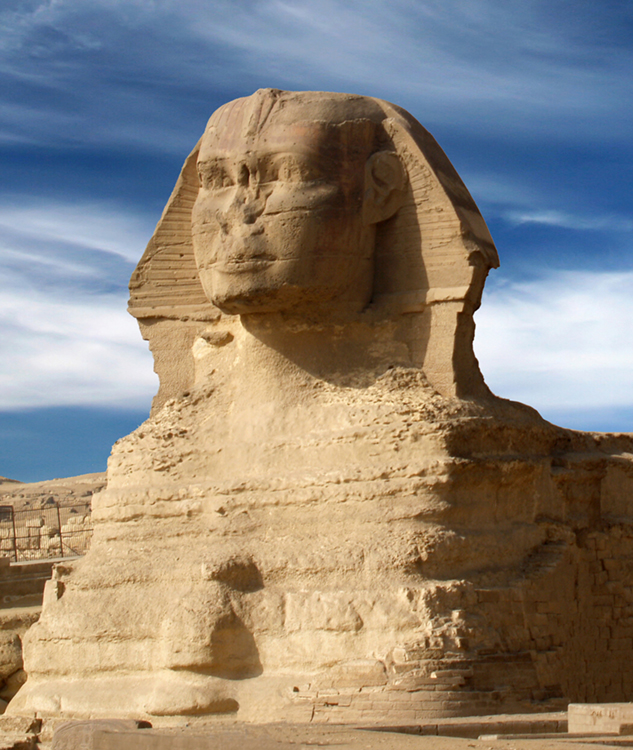
In Egypt, the Great Sphinx of Giza is believed to represent Pharaoh Khafre, serving as a guardian of sacred spaces. It combines strength (lion) and intelligence (human) to protect temples and tombs. Carved from a single limestone ridge, the Sphinx demonstrates the engineering prowess of the Old Kingdom, with its scale and precision continuing to impress modern scholars.

Greek Adaptations and the Riddle

In Greek mythology, the Sphinx became a creature of terror and challenge, famously presenting riddles to travelers, such as the tale of Oedipus. Failure to solve these riddles often meant death, emphasizing the importance of intelligence and wit. The Greek Sphinx differs from the Egyptian version in its role as a moral and intellectual test rather than a guardian.

Archaeological Discoveries and Research

Over centuries, the Sphinx has been the subject of extensive research, revealing insights into ancient construction methods, religious symbolism, and erosion patterns. Excavations around the Giza Plateau continue to shed light on its original appearance, purpose, and cultural context.

Symbolism and Cultural Impact

The Sphinx remains a symbol of mystery, wisdom, and human curiosity. It connects two ancient civilizations through shared motifs of power, intellect, and divine protection. Its presence in art, literature, and popular culture ensures that it continues to inspire wonder and exploration.

Conclusion

The Sphinx embodies the enduring human fascination with riddles, guardianship, and the unknown. Across Egyptian and Greek traditions, it serves as a bridge between strength and intellect, past and present, mystery and knowledge, preserving its place as one of the world’s most iconic mythological figures.

The Worship of Kukulkan: The Feathered Serpent of the Maya

November 24, 2025

A Central Figure in Maya Religion

Kukulkan, the Feathered Serpent, is one of the most important deities in Maya mythology. Representing a blend of bird and serpent, he embodies the connection between earth and sky, symbolizing wisdom, power, and divine authority. His worship influenced religious, political, and architectural practices throughout Mesoamerica.

Temples and Architecture

Kukulkan was honored with grand temples, the most famous being El Castillo at Chichen Itza. This pyramid aligns with the sun during equinoxes, creating the illusion of a serpent descending the steps—a demonstration of Maya astronomical knowledge. Such structures reflect the integration of religion, astronomy, and civic planning in Maya culture.

Religious Significance

As a deity, Kukulkan was associated with creation, fertility, and rain, essential for agriculture. He was also considered a mediator between humans and gods, guiding rituals, sacrifices, and ceremonies. Worship of Kukulkan reinforced social hierarchy and unified communities under shared spiritual practices.

Influence on Mesoamerican Culture

Kukulkan’s worship extended beyond the Maya, influencing neighboring civilizations such as the Toltec and later the Aztecs, where he was known as Quetzalcoatl. His symbolism shaped art, mythology, and governance, highlighting the cross-cultural importance of shared deities in ancient Mesoamerica.

Conclusion

Kukulkan embodies the Maya vision of harmony between the natural and divine worlds. His temples, rituals, and enduring influence reveal a culture deeply attuned to both cosmic cycles and social organization, leaving a lasting legacy in Mesoamerican history.

The Role of the Great Zimbabwe Ruins in African History

November 24, 2025

A Marvel of Ancient Africa

The Great Zimbabwe ruins, located in modern-day Zimbabwe, are among the most impressive archaeological sites in Africa. These stone structures, built between the 11th and 15th centuries, reflect the skill, organization, and cultural sophistication of the Shona people. The site challenges common misconceptions about precolonial African civilizations, highlighting their ability to construct monumental architecture without modern technology.

History and Construction

Great Zimbabwe was the capital of a powerful kingdom that thrived on trade and agriculture. The ruins feature intricate stone walls, towers, and enclosures built without mortar, showcasing advanced engineering. The largest structure, the Great Enclosure, demonstrates the builders’ knowledge of geometry, stability, and aesthetics. Its scale and precision continue to intrigue historians and archaeologists today.

Significance in Trade and Economy

The kingdom of Great Zimbabwe was a hub of commerce in southern Africa. It participated in regional and long-distance trade, exporting gold, ivory, and other valuable resources to the Swahili coast and beyond. The ruins reflect the wealth and influence of the kingdom, revealing connections between African civilizations and broader global trade networks.

Cultural and Symbolic Legacy

Beyond its economic role, Great Zimbabwe holds deep cultural and spiritual significance. The site likely served as a political and religious center, where leaders conducted ceremonies and maintained social cohesion. Its architecture and artifacts, including soapstone sculptures and pottery, offer insights into the beliefs, artistry, and daily life of its people.

Conclusion

The Great Zimbabwe ruins stand as a testament to Africa’s rich history, architectural ingenuity, and cultural legacy. They continue to inspire admiration and research, highlighting the achievements of a civilization that shaped the region for centuries.

The Myth of the Banshee: The Wailing Spirit of Death

November 24, 2025

Ireland’s Mysterious Spirit

The banshee is a legendary figure in Irish folklore, often described as a wailing woman who foretells death. She is a symbol of mortality and the supernatural, capturing imaginations through stories passed down for generations.

Origins and Folklore

The banshee legend may trace back to ancient Celtic beliefs in spirits associated with families. Her appearance was said to warn of impending death, particularly among noble Irish families. Descriptions vary, from a young woman to an elderly crone, but her chilling cry remains the defining feature.

Role in Irish Culture

The banshee embodies the Celtic connection to the spiritual world and respect for ancestors. Families often recounted her cries as omens, blending fear, reverence, and moral lessons about life, death, and destiny.

Reported Sightings and Modern Interpretations

While primarily mythological, tales of banshee sightings persist in Ireland and beyond. Some view her as a metaphor for grief, loss, and the human confrontation with mortality, while others see her as a link between folklore and real-world experiences.

Conclusion

The banshee remains a powerful symbol in Irish folklore, representing death, family, and the unseen world. Her enduring presence reflects the human fascination with mortality, supernatural warnings, and the emotional power of myth.

The Worship of Freyja: The Norse Goddess of Love and War

November 24, 2025

A Multifaceted Norse Deity

Freyja is one of the most significant goddesses in Norse mythology, embodying love, beauty, fertility, and war. Her stories reveal a goddess of both desire and power, capable of influencing the fate of gods and humans alike.

Role in Mythology

Freyja governed matters of love, marriage, and fertility, but she was also a formidable warrior and leader of the Valkyries. She could claim half of the warriors who died in battle for her hall, Fólkvangr, reflecting her dual role in both life and death.

Connection to Magic and Divination

Freyja was associated with seiðr, a form of Norse magic used for prophecy and manipulation of fate. Her magical abilities illustrate the connection between femininity, wisdom, and supernatural power in Norse culture.

Influence on Viking Culture

Vikings revered Freyja not only for her beauty but also for her strength and strategic insight. She influenced rituals, art, and societal norms, representing the integration of love, war, and magic into daily life.

Conclusion

Freyja remains an enduring symbol of duality, power, and mysticism. Her mythology demonstrates the complexity of Norse beliefs, emphasizing how gods could embody seemingly opposing qualities to reflect the richness of life and human experience.

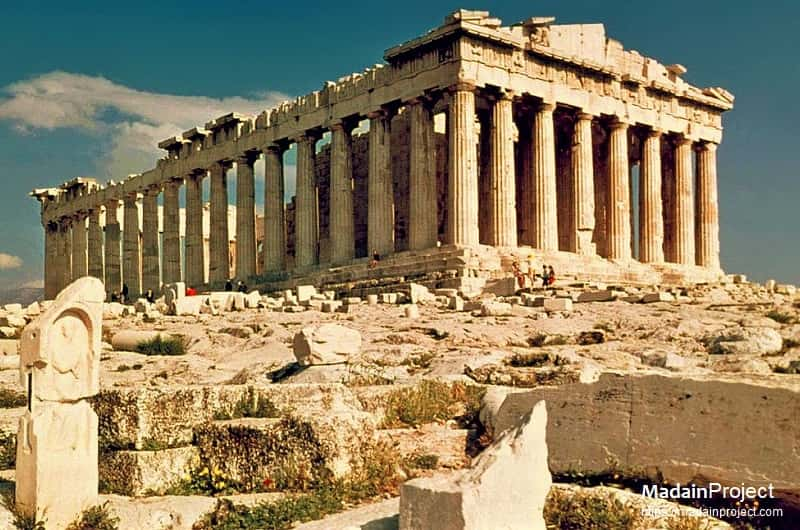
The Role of the Parthenon in Ancient Athens

November 24, 2025

A Temple for Athena

The Parthenon, perched on the Acropolis of Athens, is an iconic symbol of ancient Greek civilization. Dedicated to Athena, the goddess of wisdom and war, it reflects the religious, cultural, and political achievements of Athens during its Golden Age.

Historical Background

Constructed between 447 and 432 BCE, the Parthenon was commissioned by Pericles to honor Athena and showcase Athenian power. Beyond its religious function, it served as a symbol of civic pride, uniting Athenians through shared culture and belief.

Architectural Marvel

The Parthenon is a masterpiece of Doric architecture, noted for its proportions, intricate sculptures, and the famous frieze depicting mythological scenes. Its design incorporates optical illusions to create a sense of perfection, demonstrating the Greeks’ advanced knowledge of geometry and aesthetics.

Religious and Cultural Significance

The Parthenon housed a massive statue of Athena, crafted by Phidias, which exemplified the city’s devotion. Religious ceremonies, festivals, and offerings strengthened the bond between citizens and their goddess, reflecting the integration of spirituality into daily life.

Legacy and Influence

The Parthenon has inspired countless architects and scholars over centuries, symbolizing ideals of democracy, art, and human achievement. It continues to attract visitors worldwide, preserving the legacy of ancient Athens as a center of culture and intellectual progress.

Conclusion

The Parthenon stands as more than a temple; it is a testament to the artistic, religious, and civic brilliance of ancient Athens. Its enduring presence reminds us of the human desire to merge spirituality with creativity and societal identity.

The Myth of the Djinn: Spirits of Fire in Arabian Folklore

November 24, 2025

Mystical Beings of Arabian Lore

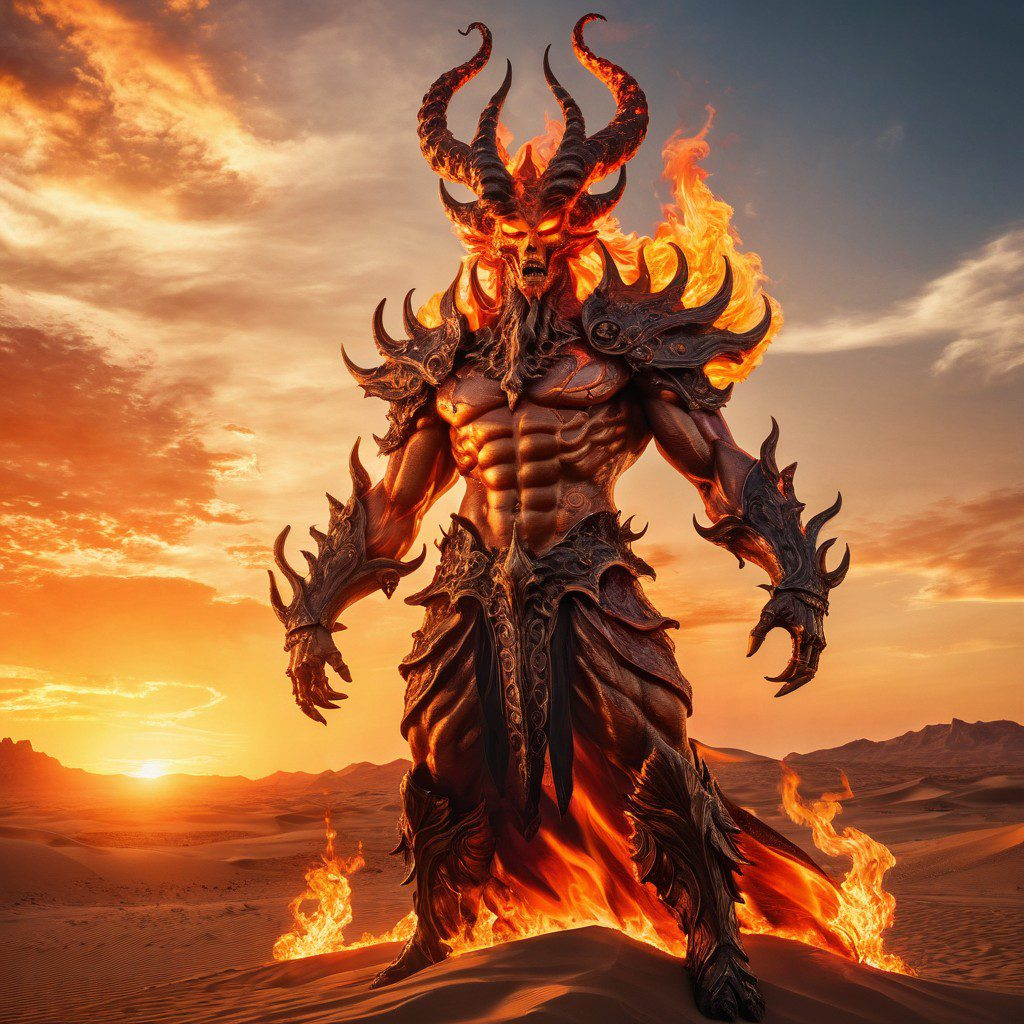
Djinn are supernatural beings deeply rooted in Arabian folklore and Islamic tradition. These spirits, believed to be created from smokeless fire, have intrigued people for centuries with their mysterious powers, intelligence, and moral duality. They appear in myths, religious texts, and oral stories across the Middle East.

Origins and Historical Context

The concept of Djinn predates Islam, appearing in pre-Islamic Arabian beliefs. With the advent of Islam, their roles evolved, blending into religious teachings. Djinn were described as beings capable of both good and evil, possessing free will similar to humans. This duality allowed them to play versatile roles in folklore, from tricksters to protectors.

Supernatural Abilities and Characteristics

Djinn are often portrayed as shape-shifters, capable of invisibility, flight, and influencing the physical world. Some legends depict them as powerful entities controlling natural forces, while others emphasize their mischievous or malevolent tendencies. Stories of Djinn encounters often highlight moral lessons about respect, caution, and human ambition.

Legends and Cultural Impact

From “One Thousand and One Nights” to local folklore, Djinn have inspired countless tales, ranging from cautionary myths to fantastical adventures. They are cultural symbols of mystery, unpredictability, and the unseen forces that influence human life.

Conclusion

The Djinn represent a fascinating blend of spirituality, mythology, and morality. Their enduring presence in literature and folklore highlights humanity’s fascination with beings that exist beyond our natural perception, reminding us of the invisible and powerful forces that shape the world.

The Worship of Xolotl: The Aztec God of Death and Lightning

November 24, 2025

A Unique Figure in Aztec Mythology

In Aztec mythology, Xolotl stands out as a complex and intriguing deity. Often associated with death, lightning, and the underworld, Xolotl was both feared and revered. Unlike other gods who represented life and creation, Xolotl guided souls through the dangerous journey of the afterlife, highlighting the Aztec understanding of mortality and cosmic balance.

Xolotl’s Role in the Underworld

Xolotl was primarily known as the companion of the sun god during its nightly journey through the underworld. He helped guide the deceased safely across treacherous paths, protecting them from malevolent forces. In this role, Xolotl embodied duality: both a protector and a symbol of inevitable death, demonstrating that life and death were intertwined in Aztec belief.

Connection to Lightning and Transformation

Beyond the underworld, Xolotl was linked to lightning and fire, symbolizing sudden change and the unpredictable forces of nature. He was also considered a shapeshifter, appearing in various forms, including the dog-headed god. This fluid identity emphasized the Aztec view of life as a cycle of transformation, death, and rebirth.

Symbolism and Cultural Influence

Xolotl represented the boundaries between life and death, light and darkness. Dogs, often associated with Xolotl, were believed to guide souls across the underworld. His mythology reflects the Aztecs’ respect for the forces of nature, cosmic cycles, and the spiritual responsibilities of humans.

Conclusion

Xolotl remains a fascinating figure in Aztec mythology, embodying protection, transformation, and the inevitable presence of death. His stories illustrate the Aztec worldview, in which life and death coexist in a delicate balance governed by divine forces.

The Role of Ancient Monoliths in Prehistoric Societies

November 24, 2025

Monoliths as Windows into the Past

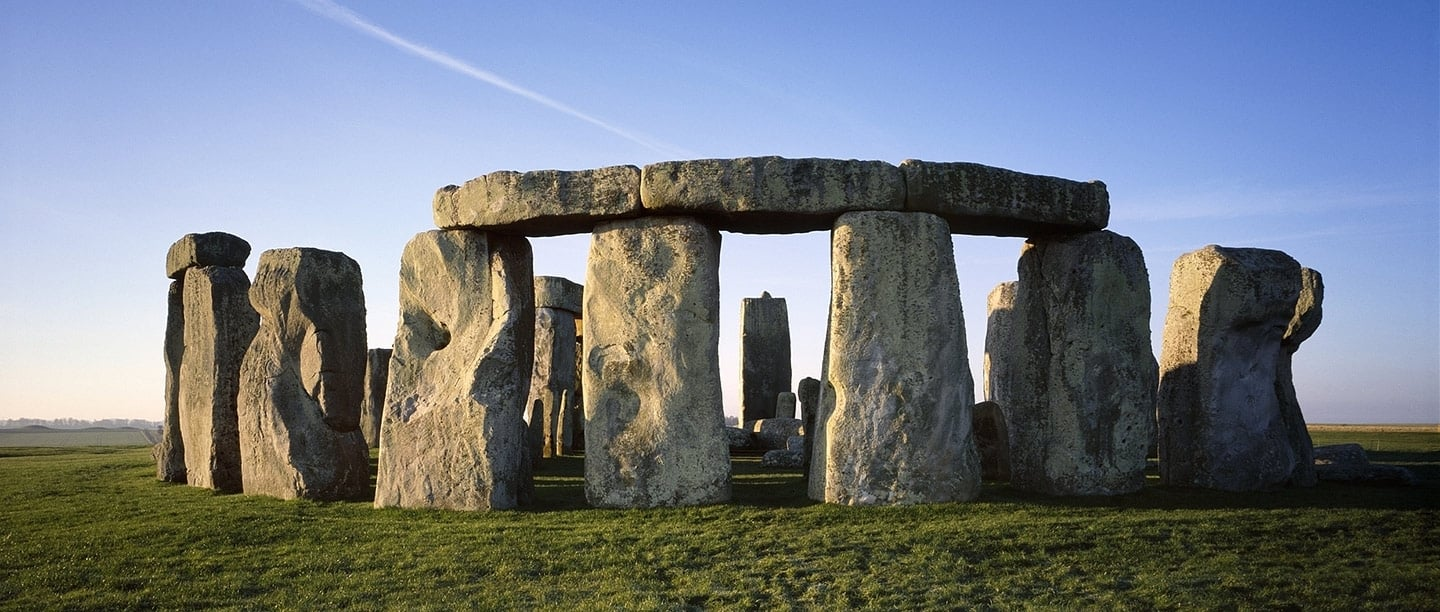
Monoliths massive stone structures like Stonehenge, Göbekli Tepe, and Easter Island statues offer insight into the spiritual and social lives of prehistoric peoples. These monuments demonstrate that ancient humans were capable of remarkable engineering, cultural expression, and astronomical knowledge.

Purpose and Function

Monoliths served multiple purposes. Stonehenge, for example, aligns with the summer and winter solstices, reflecting a sophisticated understanding of astronomy. Göbekli Tepe likely functioned as a ceremonial site where communities gathered for religious rituals. On Easter Island, the moai statues represented ancestors’ power and protection, reinforcing social cohesion and spiritual belief.

Engineering and Cultural Significance

Constructing these monoliths required collaboration, planning, and advanced techniques. Their creation reflects not only practical skill but also cultural priorities, highlighting the importance of religion, community identity, and observation of natural cycles.

Connection to Astronomy and Ritual

Many monoliths were aligned with celestial events, indicating that prehistoric societies carefully observed the skies. These alignments provided guidance for agricultural activities, religious ceremonies, and societal organization, demonstrating a seamless integration of spirituality and science.

Conclusion

Ancient monoliths reveal the ingenuity, spirituality, and social organization of prehistoric societies. They stand as enduring symbols of humanity’s quest to understand the cosmos, honor ancestors, and express cultural identity through monumental architecture.

The Myth of the Leviathan: The Giant Sea Monster in Biblical Lore

November 24, 2025

A Creature of the Deep

Leviathan, a legendary sea monster described in ancient biblical texts, symbolizes immense power and chaos. Depictions of Leviathan portray it as a massive, untamable creature, representing the mysterious and overwhelming forces of nature.

Origins and Biblical References

In the Hebrew Bible, Leviathan appears as a symbol of God’s creative power and the uncontrollable elements of the sea. Ancient texts describe it as fearsome, impenetrable, and chaotic, highlighting humanity’s vulnerability in the face of nature’s forces.

Symbolism Through the Ages

Leviathan has transcended its literal depiction as a sea monster. Over time, it became a metaphor for overwhelming challenges, destructive forces, or moral chaos. Writers, theologians, and artists have reinterpreted Leviathan, adapting its symbolism to reflect human struggles, fear, and awe of the natural world.

Modern Interpretations

In contemporary culture, Leviathan often appears in literature, films, and gaming as a powerful adversary or a force of nature. Its legacy bridges ancient mythology with modern storytelling, maintaining its fascination and relevance across centuries.

Conclusion

Leviathan’s story underscores humanity’s enduring fascination with the unknown. From biblical texts to modern media, it reminds us of nature’s power, mystery, and the timeless human tendency to personify and interpret the forces around us.

The Worship of Hermes: The Messenger of the Greek Gods

November 24, 2025

Who Was Hermes?

Hermes, one of the most dynamic figures in Greek mythology, served as the messenger of the gods. Beyond delivering messages, he played a crucial role in guiding souls, protecting travelers, and mediating between the divine and mortal worlds. Hermes’ stories combine practicality with cleverness, showing a god who embodies both cunning and usefulness.

Hermes’ Role in Daily Life and Commerce

Hermes was closely associated with trade, communication, and commerce. Merchants and travelers often prayed to him for guidance and protection. His influence on commerce highlights the Greek understanding of clever negotiation, speed, and adaptability as essential elements of survival and prosperity.

The Trickster God

Hermes’ playful, mischievous nature often brought humor and unpredictability to mythology. He was known for tricking gods and humans alike, demonstrating intelligence, cunning, and resourcefulness. This aspect of his character not only entertained but also conveyed lessons about problem-solving, wit, and flexibility.

Spiritual and Cultural Influence

Beyond commerce and mischief, Hermes had a spiritual role as the guide of souls to the underworld, connecting life and death. His presence in Greek mythology embodies the human desire to navigate uncertainty with cleverness, communication, and strategy.

Conclusion

Hermes remains an enduring symbol of adaptability, intelligence, and wit. His multifaceted roles show the balance between practical skills and moral lessons in Greek mythology, making him a fascinating figure for both scholars and casual readers.

The Role of the Maya Calendar in Ancient Astronomy

November 24, 2025

A Window into Maya Civilization

The Maya civilization of Mesoamerica is renowned for its sophisticated understanding of time and astronomy. Central to this was their complex calendar system, which went far beyond simply tracking days. The Maya calendar was deeply intertwined with celestial events, religious rituals, and agricultural planning, reflecting a society that saw time as a living, cyclical force rather than a linear progression.

The Structure of the Maya Calendar

The Maya used multiple calendars that worked together. The Tzolk’in was a 260-day ritual calendar, primarily used for religious ceremonies and divination. The Haab’, a 365-day solar calendar, tracked the solar year and agricultural cycles. These two calendars interlocked to form the Calendar Round, a cycle of 52 solar years. This system allowed the Maya to track long-term cycles of time, aligning human activity with cosmic events.

Astronomy and Predictive Power

The Maya were keen observers of the heavens. They tracked the movements of the sun, moon, Venus, and other celestial bodies with astonishing accuracy. This allowed them to predict eclipses, solstices, and planetary alignments, integrating these predictions into both daily life and ceremonial practices. The calendar served not just as a tool for organization but as a bridge connecting humanity to the cosmos.

Myths and Misinterpretations

In modern times, the Maya calendar gained attention due to doomsday theories, particularly claims that the calendar predicted the end of the world in 2012. In reality, the Maya viewed these cycles as periods of renewal rather than apocalyptic endings. Their calendar emphasized the continuity of time and the repeating patterns of life, nature, and the universe.

Conclusion

The Maya calendar exemplifies a remarkable blend of science, culture, and spirituality. It reflects a civilization that saw time as interconnected with celestial movements and human existence, offering lessons in both precision and perspective.

The Myth of the Thunderbird: The Sky Spirit of Native American Lore"

November 24, 2025

The Thunderbird is a legendary figure in many Native American traditions, often regarded as a powerful spirit of the skies. Revered for its immense strength and divine presence, it is a central symbol in the myths and stories of numerous indigenous tribes across North America.

Role in Weather Myths
In Native American lore, the Thunderbird is closely linked to storms and weather phenomena. It is believed that the flapping of its massive wings creates thunder, while its eyes or beak produce lightning. These stories served as early explanations for natural events, connecting people to the forces of nature and highlighting the Thunderbird’s authority over the skies.

Symbolism and Cultural Significance
The Thunderbird symbolizes power, protection, and spiritual strength. It often represents a guardian figure that watches over people, ensuring balance in both the natural and spiritual worlds. Beyond its association with weather, the Thunderbird embodies courage and leadership, inspiring respect and reverence among those who honor it.

Enduring Legacy
Today, the Thunderbird remains a vibrant symbol in Native American art, ceremonies, and storytelling. Its legacy reflects the deep connection indigenous communities maintain with nature, the spiritual realm, and the lessons embedded in myth. The Thunderbird continues to captivate imaginations worldwide as a symbol of power, mystery, and the awe-inspiring forces of the natural world.

The Worship of Morrigan: The Celtic Goddess of War and Fate

November 24, 2025

Introduction to Morrigan
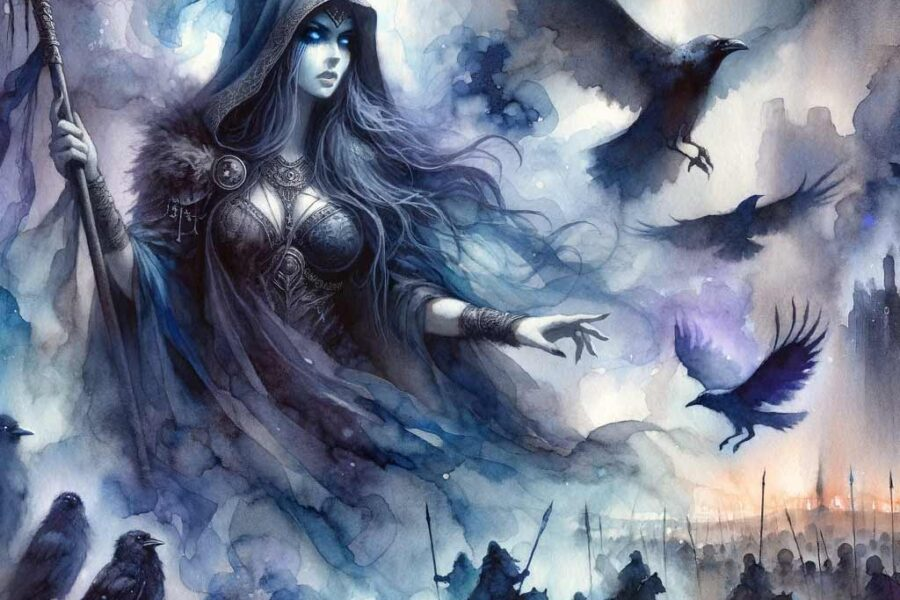
Morrigan is one of the most intriguing figures in Celtic mythology, known as the goddess of war, fate, and prophecy. Often depicted as a powerful and enigmatic presence, she embodies both the chaos and inevitability of battle. Her influence stretches across life and death, making her a figure both feared and revered by ancient Celtic societies.

Role in Battles
Morrigan is closely associated with warfare and conflict. Legends describe her appearing before or during battles, influencing outcomes and foretelling victory or defeat. Sometimes she is portrayed as a crow or raven, flying over battlefields as a symbol of war and death. Warriors sought her favor, believing that her guidance could determine their success or survival.

Prophetic Abilities
Beyond her martial associations, Morrigan is celebrated for her prophetic powers. She could foresee the future and reveal hidden truths, often delivering warnings or guidance through visions and symbols. This aspect of her character connected her deeply with fate, showing that she governed not only the chaos of war but also the inevitable twists of destiny.

Cultural Significance
Morrigan’s worship highlights the Celtic understanding of life as a delicate balance between conflict and fate. She represents the acknowledgment of mortality, the respect for the forces beyond human control, and the spiritual guidance that people sought in times of uncertainty. Today, Morrigan continues to inspire interest in Celtic mythology, symbolizing strength, mystery, and the intertwining of destiny and power.

The Role of Oracle Bones in Ancient Chinese Divination

November 24, 2025

Introduction to Oracle Bones
Oracle bones were a crucial tool for divination during China’s Shang Dynasty, roughly between 1600 and 1046 BCE. Typically made from ox scapulae or turtle shells, these bones were inscribed with questions posed to ancestors or deities about topics like weather, harvests, or military decisions.

Divination Process
The divination process began by carving a question onto the bone’s surface. The bone was then heated until it cracked. Interpreters examined the resulting cracks, believing that the patterns revealed the answers from the spirits or gods. These readings guided important decisions for rulers and families alike.

Historical Significance
Oracle bones are the earliest known form of Chinese writing, offering a window into the language, culture, and governance of the Shang Dynasty. Beyond their divinatory role, they provide modern historians and archaeologists with invaluable insights into the social structure, political concerns, and everyday life of ancient China.

Legacy
Today, oracle bones are recognized as one of the most important archaeological discoveries in Chinese history. They not only highlight the ingenuity of early civilizations in seeking guidance and understanding but also illustrate the enduring human desire to connect with the unknown and influence the future.

The Myth of the Loch Ness Monster: Fact or Fiction?

November 24, 2025

Origins of the Legend
The legend of the Loch Ness Monster, often affectionately called "Nessie," has fascinated people for centuries. It is said to inhabit Loch Ness, a large and deep freshwater lake in Scotland. Stories of a mysterious creature in the lake date back to ancient times, with local folklore describing a serpent-like being in the waters. The legend gained widespread attention in the 20th century, especially after photographs and alleged sightings sparked global curiosity.

Historical Sightings and Reports
Reports of Nessie have varied over the years. Some witnesses describe seeing a large, long-necked creature emerging from the water, while others claim to have spotted ripples or unusual shapes beneath the surface. Notable historical accounts include early medieval writings and more recent 20th-century sightings that made international headlines. While some of these reports were later debunked, others remain unexplained, adding to the mystery.

Possible Explanations
Experts have proposed several explanations for the Loch Ness Monster sightings. Some suggest misidentifications of natural phenomena, such as waves, floating logs, or swimming animals. Others speculate about prehistoric creatures, like plesiosaurs, surviving in the lake’s depths. Modern investigations using sonar and underwater cameras have yet to provide definitive evidence, leaving the mystery unresolved.

The Enduring Appeal
Despite the lack of concrete proof, the Loch Ness Monster continues to capture imaginations worldwide. Nessie has become a cultural icon, inspiring books, films, and tourism. Whether fact or fiction, the legend encourages curiosity, exploration, and the thrill of encountering the unknown.

← Newer Posts Older Posts →
Featured
image_2025-12-29_232938667.png
Dec 29, 2025
3,000 BC find takes archaeologists by surprise
Dec 29, 2025
Read More →
Dec 29, 2025
image_2025-12-29_232158886.png
Dec 29, 2025
Fort dig reveals glimpse into Roman daily life
Dec 29, 2025
Read More →
Dec 29, 2025
image_2025-12-29_231742439.png
Dec 29, 2025
Türkiye digs uncover ancient olive oil industry in Syedra
Dec 29, 2025
Read More →
Dec 29, 2025
image_2025-12-29_230836192.png
Dec 29, 2025
Dutch defense bomb disposal team dismantles record 3,438 explosives in 2025
Dec 29, 2025
Read More →
Dec 29, 2025
image_2025-12-29_225748111.png
Dec 29, 2025
Earliest known coin minted in Scotland acquired for the nation
Dec 29, 2025
Read More →
Dec 29, 2025
image_2025-12-29_225305072.png
Dec 29, 2025
Kelso: Housing development stalled during pandemic now approved
Dec 29, 2025
Read More →
Dec 29, 2025
read more

Powered by The archaeologist