• MAIN PAGE
  • LATEST NEWS
    • Lost Cities
    • Archaeology's Greatest Finds
    • Underwater Discoveries
    • Greatest Inventions
    • Studies
    • Blog
  • PHILOSOPHY
  • HISTORY
  • RELIGIONS
    • Africa
    • Anatolia
    • Arabian Peninsula
    • Balkan Region
    • China - East Asia
    • Europe
    • Eurasian Steppe
    • Levant
    • Mesopotamia
    • Oceania - SE Asia
    • Pre-Columbian Civilizations of America
    • Iranian Plateau - Central Asia
    • Indus Valley - South Asia
    • Japan
    • The Archaeologist Editor Group
    • Scientific Studies
    • Aegean Prehistory
    • Historical Period
    • Byzantine Middle Ages
    • Predynastic Period
    • Dynastic Period
    • Greco-Roman Egypt
  • Rome
  • PALEONTOLOGY
  • About us
Menu

The Archaeologist

  • MAIN PAGE
  • LATEST NEWS
  • DISCOVERIES
    • Lost Cities
    • Archaeology's Greatest Finds
    • Underwater Discoveries
    • Greatest Inventions
    • Studies
    • Blog
  • PHILOSOPHY
  • HISTORY
  • RELIGIONS
  • World Civilizations
    • Africa
    • Anatolia
    • Arabian Peninsula
    • Balkan Region
    • China - East Asia
    • Europe
    • Eurasian Steppe
    • Levant
    • Mesopotamia
    • Oceania - SE Asia
    • Pre-Columbian Civilizations of America
    • Iranian Plateau - Central Asia
    • Indus Valley - South Asia
    • Japan
    • The Archaeologist Editor Group
    • Scientific Studies
  • GREECE
    • Aegean Prehistory
    • Historical Period
    • Byzantine Middle Ages
  • Egypt
    • Predynastic Period
    • Dynastic Period
    • Greco-Roman Egypt
  • Rome
  • PALEONTOLOGY
  • About us

The Role of Magic and Sorcery in Ancient Egypt

November 29, 2025

Magic, known as “heka,” was integral to Egyptian life. It represented a divine force that could influence nature, health, and society.

Daily Life and Religion

Priests performed rituals for protection, healing, and communication with gods. Ordinary Egyptians used amulets, charms, and spells in homes and workplaces.

Magic and Governance

Magic also reinforced the authority of rulers. Pharaohs used it to maintain cosmic order (ma’at) and legitimize their power.

Enduring Influence

The pervasive role of magic in Egyptian culture shows the blending of religion, medicine, and governance in a society deeply connected to the supernatural.

The Legends of the Lost City of Z

November 29, 2025

The Lost City of Z is a legendary Amazonian city rumored to be rich in gold and civilization. British explorer Percy Fawcett popularized its story in the early 20th century.

Historical Accounts

Fawcett based his searches on indigenous stories and earlier Spanish expeditions. He disappeared in 1925 during an expedition, fueling intrigue about Z’s existence.

Archaeological Evidence

Recent discoveries of complex Amazonian settlements suggest advanced pre-Columbian societies could have inspired legends of Z. Though the city itself remains undiscovered, the legend underscores the mystery of ancient exploration.

Cultural Impact

The myth of Z has inspired books, films, and continued archaeological interest in the Amazon, bridging adventure, history, and science.

The Engineering Marvels of the Persian Qanat System

November 29, 2025

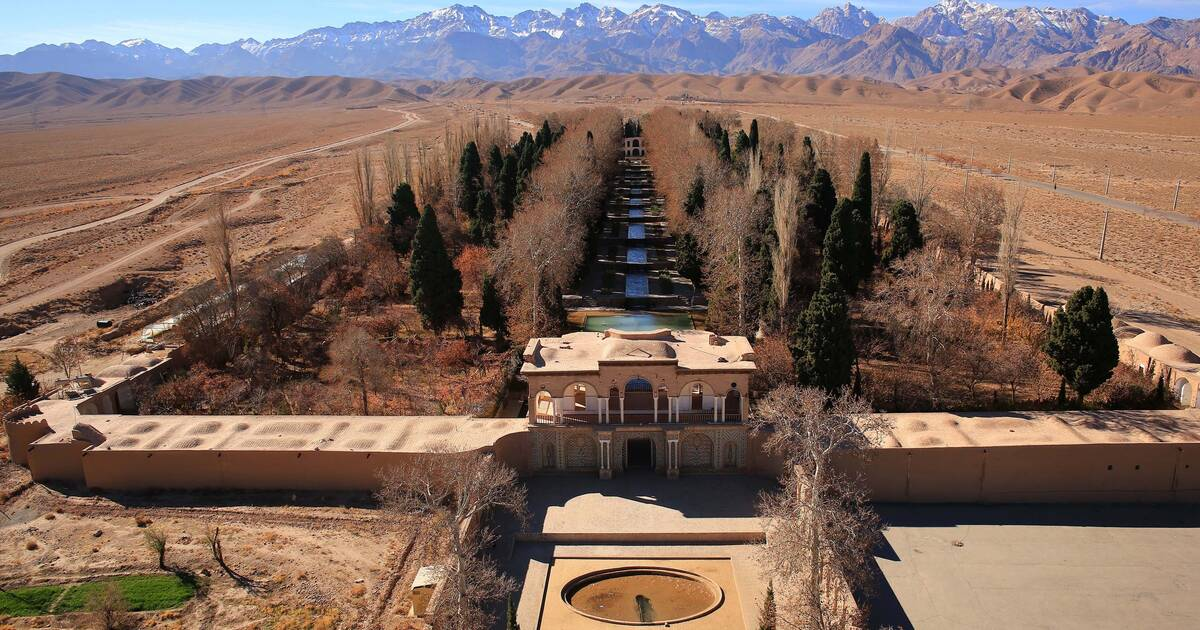
Qanats were underground channels built in ancient Persia to transport water from mountains to dry plains. This technology exemplifies early ingenuity in environmental adaptation.

Construction and Design

Qanats gently slope downward to carry water over long distances without pumps. Vertical shafts provided ventilation and maintenance access.

Importance to Society

Qanats supported agriculture, settlements, and trade in arid regions. They allowed Persian cities to thrive despite harsh climates and inspired similar systems across the Middle East and North Africa.

Legacy

Many qanats are still in use today, highlighting ancient engineering that combined sustainability with practical necessity.

The Enigmatic Rongorongo Script of Easter Island

November 29, 2025

Rongorongo is a set of glyphs inscribed on wooden tablets from Rapa Nui (Easter Island). Despite extensive research, the script remains undeciphered, puzzling linguists and archaeologists alike.

The Tablets and Symbols

The inscriptions feature repeated glyphs representing humans, animals, plants, and abstract shapes. Some scholars suggest it may record historical events, genealogies, or ritual texts.

Theories and Challenges

Some propose Rongorongo is a form of writing, while others argue it is proto-writing or mnemonic devices. The dramatic population decline on Easter Island may have contributed to the loss of knowledge needed to read it.

Significance

Understanding Rongorongo could reveal insights into Rapa Nui culture, social organization, and religion. Its mystery continues to captivate researchers and the public alike.

The Role of Dreams and Visions in Ancient Prophecies

November 29, 2025

Dreams were considered powerful messages from the divine in many ancient cultures. From Mesopotamia to Egypt and Greece, interpreting dreams was essential for personal guidance and state decisions.

Methods of Interpretation

Egyptians maintained “dream books” listing symbols and meanings. Greeks practiced dream incubation in temples, hoping to receive divine advice during sleep. Mesopotamian kings often consulted scholars to decode significant visions.

Influence on Society

Dreams influenced politics, military campaigns, and religious practices. Leaders might delay a battle or found a city based on prophetic visions, reflecting the weight of spiritual insight in decision-making.

Cultural Significance

Dreams were more than superstition they shaped daily life, law, and religion. They also provide modern historians a glimpse into how ancient peoples understood the universe and the divine.

The Secret Ingredients of Roman Concrete

November 29, 2025

Roman concrete has fascinated engineers and historians for centuries. Unlike modern Portland cement, Roman concrete (opus caementicium) used natural volcanic ash, lime, and seawater, creating a remarkably durable material.

How It Was Made

The Romans mixed volcanic ash with lime and rubble to form a binding mortar. When combined with seawater, chemical reactions produced crystals that strengthened the structure over time.

Applications and Longevity

This durable mixture allowed Romans to build structures like the Pantheon, aqueducts, and harbors that survive today. Even underwater, Roman concrete resisted erosion far better than modern equivalents.

Lessons for Modern Construction

Researchers study Roman concrete to create sustainable, long-lasting building materials. Its success demonstrates how ancient ingenuity can inspire modern engineering.

The Role of Slavery in Ancient Civilizatio

November 29, 2025

Slavery was a cornerstone of economic and social life in ancient Egypt, Greece, Rome, and Mesopotamia. Far from being a uniform institution, slavery varied widely in practice and status depending on time and place.

How Slavery Functioned

In Mesopotamia, slaves were often prisoners of war or people paying debts. In Egypt, enslaved workers built monumental structures such as pyramids, while in Greece and Rome, slavery expanded into households, mines, and agricultural estates. Some slaves were skilled artisans, scribes, or even educators.

Political and Social Impact

Slavery was closely tied to wealth and status. In Rome, owning slaves was a symbol of power and a necessity for large-scale agriculture and urban life. Ancient societies also used slavery as a tool for social control, maintaining hierarchies and ensuring labor supply.

Cultural and Human Considerations

Despite harsh conditions, enslaved people could sometimes gain freedom, own property, or buy family members’ liberty. Examining slavery in ancient civilizations highlights the complex balance between economy, power, and human rights in early societies.

The Symbolism of the Ankh in Ancient Egypt

November 29, 2025

The Meaning Behind Egypt’s Iconic Symbol of Life

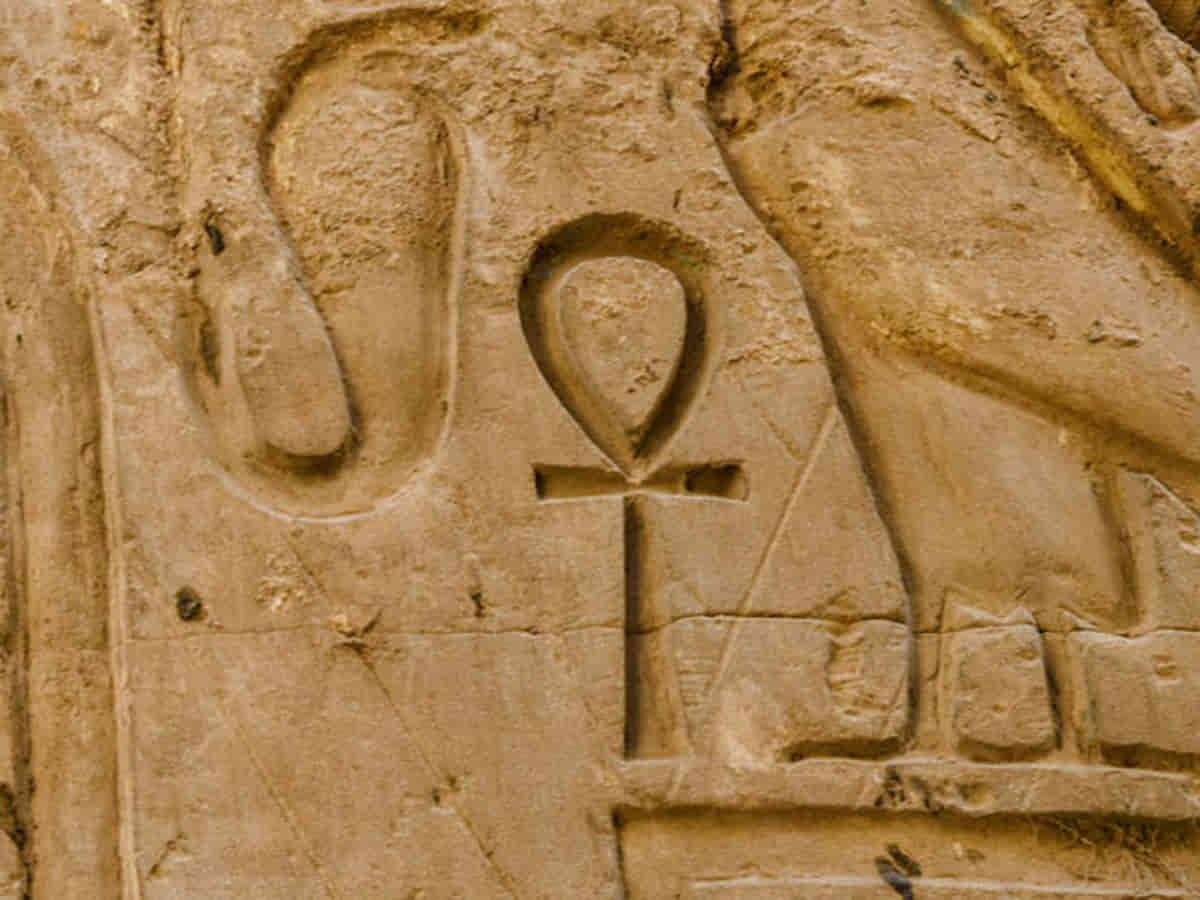
The ankh shaped like a cross with a loop at the top is one of the most recognizable symbols from ancient Egypt.

Its Core Meaning

The ankh represents:

  • Life

  • Vitality

  • Immortality

  • Divine protection

Where It Appears

The symbol is seen in:

  • Tomb paintings

  • Temple carvings

  • Jewelry

  • Religious scenes

Gods are often shown holding the ankh as if offering life to pharaohs.

Spiritual Importance

The ankh reflects the Egyptian belief that life continues after death and that divine energy sustains all existence.

An Enduring Icon

Today, the ankh remains a powerful emblem in art, fashion, and spiritual symbolism worldwide.

The Mystery of the Sea Peoples: Destroyers of Empires

November 29, 2025

Who Were They—and Why Did They Change the Ancient World?

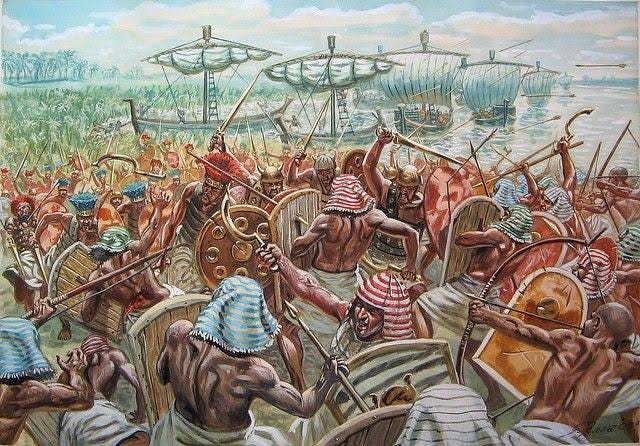
Around 1200 BCE, several Mediterranean civilizations collapsed. Many historians link this upheaval to the Sea Peoples, groups of mysterious raiders who attacked Egypt and other coastal regions.

What We Know

Egyptian records describe them as warriors arriving by land and sea, armed with unique weapons and wearing distinctive feathered helmets.

Their Impact

They contributed to the fall or weakening of:

  • The Hittite Empire

  • Cities across the Levant

  • Many Bronze Age kingdoms

Theories About Their Origins

Possibilities include:

  • Displaced groups from the Aegean

  • Environmental migrants

  • Former mercenaries

No single theory fully explains their identity.

A Turning Point

Their invasions helped usher in the end of the Bronze Age and the beginning of new political and cultural landscapes.

The First Known Human Settlements

November 29, 2025

Jericho, Göbekli Tepe, and the Beginnings of Civilization

Some of the world’s earliest communities appeared long before writing, cities, or metal tools.

Jericho

Often called one of the oldest continuously inhabited cities, Jericho featured:

  • Defensive walls

  • Organized structures

  • Early farming practices

Göbekli Tepe

Located in modern Turkey, this site predates agriculture and contains huge stone pillars arranged in circles. It may have been a ritual center.

What These Sites Reveal

Early humans were capable of:

  • Complex social organization

  • Monumental construction

  • Ritual and symbolic thought

Foundations of Society

These settlements mark humanity’s shift from nomadic life to community building a turning point in world history.

The Secrets of the Egyptian Book of the Dead

November 29, 2025

A Guide to the Afterlife and a Window Into Ancient Beliefs

The Egyptian Book of the Dead is a collection of spells, prayers, and instructions meant to help the deceased navigate the afterlife.

Purpose and Contents

Texts from the book taught the soul how to:

  • Overcome obstacles in the underworld

  • Pass judgment before Osiris

  • Ensure rebirth in the Field of Reeds

These spells were often written on papyrus and placed in tombs.

Symbolism and Beliefs

The book reveals Egyptian views on:

  • Morality

  • Cosmic order

  • The journey of the soul

  • The importance of proper burial rituals

A Spiritual Roadmap

Far from a single book, it evolved over centuries and reflects the deep connection Egyptians felt between life, death, and eternity.

The Importance of the Oracle of Delphi

November 29, 2025

How a Single Sanctuary Influenced Greece for Centuries

The Oracle of Delphi was one of the most powerful religious institutions in ancient Greece. Leaders from across the Greek world sought its guidance.

How the Oracle Worked

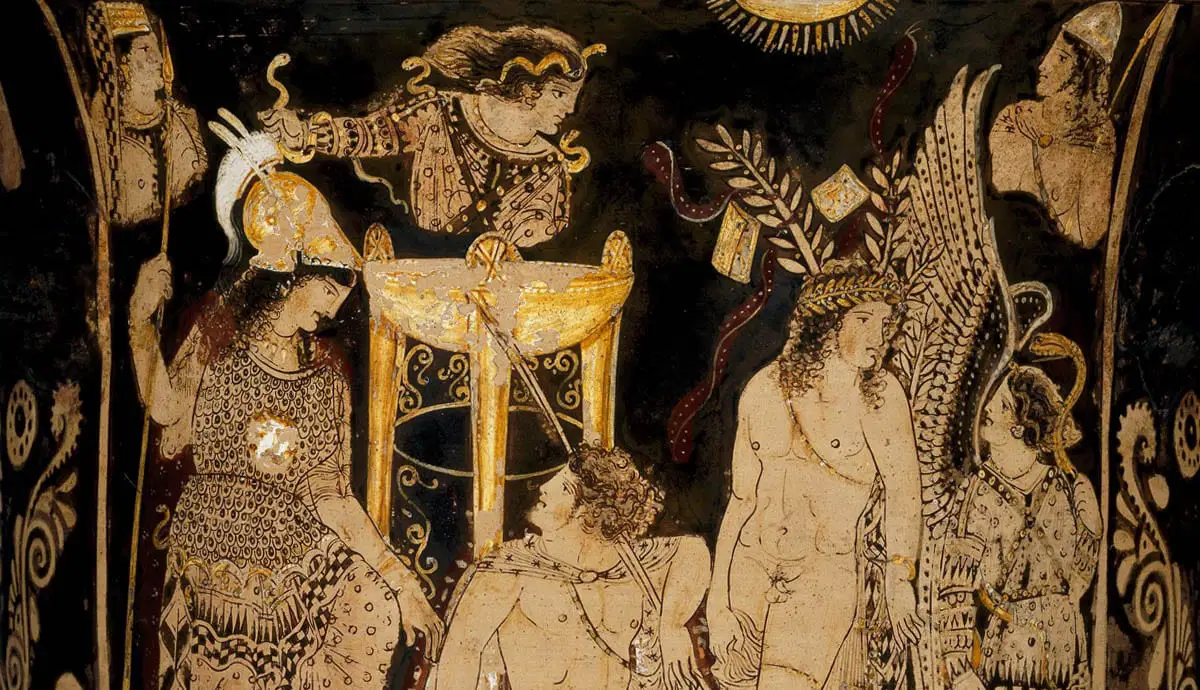
A priestess called the Pythia delivered messages from Apollo while in a trance-like state. Priests then interpreted her words for visitors.

Political and Cultural Influence

City-states asked the oracle about:

  • War strategies

  • Colony foundations

  • Religious laws

  • Diplomacy

Even powerful rulers respected the oracle’s authority.

A Center of Religion and Unity

Delphi also served as a gathering place for festivals, athletic games, and shared Greek identity.

An Enduring Legacy

Though the oracle declined with the rise of Christianity, its influence remains visible in literature, history, and legend.

The Art of Ancient Cave Paintings: What Do They Tell Us?

November 29, 2025

Understanding the Earliest Expressions of Human Creativity

Cave paintings found in places like Lascaux, Chauvet, and Altamira offer insight into prehistoric life and the minds of early humans.

What They Depict

Common images include:

  • Animals

  • Hunting scenes

  • Handprints

  • Abstract symbols

These artworks were often created deep within caves, suggesting a special purpose.

Possible Meanings

Scholars propose several interpretations:

  • Rituals or spiritual beliefs

  • Teaching tools for hunting

  • Early storytelling

  • Ways to record important events

Why They Matter

Cave paintings reveal:

  • Early humans’ artistic abilities

  • Their relationship with nature

  • Their desire to communicate and preserve memory

A Glimpse Into the Distant Past

These paintings are among the oldest surviving expressions of human imagination and identity.

The Lost Civilization of the Minoans

November 29, 2025

An Advanced Culture—and a Potential Source for the Atlantis Legend

The Minoan civilization flourished on the island of Crete around 2000–1400 BCE. Known for their vibrant art, palaces, and maritime trade, the Minoans created one of the earliest advanced cultures in Europe.

Achievements and Culture

Minoans excelled in:

  • Architecture (such as the palace of Knossos)

  • Pottery and fresco painting

  • Navigation and trade

  • Complex religious practices

Their society appears to have been peaceful and prosperous compared to neighboring cultures.

What Caused Their Decline?

Several factors may have contributed:

  • A massive volcanic eruption at Thera (Santorini)

  • Earthquakes

  • Shifts in trade

  • Possible invasion by the Mycenaeans

The Atlantis Connection

Some scholars believe the destruction of Thera inspired Plato’s story of Atlantis—a powerful civilization wiped out by natural disaster.

A Culture Rediscovered

The Minoans remain a symbol of early European creativity, innovation, and mystery.

The Role of Myth in the Founding of Rome

November 29, 2025

Romulus, Remus, and the Birth of Roman Identity

The founding of Rome is tied to the myth of Romulus and Remus twin brothers raised by a she-wolf and destined for greatness.

The Central Story

According to legend:

  • The twins were descendants of Aeneas of Troy

  • They were abandoned at birth and rescued by a wolf

  • They grew into leaders who chose the site of Rome

  • Romulus killed Remus during a dispute and became the city’s first king

How the Myth Shaped Rome

The story emphasized values Romans admired:

  • Strength

  • Divine favor

  • Destiny

  • Loyalty to the city above all

Myth and Reality

While archaeological evidence shows early settlements on the Palatine Hill, the myth served more as a political tool that united Rome and justified its power.

A Legend That Lives On

Even today, the tale of Romulus and Remus symbolizes Rome’s origins and its enduring cultural legacy.

The Mysterious Death of Alexander the Great

November 29, 2025

Poison, Illness, or Something Else?

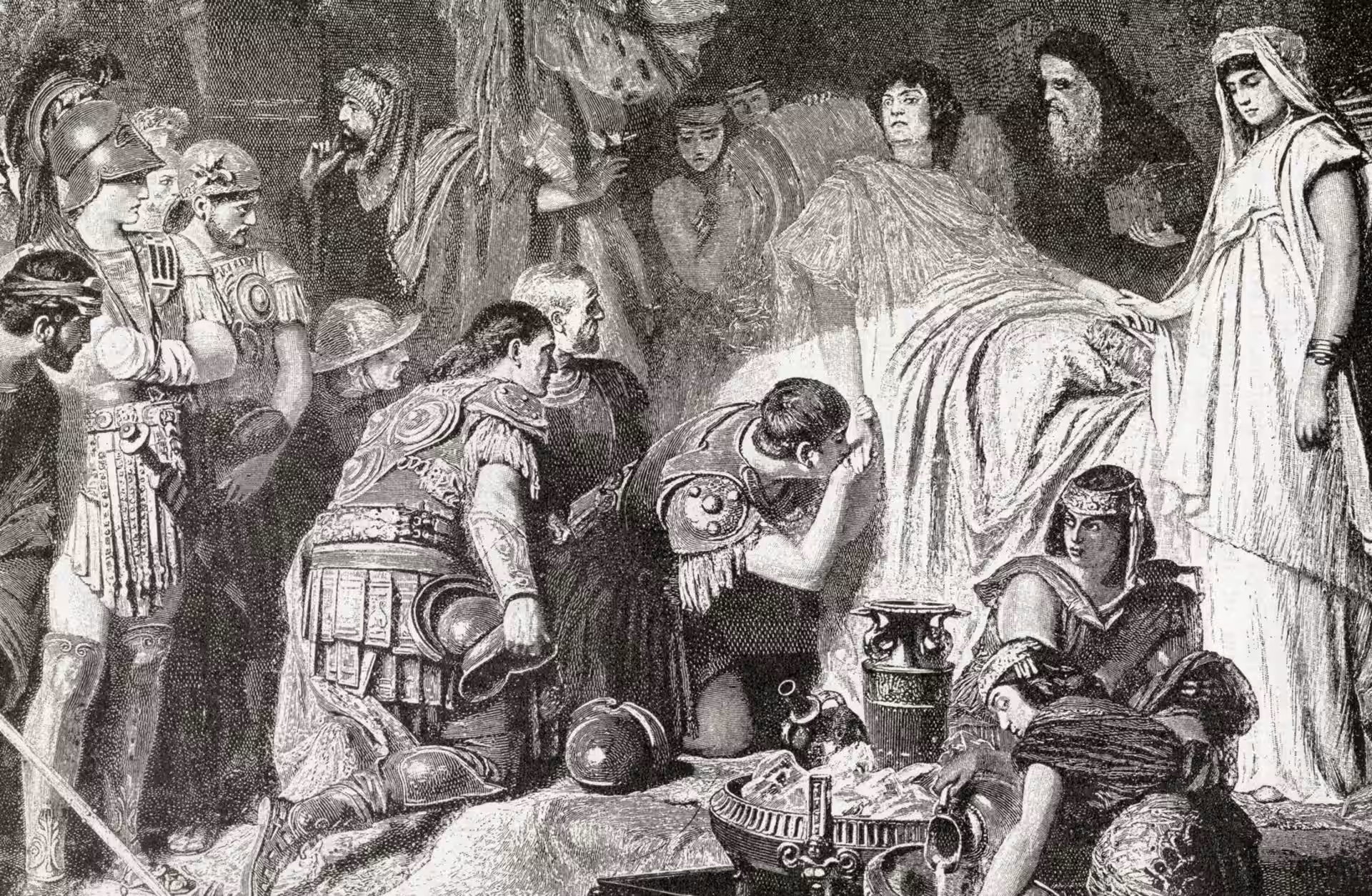
Alexander the Great died in Babylon in 323 BCE at just 32 years old, leaving behind a vast empire and a mystery that endures to this day.

The Final Days

Ancient accounts describe a sudden fever, weakness, and progressive paralysis. He remained mentally alert but unable to speak by the end.

Theories About His Death

Several explanations persist:

  • Poisoning – A popular idea but unlikely, as most toxins act faster than the 12 days his illness reportedly lasted.

  • Malaria or typhoid – Common in the region and consistent with recorded symptoms.

  • Autoimmune disorders – Some historians suggest Guillain-Barré syndrome.

  • Alcohol-related illness – Ancient texts describe a night of heavy drinking before symptoms began.

Why the Truth Is Hard to Find

Alexander’s body was never autopsied, and historical accounts differ. Political intrigue in his court may also have shaped later stories.

A Mystery That Continues

His death remains unsolved, contributing to the legend of a man whose life and end changed the ancient world.

The Role of Women in Ancient Egypt

November 29, 2025

The Role of Women in Ancient Egypt

February 17, 2025

Women in ancient Egypt occupied a remarkably strong and respected position compared to their counterparts in many other ancient civilizations. While Egyptian society was largely patriarchal, women enjoyed extensive legal rights, economic independence, and social influence. They participated actively in family life, religion, business, and even politics, with some rising to rule the entire kingdom as pharaohs. Their status reflects the unique cultural values of ancient Egyptian civilization, which emphasized balance, order, and social harmony.

Social Roles of Women

In everyday life, Egyptian women possessed significant personal freedom and legal protection. They could own, inherit, buy, and sell property, manage businesses, and control their own finances. Women were also legally allowed to initiate divorce, and marriage contracts often ensured financial security for wives, including provisions for alimony and property rights.

Most women were responsible for managing the household, raising children, and producing essential goods such as food, clothing, and textiles. Common occupations included:

  • Weavers

  • Bakers

  • Brewers

  • Midwives

  • Musicians

  • Entertainers

Wealthier women supervised estates, servants, and agricultural production. Education was not widespread, but elite women could read, write, and participate in administrative activities.

Marriage in ancient Egypt was generally based on mutual agreement rather than strict family arrangements. Women retained their own property after marriage, and their legal identity remained separate from that of their husbands.

Religious Roles of Women

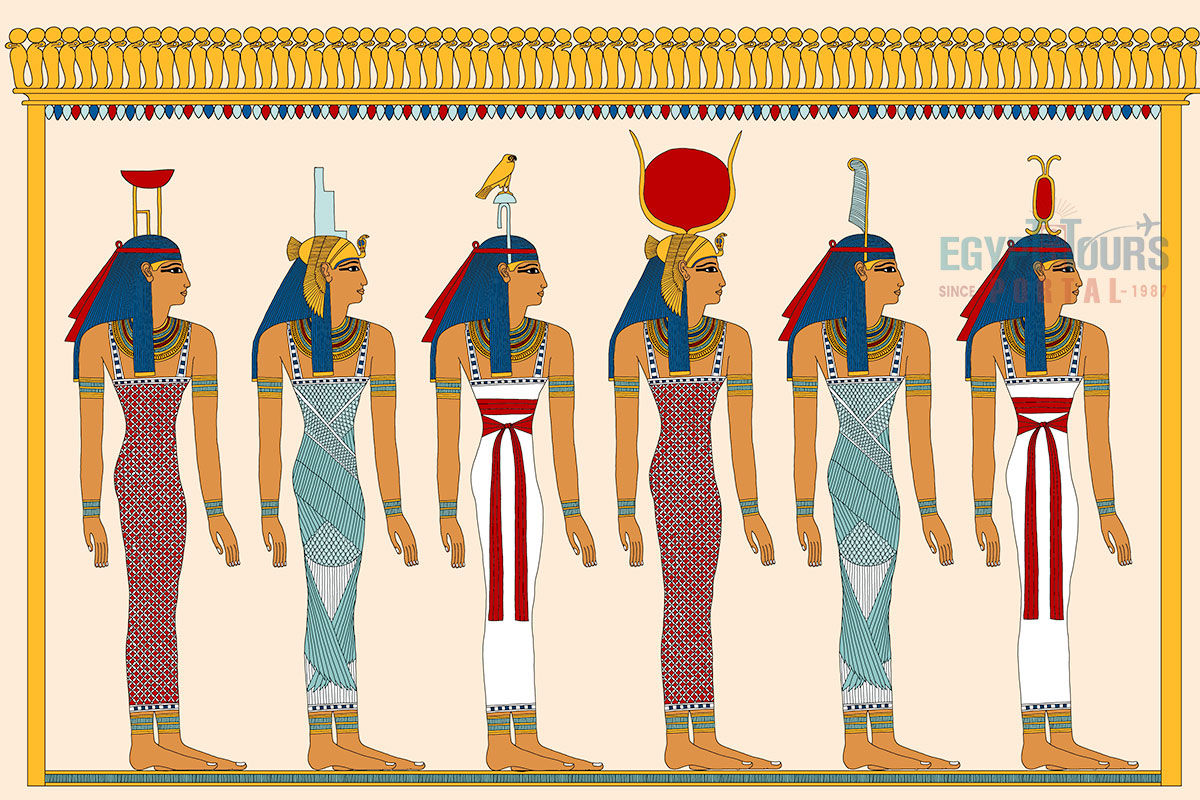
Religion was central to Egyptian life, and women played important roles in religious institutions. Many served as priestesses, especially in the worship of goddesses such as Isis, Hathor, Neith, and Mut. Female musicians, dancers, and singers performed in temple rituals, honoring the gods through sacred music.

The most powerful religious position held by women was the “God’s Wife of Amun.” This title was reserved for elite royal women, particularly during the New Kingdom. The God’s Wife controlled large estates, commanded temple resources, and exercised major political and economic influence in Thebes.

Women were also associated with religious symbolism of fertility, rebirth, and divine protection. Goddesses such as Isis represented motherhood, magic, and royal authority, reinforcing the spiritual importance of women in Egyptian belief systems.

Political Roles of Women

Although men dominated formal political structures, women could achieve significant political power in ancient Egypt. Some queens ruled as pharaohs, the highest authority in the land.

The most famous female ruler was Hatshepsut (c. 1479–1458 BCE), who governed Egypt as a full pharaoh. She adopted traditional male royal imagery and led major building projects and trade expeditions. Her reign was marked by stability and prosperity.

Other influential women included:

  • Nefertiti, who played a key role in religious reforms

  • Queen Tiye, a powerful advisor to Pharaoh Amenhotep III

  • Cleopatra VII, the last ruler of Egypt, who skillfully navigated Roman politics

Even non-royal women could appear in court, sign contracts, own land, and petition government officials, demonstrating their legal autonomy.

Women, Law, and Legal Rights

Egyptian law treated women as independent legal individuals. They could:

  • File lawsuits

  • Testify in court

  • Own businesses

  • Inherit property

  • Write wills

Unlike many ancient societies, women were not considered the legal property of their fathers or husbands. This legal equality allowed women to maintain economic stability and personal agency throughout their lives.

Conclusion

Women in ancient Egypt enjoyed a level of independence, respect, and legal protection that was rare in the ancient world. Their roles in society extended beyond the household into religion, business, and politics. From everyday workers to powerful queens and priestesses, Egyptian women shaped their civilization in meaningful ways. Their status reflects the advanced and balanced nature of ancient Egyptian society, where women were recognized as essential contributors to social order, spiritual life, and political authority.

References

Encyclopaedia Britannica – Women in Ancient Egypt
https://www.britannica.com/topic/women-in-ancient-Egypt

Wikipedia – Women in Ancient Egypt
https://en.wikipedia.org/wiki/Women_in_ancient_Egypt

World History Encyclopedia – Women in Ancient Egypt
https://www.worldhistory.org/Women_in_Ancient_Egypt/

The British Museum – Women in Ancient Egypt
https://www.britishmuseum.org/collection/galleries/ancient-egypt

National Geographic – Powerful Women of Ancient Egypt
https://www.nationalgeographic.com/history/article/ancient-egypt-women-power

The Lost Civilization of Cahokia

November 29, 2025

Exploring North America’s Ancient Urban Center

Cahokia was a massive and complex city located near modern-day St. Louis. At its height around 1050–1200 CE, it was one of the largest urban centers in North America.

A Monumental City

Cahokia featured enormous earthen mounds, central plazas, and organized neighborhoods. Monks Mound remains one of the largest prehistoric earthworks in the Western Hemisphere.

A Network of Influence

The city thrived on:

  • Farming

  • Craft production

  • Trade across vast distances

Its people built a sophisticated society with religious centers, political structures, and vibrant cultural practices.

Why Cahokia Declined

Possible reasons include environmental stress, resource depletion, climate shifts, or social changes. No single answer explains its disappearance.

A Civilization Rediscovered

Cahokia challenges the idea that complex cities only rose in Europe or Mesoamerica, proving that North America had advanced societies long before European contact.

The Role of Gladiators in Roman Society

November 29, 2025

Life, Combat, and the Purpose of Arena Games

Gladiators were trained fighters who performed in arenas like the Colosseum. Their lives were harsh, but they held a unique place in Roman culture.

Who Became Gladiators?

Most were enslaved individuals or prisoners of war, though some volunteered seeking fame or payment.

Training and Combat

They trained in specialized schools, learning various fighting styles and weapon techniques. Matches ranged from ritualized combat to dramatic displays meant to entertain crowds.

Social and Political Purpose

The games served as:

  • Public entertainment

  • Displays of power by political leaders

  • Ritual events tied to Roman beliefs about honor, death, and spectacle

A Complex Legacy

While often remembered for violence, gladiators also symbolize courage, discipline, and the dramatic culture of ancient Rome.

The History of Ancient Coins and Currency

November 29, 2025

How Early Civilizations Invented Money and Trade Systems

The development of currency transformed economic life, allowing communities to move beyond bartering and create more complex trade systems.

Early Forms of Money

Before coins, people used items like shells, beads, and metal pieces as a medium of exchange.

The First Coins

Lydia, in modern Turkey, created some of the earliest known coins around the 7th century BCE. These coins were made of electrum and stamped with royal symbols.

Spread Across the Ancient World

Coinage quickly spread to Greece, Persia, India, and China. It made trade easier, supported taxation, and strengthened political authority.

Economic Innovation

Currency allowed civilizations to:

  • Build markets

  • Expand trade routes

  • Standardize value

  • Support growing economies

A Foundation for Modern Finance

These early innovations paved the way for today’s global monetary systems.

← Newer Posts Older Posts →
Featured
image_2026-02-16_184952865.png
Feb 16, 2026
Archaeologists Found a 5,000-Year-Old Fortress That Nature Had Hidden for Centuries
Feb 16, 2026
Read More →
Feb 16, 2026
image_2026-02-16_184823467.png
Feb 16, 2026
Illegal structure found near Naneghat caves in Pune’s Junnar, FIR registered by ASI
Feb 16, 2026
Read More →
Feb 16, 2026
image_2026-02-16_184626111.png
Feb 16, 2026
Zionist enemy delivers notice of "seizure" of archaeological site in Masafer Yatta, issues demolition orders for homes north of al-Quds Zionist
Feb 16, 2026
Read More →
Feb 16, 2026
image_2026-02-16_184406180.png
Feb 16, 2026
The Glauberg Celtic Prince: A 5th Century BCE Most Extraordinary Iron Age Royal Discovery
Feb 16, 2026
Read More →
Feb 16, 2026
image_2026-02-16_184258282.png
Feb 16, 2026
Oldest cave art in the world discovered – and it wasn't made by humans
Feb 16, 2026
Read More →
Feb 16, 2026
image_2026-02-15_210430819.png
Feb 15, 2026
The Most INCREDIBLE Archaeological Discoveries of December 2025
Feb 15, 2026
Read More →
Feb 15, 2026
read more

Powered by The archaeologist