• MAIN PAGE
  • LATEST NEWS
    • Lost Cities
    • Archaeology's Greatest Finds
    • Underwater Discoveries
    • Greatest Inventions
    • Studies
    • Blog
  • PHILOSOPHY
  • HISTORY
  • RELIGIONS
    • Africa
    • Anatolia
    • Arabian Peninsula
    • Balkan Region
    • China - East Asia
    • Europe
    • Eurasian Steppe
    • Levant
    • Mesopotamia
    • Oceania - SE Asia
    • Pre-Columbian Civilizations of America
    • Iranian Plateau - Central Asia
    • Indus Valley - South Asia
    • Japan
    • The Archaeologist Editor Group
    • Scientific Studies
    • Aegean Prehistory
    • Historical Period
    • Byzantine Middle Ages
    • Predynastic Period
    • Dynastic Period
    • Greco-Roman Egypt
  • Rome
  • PALEONTOLOGY
  • About us
Menu

The Archaeologist

  • MAIN PAGE
  • LATEST NEWS
  • DISCOVERIES
    • Lost Cities
    • Archaeology's Greatest Finds
    • Underwater Discoveries
    • Greatest Inventions
    • Studies
    • Blog
  • PHILOSOPHY
  • HISTORY
  • RELIGIONS
  • World Civilizations
    • Africa
    • Anatolia
    • Arabian Peninsula
    • Balkan Region
    • China - East Asia
    • Europe
    • Eurasian Steppe
    • Levant
    • Mesopotamia
    • Oceania - SE Asia
    • Pre-Columbian Civilizations of America
    • Iranian Plateau - Central Asia
    • Indus Valley - South Asia
    • Japan
    • The Archaeologist Editor Group
    • Scientific Studies
  • GREECE
    • Aegean Prehistory
    • Historical Period
    • Byzantine Middle Ages
  • Egypt
    • Predynastic Period
    • Dynastic Period
    • Greco-Roman Egypt
  • Rome
  • PALEONTOLOGY
  • About us

5,000-Year-Old Evidence of Whaling Found in Brazil News January 14, 2026

January 15, 2026

BARCELONA, SPAIN—A statement from the Autonomous University of Barcelona reports that communities living around 5,000 years ago in the Babitonga Bay region on Brazil’s southern coast actively hunted whales. An international research team led by Krista McGrath and André Colonese examined whale bones and bone tools recovered from sambaquis, or shell mounds, in the area. These materials are currently held at the Archaeological Museum of Sambaqui of Joinville.

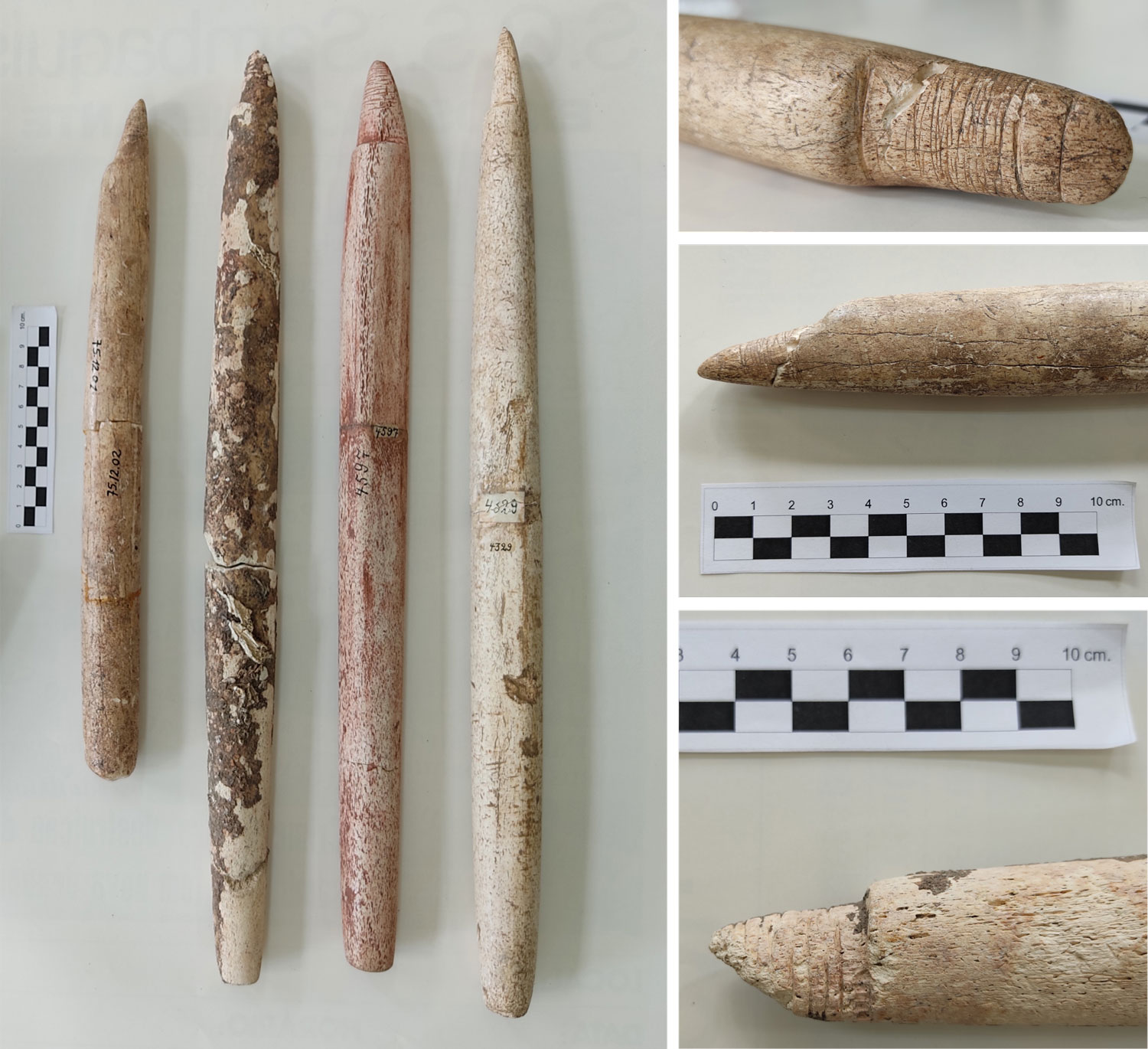
The analysis identified remains from several species, including southern right whales, humpback whales, blue whales, sei whales, sperm whales, and dolphins. Many of the bones displayed clear cut marks consistent with butchering. The researchers also documented large harpoons made from whale bone, suggesting that these marine mammals were deliberately hunted rather than opportunistically scavenged.

According to McGrath, the findings show that these ancient communities possessed the expertise, equipment, and specialized methods needed to hunt large whales far earlier than previously believed.
← See a 157-Year-Old Great Lakes Shipwreck in Stunning Detail With This New 3D ScanK. Marinakos: The Peloponnese has everything, except the share of tourism it deserves →
Featured
image_2026-01-15_185329992.png
Jan 15, 2026
Gold rings and marble found underneath Roman city
Jan 15, 2026
Read More →
Jan 15, 2026
image_2026-01-15_184531514.png
Jan 15, 2026
Bronze Age Burial Uncovered in Greece
Jan 15, 2026
Read More →
Jan 15, 2026
image_2026-01-15_182144669.png
Jan 15, 2026
Hidden rock art dating back 5,000 years uncovered in Saudi Arabia
Jan 15, 2026
Read More →
Jan 15, 2026
image_2026-01-15_180547635.png
Jan 15, 2026
The Archeological Menagerie: China Uncovers 3,000-Year-Old ‘Zoo’
Jan 15, 2026
Read More →
Jan 15, 2026
image_2026-01-15_180440466.png
Jan 15, 2026
Possible Anglo-Saxon Royal Burial Discovered in England News January 14, 2026
Jan 15, 2026
Read More →
Jan 15, 2026
image_2026-01-15_174835176.png
Jan 15, 2026
The First Americans May Not Have Crossed Beringia at All — Hokkaido Could Be the Starting Point
Jan 15, 2026
Read More →
Jan 15, 2026
read more

Powered by The archaeologist