Worship Beyond Humanity
In many ancient cultures, animals were not just part of the natural world—they were sacred beings, symbols of divine power, and objects of worship.
Animal cults developed as societies began to associate certain animals with gods, spiritual forces, or cosmic principles.
Sacred Animals
Different cultures revered different animals.
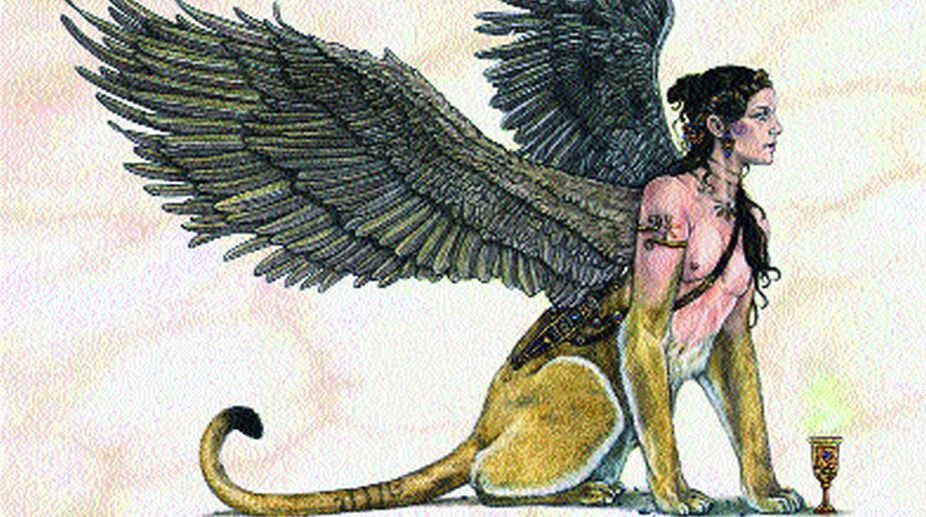
In Ancient Egypt, cats, bulls, and falcons were closely linked to specific deities. Other societies honored snakes, birds, or large predators, seeing them as powerful or protective figures.
These animals were often believed to embody divine qualities such as strength, wisdom, fertility, or protection.
Ritual Practices
Animal cults involved a variety of rituals.
These could include offerings, ceremonies, and even the care or breeding of sacred animals. In some cases, animals were kept in temples and treated with great reverence.
Rituals might also involve symbolic acts, such as wearing animal imagery or performing dances that imitated animal behavior.
Sacred Sites
Temples and shrines dedicated to animals served as centers of worship.
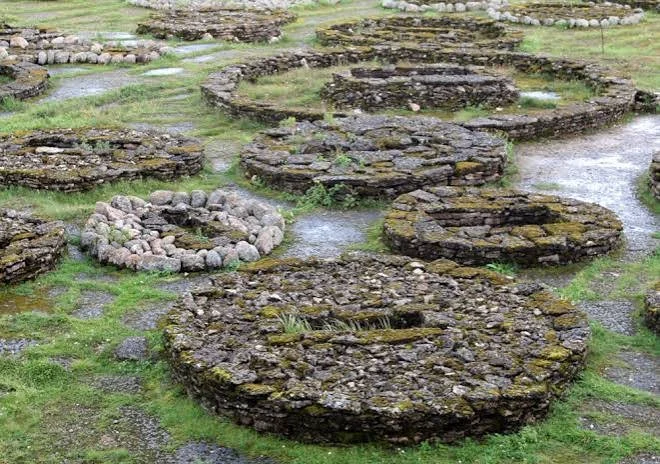
Archaeological evidence shows that these sites often contained statues, carvings, and offerings related to the animals being honored.
Some locations also reveal burial practices for sacred animals, suggesting deep spiritual significance.
Symbolism and Belief
Animal worship reflects how ancient people understood the world.
Animals represented natural forces and qualities that humans admired or feared. By honoring them, societies sought to connect with these forces.
Cultural Impact
Animal cults influenced art, mythology, and daily life.
They shaped how people interacted with nature and how they expressed spiritual beliefs.