Turning Sand Into Wonder
The creation of glass is one of the most fascinating achievements of the ancient world. At its core, glass is made from simple materials—sand, heat, and minerals—yet the result is a substance that is both beautiful and versatile. For early societies, learning how to transform raw materials into glass felt almost magical.
The earliest known glassmaking developed in regions such as Mesopotamia and Ancient Egypt, where artisans began experimenting with high-temperature furnaces and mineral mixtures.
Early Techniques
Early glassmakers did not immediately produce clear glass as we know it today. Instead, their first creations were often opaque, colored, and used as decorative elements.
Glass was initially formed by shaping molten material around a core, creating beads, small vessels, or decorative inlays. Later, techniques improved, allowing artisans to mold, cast, and eventually blow glass into more complex shapes.
The addition of minerals such as copper or cobalt produced vibrant colors—deep blues, greens, and reds—that made glass highly desirable.
Tools and Innovation
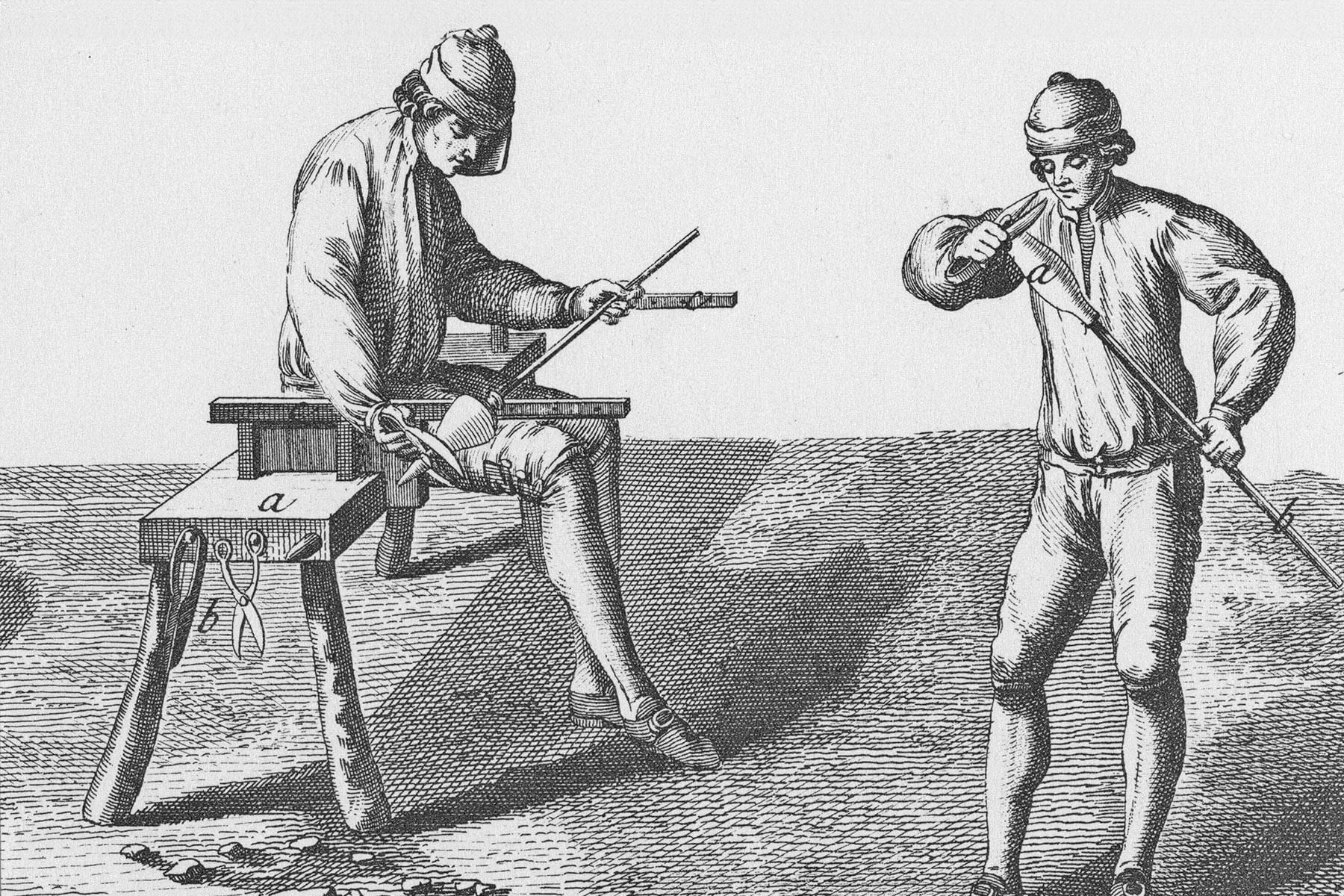
Producing glass required advanced control of heat and materials.
Ancient furnaces had to reach extremely high temperatures, and artisans needed skill to handle molten glass safely. Tools for shaping and cutting glass evolved over time, enabling greater precision and creativity.
These innovations demonstrate a deep understanding of materials and craftsmanship, even without modern scientific knowledge.
Cultural Value
Glass objects were often considered luxury items.
Because of the difficulty of production, they were rare and valuable, typically owned by elites or used in religious contexts. Glass beads, amulets, and vessels were worn or displayed as symbols of status and beauty.
In some cultures, glass was believed to have protective or magical properties, adding to its significance.
Trade and Influence
Glass objects were widely traded, spreading techniques and styles across regions.
As knowledge of glassmaking expanded, it contributed to cultural exchange and technological development.
A Lasting Legacy
The work of early glassmakers laid the foundation for a material that continues to shape modern life.
From art to technology, glass remains one of humanity’s most important and versatile creations.