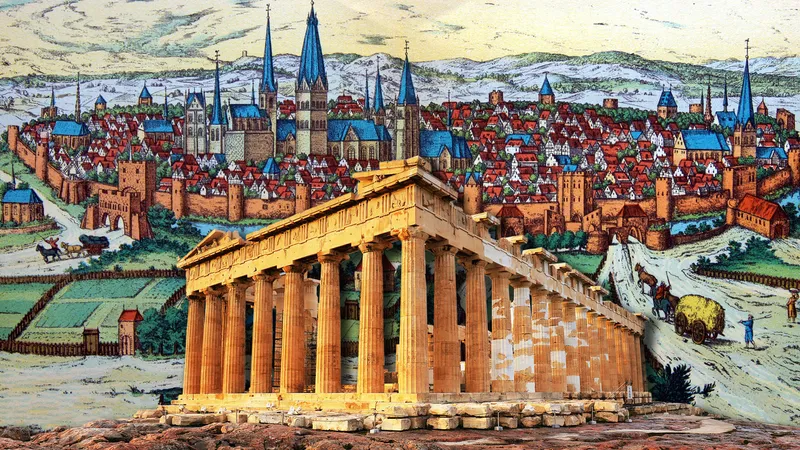
The Birth of Organized Society
The emergence of city-states marked a major turning point in human history.
A city-state was a self-contained urban center with its own government, economy, and culture. These early political units laid the foundation for modern civilizations.
Formation of City-States
City-states developed as populations grew and settlements became more permanent.
In regions like Mesopotamia, access to water and fertile land allowed communities to expand into cities.
Over time, these cities became independent centers of power.
Political Structure
Each city-state had its own system of governance.
Some were ruled by kings, while others had councils or assemblies. Laws were created to maintain order, regulate trade, and define social roles.
This organization allowed city-states to function efficiently and maintain stability.
Economic Growth
City-states became centers of trade and production.
Markets, workshops, and storage facilities supported economic activity. Goods were exchanged locally and with distant regions, contributing to prosperity.
Cultural Development
These urban centers fostered innovation.
Writing systems, art, architecture, and science all developed within city-states. They became hubs of cultural and intellectual growth.
Influence on Civilization
The rise of city-states shaped the course of history.
They introduced new forms of governance, social organization, and cultural expression that continue to influence the modern world.