Monuments of the Dead
Long before the rise of monumental stone pyramids, ancient communities were already building impressive structures to honor their dead.
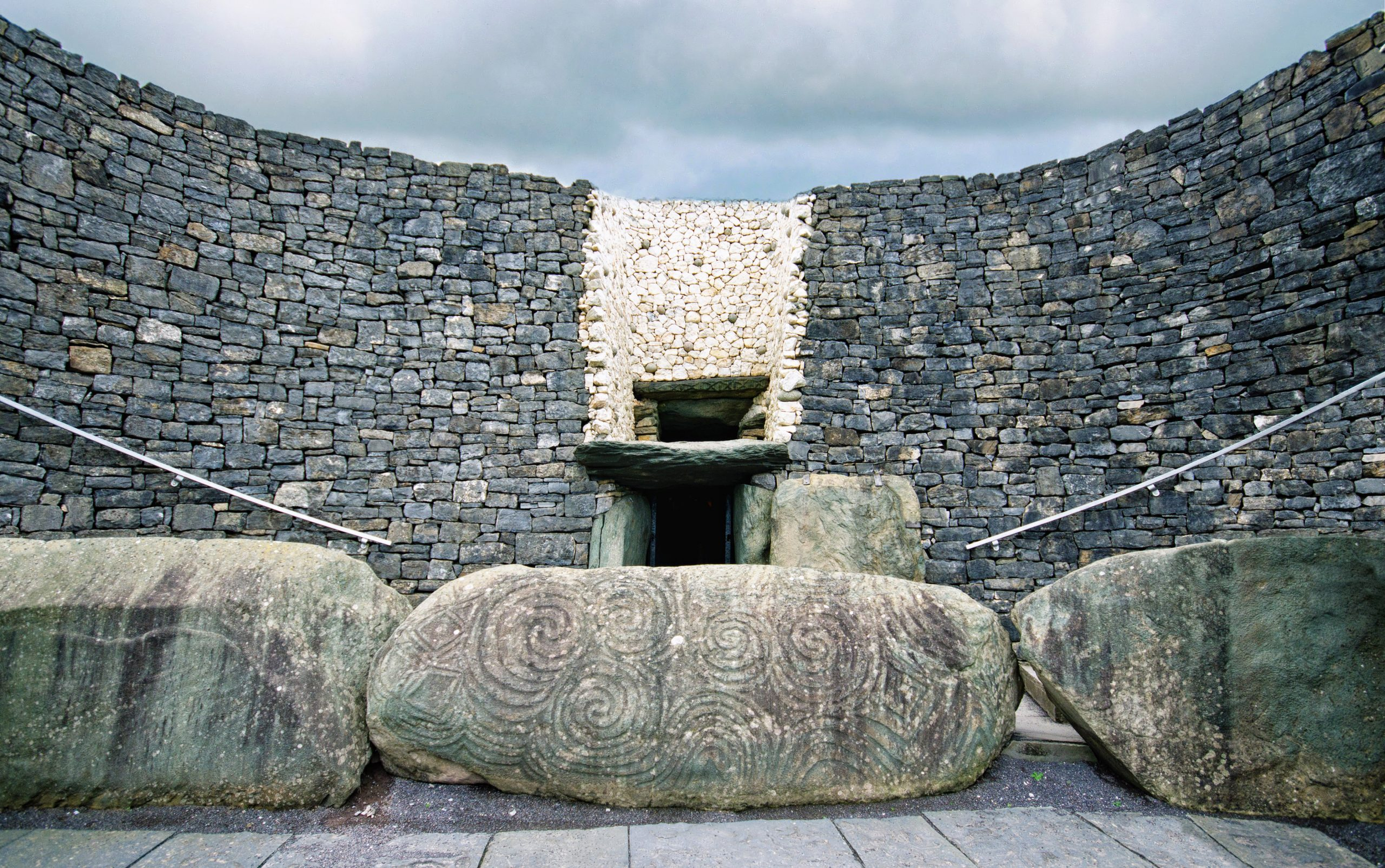
Burial mounds—large heaps of earth and stone—are among the oldest known funerary monuments in human history.
Construction Techniques
These mounds were created by carefully piling layers of soil, stone, and sometimes wood over graves.
Some were simple, while others were massive constructions requiring coordinated labor from entire communities. The effort involved suggests a strong cultural importance placed on burial practices.
In certain cases, multiple individuals were buried within a single mound, indicating shared or communal significance.
Spiritual Beliefs
The construction of burial mounds reflects early beliefs about death and the afterlife.
Ancient people may have viewed these structures as protective coverings for the deceased or as gateways to another world.
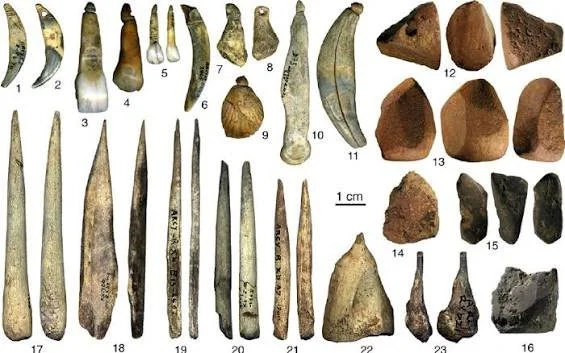
Objects placed within the mounds—such as tools, ornaments, or food—suggest that the dead were believed to continue existing in some form.
Cultural Importance
Burial mounds often became important landmarks within the landscape.
They served as physical reminders of ancestors and may have been used as sites for ongoing rituals or gatherings.
These monuments helped maintain a connection between the living and the dead, reinforcing a sense of identity and continuity.
A Window Into Early Society
By studying burial mounds, archaeologists gain valuable insights into social structures, beliefs, and traditions.
Differences in size and contents can reveal status, roles, and relationships within ancient communities.
Timeless Symbols of Memory
Even today, burial mounds stand as silent witnesses to humanity’s earliest efforts to understand death.
They reflect a deep respect for the past and a desire to preserve memory across generations.