Strongholds Above the Land
Across ancient landscapes, high above valleys and plains, early societies built fortresses on hilltops. These elevated strongholds offered both security and strategic advantage, making them essential in times of conflict.
Hilltop fortresses were not simply defensive structures—they were symbols of power, control, and survival.
Strategic Design
Built on elevated terrain, these fortresses took advantage of natural geography.
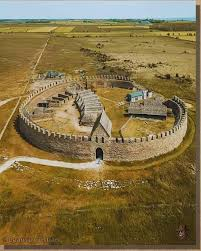
Steep slopes made it difficult for enemies to approach, while narrow pathways limited access. Thick stone walls, watchtowers, and fortified gates added additional layers of defense.
From these high positions, inhabitants could observe vast areas, spotting potential threats long before they arrived.
Life Inside the Fortress
Hilltop fortresses were often self-contained communities.
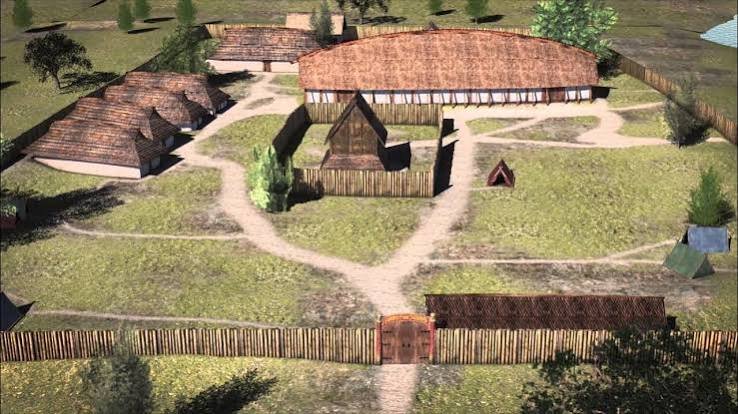
Inside their walls, people lived, stored food, and prepared for both daily life and potential attacks. Structures included homes, storage facilities, water systems, and defensive installations.
In times of danger, nearby populations could retreat into these fortified spaces for protection.
Centers of Authority
These fortresses were often controlled by leaders or ruling elites.
Their elevated position not only provided defense but also symbolized authority. To live above the surrounding land was to demonstrate power and control over the region.
Abandonment and Rediscovery
Over time, many hilltop fortresses were abandoned.
Changes in political power, trade routes, or environmental conditions may have made these locations less practical. Without maintenance, structures fell into ruin.
Today, archaeologists rediscover these sites, uncovering walls, foundations, and artifacts that reveal how people once lived and defended themselves.
Echoes of Ancient Strategy
The ruins of hilltop fortresses remind us of a time when survival depended on vigilance and strategic planning.
They stand as enduring symbols of resilience and the human ability to adapt to challenging environments.