Sacred Sites in Harsh Landscapes
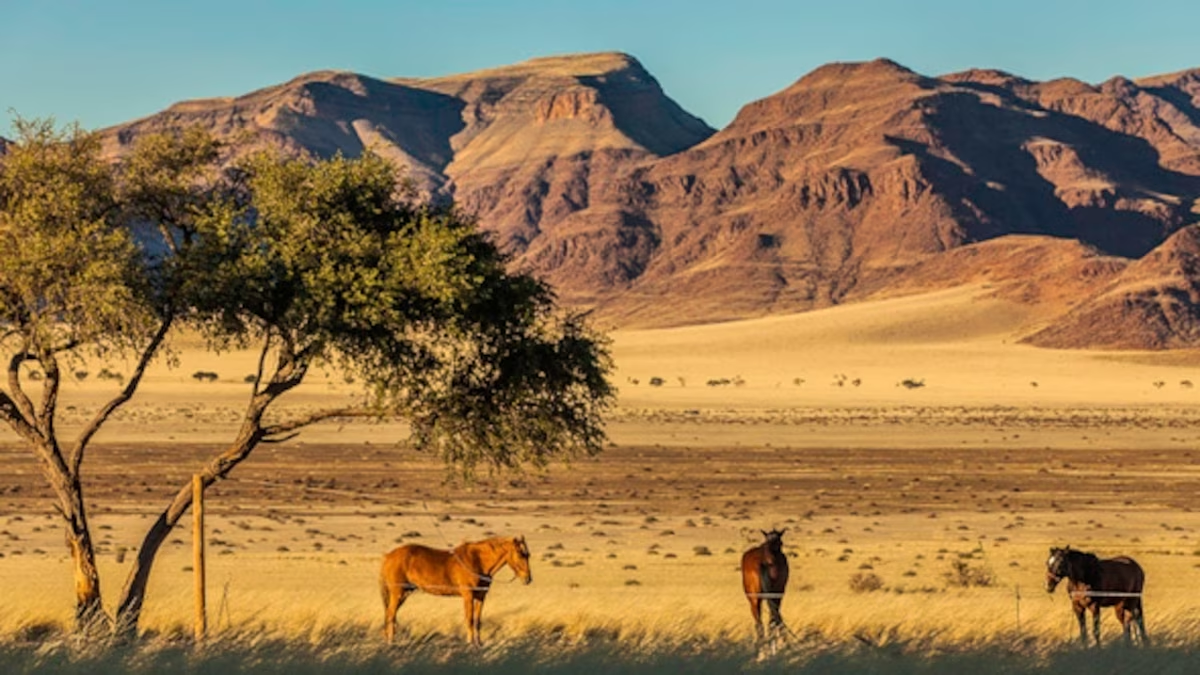
Deserts are among the most challenging environments on Earth, yet ancient people still found ways to create meaningful spiritual spaces within them.
Desert sanctuaries reveal how belief and ritual adapted to extreme conditions.
Purpose and Ritual
These sites were often used for ceremonies, offerings, and seasonal gatherings.
Despite limited resources, people traveled to these locations to perform rituals that may have been tied to survival, fertility, or environmental cycles.
Water sources—such as springs or oases—were especially important and often became central features of these sanctuaries.
Architecture and Simplicity
Unlike large temples in fertile regions, desert sanctuaries were often simple in design.
Stone circles, carved markers, or small structures defined sacred areas. Their simplicity reflects both environmental limitations and focused spiritual intent.
Isolation and Meaning
The remote nature of these sanctuaries likely enhanced their significance.
Traveling long distances through harsh terrain required commitment, making the journey itself part of the ritual.
Isolation also created a sense of separation from everyday life, allowing participants to focus on spiritual experience.
Adaptation and Resilience
These sites demonstrate the adaptability of ancient cultures.
Even in difficult environments, people found ways to express belief, create rituals, and maintain spiritual traditions.
Hidden Sacred Landscapes
Desert sanctuaries remind us that spirituality is not limited by geography.
Even in the most unforgiving landscapes, humans have sought meaning, connection, and understanding.