• MAIN PAGE
  • LATEST NEWS
    • Lost Cities
    • Archaeology's Greatest Finds
    • Underwater Discoveries
    • Greatest Inventions
    • Studies
    • Blog
  • PHILOSOPHY
  • HISTORY
  • RELIGIONS
    • Africa
    • Anatolia
    • Arabian Peninsula
    • Balkan Region
    • China - East Asia
    • Europe
    • Eurasian Steppe
    • Levant
    • Mesopotamia
    • Oceania - SE Asia
    • Pre-Columbian Civilizations of America
    • Iranian Plateau - Central Asia
    • Indus Valley - South Asia
    • Japan
    • The Archaeologist Editor Group
    • Scientific Studies
    • Aegean Prehistory
    • Historical Period
    • Byzantine Middle Ages
    • Predynastic Period
    • Dynastic Period
    • Greco-Roman Egypt
  • Rome
  • PALEONTOLOGY
  • About us
Menu

The Archaeologist

  • MAIN PAGE
  • LATEST NEWS
  • DISCOVERIES
    • Lost Cities
    • Archaeology's Greatest Finds
    • Underwater Discoveries
    • Greatest Inventions
    • Studies
    • Blog
  • PHILOSOPHY
  • HISTORY
  • RELIGIONS
  • World Civilizations
    • Africa
    • Anatolia
    • Arabian Peninsula
    • Balkan Region
    • China - East Asia
    • Europe
    • Eurasian Steppe
    • Levant
    • Mesopotamia
    • Oceania - SE Asia
    • Pre-Columbian Civilizations of America
    • Iranian Plateau - Central Asia
    • Indus Valley - South Asia
    • Japan
    • The Archaeologist Editor Group
    • Scientific Studies
  • GREECE
    • Aegean Prehistory
    • Historical Period
    • Byzantine Middle Ages
  • Egypt
    • Predynastic Period
    • Dynastic Period
    • Greco-Roman Egypt
  • Rome
  • PALEONTOLOGY
  • About us

Ancient Desert Ocean Civilizations

April 7, 2026

Landscapes Transformed by Time

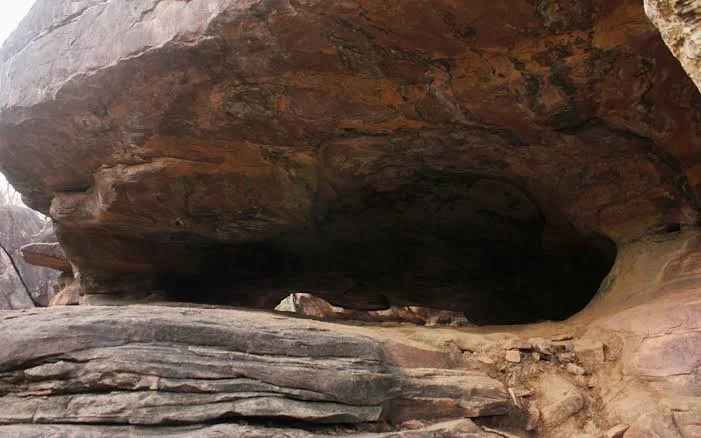
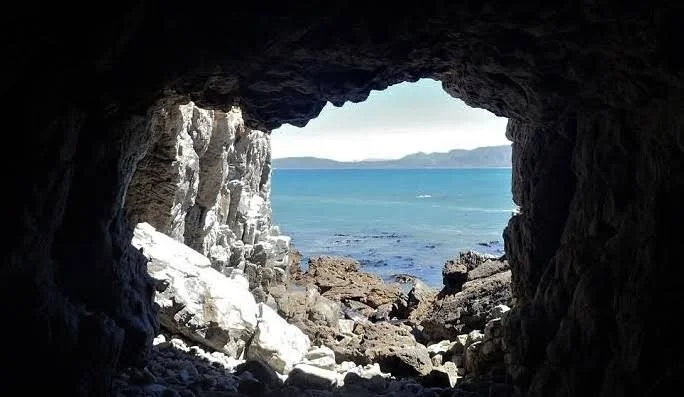
Many of today’s deserts were once vibrant landscapes filled with water, vegetation, and life. In these environments, ancient civilizations thrived, building settlements along coastlines, rivers, and lakes.

Over time, changes in climate transformed these regions. Water sources dried up, and fertile land became arid desert.

Life in a Different Environment

When these regions were still rich in resources, communities developed agriculture, trade, and social structures. They adapted to their environment, making use of available water and fertile soil.

The Process of Change

Climate shifts, such as reduced rainfall or changes in temperature, gradually altered these landscapes. As conditions became harsher, communities faced difficult choices.

Adapting or Moving

Some groups adapted by changing their practices, while others migrated to more hospitable areas. In some cases, entire settlements were abandoned.

Archaeological Evidence

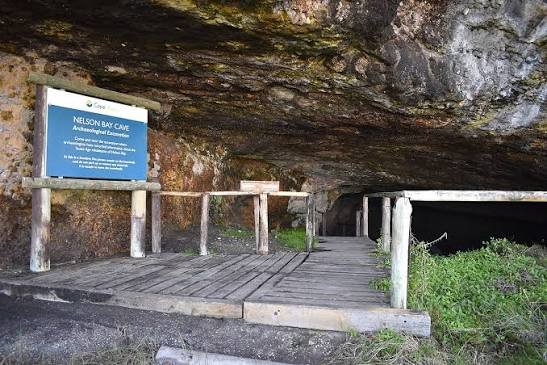
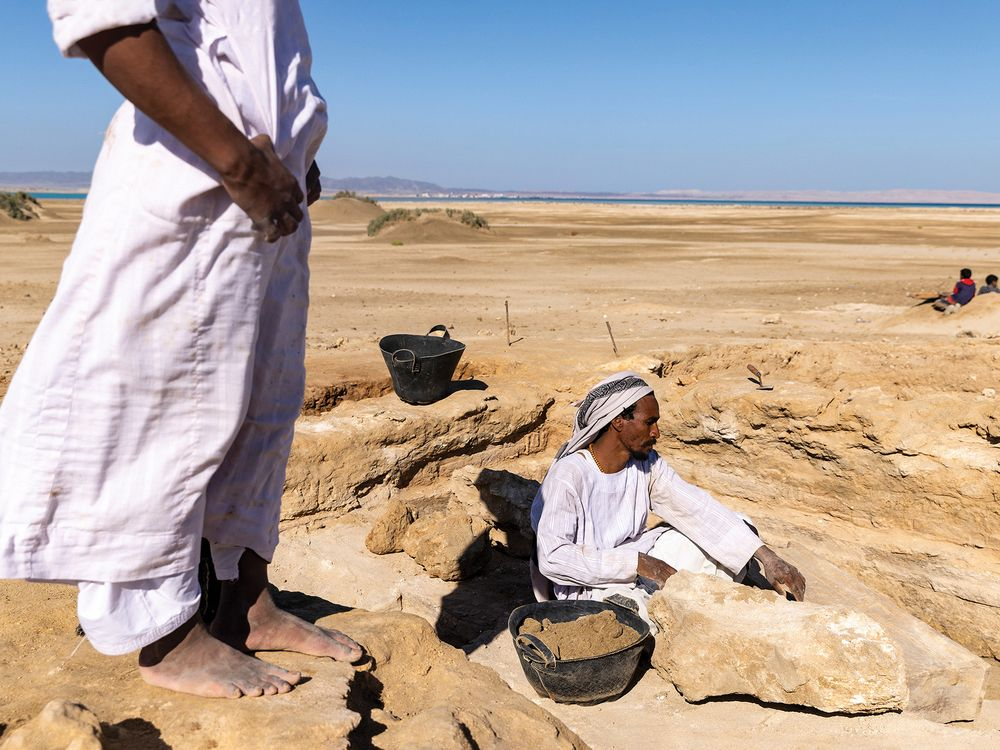
Today, traces of these civilizations remain—tools, structures, and other artifacts buried beneath desert sands. These discoveries provide valuable insights into past environments and human resilience.

Lessons for the Present

The story of ancient desert ocean civilizations offers important lessons about environmental change. It shows how closely human societies are connected to their surroundings.

Understanding these past transformations can help us better respond to modern challenges related to climate and sustainability.
← The Forgotten Pyramid Builders of SudanThe First Human Clocks Made of Nature →
Featured
image_2026-04-07_232004976.png
Apr 7, 2026
The Ritual Masks of Early Human Civilizations
Apr 7, 2026
Read More →
Apr 7, 2026
image_2026-04-07_231904904.png
Apr 7, 2026
The First Seafarers of the Pacific Ocean
Apr 7, 2026
Read More →
Apr 7, 2026
image_2026-04-07_231824684.png
Apr 7, 2026
Mythic Cities Mentioned Only in Oral Traditions
Apr 7, 2026
Read More →
Apr 7, 2026
image_2026-04-07_231653415.png
Apr 7, 2026
The Origins of Ancient Desert Kingdoms
Apr 7, 2026
Read More →
Apr 7, 2026
image_2026-04-07_231344329.png
Apr 7, 2026
The Oldest Metal Tools Ever Forged
Apr 7, 2026
Read More →
Apr 7, 2026
image_2026-04-07_231417616.png
Apr 7, 2026
The Lost Animal Cults of Prehistoric Europe
Apr 7, 2026
Read More →
Apr 7, 2026
read more

Powered by The archaeologist