• MAIN PAGE
  • LATEST NEWS
    • Lost Cities
    • Archaeology's Greatest Finds
    • Underwater Discoveries
    • Greatest Inventions
    • Studies
    • Blog
  • PHILOSOPHY
  • HISTORY
  • RELIGIONS
    • Africa
    • Anatolia
    • Arabian Peninsula
    • Balkan Region
    • China - East Asia
    • Europe
    • Eurasian Steppe
    • Levant
    • Mesopotamia
    • Oceania - SE Asia
    • Pre-Columbian Civilizations of America
    • Iranian Plateau - Central Asia
    • Indus Valley - South Asia
    • Japan
    • The Archaeologist Editor Group
    • Scientific Studies
    • Aegean Prehistory
    • Historical Period
    • Byzantine Middle Ages
    • Predynastic Period
    • Dynastic Period
    • Greco-Roman Egypt
  • Rome
  • PALEONTOLOGY
  • About us
Menu

The Archaeologist

  • MAIN PAGE
  • LATEST NEWS
  • DISCOVERIES
    • Lost Cities
    • Archaeology's Greatest Finds
    • Underwater Discoveries
    • Greatest Inventions
    • Studies
    • Blog
  • PHILOSOPHY
  • HISTORY
  • RELIGIONS
  • World Civilizations
    • Africa
    • Anatolia
    • Arabian Peninsula
    • Balkan Region
    • China - East Asia
    • Europe
    • Eurasian Steppe
    • Levant
    • Mesopotamia
    • Oceania - SE Asia
    • Pre-Columbian Civilizations of America
    • Iranian Plateau - Central Asia
    • Indus Valley - South Asia
    • Japan
    • The Archaeologist Editor Group
    • Scientific Studies
  • GREECE
    • Aegean Prehistory
    • Historical Period
    • Byzantine Middle Ages
  • Egypt
    • Predynastic Period
    • Dynastic Period
    • Greco-Roman Egypt
  • Rome
  • PALEONTOLOGY
  • About us

The First Human Clocks Made of Nature

April 7, 2026

Time Measured by the World Around Us

Before the invention of mechanical clocks, humans relied on the natural world to measure time. The regular patterns of the sun, moon, and seasons provided a reliable framework for organizing daily life.

These natural cycles were not only practical but also deeply connected to cultural and spiritual beliefs.

Shadow Sticks and Early Timekeeping

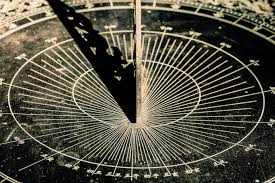
One of the simplest tools used for measuring time was the shadow stick. By placing a stick upright in the ground, people could observe the movement of its shadow throughout the day.

This method allowed them to estimate time and understand the passage of hours. Over time, this evolved into more structured systems like sundials.

Seasonal Markers and Observation

Changes in the environment also served as indicators of time. The movement of the sun along the horizon, the phases of the moon, and the behavior of plants and animals all provided clues about seasonal changes.

These observations were especially important for agriculture, helping people decide when to plant and harvest.

Organizing Life and Society

Natural timekeeping systems allowed communities to plan activities, coordinate events, and maintain order. They provided a shared understanding of time that supported social organization.

A Foundation for Modern Timekeeping

Although simple, these early methods laid the groundwork for more advanced systems. Modern clocks and calendars still reflect the natural cycles that ancient people first observed.

← Ancient Desert Ocean CivilizationsAncient Glass Makers and Proto-Alchemists →
Featured
image_2026-04-07_232004976.png
Apr 7, 2026
The Ritual Masks of Early Human Civilizations
Apr 7, 2026
Read More →
Apr 7, 2026
image_2026-04-07_231904904.png
Apr 7, 2026
The First Seafarers of the Pacific Ocean
Apr 7, 2026
Read More →
Apr 7, 2026
image_2026-04-07_231824684.png
Apr 7, 2026
Mythic Cities Mentioned Only in Oral Traditions
Apr 7, 2026
Read More →
Apr 7, 2026
image_2026-04-07_231653415.png
Apr 7, 2026
The Origins of Ancient Desert Kingdoms
Apr 7, 2026
Read More →
Apr 7, 2026
image_2026-04-07_231344329.png
Apr 7, 2026
The Oldest Metal Tools Ever Forged
Apr 7, 2026
Read More →
Apr 7, 2026
image_2026-04-07_231417616.png
Apr 7, 2026
The Lost Animal Cults of Prehistoric Europe
Apr 7, 2026
Read More →
Apr 7, 2026
read more

Powered by The archaeologist