Ancient Egyptian Magic: The Use of Heka in Daily Life
Introduction
In Ancient Egypt, magic was not separate from religion or science—it was part of everyday life. The Egyptians called this magical force heka, a concept that referred to divine power used to influence the world. Heka was believed to be present in nature, the gods, and even human actions, shaping health, protection, and fate.
What Is Heka?
Heka was understood as:
A divine force given by the gods
A tool used by priests, healers, and ordinary people
A way to maintain balance and order (Ma’at)
Both spiritual power and practical protection
It was not seen as superstition, but as a normal part of reality.
Heka in Daily Life
Egyptians used magic in many everyday situations:
Protection
Amulets worn for safety
Spells to protect homes and families
Charms against illness and evil spirits
Health and Healing
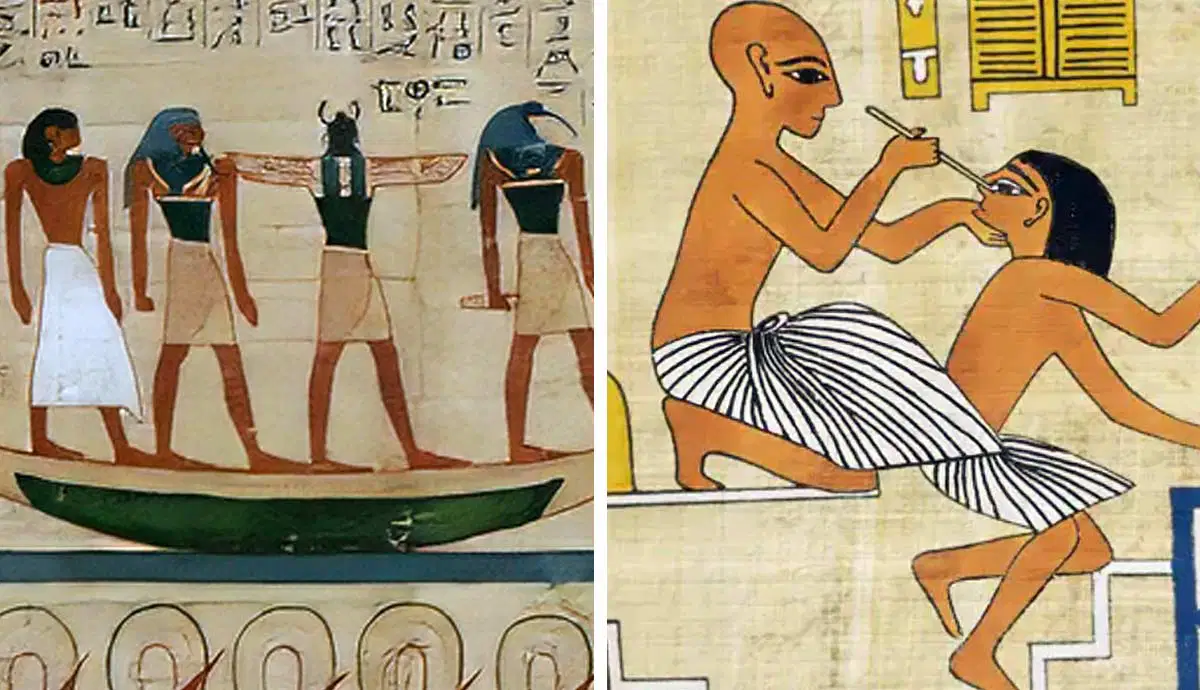
Medical treatments combined with spells
Prayers to healing deities
Rituals performed by priest-physicians
Birth and Childhood
Protective spells for pregnant women
Amulets placed on infants
Rituals to ensure safe childbirth
Magic and Religion
Heka was deeply connected to religious belief.
Gods were believed to use magic to maintain the universe
Priests acted as intermediaries of divine power
Temples were centers of magical rituals
Spells were often recited during ceremonies
Magic was considered part of divine order, not opposed to religion.
The Role of Priests and Healers
Specialized practitioners included:
Temple priests who performed rituals
Scribes who wrote magical texts
Healers who combined medicine and spells
Magicians serving elite households or temples
They used spoken formulas, rituals, and written incantations.
Magical Texts and Spells
Magic was recorded in written form:
Spells written on papyrus
Inscribed amulets and objects
Instructions for rituals and healing
Funerary texts for protection in the afterlife
Written words were believed to have real power when spoken or activated.
Heka and the Gods
The god Heka represented magical power itself.
Other important deities associated with protection and magic included:
Isis (healing and protection)
Thoth (wisdom and writing)
Sekhmet (healing and destruction)
Magic was seen as a gift from the gods to humanity.
Funerary Magic and the Afterlife
Heka was especially important after death:
Spells to guide the soul safely
Protection against dangerous spirits
Rituals to preserve the body and identity
Instructions in tombs and burial texts
Without magic, survival in the afterlife was believed to be impossible.
Magic vs. Medicine
In Ancient Egypt, there was no strict division between medicine and magic:
Doctors used herbs and spells together
Illness was seen as both physical and spiritual
Healing required both treatment and ritual
This integrated approach made Egyptian medicine unique.
Conclusion
Heka was a central part of life in Ancient Egypt, shaping how people understood health, safety, and the universe itself. Far from being separate from science or religion, magic was woven into daily existence, influencing everything from childbirth to healing to burial practices. Through heka, the Egyptians believed they could interact directly with divine forces to maintain balance and protection in their world.