The Discovery of Transformation
The creation of glass marked a significant moment in human history. Ancient people discovered that by applying intense heat to certain materials, they could transform them into something entirely new. This process revealed the power of fire as a tool for innovation.
Early Techniques and Materials
Glass was typically made by heating sand with other substances at high temperatures. Achieving these temperatures required skill and control, often using specially designed furnaces.
The process was complex and required careful timing and observation. Small changes in temperature or materials could produce different results.
Experimentation and Innovation
Ancient glass makers were early experimenters. They tested different combinations of materials and techniques, gradually improving their methods.
This process of trial and error resembles early scientific thinking. It reflects curiosity, observation, and a desire to understand how materials behave.
Proto-Alchemy and Transformation
The ability to transform materials may have inspired early ideas about alchemy—the belief that substances could be changed into something more valuable or powerful.
While not scientific in the modern sense, these ideas show an early attempt to understand transformation and the nature of matter.
Cultural and Practical Uses
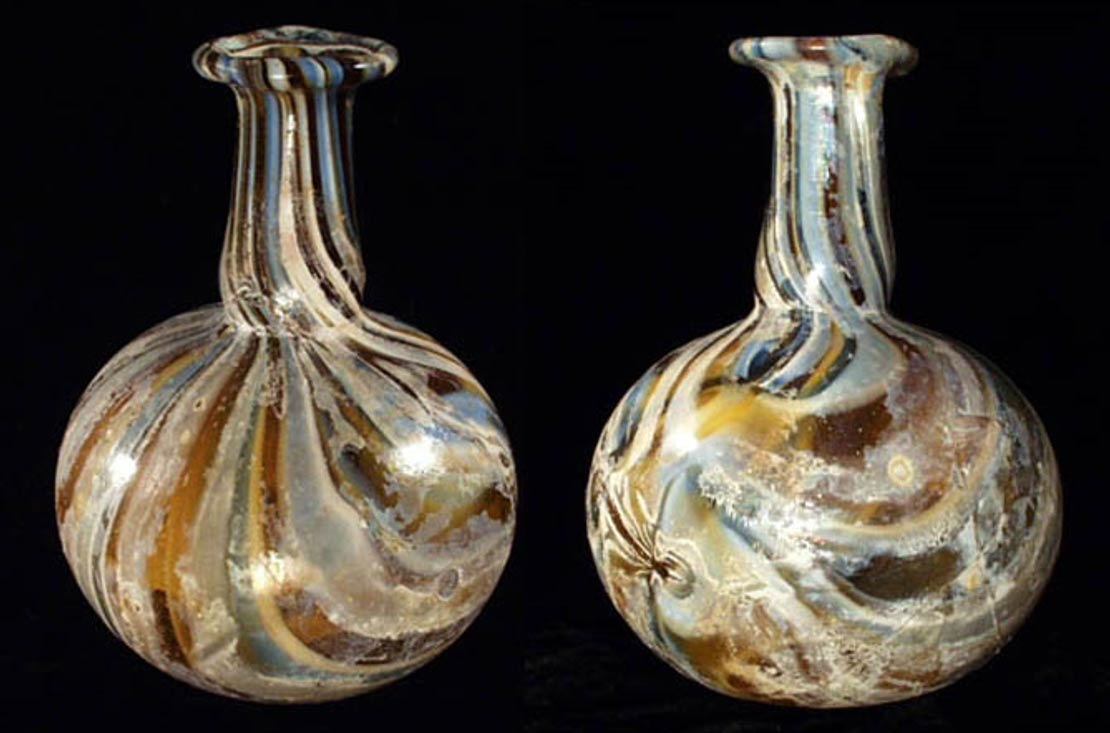
Glass was used for both practical and decorative purposes. It could be shaped into beads, containers, or ornaments, often valued for its beauty and rarity.
A Step Toward Science
The work of ancient glass makers contributed to the development of chemistry and material science. Their experiments laid the groundwork for future discoveries.