Rituals of Memory and Meaning
Burial practices dating back 10,000 years reveal that early humans had complex beliefs about death and the afterlife. These ceremonies were not simple acts of disposal—they were meaningful rituals that reflected emotional, social, and spiritual connections.
The care taken in these burials shows that people valued memory and identity, even in prehistoric times.
Grave Goods and Symbolism
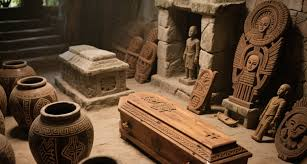
Many ancient burials include objects placed alongside the deceased. These items—tools, ornaments, or food—suggest that people believed in some form of existence beyond death.
The selection of these goods was often intentional. Personal belongings may have represented identity, while symbolic items could reflect beliefs about the afterlife.
Ceremonial Practices
Burial ceremonies likely involved more than just placing the body in the ground. Evidence suggests that rituals may have included preparation of the body, arrangement of objects, and communal gatherings.
These practices provided a way for communities to process loss, honor the deceased, and reinforce shared beliefs.
Evolution Over Time
As societies developed, burial practices became more complex. Differences in burial styles began to reflect social status, cultural identity, and changing beliefs.
Over time, simple burials evolved into elaborate tombs and memorial structures, showing the growing importance of ritual and symbolism.
Connection Between the Living and the Dead
These ceremonies suggest that the relationship between the living and the dead did not end with burial. Ancestors may have been remembered, honored, or even believed to influence the living.
A Window into Human Emotion
Ten-millennia-old burial practices remind us that early humans experienced grief, respect, and connection much like we do today. These rituals highlight the timeless human need to find meaning in life and death.