Medicine at the Crossroads of Science and Spirituality
In ancient societies, healing was rarely separated from religion. Medical knowledge combined practical observation with spiritual beliefs about the body, nature, and divine forces.
Early healers often served as both physicians and spiritual leaders within their communities.
Herbal Knowledge and Natural Remedies
One of the foundations of ancient medicine was the use of plants.
Healers studied the properties of herbs, roots, and minerals, developing treatments for wounds, infections, and digestive problems.
This knowledge was often passed down through generations and formed the basis for many traditional medical systems.
Rituals and Spiritual Healing
In addition to physical treatments, many healing practices included rituals intended to restore spiritual balance.
Chants, prayers, and symbolic gestures were believed to remove harmful influences or appease supernatural forces thought to cause illness.
Patients might participate in ceremonies designed to strengthen both body and spirit.
Early Medical Techniques
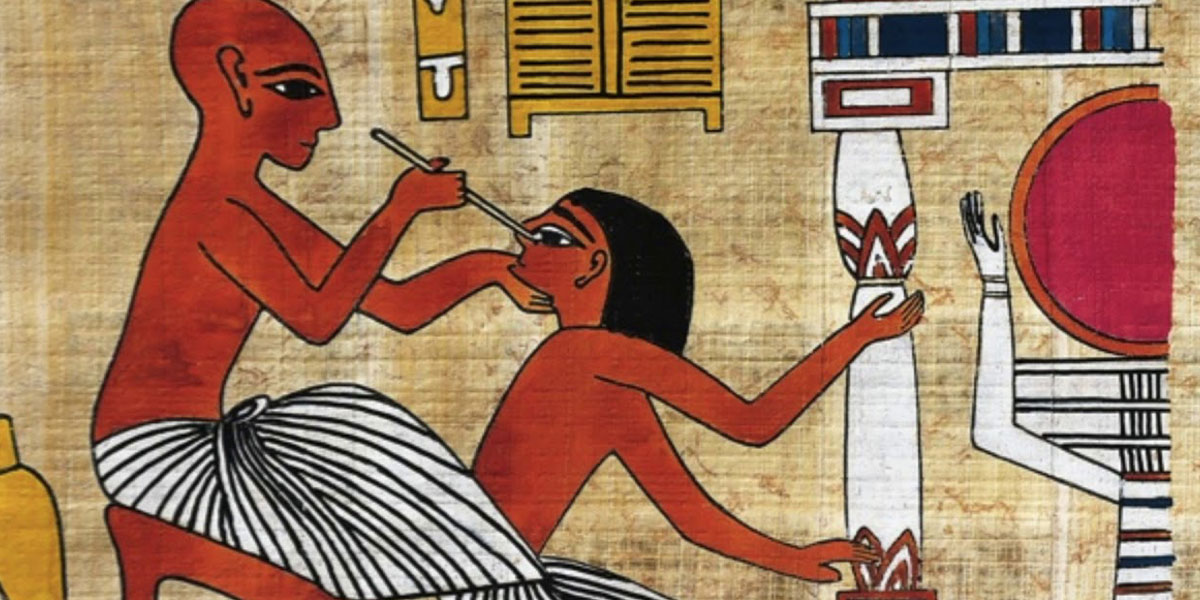
Ancient practitioners developed surprising medical skills.
Evidence suggests they performed basic surgeries, treated fractures, and created tools for medical procedures.
Though limited by the scientific knowledge of their time, these healers relied on careful observation and practical experience.
Healing as a Community Practice
Medical care was often deeply connected to community traditions.
Healing rituals could involve family members, religious leaders, and other participants who supported the patient’s recovery.
These practices reinforced social bonds and shared beliefs.
The Roots of Modern Medicine
While ancient medicine sometimes included supernatural explanations, many techniques were based on careful study of the natural world.
The herbal knowledge and observational skills of early healers laid important foundations for later medical discoveries.