Where Healing Met the Divine
In the ancient world, healing was never seen as purely physical. Illness was often believed to have spiritual causes, and recovery required more than just remedies—it required balance between the body, mind, and unseen forces.
Because of this belief, healing became deeply connected to spirituality. Temples dedicated to health and wellness emerged as sacred spaces where religion and early medicine came together. These centers were among the earliest institutions devoted to caring for the sick, combining observation, ritual, and faith in ways that shaped the future of healthcare.
For ancient people, entering a healing temple was not just seeking treatment—it was stepping into a place where the human and divine worlds intersected.
Sacred Healing Centers
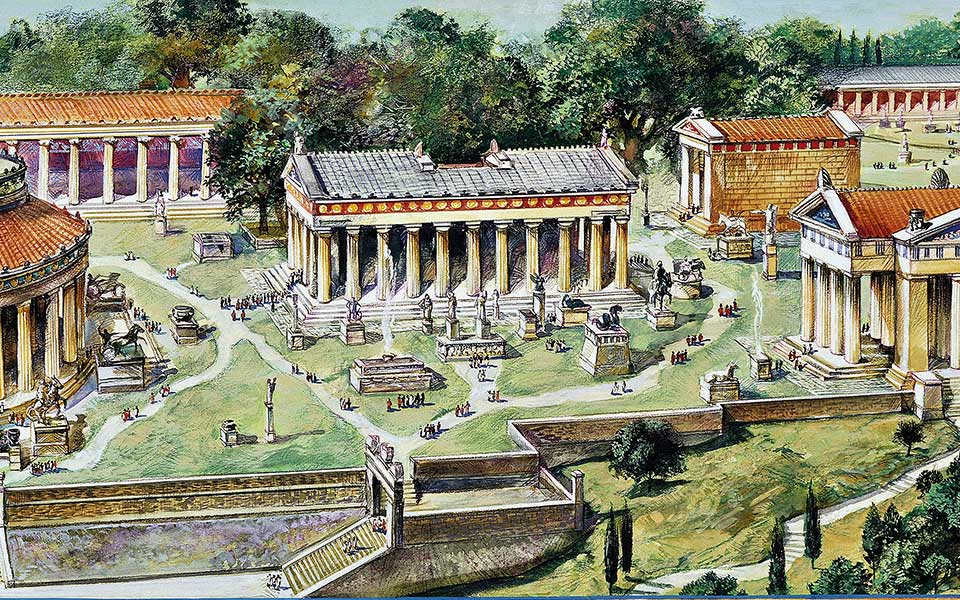
In places like Ancient Greece, healing temples were built to honor gods associated with medicine, most notably Asclepius, the revered deity of healing.
These temples, often located in peaceful natural settings such as hillsides or near springs, were designed to promote both physical and spiritual recovery. The environment itself—quiet, clean, and close to nature—was considered part of the healing process.
Patients traveled long distances to reach these sacred centers. Their journeys reflected both hope and faith, as they sought cures through rituals, prayers, and guidance from temple priests.
These sites became well-known across regions, attracting individuals from different communities who believed in the healing power of the divine.
Rituals and Treatments
Healing practices in these temples were a blend of spiritual ritual and practical care.
Patients often began with purification ceremonies, which could include bathing, fasting, or making offerings. These acts were believed to cleanse both the body and the spirit, preparing the individual for healing.
One of the most distinctive practices was “incubation,” where patients would sleep within the temple grounds. During sleep, they believed that the deity—such as Asclepius—would visit them in dreams, offering guidance or even direct healing.
Priests would then interpret these dreams, turning them into treatment plans or advice.
Alongside these rituals, more practical treatments were also used. Herbal remedies, dietary changes, and basic procedures were applied based on observation and experience.
This combination of physical and spiritual care reflects an early holistic approach to medicine.
The Role of Healers
Healing temples were staffed by a range of individuals, including priests, herbalists, and early physicians.
Priests acted as intermediaries between patients and the divine, guiding rituals and interpreting spiritual messages. Herbalists gathered and prepared plant-based remedies, drawing on knowledge passed down through generations.
At the same time, early physicians began to observe patterns in illness and recovery. They noted symptoms, experimented with treatments, and gradually built a body of knowledge based on experience.
This collaboration between spiritual and practical roles helped shape the early development of medical understanding.
Community and Care
Healing temples were not only places of treatment—they were centers of community support.
Patients often stayed for extended periods, sharing their experiences with others undergoing similar struggles. This created a sense of connection and mutual encouragement.
The belief that divine forces were guiding recovery provided comfort and hope, which likely played a significant role in the healing process.
These temples also reflected a broader cultural value: caring for the sick was a shared responsibility, supported by both community and faith.
Foundations of Medicine
Although rooted in spirituality, the practices developed in healing temples contributed significantly to the growth of systematic medical knowledge.
Observation of symptoms, documentation of treatments, and the use of natural remedies all laid the groundwork for more scientific approaches to health.
Over time, some aspects of healing became more focused on physical causes and treatments, leading to the gradual separation of medicine from purely religious practice.
A Legacy That Endures
The influence of ancient healing temples can still be seen today.
Modern hospitals, wellness centers, and holistic approaches to health echo the idea that healing involves more than just the body. The connection between environment, mental state, and physical health remains an important part of medical understanding.
These early centers remind us that the journey toward modern medicine began not only with science, but also with belief, observation, and the human desire to heal.