• MAIN PAGE
  • LATEST NEWS
    • Lost Cities
    • Archaeology's Greatest Finds
    • Underwater Discoveries
    • Greatest Inventions
    • Studies
    • Blog
  • PHILOSOPHY
  • HISTORY
  • RELIGIONS
    • Africa
    • Anatolia
    • Arabian Peninsula
    • Balkan Region
    • China - East Asia
    • Europe
    • Eurasian Steppe
    • Levant
    • Mesopotamia
    • Oceania - SE Asia
    • Pre-Columbian Civilizations of America
    • Iranian Plateau - Central Asia
    • Indus Valley - South Asia
    • Japan
    • The Archaeologist Editor Group
    • Scientific Studies
    • Aegean Prehistory
    • Historical Period
    • Byzantine Middle Ages
    • Predynastic Period
    • Dynastic Period
    • Greco-Roman Egypt
  • Rome
  • PALEONTOLOGY
  • About us
Menu

The Archaeologist

  • MAIN PAGE
  • LATEST NEWS
  • DISCOVERIES
    • Lost Cities
    • Archaeology's Greatest Finds
    • Underwater Discoveries
    • Greatest Inventions
    • Studies
    • Blog
  • PHILOSOPHY
  • HISTORY
  • RELIGIONS
  • World Civilizations
    • Africa
    • Anatolia
    • Arabian Peninsula
    • Balkan Region
    • China - East Asia
    • Europe
    • Eurasian Steppe
    • Levant
    • Mesopotamia
    • Oceania - SE Asia
    • Pre-Columbian Civilizations of America
    • Iranian Plateau - Central Asia
    • Indus Valley - South Asia
    • Japan
    • The Archaeologist Editor Group
    • Scientific Studies
  • GREECE
    • Aegean Prehistory
    • Historical Period
    • Byzantine Middle Ages
  • Egypt
    • Predynastic Period
    • Dynastic Period
    • Greco-Roman Egypt
  • Rome
  • PALEONTOLOGY
  • About us

The Oldest Fortresses Built by Human Hands

March 20, 2026

Defending Early Communities

As human societies grew, so did the need for protection.

Fortresses became essential structures designed to defend people, resources, and territory.

Early Defensive Designs

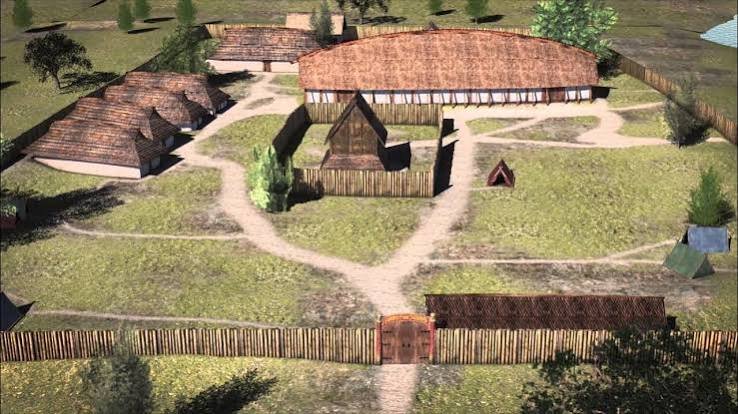
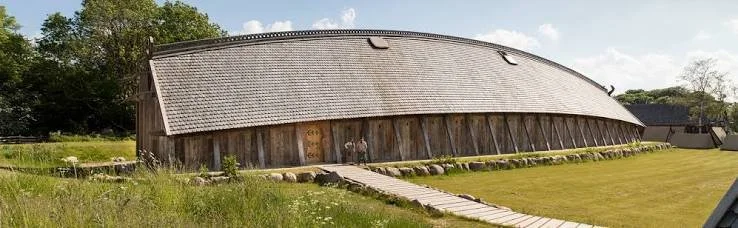
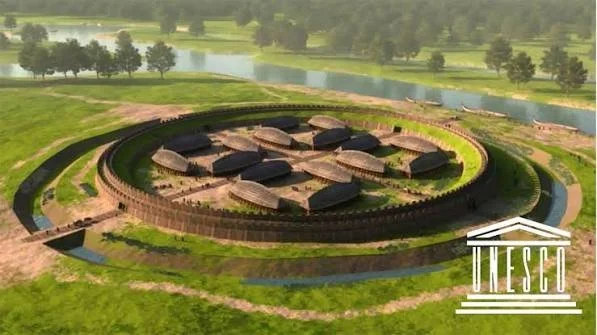
Ancient fortresses often featured walls, towers, and strategic layouts.

Builders used natural landscapes such as hills or cliffs to strengthen defenses.

Evidence of Conflict

The existence of fortresses suggests that organized conflict was a reality in early societies.

These structures were built to withstand attacks and protect communities.

Skilled Construction

Building a fortress required planning, labor, and resources.

Engineers and builders worked together to create strong and durable defenses.

Centers of Power

Fortresses were often associated with political authority.

They served as strongholds for leaders and symbols of strength and control.

Foundations of Military Architecture

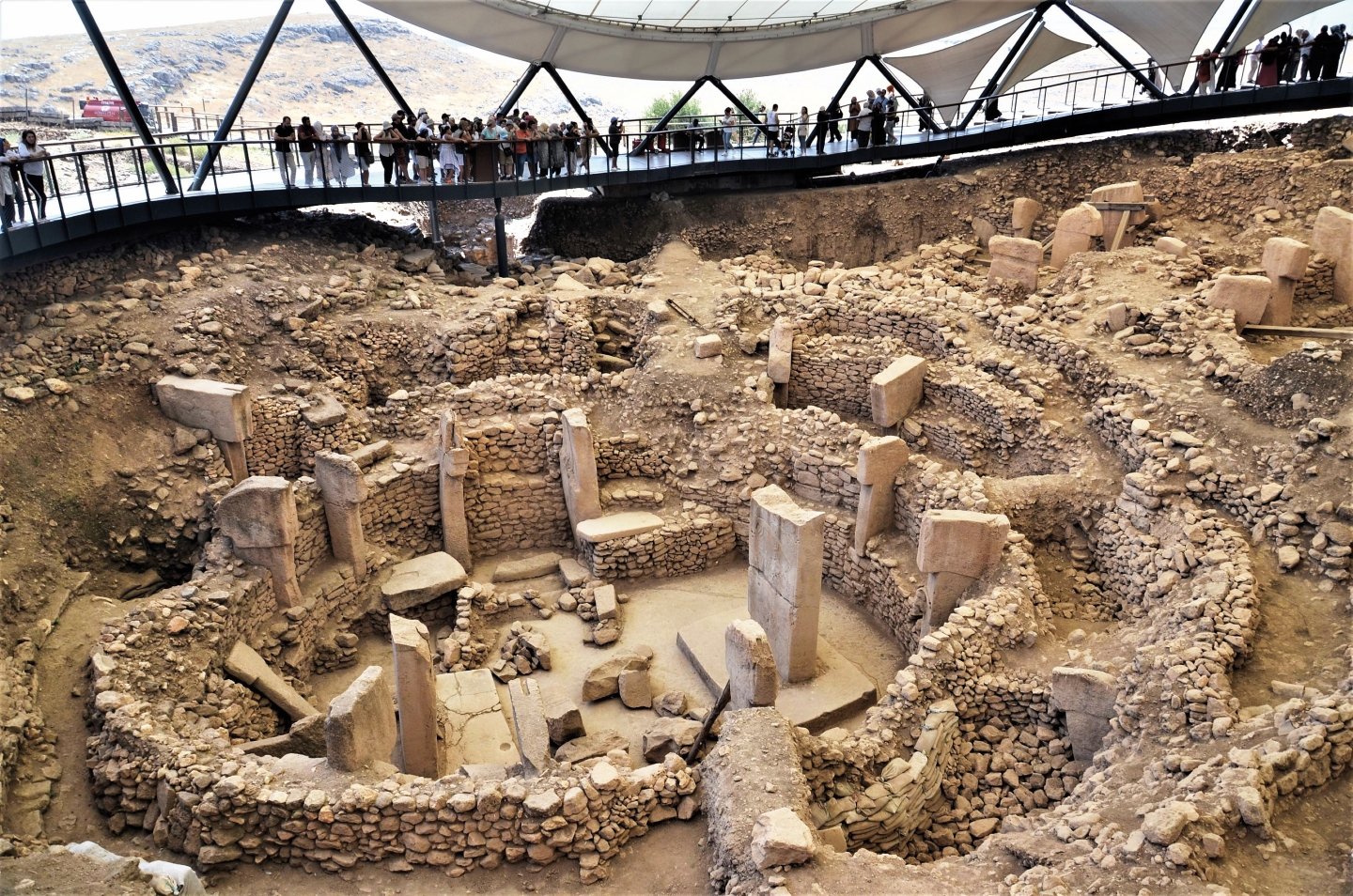
The earliest fortresses laid the groundwork for later defensive systems.

They reflect the growing complexity of human societies and the challenges they faced.
← Ancient Healing Temples and the Birth of MedicineAnimals in Ancient Warfare: From War Elephants to Sacred Horses →
Featured
image_2026-03-19_160524413.png
Mar 20, 2026
Ancient Goldsmiths and the Secrets of Early Jewelry
Mar 20, 2026
Read More →
Mar 20, 2026
image_2026-03-19_160403095.png
Mar 20, 2026
Mountain Gods and Their Ancient Shrines
Mar 20, 2026
Read More →
Mar 20, 2026
image_2026-03-19_160326214.png
Mar 20, 2026
The First Scientists of the Ancient World
Mar 20, 2026
Read More →
Mar 20, 2026
image_2026-03-19_160015481.png
Mar 20, 2026
Architects of the Bronze Age: The First Mega-Builders
Mar 20, 2026
Read More →
Mar 20, 2026
image_2026-03-19_155908457.png
Mar 20, 2026
The Oldest Desert Sanctuaries on Earth
Mar 20, 2026
Read More →
Mar 20, 2026
image_2026-03-19_155806179.png
Mar 20, 2026
Ancient Burial Mounds Older Than the Pyramids
Mar 20, 2026
Read More →
Mar 20, 2026
read more

Powered by The archaeologist