Finding Direction in a Vast Ocean
Navigating the open sea without modern instruments is a remarkable achievement. Ancient sailors traveled across vast distances using a combination of observation, experience, and simple tools. Their methods were both practical and deeply connected to the natural world.
Reading the Stars
One of the most important navigation tools was the night sky. Sailors learned to recognize constellations and track their movement. Certain stars served as reliable reference points, helping sailors determine direction.
By observing the position of stars at different times of the night and year, navigators could estimate their location and course. This knowledge required training and careful observation passed down through generations.
Sun, Wind, and Waves
During the day, sailors relied on the sun’s position to guide them. They also studied wind patterns and ocean currents, which could indicate direction and help maintain a steady course.
Even the behavior of waves and the presence of certain birds or marine life provided clues about nearby land. These natural signs formed a complex system of navigation based on environmental awareness.
Primitive Instruments
While much navigation relied on observation, some early tools were developed to improve accuracy. Simple devices like shadow sticks helped estimate time and direction based on the sun’s movement.
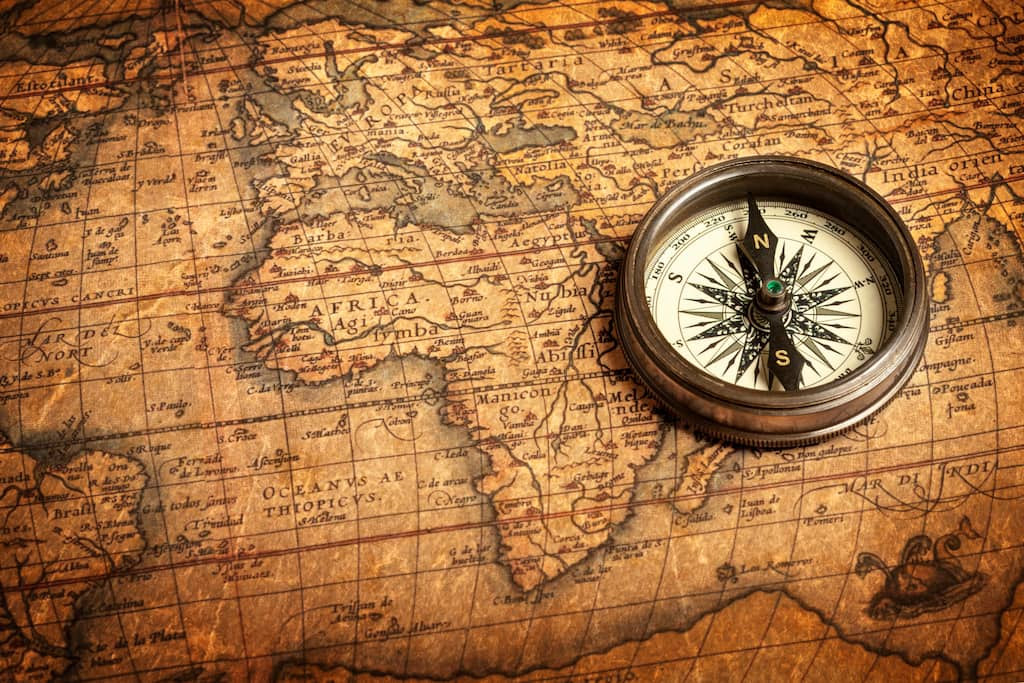
Later innovations included basic compasses and early forms of maps or charts. These tools, though simple by modern standards, represented significant advancements.
Skill and Experience
Navigation was not just about tools—it was about skill. Experienced sailors developed an intuitive understanding of the sea. They could read subtle changes in the environment and adjust their course accordingly.
This knowledge was often passed orally, making it both valuable and vulnerable to loss.
Exploration and Trade
Effective navigation allowed ancient societies to explore new territories and establish trade routes. Goods, ideas, and cultures spread across seas, connecting distant regions.
Navigation tools and techniques made these journeys possible, supporting economic growth and cultural exchange.
A Legacy of Discovery
Ancient navigation methods laid the foundation for modern exploration. Even today, sailors study traditional techniques as a backup to technology.
These early navigators demonstrate that with observation, knowledge, and skill, humans can overcome even the most challenging environments.