Counting the World
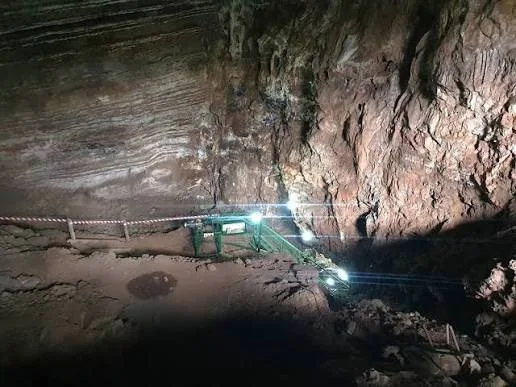
Mathematics began as a simple necessity. Early humans needed to count objects, measure land, and track resources. Over time, these basic needs led to the development of complex systems of numbers and calculations.
Early Counting Systems
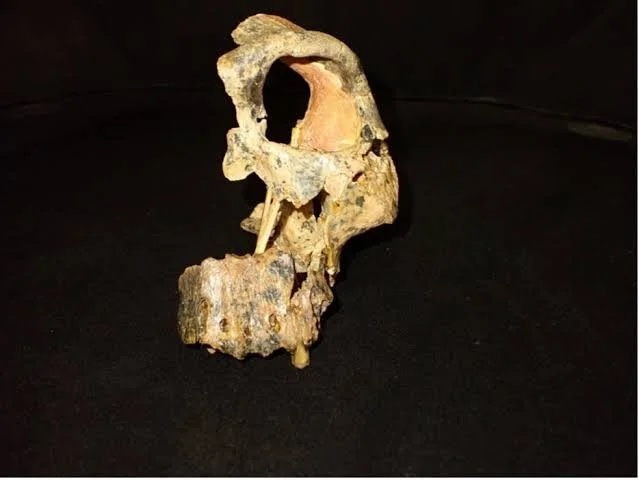
The earliest forms of counting likely involved fingers, marks, or simple tokens. These methods allowed people to keep track of quantities such as livestock, goods, or time.
Different cultures developed their own number systems, some based on ten, others on different groupings. These systems formed the foundation of mathematical thinking.
Geometry and Construction
As societies grew, mathematics became essential for building. Geometry—the study of shapes and space—allowed ancient people to design structures, measure land, and create stable buildings.
Large-scale projects such as monuments, roads, and irrigation systems required precise calculations. Mathematics made these achievements possible.
Practical Applications
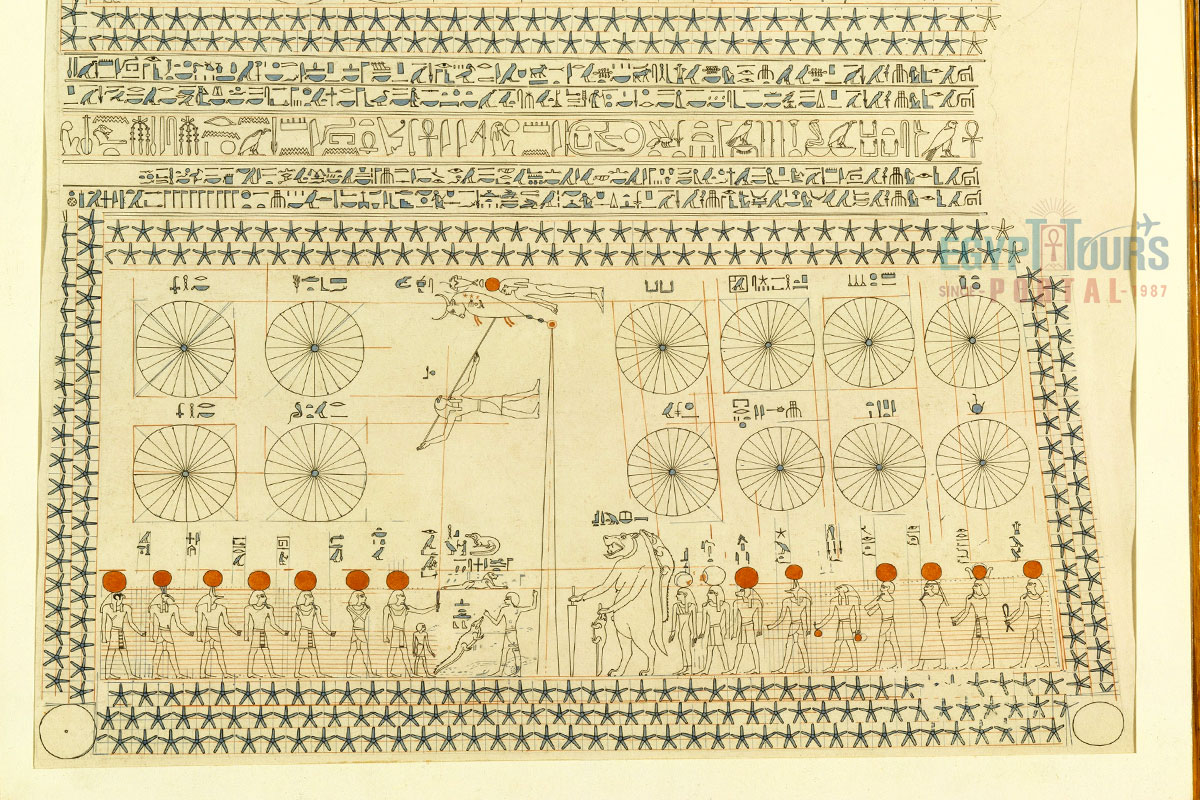
Mathematics was used in trade, helping merchants calculate prices, weights, and exchanges. It was also important in astronomy, where calculations were needed to track celestial movements.
These practical uses drove the development of more advanced mathematical concepts.
Knowledge and Innovation
Ancient mathematicians developed formulas, tables, and methods for solving problems. Their work was often recorded and passed down, allowing future generations to build on existing knowledge.
A Foundation for Science
The development of mathematics was crucial for the advancement of science and technology. It provided a way to understand patterns, predict outcomes, and solve complex problems.
Enduring Influence
Modern mathematics is built on these early foundations. From basic arithmetic to advanced equations, the roots of mathematical knowledge trace back to ancient civilizations.