Monuments of Memory and Meaning
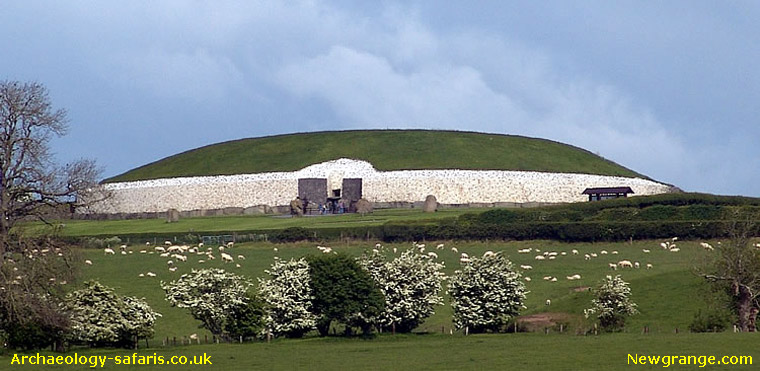
Across many parts of the world, large earthen or stone mounds rise quietly from the landscape. Known as barrows, tumuli, or kurgans, these burial mounds are among the most widespread ancient structures. At first glance, they may seem simple, but they hold deep cultural, spiritual, and historical significance.
These mounds were not just graves—they were carefully constructed monuments that reflected how ancient societies understood death, the afterlife, and social identity.
Construction and Design
Building a burial mound required considerable effort. Earth, stones, and other materials were gathered and layered over a central burial chamber. Some mounds were small and modest, while others were massive, requiring coordinated labor from entire communities.
Inside, burial chambers could be simple pits or elaborate structures made of wood or stone. Some contained a single individual, while others held multiple burials, suggesting family or community use.
The design often followed specific patterns, indicating that construction was guided by tradition and symbolic meaning rather than convenience.
Grave Goods and Social Status
Many burial mounds contain grave goods—objects placed with the deceased. These items might include tools, weapons, jewelry, pottery, or food offerings. The presence and quality of these goods often reflect the social status of the individual.
Elaborate burials with rich goods suggest that certain individuals held positions of power or importance. In contrast, simpler burials may represent ordinary members of society.
These differences provide valuable insights into social structure and hierarchy in ancient communities.
Beliefs About the Afterlife
Burial mounds are closely linked to beliefs about life after death. The inclusion of personal items suggests that ancient people believed the dead would need these objects in another world.
The construction of mounds themselves may symbolize a journey or transition. Elevated structures could represent a connection between the earth and the sky, linking the human world with the spiritual realm.
In some cultures, burial mounds were revisited for rituals or ceremonies, indicating that the relationship between the living and the dead continued long after burial.
Cultural and Regional Variations
While burial mounds appear worldwide, their forms and meanings vary. Some are simple earth heaps, while others include complex stone arrangements. These differences reflect cultural traditions and environmental factors.
Despite these variations, the underlying purpose remains similar: to honor the dead and preserve their memory.
Archaeological Importance
Burial mounds are valuable sources of information for archaeologists. Because they are often sealed, they can preserve artifacts and human remains in good condition.
By studying these sites, researchers can learn about diet, health, technology, and cultural practices. Burial mounds provide a direct connection to the lives of ancient people.
Enduring Mystery and Legacy
Even with modern research, many burial mounds remain mysterious. Their exact meanings, rituals, and cultural significance are not always fully understood.
However, their presence across time and geography highlights a universal human concern with death, memory, and meaning. These structures stand as lasting reminders of how ancient people honored their past and prepared for the unknown.