Masters of the Open Sea
Long before modern navigation, certain civilizations mastered the seas, becoming powerful maritime societies. Their ability to build ships, navigate vast waters, and establish trade networks transformed the ancient world.
These maritime superpowers connected distant regions, spreading goods, ideas, and cultures across continents.
The Evolution of Shipbuilding
Early boats were simple, made from reeds, logs, or animal skins. Over time, shipbuilding became more advanced. Wooden planks were joined together to create stronger hulls, and sails were added to harness wind power.
These improvements allowed ships to travel farther and carry heavier cargo. Some vessels were designed for trade, while others were built for exploration or warfare.
Trade Networks and Cultural Exchange
Maritime civilizations established extensive trade routes. Goods such as spices, metals, textiles, and luxury items were transported across seas.
Trade brought wealth and also encouraged cultural exchange. Ideas, technologies, and beliefs spread along these routes, shaping societies far beyond their origins.
Navigation and Exploration
Navigating open water required skill and knowledge. Sailors used the stars, wind patterns, and ocean currents to guide their journeys. Experience and observation were essential, as there were no modern instruments.
Exploration led to the discovery of new lands and resources. Maritime cultures expanded their influence, establishing colonies and trading hubs.
Naval Power and Warfare
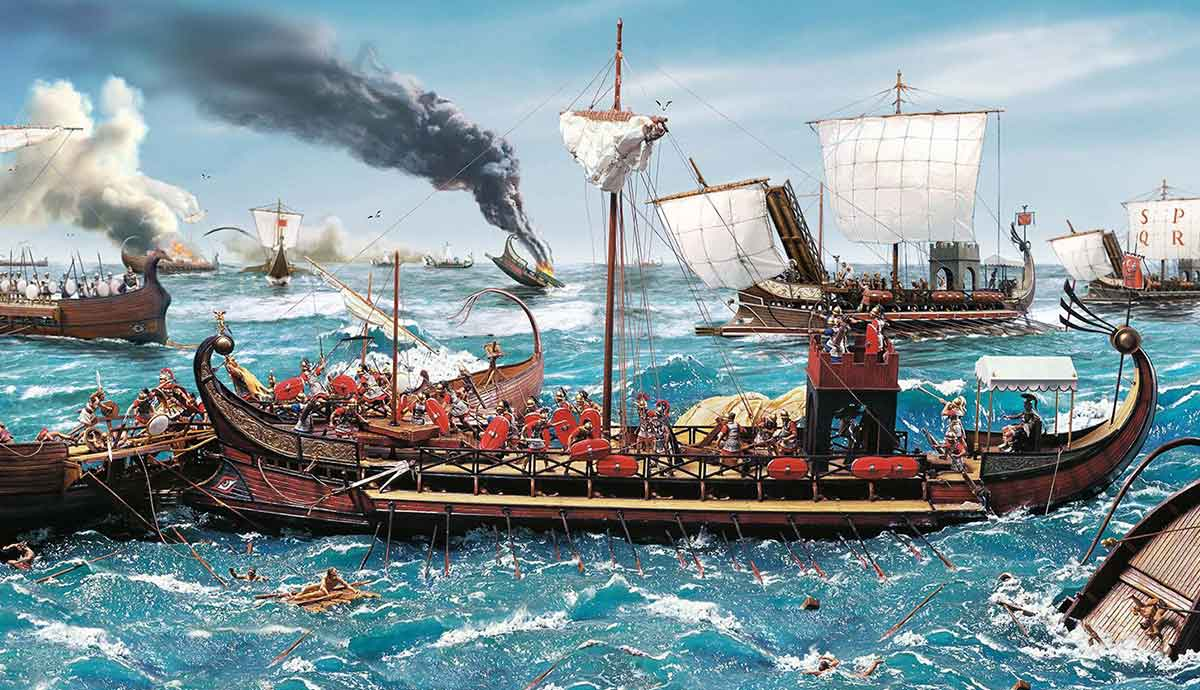
Control of the seas provided strategic advantages. Naval forces could defend trade routes, attack rivals, and project power over large areas.
Ships became tools of both commerce and conflict, shaping political and military history.
A Connected Ancient World
Maritime superpowers helped create an interconnected world. Their ships carried more than goods—they carried knowledge, culture, and innovation.