Building Connections Across Distance
The invention of roads was one of the most important steps in the development of human civilization. Before roads, travel was slow, difficult, and often dangerous. People moved across uneven terrain, forests, rivers, and deserts with no clear routes. As societies grew and began to trade, govern, and expand, the need for reliable pathways became essential.
The first roads were simple—paths formed naturally by repeated use. Over time, these trails evolved into carefully planned and constructed highways. These early roads connected villages, cities, and entire empires, making communication and movement more efficient than ever before.
Early Road Development
Some of the earliest known roads date back thousands of years. These were not random tracks but intentional constructions designed to support heavy use. As civilizations became more organized, they began to build roads with durability in mind.
Ancient engineers understood that roads needed to withstand weather, traffic, and time. They selected routes carefully, avoiding difficult terrain when possible, and created paths that were as direct as possible between key locations.
In many regions, roads followed natural features like riverbanks or valleys. In others, they cut straight across landscapes, showing a clear understanding of planning and surveying.
Engineering and Construction Techniques
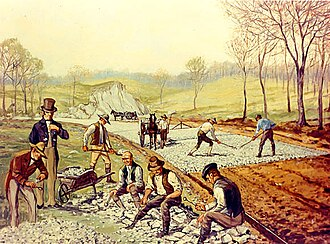
Building durable roads required advanced engineering for the time. Ancient builders used layers of materials to create strong, long-lasting surfaces. A typical road might include a foundation of large stones, topped with smaller stones and gravel, and finished with a smooth surface for easier travel.
Drainage was a key consideration. Without proper drainage, roads would quickly erode or become muddy and unusable. Builders often included ditches or raised surfaces to allow water to flow away from the road.
Some roads were elevated above the surrounding land, while others were reinforced with curbs or retaining walls. Bridges were constructed to cross rivers and valleys, further expanding the reach of these networks.
These techniques show that ancient engineers had a practical understanding of construction principles, even without modern tools.
Trade and Economic Growth
Roads played a crucial role in the growth of trade. Merchants could transport goods more efficiently, reducing travel time and increasing the volume of trade. Items such as food, textiles, metals, and luxury goods moved across regions, connecting distant markets.
This exchange of goods also led to the exchange of ideas. Cultures interacted more frequently, sharing knowledge, technology, and traditions. Roads became channels not just for commerce, but for cultural development.
Economic centers often developed along major roadways, as access to trade routes brought wealth and opportunity. Markets, towns, and cities grew around these transportation hubs.
Communication and Governance
For governments, roads were essential for maintaining control over large territories. Messages could be delivered quickly, allowing rulers to communicate with distant regions. Officials and messengers traveled along these routes, ensuring that laws and decisions were enforced.
Roads also allowed armies to move efficiently. In times of conflict, the ability to transport troops and supplies quickly could determine the outcome of battles. This made road networks a strategic asset for any powerful civilization.
Cultural Exchange and Interaction
Beyond trade and governance, roads facilitated cultural exchange. People traveling along these routes brought their languages, beliefs, and customs with them. This led to the blending of cultures and the spread of new ideas.
Religions expanded along road networks, as travelers shared spiritual beliefs and practices. Art, music, and technology also spread, shaping societies far beyond their place of origin.
Challenges of Road Building
Constructing roads was not easy. Builders faced natural obstacles such as mountains, rivers, and harsh climates. In some cases, they had to carve paths through rock or build structures to cross difficult terrain.
Maintaining roads was also a challenge. Regular repairs were needed to keep them usable, especially in areas with heavy traffic or extreme weather.
Despite these difficulties, ancient societies invested significant effort into building and maintaining roads, showing their importance.
A Foundation for Modern Infrastructure
The roads built by ancient civilizations laid the groundwork for modern transportation systems. Many modern highways follow the routes of ancient roads, demonstrating their lasting impact.
Today’s infrastructure—roads, bridges, and highways—continues the legacy of these early innovations. The principles developed thousands of years ago remain relevant, proving the ingenuity of ancient engineers.
Enduring Significance
The first roads and highways did more than connect places—they connected people, ideas, and cultures. They transformed isolated communities into interconnected societies and played a key role in the development of civilization.
These early networks remind us that progress often begins with simple ideas, developed through observation, effort, and innovation.