Ancient Iron Industry Discovered in Mazovia
A recent archaeological study from the University of Warsaw reveals that western Mazovia was already a key hub for iron production as early as the 4th century BC. This discovery reshapes previous understanding and highlights the region’s importance in early European metallurgy.
Building on Earlier Discoveries
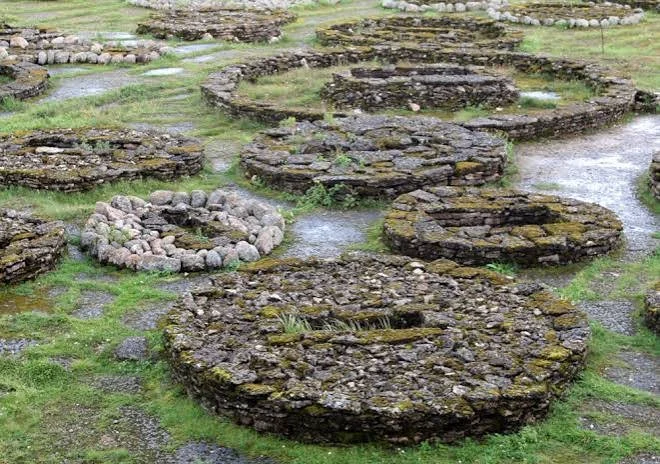
The new findings expand on research conducted in the 1960s, when archaeologists identified approximately 240 ironworking sites in what is now called the Masovian Metallurgical Centre. Today, this area is recognized as one of the largest ancient industrial zones in Europe.
Experts estimate that between 120,000 and 150,000 bloomery furnaces once operated across the region, demonstrating the scale and organization of early iron production.
Pushing Back the Timeline
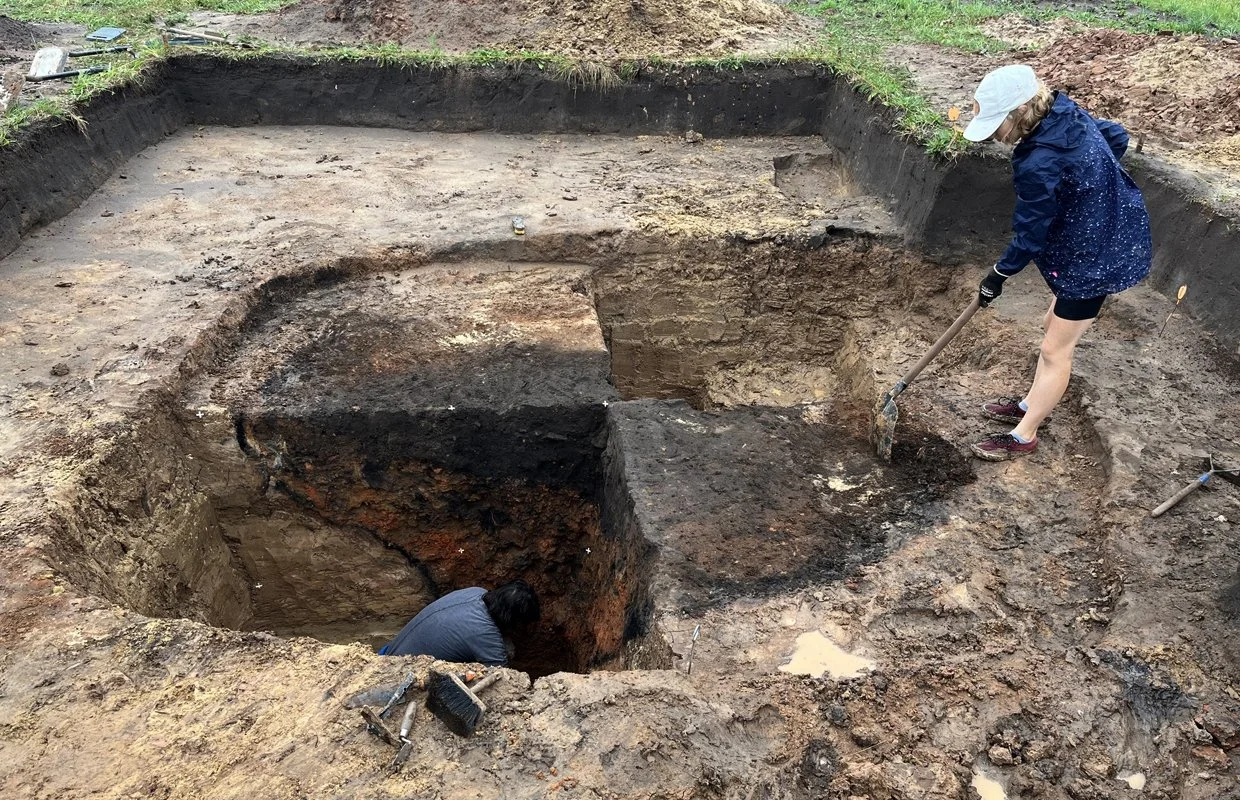
Recent excavations at Zaborów, near Kampinos National Park, suggest that ironworking in the region began even earlier than previously believed. Evidence now points to activity dating back to the late 4th or early 3rd century BC—more than a century earlier than earlier estimates.
The Challenges of Early Iron Production
Producing iron in ancient times required significant resources and effort. Each furnace needed around 100 kilograms of bog iron ore, along with even larger amounts of charcoal. Despite this heavy investment, the process was inefficient, yielding only about 10 to 15 percent usable metal.
Because iron rarely survives at production sites, archaeologists rely heavily on slag—the waste material left behind—to identify areas of metallurgical activity. However, recent discoveries at Zaborów uncovered two iron ingots, likely semi-finished products that may have been used for trade.
A Society Built on Metal
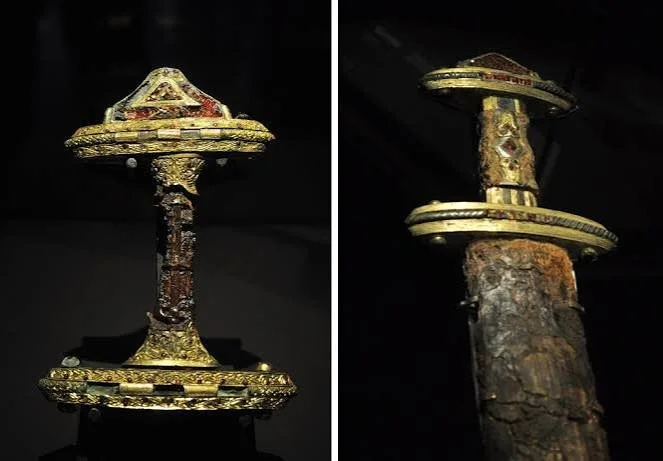
Artifacts linked to the Przeworsk culture—including tools, jewelry, and weapons—show how essential iron was to daily life. The widespread presence of these items suggests a المجتمع heavily reliant on metalworking.
It is also likely that surplus iron was traded, contributing to economic growth and regional connections.
Origins and Environmental Impact
Researchers believe that ironworking techniques were introduced by groups connected to the Jastorf culture, possibly originating from southern Scandinavia.
Mazovia offered ideal conditions for large-scale production, with abundant supplies of iron ore, clay, water, and forests. However, this industrial activity came at a cost, leading to extensive deforestation over time.
Ongoing Research and Future Insights
Scientists continue to study the region using methods such as pollen analysis to better understand how the landscape evolved alongside this intensive industry. These efforts aim to provide a clearer picture of how early industrial activity shaped both the environment and society.