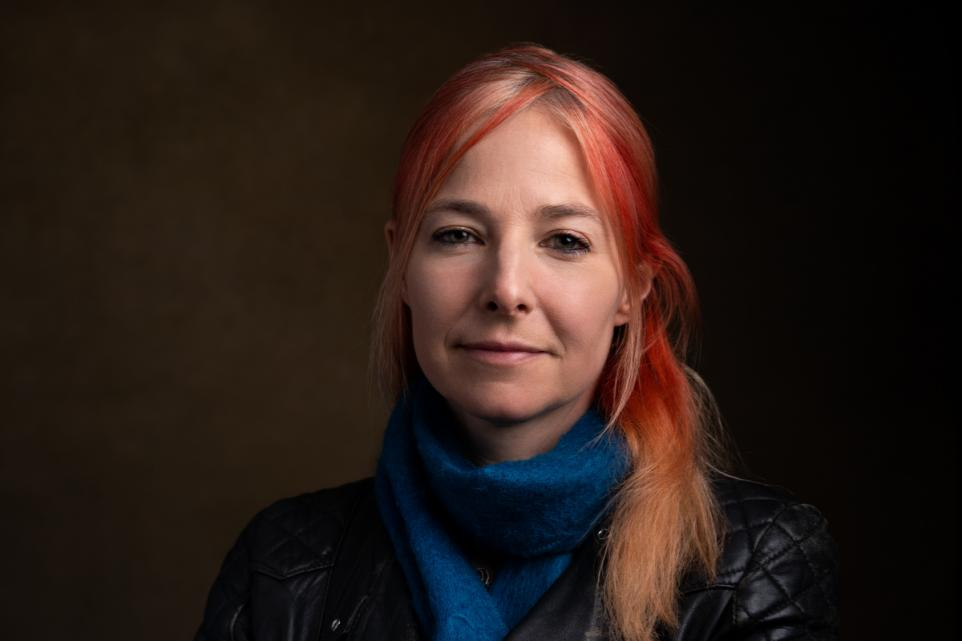
Renowned anatomist and broadcaster Alice Roberts is inviting audiences on an extraordinary journey through time with her new stage show Cell to Civilisation—a sweeping exploration of life on Earth that spans an astonishing four billion years.
Set to take place at The Anvil, the show blends insights from archaeology, evolutionary biology, and genetics to tell the story of how life—and ultimately humanity—came to be. Rather than presenting science in a traditional lecture format, Roberts uses theatrical elements like sound, lighting, and immersive storytelling to bring complex ideas vividly to life.
At its core, Cell to Civilisation tackles some of humanity’s oldest and most profound questions: Who are we? Where do we come from? And what does it truly mean to be human? For centuries, these questions were explored through philosophy and religion, but today, science offers evidence-based answers grounded in fossil records, DNA, and archaeological discoveries.
The show traces the origins of life back to the earliest single-celled organisms, long before humans existed. From there, it follows the gradual process of evolution—highlighting key transitions such as the development of multicellular life, the rise of mammals, and eventually the emergence of early human ancestors. Roberts also explores how different human species once coexisted, offering a broader perspective on our place within the human family tree.
A major focus of the performance is human migration. Audiences are guided through the journey of early humans as they spread out of Africa and gradually populated the rest of the world, reaching Asia, Australia, Europe, Siberia, and eventually the Americas—the last major landmass to be settled. Along the way, the show examines how environments, climate, and adaptation shaped human diversity.
Beyond biology, Cell to Civilisation also looks at the rise of early civilizations—how humans transitioned from small, mobile groups into complex societies with agriculture, cities, and culture. By connecting these developments to deep evolutionary roots, the show paints a continuous narrative from the simplest forms of life to modern civilization.
Ultimately, Roberts’ performance is not just about the past—it’s about understanding the present. By revealing the interconnectedness of all living things, the show encourages audiences to reflect on their place in the natural world and the shared history that links every human being.
With its mix of science and storytelling, Cell to Civilisation offers a rare opportunity to experience the history of life not as a series of facts, but as a powerful, unfolding story—one that continues to shape who we are today.