• MAIN PAGE
  • LATEST NEWS
    • Lost Cities
    • Archaeology's Greatest Finds
    • Underwater Discoveries
    • Greatest Inventions
    • Studies
    • Blog
  • PHILOSOPHY
  • HISTORY
  • RELIGIONS
    • Africa
    • Anatolia
    • Arabian Peninsula
    • Balkan Region
    • China - East Asia
    • Europe
    • Eurasian Steppe
    • Levant
    • Mesopotamia
    • Oceania - SE Asia
    • Pre-Columbian Civilizations of America
    • Iranian Plateau - Central Asia
    • Indus Valley - South Asia
    • Japan
    • The Archaeologist Editor Group
    • Scientific Studies
    • Aegean Prehistory
    • Historical Period
    • Byzantine Middle Ages
    • Predynastic Period
    • Dynastic Period
    • Greco-Roman Egypt
  • Rome
  • PALEONTOLOGY
  • About us
Menu

The Archaeologist

  • MAIN PAGE
  • LATEST NEWS
  • DISCOVERIES
    • Lost Cities
    • Archaeology's Greatest Finds
    • Underwater Discoveries
    • Greatest Inventions
    • Studies
    • Blog
  • PHILOSOPHY
  • HISTORY
  • RELIGIONS
  • World Civilizations
    • Africa
    • Anatolia
    • Arabian Peninsula
    • Balkan Region
    • China - East Asia
    • Europe
    • Eurasian Steppe
    • Levant
    • Mesopotamia
    • Oceania - SE Asia
    • Pre-Columbian Civilizations of America
    • Iranian Plateau - Central Asia
    • Indus Valley - South Asia
    • Japan
    • The Archaeologist Editor Group
    • Scientific Studies
  • GREECE
    • Aegean Prehistory
    • Historical Period
    • Byzantine Middle Ages
  • Egypt
    • Predynastic Period
    • Dynastic Period
    • Greco-Roman Egypt
  • Rome
  • PALEONTOLOGY
  • About us

Ancient purification bath found beneath Western Wall Plaza

January 2, 2026

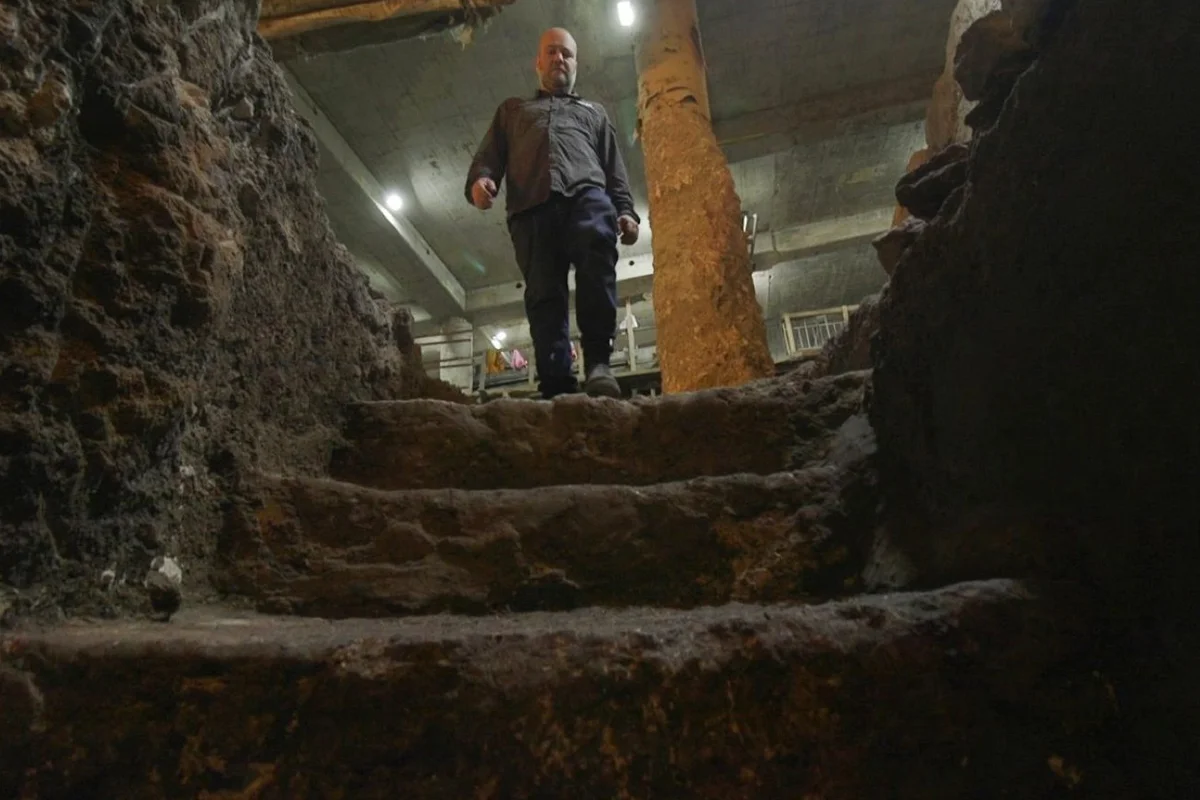
A rock-hewn mikveh dating to the late Second Temple period has been discovered during archaeological excavations beneath Jerusalem’s Western Wall Plaza. A mikveh is a ritual bath designed for complete immersion in naturally collected water for the purpose of achieving ritual purity.

The find was uncovered by the Israel Antiquities Authority (IAA) beneath a destruction layer from AD 70, when Roman forces destroyed Jerusalem. The mikveh had been sealed by ash deposits, providing direct evidence of the fire that followed the city’s fall and the destruction of the Temple.

Carved straight into the bedrock, the structure features plastered walls and four stone steps descending into the basin from the southern side. The rectangular bath measures about 3.05 meters long, 1.35 meters wide, and 1.85 meters high.
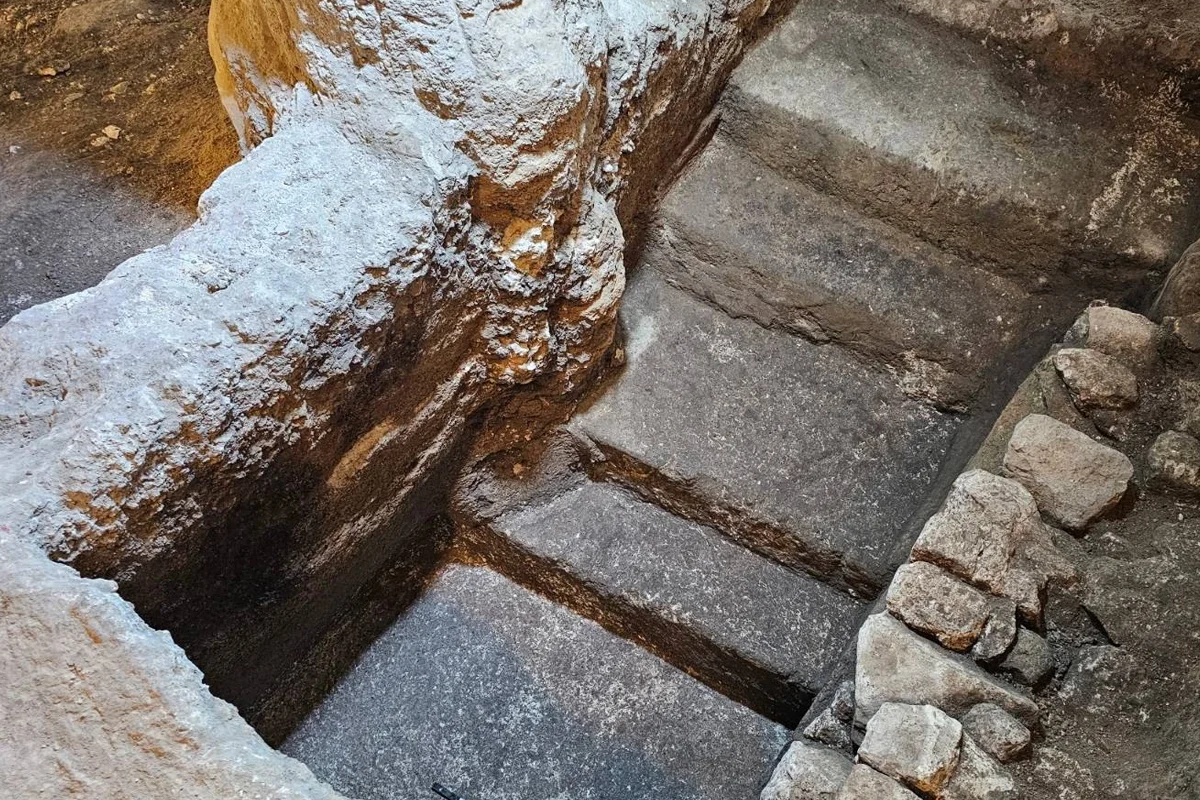
The excavation site is situated near two major ancient access points to the Temple Mount: the Great Bridge on the northern side and Robinson’s Arch to the south.

Earlier archaeological work in this area has uncovered several mikva’ot, stone vessels, and other artifacts linked to ritual purification, suggesting that this section of the city catered to residents and pilgrims who needed to observe ritual purity before entering the Temple.

Ari Levy, the Israel Antiquities Authority’s excavation director, said Jerusalem operated as a “city of sanctuary,” where everyday life was governed by strict purity laws. He noted that this is clearly visible in the archaeological evidence, particularly the extensive use of stone vessels, which were considered impervious to ritual impurity under Jewish law.

Minister of Heritage Rabbi Amichai Eliyahu stated that the find highlights how deeply religious practices were woven into daily life in Jerusalem during the Temple period, emphasizing that ongoing archaeological research plays a vital role in safeguarding this heritage.
← Archaeologists Discover The Earliest Confirmed Adult CremationThe ancient braces myth: why our ancestors didn’t need straight teeth →
Featured
image_2026-01-03_005136223.png
Jan 2, 2026
Klaipėda to excavate potential explosives at central Atgimimo Square
Jan 2, 2026
Read More →
Jan 2, 2026
image_2026-01-03_003840036.png
Jan 2, 2026
Rare Medieval Flail Weapon Discovered Near Battle of Grunwald Site in Poland
Jan 2, 2026
Read More →
Jan 2, 2026
image_2026-01-03_002505099.png
Jan 2, 2026
Part of whale skeleton discovered on Hive Beach Burton Bradstock
Jan 2, 2026
Read More →
Jan 2, 2026
image_2026-01-03_002126505.png
Jan 2, 2026
50,000 Years of Island-Hopping Pigs Reveal Ancient Human Migration
Jan 2, 2026
Read More →
Jan 2, 2026
image_2026-01-03_001502889.png
Jan 2, 2026
Newly Uncovered Bronze Age Megasettlement in Wicklow Challenges Long-Held Beliefs About Ireland’s First Towns
Jan 2, 2026
Read More →
Jan 2, 2026
image_2026-01-03_000545548.png
Jan 2, 2026
Grace of Ancient Art Emerges in Laodikeia: Hermes Sculpture Head Discovered in Ongoing Excavations
Jan 2, 2026
Read More →
Jan 2, 2026
read more

Powered by The archaeologist