• MAIN PAGE
  • LATEST NEWS
    • Lost Cities
    • Archaeology's Greatest Finds
    • Underwater Discoveries
    • Greatest Inventions
    • Studies
    • Blog
  • PHILOSOPHY
  • HISTORY
  • RELIGIONS
    • Africa
    • Anatolia
    • Arabian Peninsula
    • Balkan Region
    • China - East Asia
    • Europe
    • Eurasian Steppe
    • Levant
    • Mesopotamia
    • Oceania - SE Asia
    • Pre-Columbian Civilizations of America
    • Iranian Plateau - Central Asia
    • Indus Valley - South Asia
    • Japan
    • The Archaeologist Editor Group
    • Scientific Studies
    • Aegean Prehistory
    • Historical Period
    • Byzantine Middle Ages
    • Predynastic Period
    • Dynastic Period
    • Greco-Roman Egypt
  • Rome
  • PALEONTOLOGY
  • About us
Menu

The Archaeologist

  • MAIN PAGE
  • LATEST NEWS
  • DISCOVERIES
    • Lost Cities
    • Archaeology's Greatest Finds
    • Underwater Discoveries
    • Greatest Inventions
    • Studies
    • Blog
  • PHILOSOPHY
  • HISTORY
  • RELIGIONS
  • World Civilizations
    • Africa
    • Anatolia
    • Arabian Peninsula
    • Balkan Region
    • China - East Asia
    • Europe
    • Eurasian Steppe
    • Levant
    • Mesopotamia
    • Oceania - SE Asia
    • Pre-Columbian Civilizations of America
    • Iranian Plateau - Central Asia
    • Indus Valley - South Asia
    • Japan
    • The Archaeologist Editor Group
    • Scientific Studies
  • GREECE
    • Aegean Prehistory
    • Historical Period
    • Byzantine Middle Ages
  • Egypt
    • Predynastic Period
    • Dynastic Period
    • Greco-Roman Egypt
  • Rome
  • PALEONTOLOGY
  • About us

Ancient Ritual Masks and Their Meanings

April 4, 2026

Faces of Transformation

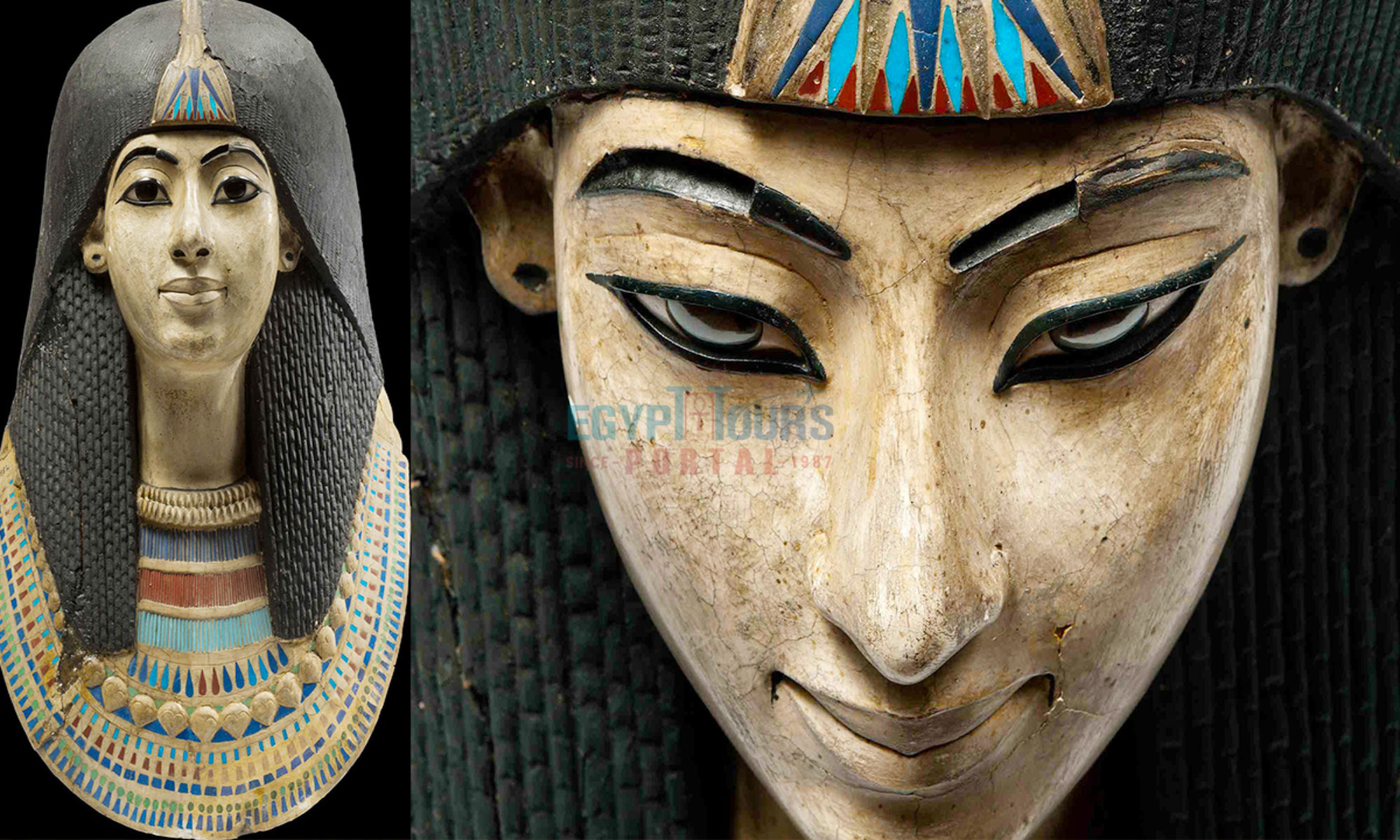
Masks have been used in rituals for thousands of years. They allowed individuals to transform into different identities, representing gods, spirits, or ancestors. Through masks, ancient people expressed beliefs, emotions, and cultural values.

Materials and Craftsmanship

Masks were made from a variety of materials, including wood, clay, bone, and fabric. They were often decorated with paint, carvings, or added elements such as feathers and shells.

The design of each mask was intentional, with features chosen to convey specific meanings.

Spiritual and Religious Roles

In many cultures, masks were used in ceremonies to connect with the spiritual world. They could represent deities or spirits, allowing performers to embody these beings during rituals.

Wearing a mask was often seen as a transformation, where the individual temporarily became something more than human.

Performance and Storytelling

Masks were also used in dances, plays, and storytelling. They helped convey characters and narratives, making performances more engaging and meaningful.

These performances often taught lessons, preserved history, or reinforced cultural values.

Social and Cultural Identity

Masks could represent community identity, marking roles within society. They were used in initiation rituals, celebrations, and important events.

A Lasting Tradition

The use of masks continues in many cultures today, showing their enduring significance. They remain powerful symbols of identity, transformation, and connection.
← The Oldest Known Board GamesThe Birth of Ancient Mathematics →
Featured
image_2026-04-04_164502650.png
Apr 4, 2026
Ancient Technologies We Still Don’t Understand
Apr 4, 2026
Read More →
Apr 4, 2026
image_2026-04-04_164006806.png
Apr 4, 2026
Mysteries of the Ancient Sea Peoples
Apr 4, 2026
Read More →
Apr 4, 2026
image_2026-04-04_163930013.png
Apr 4, 2026
The Ancient Origins of Storytelling
Apr 4, 2026
Read More →
Apr 4, 2026
image_2026-04-04_163848702.png
Apr 4, 2026
The First Laws That Governed Humanity
Apr 4, 2026
Read More →
Apr 4, 2026
image_2026-04-04_163806866.png
Apr 4, 2026
Ancient Underground Worlds
Apr 4, 2026
Read More →
Apr 4, 2026
image_2026-04-04_163502310.png
Apr 4, 2026
The Oldest Known Board Games
Apr 4, 2026
Read More →
Apr 4, 2026
read more

Powered by The archaeologist