• MAIN PAGE
  • LATEST NEWS
    • Lost Cities
    • Archaeology's Greatest Finds
    • Underwater Discoveries
    • Greatest Inventions
    • Studies
    • Blog
  • PHILOSOPHY
  • HISTORY
  • RELIGIONS
    • Africa
    • Anatolia
    • Arabian Peninsula
    • Balkan Region
    • China - East Asia
    • Europe
    • Eurasian Steppe
    • Levant
    • Mesopotamia
    • Oceania - SE Asia
    • Pre-Columbian Civilizations of America
    • Iranian Plateau - Central Asia
    • Indus Valley - South Asia
    • Japan
    • The Archaeologist Editor Group
    • Scientific Studies
    • Aegean Prehistory
    • Historical Period
    • Byzantine Middle Ages
    • Predynastic Period
    • Dynastic Period
    • Greco-Roman Egypt
  • Rome
  • PALEONTOLOGY
  • About us
Menu

The Archaeologist

  • MAIN PAGE
  • LATEST NEWS
  • DISCOVERIES
    • Lost Cities
    • Archaeology's Greatest Finds
    • Underwater Discoveries
    • Greatest Inventions
    • Studies
    • Blog
  • PHILOSOPHY
  • HISTORY
  • RELIGIONS
  • World Civilizations
    • Africa
    • Anatolia
    • Arabian Peninsula
    • Balkan Region
    • China - East Asia
    • Europe
    • Eurasian Steppe
    • Levant
    • Mesopotamia
    • Oceania - SE Asia
    • Pre-Columbian Civilizations of America
    • Iranian Plateau - Central Asia
    • Indus Valley - South Asia
    • Japan
    • The Archaeologist Editor Group
    • Scientific Studies
  • GREECE
    • Aegean Prehistory
    • Historical Period
    • Byzantine Middle Ages
  • Egypt
    • Predynastic Period
    • Dynastic Period
    • Greco-Roman Egypt
  • Rome
  • PALEONTOLOGY
  • About us

The Oldest Known Board Games

April 4, 2026

Games of Strategy and Chance

Board games have been part of human culture for thousands of years. They provided entertainment, but also served as tools for learning, strategy, and social interaction.

Early Examples of Board Games

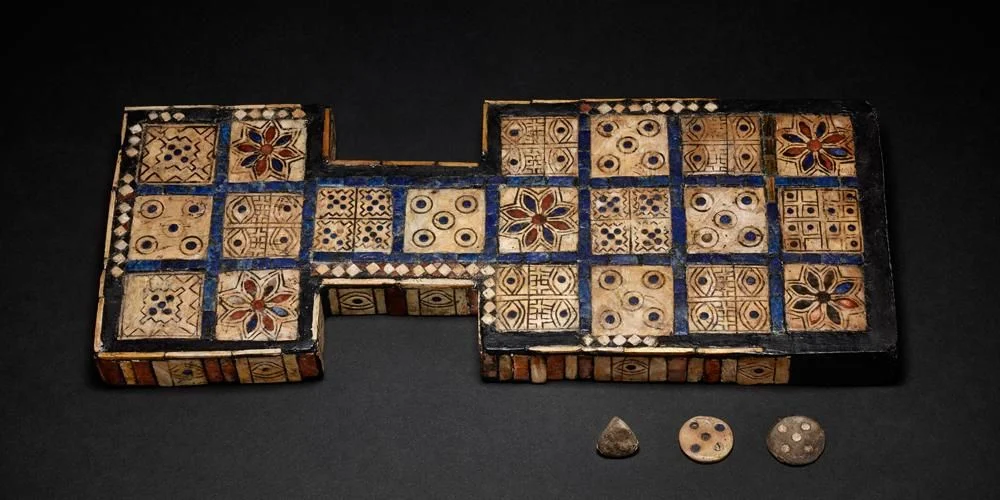
Some of the oldest known games include Senet and the Royal Game of Ur. These games used boards, pieces, and dice-like objects to create structured gameplay.

They were often found in burial sites, suggesting they held symbolic or spiritual meaning.

Rules and Gameplay

Ancient board games combined elements of strategy and chance. Players had to think ahead, plan moves, and adapt to changing situations.

While the exact rules are sometimes unknown, reconstructions suggest complex and engaging gameplay.

Cultural and Social Role

Games were more than entertainment—they brought people together. They were played in homes, public spaces, and during gatherings.

They may also have been used to teach skills such as decision-making and problem-solving.

Symbolism and Belief

Some games had deeper meanings, representing journeys, challenges, or life itself. Playing could have symbolic significance, especially in ritual contexts.

A Lasting Legacy

Modern board games continue this ancient tradition. The basic idea of structured play, strategy, and competition remains unchanged.

Enduring Appeal

The oldest board games remind us that humans have always sought ways to challenge, entertain, and connect with one another. They reflect creativity, intelligence, and the timeless joy of play.
← Ancient Underground WorldsAncient Ritual Masks and Their Meanings →
Featured
image_2026-04-04_164502650.png
Apr 4, 2026
Ancient Technologies We Still Don’t Understand
Apr 4, 2026
Read More →
Apr 4, 2026
image_2026-04-04_164006806.png
Apr 4, 2026
Mysteries of the Ancient Sea Peoples
Apr 4, 2026
Read More →
Apr 4, 2026
image_2026-04-04_163930013.png
Apr 4, 2026
The Ancient Origins of Storytelling
Apr 4, 2026
Read More →
Apr 4, 2026
image_2026-04-04_163848702.png
Apr 4, 2026
The First Laws That Governed Humanity
Apr 4, 2026
Read More →
Apr 4, 2026
image_2026-04-04_163806866.png
Apr 4, 2026
Ancient Underground Worlds
Apr 4, 2026
Read More →
Apr 4, 2026
image_2026-04-04_163502310.png
Apr 4, 2026
The Oldest Known Board Games
Apr 4, 2026
Read More →
Apr 4, 2026
read more

Powered by The archaeologist