Introduction
Salt has been an essential resource throughout human history. It was used to preserve food, support human and animal health, process hides, and serve various domestic and industrial purposes. Because natural salt deposits were unevenly distributed, communities often depended on exchange networks to obtain it.
Mountain passes were particularly important in the movement of salt between production areas and inland settlements. Although transporting heavy loads through mountainous terrain was difficult, established routes could connect salt sources with agricultural communities, pastoral regions, and urban markets.
The archaeology of salt trade along mountain passes offers a way to investigate transportation systems, temporary camps, exchange points, and the economic relationships that developed around an essential mineral resource.
The Importance of Salt in Ancient Societies
Salt is primarily composed of sodium chloride and occurs naturally in several forms, including rock salt, saline springs, and evaporated seawater.
Its importance extended beyond seasoning food. Salt could help preserve meat and fish, allowing communities to store food for longer periods and transport it over greater distances.
It was also used in certain craft activities, including hide processing and food preparation. Livestock required access to mineral salts as part of their nutritional needs.
Because of these uses, salt could become an important commodity in both local and long-distance exchange.
Sources of Ancient Salt
Ancient communities obtained salt from different geological and environmental sources.
Rock salt deposits could be mined from underground formations or exposed mineral beds. Saline springs and salt lakes provided another source, while coastal communities could produce salt through the evaporation of seawater.
The method of production depended on local geography and climate.
Salt production sites could range from small-scale household operations to larger installations involving evaporation basins, heating equipment, storage areas, and organized labor.
The location of these sources influenced the direction and cost of trade routes.
Why Mountain Passes Were Important
Mountain ranges can separate communities that depend on different resources. A valley with productive agricultural land may lack salt, while a nearby geological region contains valuable deposits.
Mountain passes provide routes through otherwise difficult terrain. They connect valleys, plateaus, and neighboring ecological zones.
A pass could therefore become an important corridor for transporting salt and other goods.
The most useful routes were not necessarily the shortest. Traders needed paths with manageable slopes, reliable water sources, access to grazing, and places where animals and people could rest.
Camps and Relay Stations
Long-distance transport through mountains required places where travellers could stop, rest, and reorganize their loads.
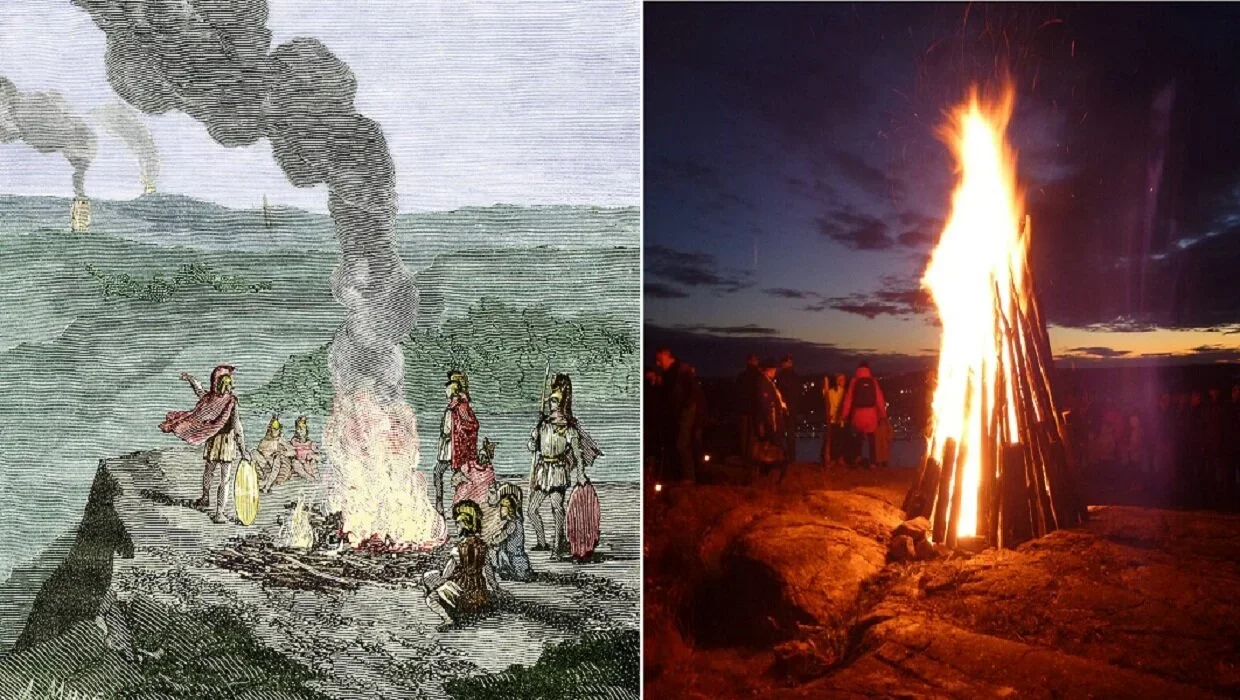
Temporary camps might have been established near springs, sheltered valleys, or relatively level sections of a route.
These camps could contain hearths, simple shelters, animal enclosures, storage areas, and discarded equipment.
Relay stations offered another possible arrangement. Goods could be transferred between groups or animals at intermediate points, reducing the need for one team to complete the entire journey.
However, the presence of a temporary camp along a mountain route does not automatically establish a connection with salt trading. Its function must be supported by evidence such as salt residues, transport equipment, associated production sites, or historical documentation.
Transporting Salt Through Mountain Landscapes
Salt was a valuable but relatively heavy commodity. Transport methods varied according to the region, available animals, road conditions, and the scale of trade.
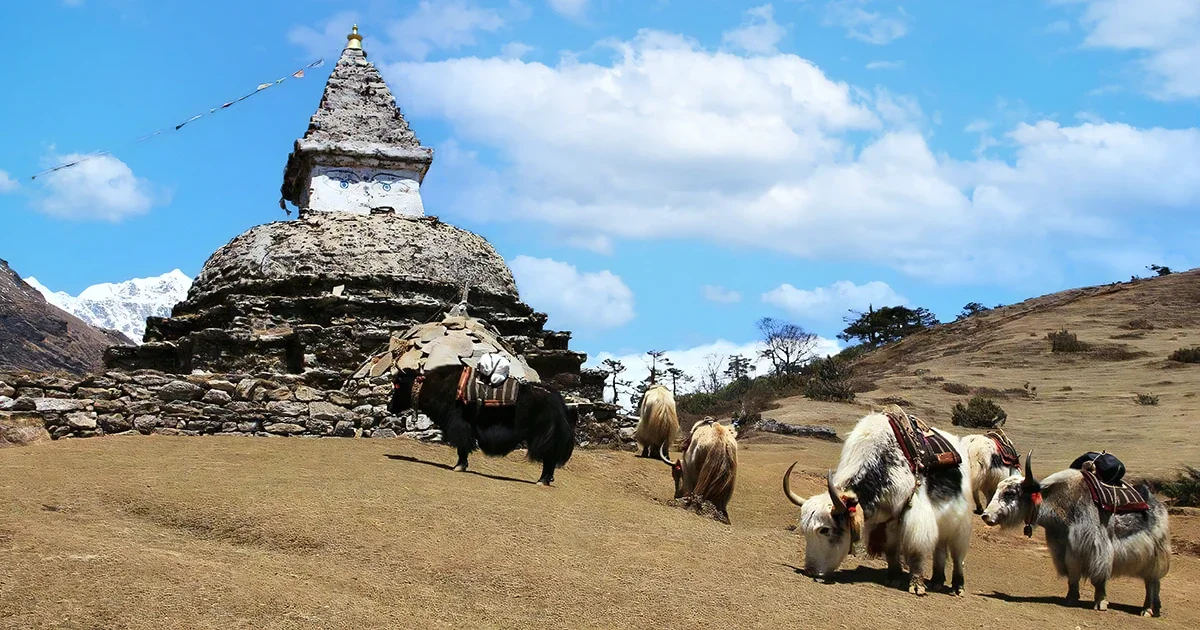
Pack animals such as donkeys, mules, horses, and camels could carry loads along established routes. In some areas, human porters may also have transported salt in baskets or containers.
The packaging of salt was important because moisture could cause it to dissolve or become difficult to handle. Traders needed suitable containers, sacks, baskets, or other protective materials.
The remains of these containers may survive archaeologically, although organic packaging is often poorly preserved.
Archaeological Evidence for Salt Trade
Salt itself can be difficult to identify in archaeological deposits because it is highly soluble and may disappear through contact with water.
Researchers therefore investigate indirect evidence.
Possible indicators include production installations, evaporation basins, heating structures, specialized storage facilities, and mineral residues.
Trade routes may also be identified through the distribution of artifacts associated with salt-producing regions.
Ceramics, metal objects, coins, and other materials can reveal connections between settlements, although they do not independently prove that salt was the commodity being transported.
The strongest evidence comes from combining production-site archaeology, transport infrastructure, settlement patterns, and documentary sources.
Identifying Camps and Relay Stations
Temporary camps can be difficult to distinguish from ordinary seasonal settlements or pastoral activity areas.
Researchers examine hearths, animal remains, pottery, tools, storage features, and the layout of structures.
A site located beside a mountain route may have served travellers, herders, traders, or military groups.
Evidence of repeated occupation could indicate that the location functioned as a regular stopping point.
The presence of facilities for animals, such as enclosures and water access, may strengthen the interpretation of a transport-related site.
However, determining the exact goods handled at a camp requires additional evidence.
Salt, Livestock, and Pastoral Economies
Mountain salt routes may have connected agricultural and pastoral communities.
Livestock required access to mineral nutrients, and salt could be used as part of animal management.
Pastoralists might have exchanged animal products, wool, hides, dairy products, or livestock for salt and other supplies.
Seasonal movement could influence the timing of trade. Mountain routes might be accessible only during certain periods, while snow and severe weather could interrupt transportation.
The organization of salt exchange may therefore have been closely connected with seasonal pastoral cycles.
Economic and Political Control of Salt Routes
Salt was valuable enough to attract the attention of political authorities.
In some historical societies, rulers or local institutions attempted to regulate salt production, transportation, or taxation.
Control over a mountain pass could provide opportunities to collect tolls, monitor trade, and protect commercial movement.
However, the existence of a fortified structure near a salt route does not automatically prove that it controlled salt trade. It may have served broader military or administrative purposes.
Documentary evidence, inscriptions, and the distribution of settlements can help clarify how authorities interacted with salt-producing and trading communities.
Dating Ancient Salt Networks
Dating salt trade routes requires several different forms of evidence.
Production installations may be dated through charcoal, construction layers, pottery, and other associated materials.
Camps and relay stations can be investigated through radiocarbon dating of organic remains and the chronological study of artifacts.
Road surfaces and transport structures may reveal multiple phases of construction and maintenance.
Researchers must also distinguish the age of a route from the period during which salt was transported along it. A mountain path may have existed for centuries before becoming part of a specialized commercial network.
Conclusion
Ancient salt trade along mountain passes demonstrates how communities connected geographically separated resources through transportation and exchange. Camps and relay stations could support traders, animals, and goods moving through difficult terrain, while mountain corridors linked salt-producing areas with settlements that depended on the mineral. Archaeological evidence is often indirect because salt dissolves easily and temporary camps leave limited remains. By combining geological research, production-site excavation, route analysis, artifact distribution, and historical documentation, researchers can reconstruct how salt contributed to the economic and social relationships of ancient mountain communities.