The Challenge of Fortified Cities
As cities grew stronger, so did their defenses. Walls, gates, and towers protected communities from attack. To overcome these defenses, ancient armies developed siege weapons—tools designed to break through barriers and capture fortified settlements.
Early Siege Technologies
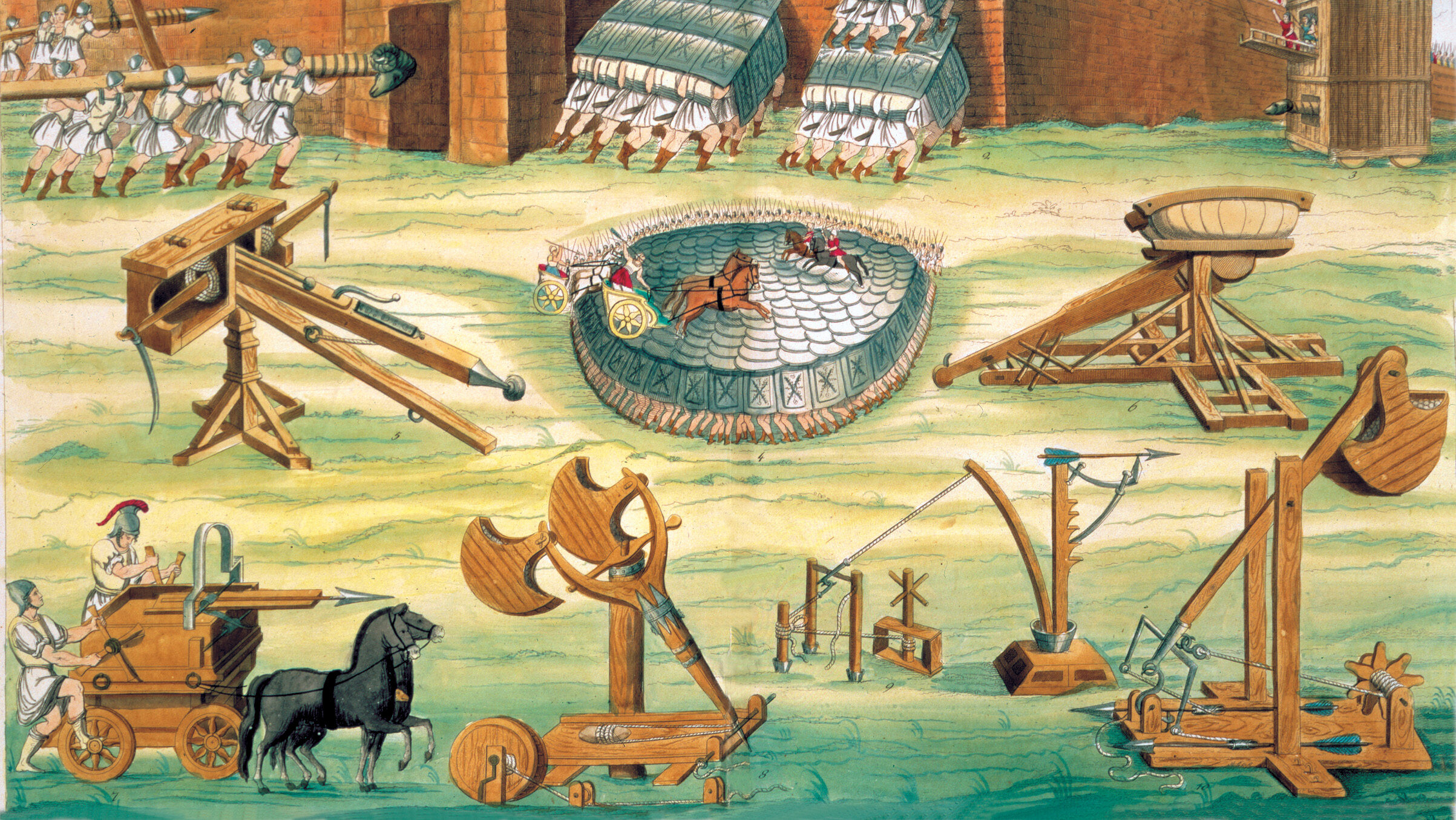
Some of the earliest siege tools were simple but effective. Battering rams were used to break down gates, while ladders allowed soldiers to climb walls.
Over time, more advanced weapons were developed, including catapults that could launch projectiles over long distances. These innovations required knowledge of mechanics and engineering.
Engineering and Strategy
Building siege weapons was a complex process. Engineers had to consider materials, balance, and force. They also had to design machines that could be transported and assembled quickly.
Siege warfare required careful planning. Armies needed to coordinate attacks, manage resources, and maintain pressure on defenders.
Defensive Innovations
As offensive technology improved, so did defensive strategies. Walls became thicker, towers taller, and gates stronger. Some cities added moats or other barriers to slow attackers.
This cycle of attack and defense led to continuous innovation on both sides.
Impact on Warfare
Siege weapons changed the nature of warfare. Battles were no longer limited to open fields—cities could be attacked and captured, expanding the scope of conflict.
Control of fortified cities became crucial for political and economic power.
A Legacy of Engineering
Ancient siege technology demonstrates early understanding of physics and engineering. These innovations influenced later military developments and contributed to advances in construction and design.