• MAIN PAGE
  • LATEST NEWS
    • Lost Cities
    • Archaeology's Greatest Finds
    • Underwater Discoveries
    • Greatest Inventions
    • Studies
    • Blog
  • PHILOSOPHY
  • HISTORY
  • RELIGIONS
    • Africa
    • Anatolia
    • Arabian Peninsula
    • Balkan Region
    • China - East Asia
    • Europe
    • Eurasian Steppe
    • Levant
    • Mesopotamia
    • Oceania - SE Asia
    • Pre-Columbian Civilizations of America
    • Iranian Plateau - Central Asia
    • Indus Valley - South Asia
    • Japan
    • The Archaeologist Editor Group
    • Scientific Studies
    • Aegean Prehistory
    • Historical Period
    • Byzantine Middle Ages
    • Predynastic Period
    • Dynastic Period
    • Greco-Roman Egypt
  • Rome
  • PALEONTOLOGY
  • About us
Menu

The Archaeologist

  • MAIN PAGE
  • LATEST NEWS
  • DISCOVERIES
    • Lost Cities
    • Archaeology's Greatest Finds
    • Underwater Discoveries
    • Greatest Inventions
    • Studies
    • Blog
  • PHILOSOPHY
  • HISTORY
  • RELIGIONS
  • World Civilizations
    • Africa
    • Anatolia
    • Arabian Peninsula
    • Balkan Region
    • China - East Asia
    • Europe
    • Eurasian Steppe
    • Levant
    • Mesopotamia
    • Oceania - SE Asia
    • Pre-Columbian Civilizations of America
    • Iranian Plateau - Central Asia
    • Indus Valley - South Asia
    • Japan
    • The Archaeologist Editor Group
    • Scientific Studies
  • GREECE
    • Aegean Prehistory
    • Historical Period
    • Byzantine Middle Ages
  • Egypt
    • Predynastic Period
    • Dynastic Period
    • Greco-Roman Egypt
  • Rome
  • PALEONTOLOGY
  • About us

The First Farmers and the Agricultural Revolution

April 4, 2026

A Turning Point in Human History

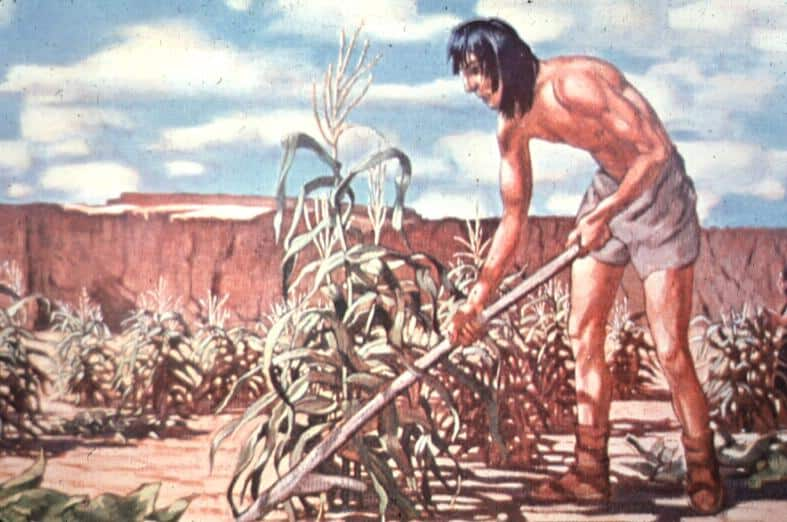
The shift from hunting and gathering to farming is one of the most important events in human history. Known as the Agricultural Revolution, this transition changed how people lived, worked, and interacted with their environment.

The Beginnings of Farming

Early humans began to domesticate plants and animals, creating reliable sources of food. Crops such as wheat and barley were cultivated, while animals like goats and sheep were raised for food and labor.

This shift allowed people to settle in one place rather than constantly moving.

Permanent Settlements

With stable food supplies, communities began to form permanent settlements. Villages grew into towns, and eventually cities. This marked the beginning of organized society.

Technological Advances

Farming led to the development of tools such as plows and irrigation systems. These innovations increased productivity and allowed for larger populations.

Social and Cultural Change

The Agricultural Revolution changed social structures. People began to specialize in different roles, such as farming, crafting, or leadership. This led to the development of complex societies.

Long-Term Impact

Agriculture remains a foundation of modern life. The practices developed thousands of years ago continue to influence how we produce food today.

A Lasting Transformation

The first farmers did more than grow crops—they reshaped human history. Their innovations set the stage for civilization, making possible the world we know today.
← The Mysteries of Ancient Burial MoundsAncient Siege Weapons and Military Innovation →
Featured
image_2026-04-04_163502310.png
Apr 4, 2026
The Oldest Known Board Games
Apr 4, 2026
Read More →
Apr 4, 2026
image_2026-04-04_163429428.png
Apr 4, 2026
Ancient Ritual Masks and Their Meanings
Apr 4, 2026
Read More →
Apr 4, 2026
image_2026-04-04_163353200.png
Apr 4, 2026
The Birth of Ancient Mathematics
Apr 4, 2026
Read More →
Apr 4, 2026
image_2026-04-04_163251523.png
Apr 4, 2026
Ancient Maritime Navigation Tools
Apr 4, 2026
Read More →
Apr 4, 2026
image_2026-04-04_163008817.png
Apr 4, 2026
The Mysteries of Ancient Burial Mounds
Apr 4, 2026
Read More →
Apr 4, 2026
image_2026-04-04_162856811.png
Apr 4, 2026
The First Farmers and the Agricultural Revolution
Apr 4, 2026
Read More →
Apr 4, 2026
read more

Powered by The archaeologist