Sound as a Universal Language
Music is one of the oldest forms of human expression. Long before written language, people used sound to communicate emotions, tell stories, and connect with one another.
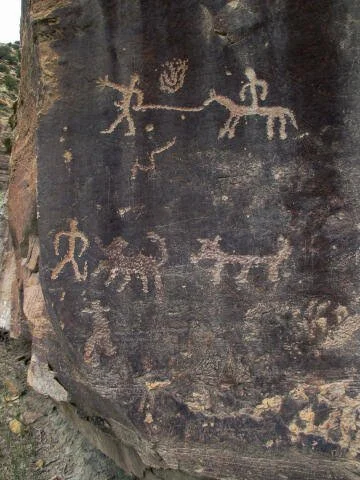
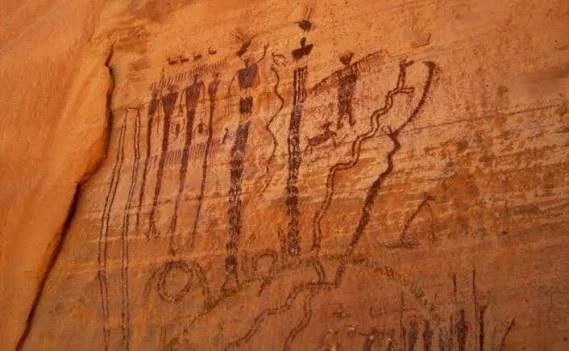
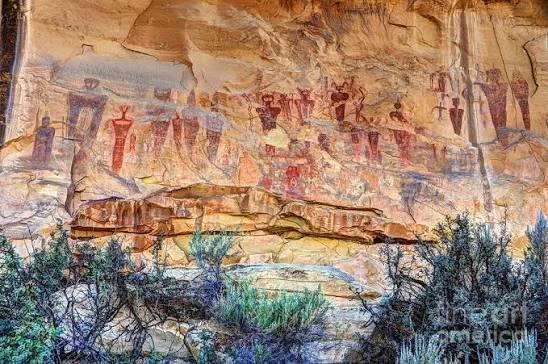
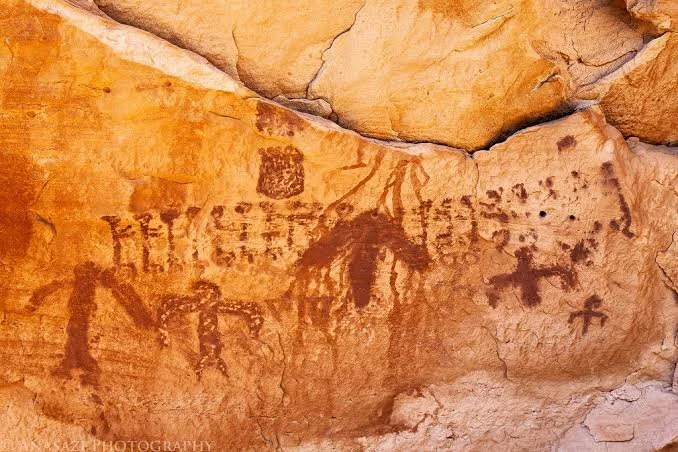
The earliest evidence of music comes from both instruments and artistic depictions, showing that musical performance was an important part of ancient life.
Early Instruments
Ancient instruments were made from natural materials. Drums were created using animal skins stretched over frames, while flutes and horns were made from bone, wood, or shell.
Rattles and percussion instruments added rhythm, while wind instruments produced melodies. These tools allowed for a wide range of musical expression.
Music and Ritual
Music was closely tied to rituals and ceremonies. It was used in religious practices, celebrations, and communal gatherings. The combination of music, dance, and movement created powerful shared experiences.
In many cultures, music was believed to have spiritual power, capable of influencing emotions, communicating with the divine, or bringing communities together.
Social and Cultural Roles
Music played a role in storytelling, preserving history and traditions. Songs could pass down knowledge, values, and cultural identity from one generation to the next.
Performances often involved groups, emphasizing cooperation and unity. Music brought people together, strengthening social bonds.
Evolution of Musical Expression
As societies developed, so did music. Instruments became more complex, and musical styles evolved. Different cultures developed unique sounds and traditions, reflecting their environments and experiences.
A Timeless Tradition
The earliest musical performances laid the foundation for all modern music. The human connection to rhythm, melody, and sound remains as strong today as it was thousands of years ago.