Weaving the Foundations of Culture
Textiles are among the earliest forms of human craftsmanship, yet they are often overlooked because they decay more easily than stone or metal. Despite this, surviving fragments and tools reveal that ancient societies placed great importance on clothing and fabric production.
Clothing was not only practical—it was a form of identity. Through textiles, people expressed status, culture, and personal style.
Early Materials and Techniques
Ancient people used a variety of natural materials to create textiles. Plant fibers like flax and cotton, as well as animal fibers such as wool, were spun into thread and woven into fabric.
Weaving techniques evolved over time, becoming more complex and refined. Early looms allowed for greater control over patterns and texture, leading to more sophisticated designs.
The Art of Dyeing
Color played a major role in ancient textiles. Natural dyes were extracted from plants, minerals, and insects. These dyes produced a range of colors, from earthy tones to vibrant hues.
Creating and maintaining color required knowledge and skill. Some dyes were rare and expensive, making brightly colored clothing a symbol of wealth and status.
Clothing as Identity
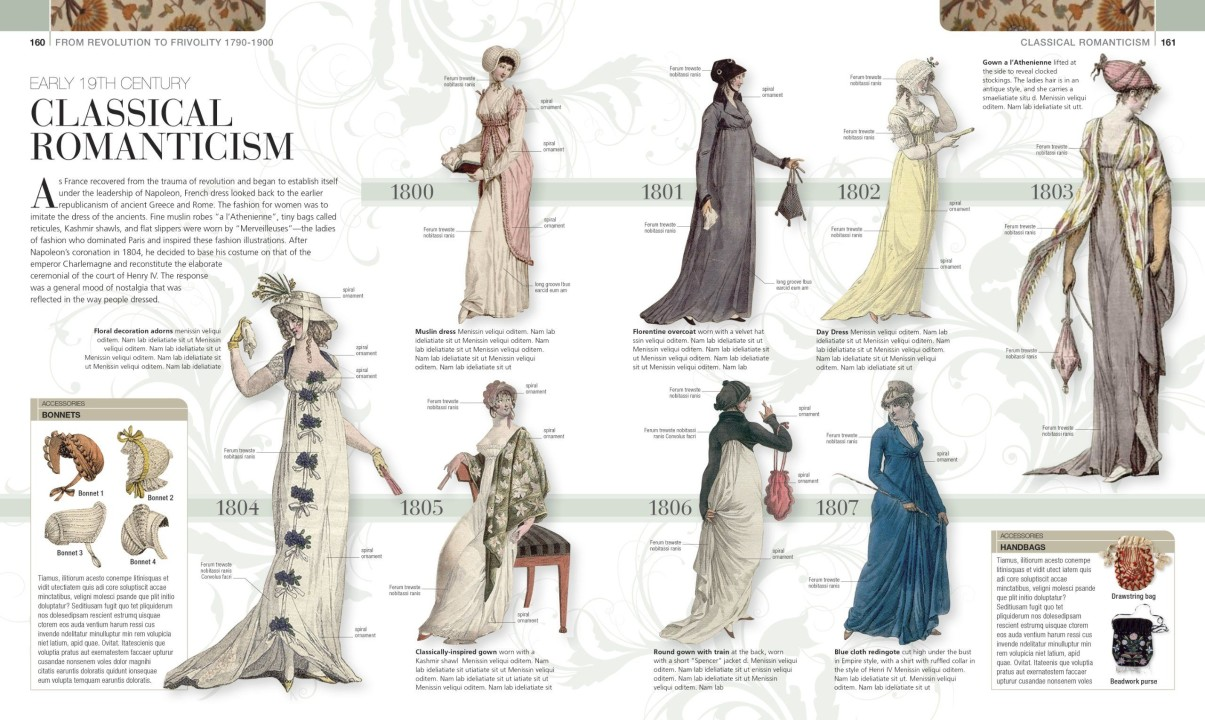
Clothing styles varied widely across cultures. Some garments were simple and functional, while others were elaborate and decorative. Differences in clothing could indicate social rank, occupation, or cultural affiliation.
In many societies, certain fabrics or colors were reserved for specific groups, such as leaders or religious figures.
Fashion and Trends
Even in ancient times, fashion trends existed. Styles changed over time, influenced by trade, cultural exchange, and innovation. New materials and techniques led to new forms of clothing.
Accessories such as belts, jewelry, and headpieces complemented garments, adding to personal expression.
Cultural and Economic Impact
Textile production was an important economic activity. Skilled weavers and dyers were valued members of society. Trade in textiles connected distant regions, spreading styles and techniques.
Textiles also played a role in rituals and ceremonies, further emphasizing their cultural significance.
A Lasting Influence
The foundations of modern fashion can be traced back to ancient textiles. Techniques like weaving and dyeing continue to be used today, while the idea of clothing as self-expression remains central to human culture.