Hidden Beneath the Surface
While ancient civilizations are often associated with grand temples and towering monuments, some of their most fascinating achievements lie hidden underground. Beneath cities and landscapes, ancient people created complex subterranean worlds—networks of tunnels, chambers, tombs, and even entire underground cities.
These hidden spaces served a variety of purposes, from protection and storage to religious rituals and burial. Today, they offer a unique glimpse into how ancient societies adapted to challenges and expressed their beliefs.
Subterranean Cities and Shelters
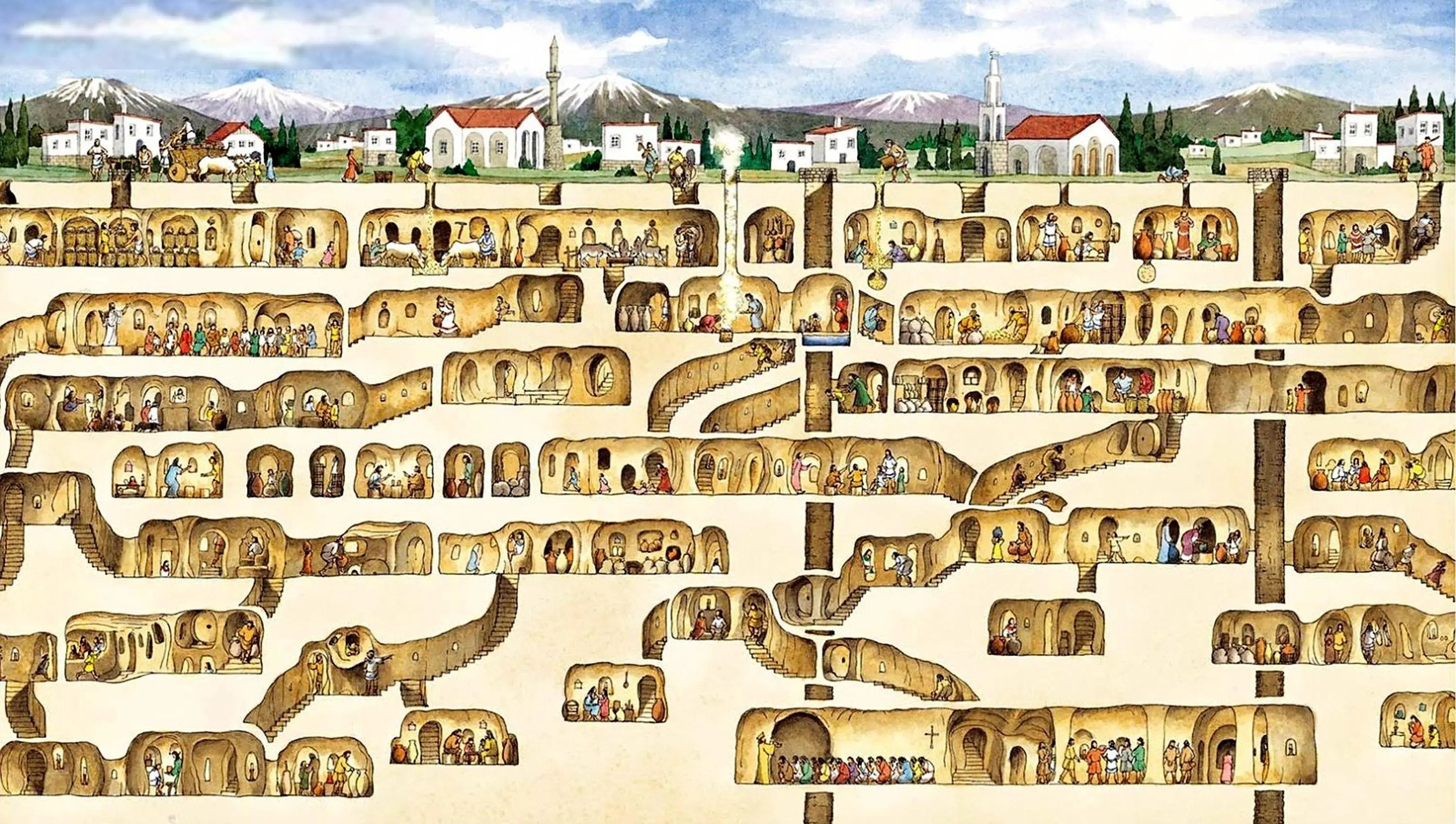
One of the most remarkable examples of underground construction is the creation of entire cities beneath the earth. These underground settlements were often built for protection, providing refuge from invasions, harsh climates, or natural disasters.
Carved into rock or soil, these spaces included living quarters, storage areas, ventilation systems, and even places of worship. The design of these cities required careful planning to ensure air circulation, structural stability, and access to water.
The existence of such complex underground networks shows that ancient people were highly skilled engineers who could adapt their environment to meet their needs.
Tombs and Burial Chambers
Underground spaces were also closely linked to death and the afterlife. Many ancient cultures buried their dead in elaborate underground tombs, believing that the journey after death required protection and preparation.
These tombs often contained intricate carvings, paintings, and grave goods. The effort invested in creating these spaces reflects the importance of honoring the dead and ensuring their safe passage into the next world.
Some tombs were designed to mimic the world of the living, complete with rooms, furniture, and symbolic objects.
Secret Tunnels and Hidden Networks
In addition to cities and tombs, ancient societies built underground tunnels for various purposes. These tunnels could be used for transportation, communication, or escape during times of danger.
Hidden passages allowed people to move without being seen, providing strategic advantages in warfare or protection from threats. Some tunnels connected important locations, forming networks that were both practical and defensive.
Engineering Challenges and Solutions
Building underground required overcoming significant challenges. Excavation had to be done carefully to prevent collapse, and systems had to be developed to manage air, light, and water.
Ancient builders used techniques such as carving into stable rock, reinforcing walls, and creating ventilation shafts. These solutions demonstrate advanced understanding of engineering and environmental conditions.
Cultural and Symbolic Meaning
Underground spaces often held symbolic significance. They were seen as places of transition, connecting the surface world with deeper spiritual realms. In many cultures, the underground represented the afterlife, the unknown, or a sacred space.
Rituals performed in these spaces were often associated with rebirth, transformation, or communication with ancestors.
A World Still Being Discovered
Many underground structures remain unexplored. As technology improves, new discoveries continue to reveal the extent and complexity of these hidden worlds.
These ancient underground spaces remind us that not all history is visible on the surface—some of it lies waiting beneath our feet.