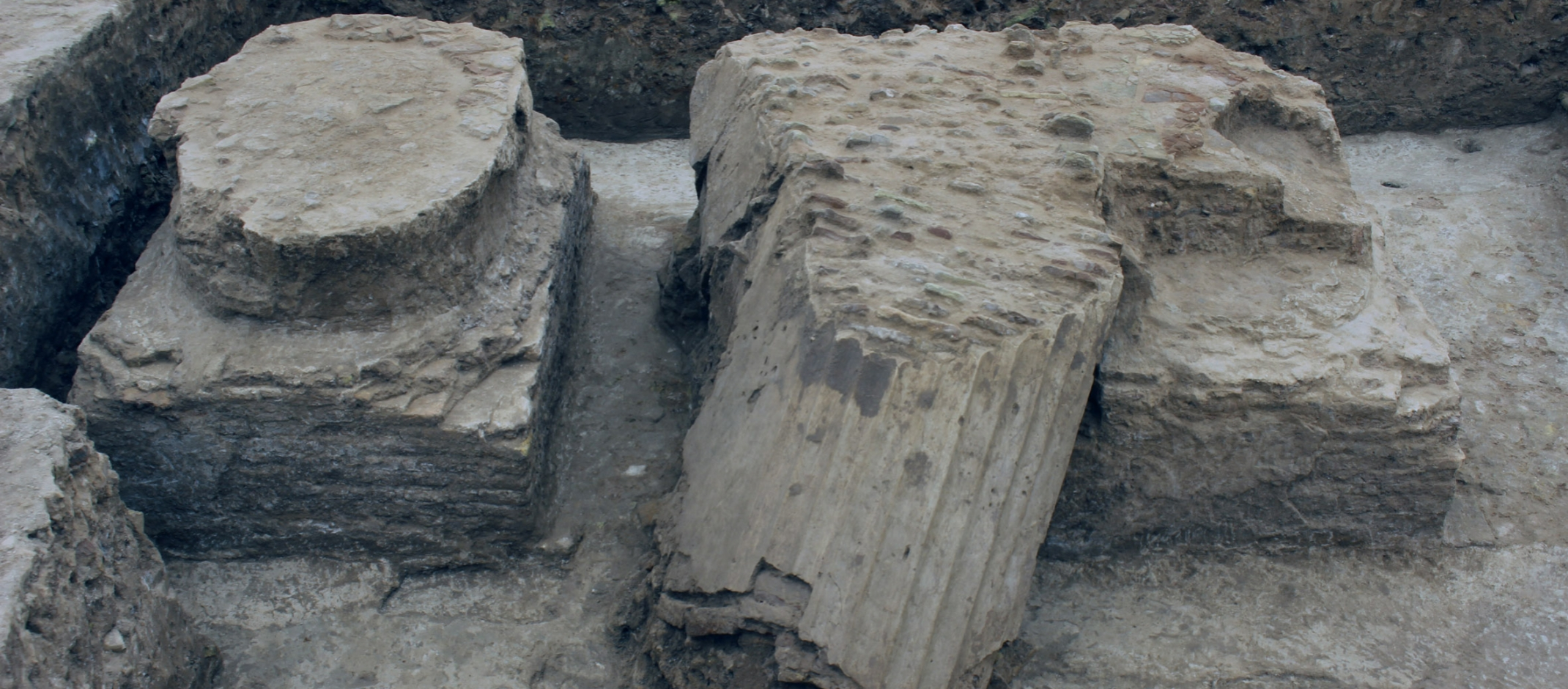
For centuries, one of the ancient world’s most significant cities lay buried beneath layers of dust, conflict, and changing river courses. Alexandria on the Tigris—once a major hub of long-distance trade linking Mesopotamia with India and regions beyond—gradually disappeared from historical awareness after late antiquity. Today, an international research team led by Professor Stefan Hauser of the University of Konstanz has rediscovered and reinterpreted this long-lost city, shedding new light on its central role in early global commerce.
A City Established by Alexander the Great
In the 4th century BCE, Alexander the Great overthrew the Achaemenid Persian Empire, dramatically reshaping political and economic networks across the Near East. Ancient sources recount his return from the Indus Valley to Mesopotamia, where he intended to travel by water from Susa to Babylon. Along this route, Alexander identified a growing problem: sediment buildup in southern Mesopotamia was steadily pushing the Persian Gulf coastline southward, rendering older ports ineffective.
To address this challenge, he founded a new harbor city—Alexandria on the Tigris—near the junction of the Tigris and Karun rivers, about 1.8 kilometers from the ancient shoreline. In later periods, the city became known as Charax Spasinou or Charax Maishan. Roman writers mentioned it, and inscriptions referring to the city have been found as far away as Palmyra in present-day Syria. Yet despite these references, its precise location remained a mystery for hundreds of years.
Tracing the Lost City
The first modern clue emerged in the 1960s, when British scholar John Hansman detected large settlement patterns and city walls in Royal Air Force aerial photographs. Political instability and armed conflict near the Iranian border, however, prevented any follow-up investigations for decades. The site—now identified as Jebel Khayyaber—was later occupied as a military base during the Iran–Iraq War, further delaying research.
It was not until 2014 that international archaeological teams cautiously returned to southern Iraq. British archaeologists working near the ancient city of Ur were directed to Jebel Khayyaber by local authorities. Despite strict security constraints, they were struck by the sheer scale of what they found: enormous city walls extending for several kilometers and still standing up to eight meters high in some areas.
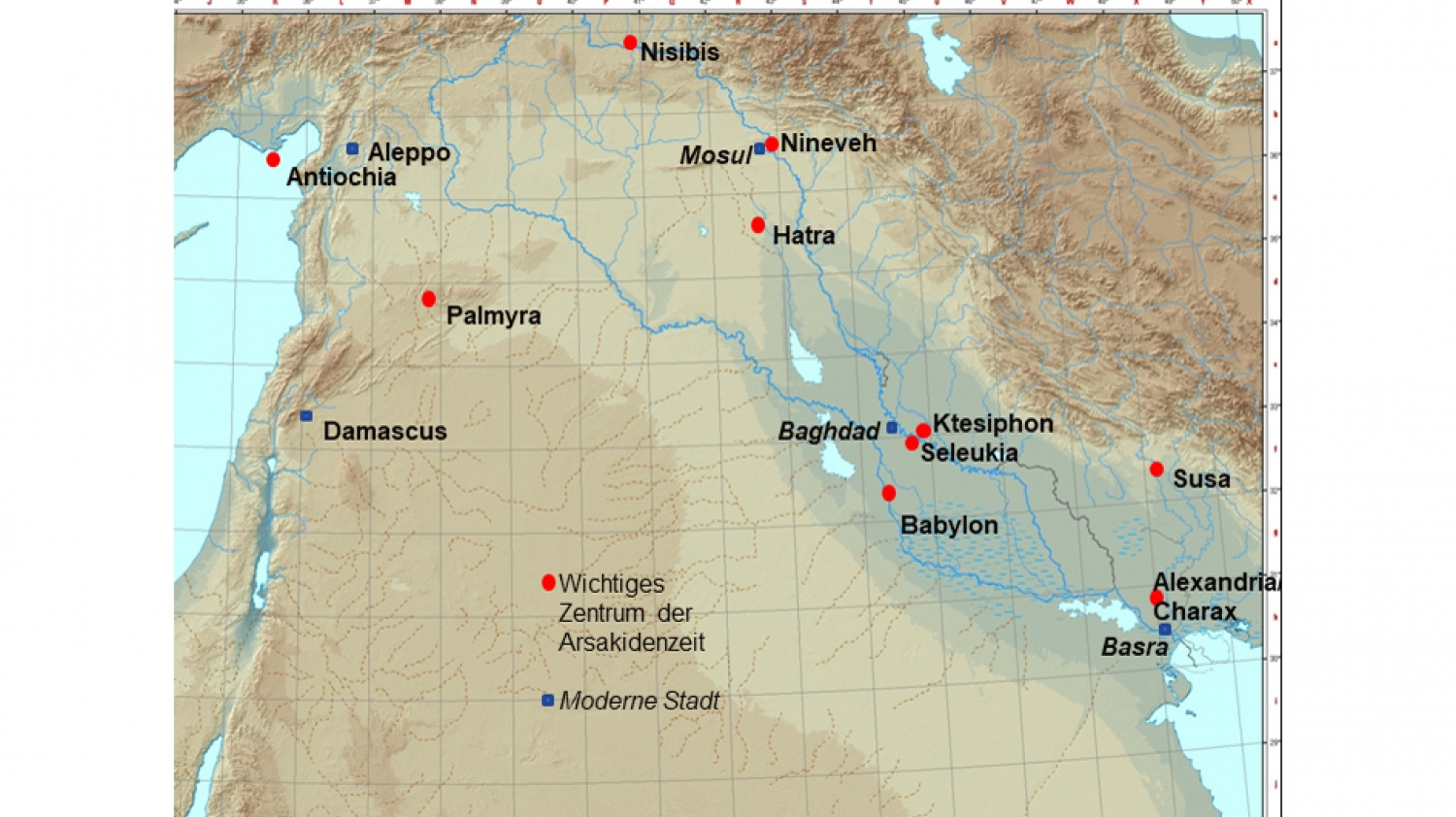
Location of Alexandria/Charax.
Mapping a Megacity Without Digging
Because of persistent security risks, the research team initially avoided excavation and instead turned to non-invasive techniques. Over several years, they carried out intensive surface surveys, walking more than 500 kilometers and recording thousands of pottery fragments and bricks. Drone imagery was then used to create a high-resolution digital terrain model, which revealed a striking conclusion: Alexandria on the Tigris was an enormous, deliberately planned urban center.
Professor Hauser compares the city to Alexandria in Egypt, describing it as its eastern counterpart. Both were established at strategic junctions where river systems met maritime trade routes, acting as vital intermediaries between inland regions and the wider seas. For over five centuries—more than 550 years—Alexandria on the Tigris functioned as one of the most important nodes in ancient long-distance trade networks.
Streets, Sanctuaries, and Industry
Geophysical investigations were crucial in reconstructing the city’s internal organization. By using cesium magnetometers, archaeologists were able to detect streets, walls, canals, and industrial features beneath the surface without disturbing the site. These surveys revealed some of the largest residential blocks known from the ancient world, laid out in an orderly grid that extended several kilometers beyond the northern city wall.
The urban plan, however, was not entirely uniform. At least four different grid orientations were identified, pointing to multiple building phases and distinct functional areas. The city comprised large residential quarters, monumental temple precincts, industrial zones with kilns and smelting furnaces, an inner harbor linked by canals, and a palace-like complex that may have been surrounded by gardens or cultivated land.
In addition, satellite imagery exposed an extensive irrigation network north of the city, indicating large-scale agricultural production—likely grain farming—to sustain the city’s substantial population.
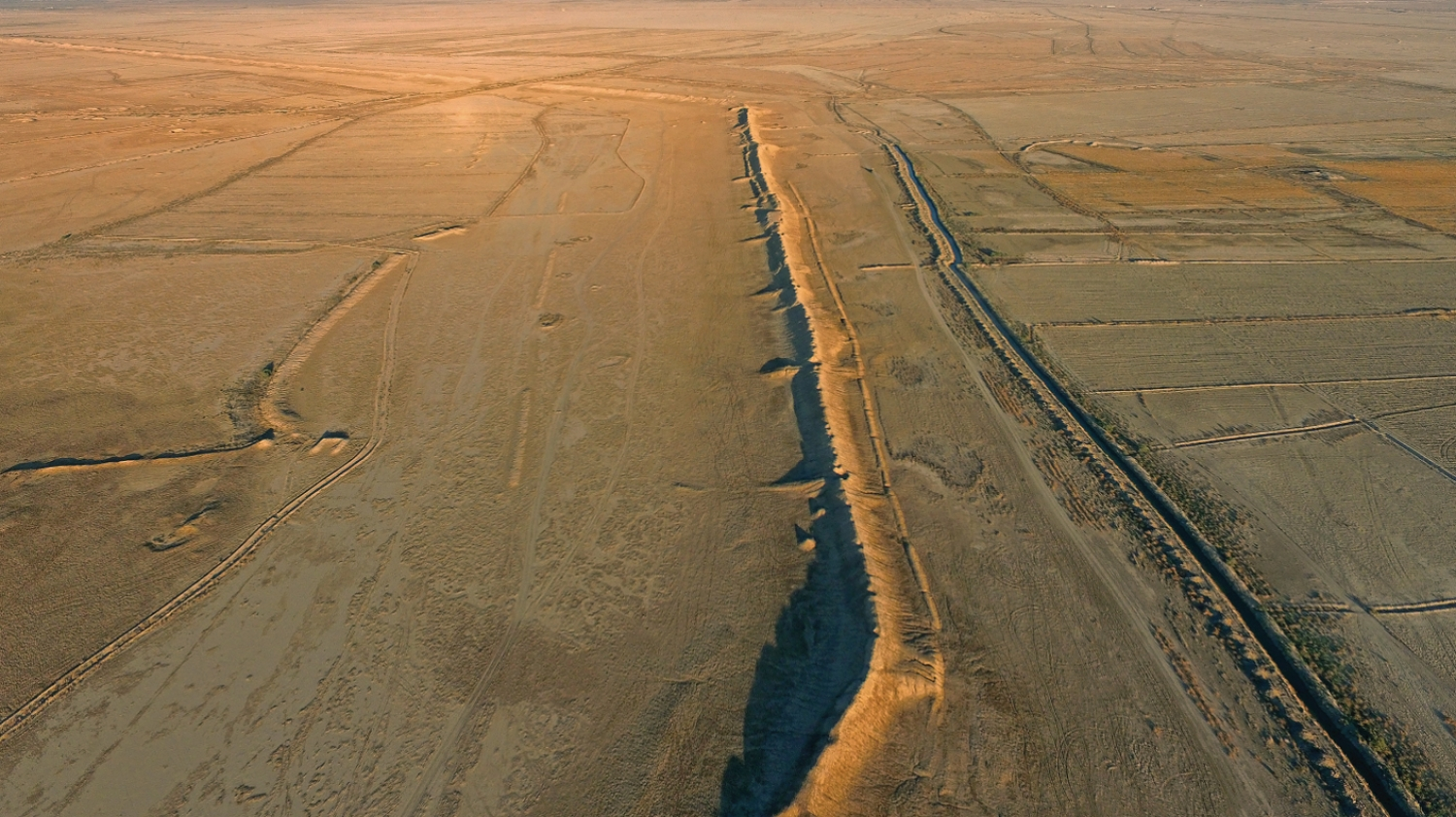
Still impressive today: the fortification walls of Alexandria
A Key Hub in Ancient Global Trade
From around 300 BCE to 300 CE, trade between Mesopotamia and India expanded rapidly, with networks stretching as far as Afghanistan and China. During this era, the twin cities of Seleucia and Ctesiphon rose along the Tigris as major imperial capitals. Ancient accounts suggest that Seleucia alone may have had a population of up to 600,000, generating immense demand for luxury and everyday imported goods.
Hauser explains that almost all trade coming from India passed through Alexandria on the Tigris. Even after new ports were established farther south as sedimentation altered the coastline, merchandise was still routed through Alexandria first. Its geographic position made it a crucial choke point in regional commerce—until environmental changes once again altered the landscape.
Decline, Abandonment, and Enduring Impact
Alexandria’s prosperity depended on the river that sustained it. Geological evidence shows that the Tigris slowly shifted westward, eventually isolating the city from its main water route. By the 3rd century CE, Alexandria was left far from both the river and the Persian Gulf, which itself had retreated nearly 180 kilometers to the south.
Deprived of river access, the city lost its commercial and political importance and was gradually abandoned. Yet its influence did not disappear. In later centuries, the city of Basra would assume Alexandria’s former role as the region’s principal port.
Today, with support from the Gerda Henkel Foundation, the German Research Foundation (DFG), and the British Council’s Cultural Protection Fund, further archaeological work is planned. As Professor Hauser emphasizes, Alexandria on the Tigris still holds many unanswered questions—and its rediscovery is transforming how scholars understand the early history of global trade and connectivity.