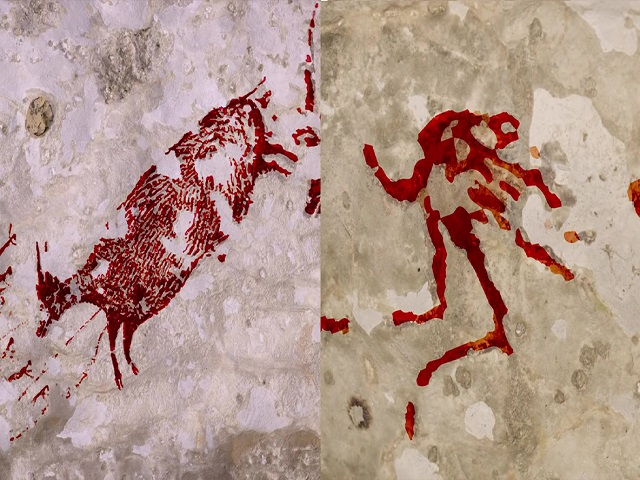
Hand-stencil motifs discovered in caves on Sulawesi, Indonesia, may represent the oldest known rock art, dating back at least 67,800 years, according to a study published in Nature. These findings provide strong evidence supporting the theory that early humans migrated to Sahul—the ancient landmass connecting Australia and New Guinea—via a northern route through Sulawesi.
Rock art offers rare glimpses into ancient human creativity and movement. Indonesia has long been recognized for its early cave paintings, with Pleistocene-era art previously documented in Southwest Sulawesi and eastern Borneo. Southeastern Sulawesi, however, first noted for its rock art in 1977, has remained largely unexplored until now.
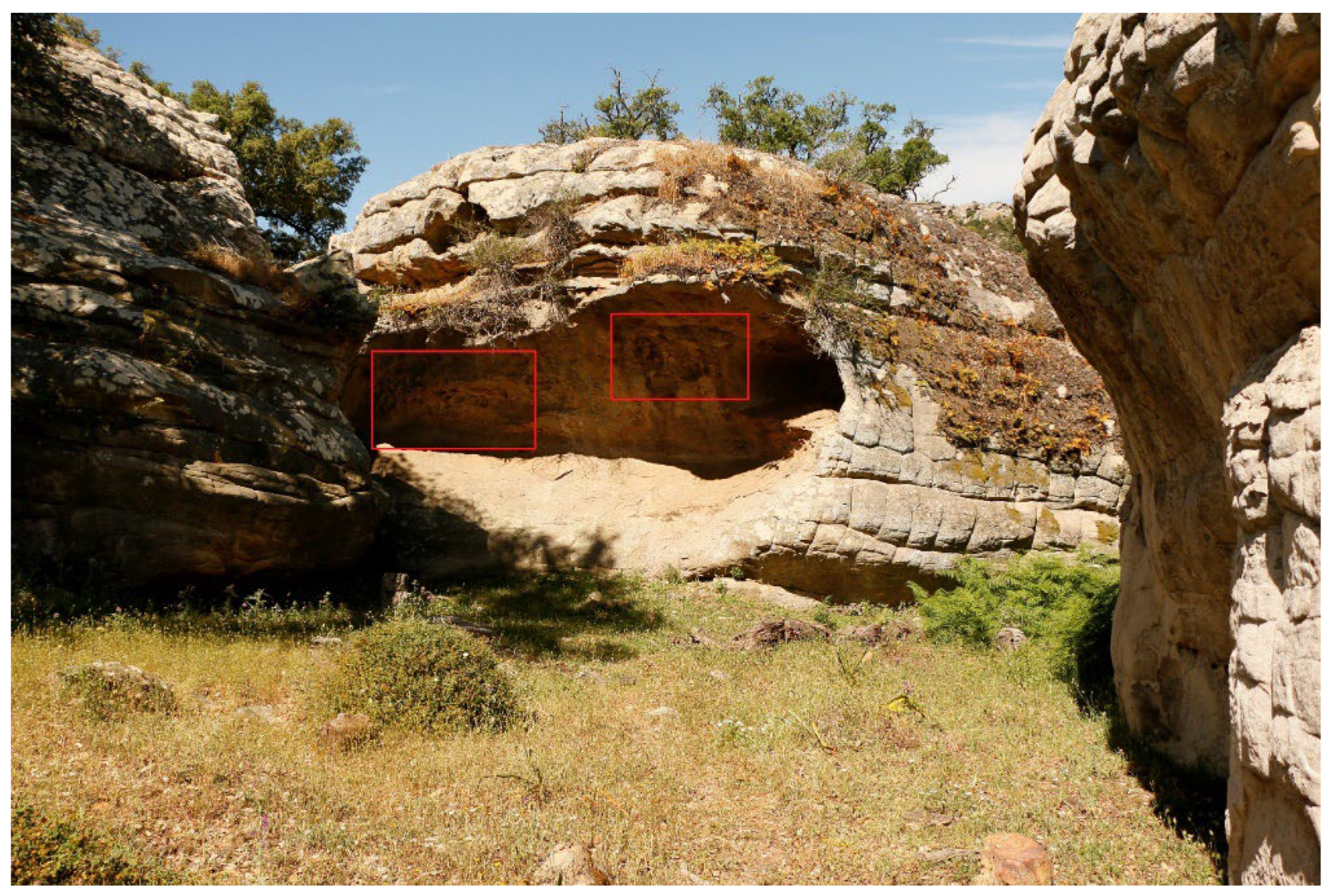
To address this gap, Maxime Aubert and colleagues surveyed caves across Southeast Sulawesi, documenting 44 sites, including 14 previously unrecorded locations. They analyzed tiny calcium-carbonate deposits that had formed both over and beneath the paintings using high-resolution laser-ablation uranium-series dating. Results revealed minimum ages of up to 67,800 years, surpassing the previous oldest known rock art by approximately 1,100 years.
Some caves revealed two distinct episodes of artistic activity separated by roughly 35,000 years, indicating a long-lasting artistic tradition during the Late Pleistocene. Among the motifs documented were seven hand stencils and a brown-pigmented human figure, dated to at least 3,900 years ago, which may represent the earliest evidence of Austronesian cultural expression in the region.
These discoveries not only refine our understanding of the age and development of early human rock art but also strengthen evidence for early maritime migration through Wallacea’s northern islands—the corridor between Asia and Australia. The researchers suggest that similarly ancient art may yet be found along this route, potentially shedding light on the origins of early painted sequences in northern Australia.