Introduction
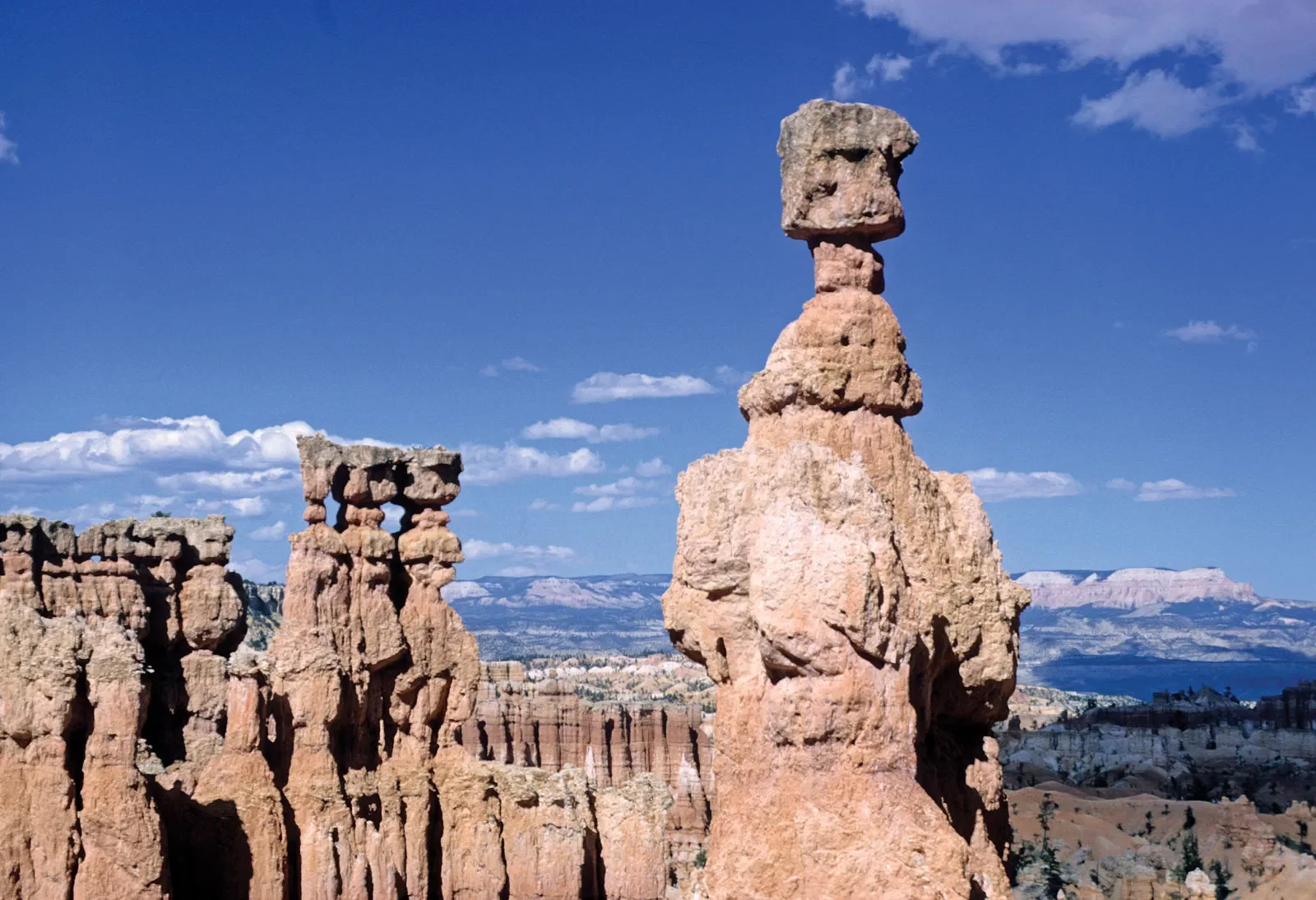
Bryce Canyon is famous around the world for its extraordinary hoodoos—tall columns of eroded sandstone arranged in amphitheater-like formations.
Yet the spectacular geology is only one part of the area's history.
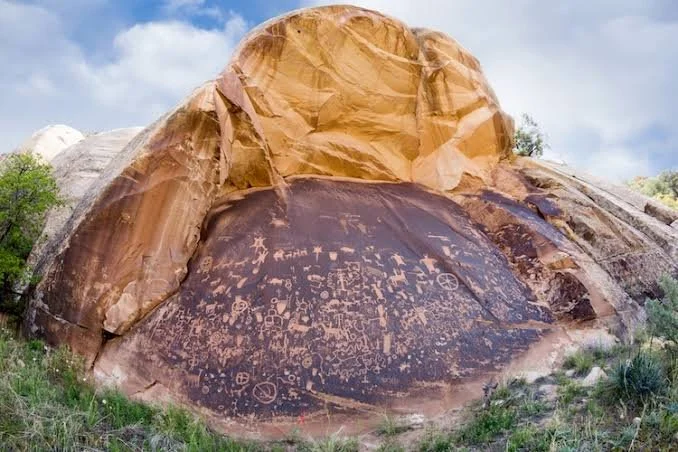
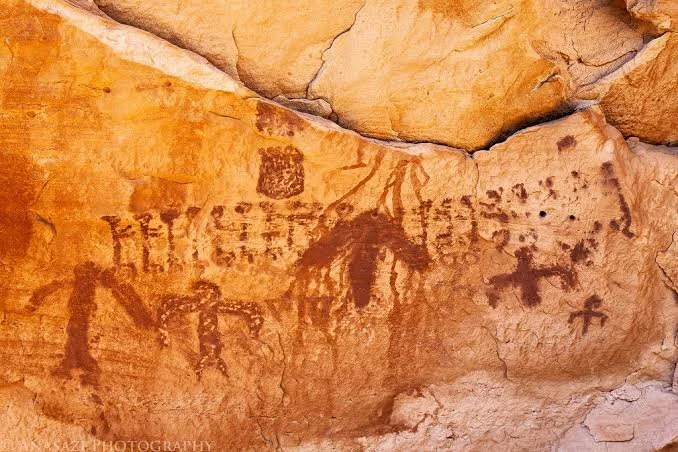
People have lived in and traveled through the Bryce Canyon region for thousands of years.
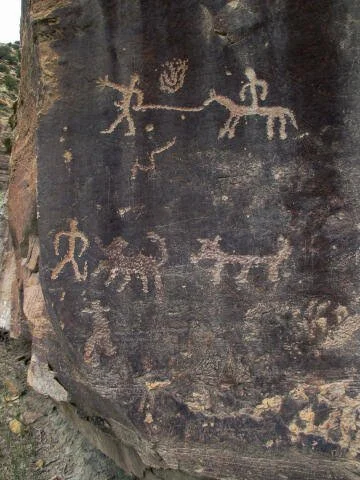
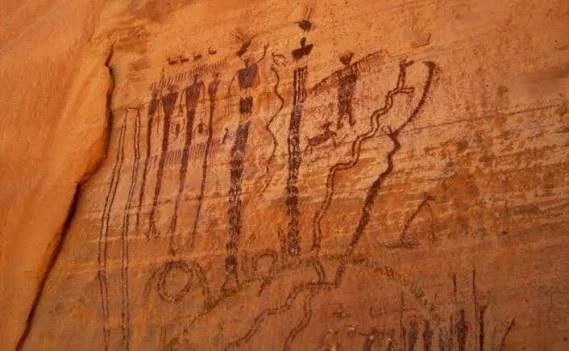
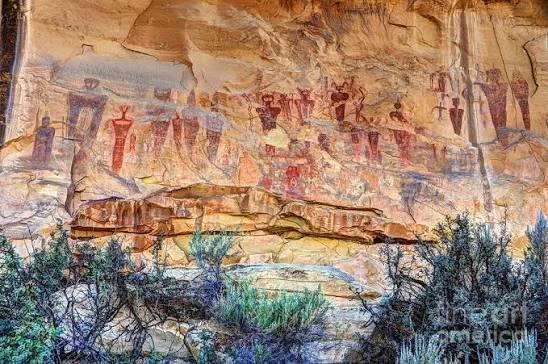
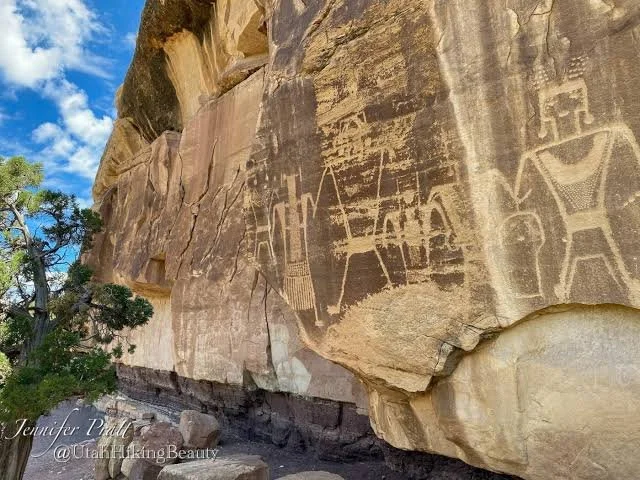
Archaeological evidence demonstrates Indigenous use of the plateau and surrounding landscapes, including small settlements and agricultural sites associated with ancestral peoples.
The title "small pueblos" should be understood carefully because Bryce Canyon's archaeological remains do not represent one large Pueblo city comparable to major settlements elsewhere in the Southwest.
Instead, the region contains evidence of dispersed Indigenous occupation.
The High Plateau
Bryce Canyon sits at a relatively high elevation.
The climate is considerably cooler than the deserts of southern Utah.
Snowfall is substantial.
Summer temperatures are comparatively mild.
These conditions create a different ecological environment from the surrounding lowlands.
Indigenous Occupation
The area was used by different Indigenous communities over thousands of years.
Archaeological evidence includes:
stone tools
projectile points
ceramics
temporary camps
agricultural traces
The remains demonstrate that people understood the seasonal opportunities of the plateau.
Ancestral Pueblo Connections
Ancestral Pueblo communities occupied parts of the larger Colorado Plateau.
Their influence and interaction extended across broad regions.
However, archaeological evidence at Bryce Canyon should not automatically be interpreted as evidence of a large permanent Pueblo town.
The landscape was likely used in multiple ways depending on time and location.
Agriculture
Agriculture at high elevation presented challenges.
The growing season was shorter.
Frost could occur unexpectedly.
Water availability varied.
Yet maize agriculture was possible in suitable locations.
People could supplement crops with wild foods.
Hunting
The plateau supported deer and other wildlife.
Hunting provided meat and materials.
The surrounding forests also supplied fuel and construction resources.
Gathering
Wild plants could provide berries, seeds, roots, and other foods.
Medicinal and technological plants were also valuable.
Knowledge of seasonal plant availability would have been essential.
Archaeological Visibility
One challenge at Bryce Canyon is preservation.
Snow, erosion, vegetation, and natural weathering can obscure archaeological remains.
Small sites may be difficult to detect.
This means that the archaeological record is probably incomplete.
The Hoodoo Landscape
The famous hoodoos are geological formations created by erosion.
Their presence would have shaped human experience.
Large cliffs and amphitheaters provide landmarks.
Natural shelters may provide protection.
Water flows through particular channels.
Travel routes follow natural openings.
Modern Tourism
Bryce Canyon is one of Utah's most heavily visited landscapes.
Millions of people are attracted by the hoodoos and scenic viewpoints.
Tourism creates both economic benefits and preservation challenges.
Foot traffic can damage archaeological sites.
Off-trail travel can cause erosion.
Unauthorized artifact collecting destroys context.
Indigenous Interpretation
Modern archaeological interpretation increasingly recognizes Indigenous relationships to landscapes.
The Bryce region was not an empty wilderness before modern national parks.
People lived, traveled, hunted, gathered, and farmed there.
The landscape therefore has cultural history in addition to geological beauty.
Conclusion
Bryce Canyon is best known for its hoodoos, but the landscape also preserves evidence of thousands of years of human activity.
Small archaeological sites reveal how Indigenous communities adapted to a high-elevation environment.
They hunted.
They gathered.
They farmed where possible.
They traveled across the plateau.
The archaeological record is less dramatic visually than the hoodoos, but it is equally important for understanding the history of the region.
Bryce Canyon is therefore both a geological wonder and a cultural landscape.