Introduction
Few places in southern Utah demonstrate the relationship between landscape, western mythology, and the film industry as clearly as Paria.
The name is associated with both the historic settlement along the Paria River and a later movie-set town built in the dramatic sandstone landscape.
This creates an unusual historical layering.
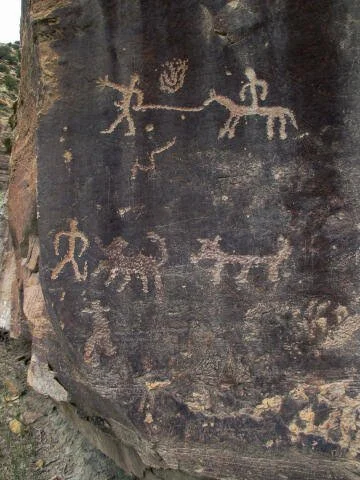
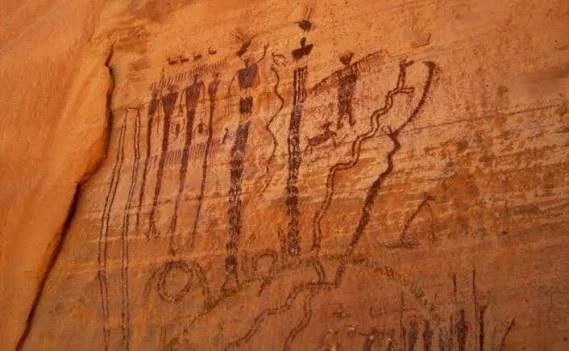
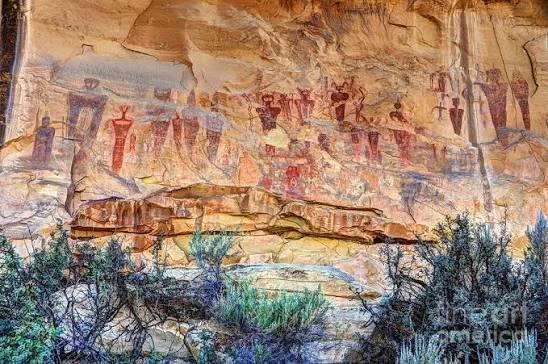
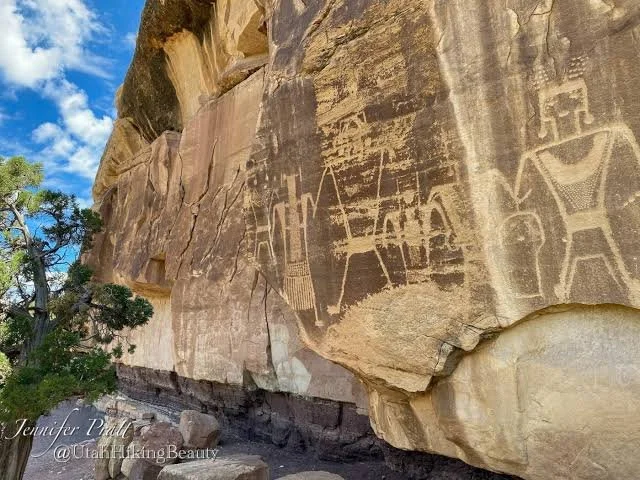
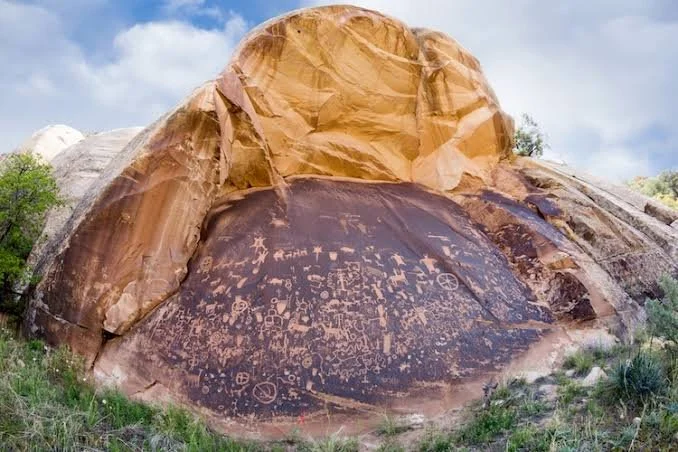
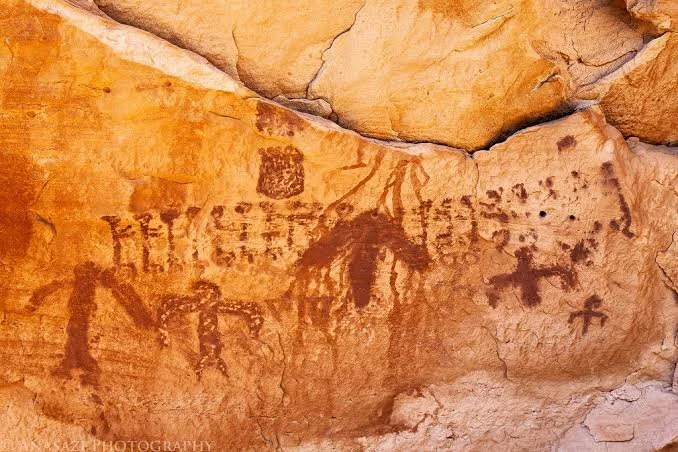
The region was first an Indigenous landscape.
It later became a site of Euro-American settlement.
Then portions of the landscape were transformed into a stage for Hollywood's imagined American West.
The resulting "ghost town" is therefore partly historical and partly cinematic.
The Paria Valley
The Paria River flows through a dramatic landscape of cliffs, mesas, badlands, and sandstone formations.
Water is scarce but extremely important.
The river creates a narrow corridor through otherwise arid country.
For Indigenous peoples, the valley offered access to plants, animals, water, and travel routes.
Euro-American Settlement
Mormon settlers established communities in the Paria region during the nineteenth century.
Agriculture depended on irrigation.
The settlers cultivated crops and established homes along the river.
The environment, however, was difficult.
Floods could damage fields.
Water availability fluctuated.
Isolation made commerce challenging.
The Original Town
The historic settlement became known as Paria.
Over time, residents faced economic and environmental difficulties.
The community eventually declined.
Buildings deteriorated.
The site became a ghost-town landscape.
Hollywood Arrives
The dramatic scenery attracted filmmakers.
Southern Utah offered an ideal setting for western movies.
The landscape could stand in for an imagined nineteenth-century American West.
Film crews could construct temporary buildings and streets.
The Movie Set
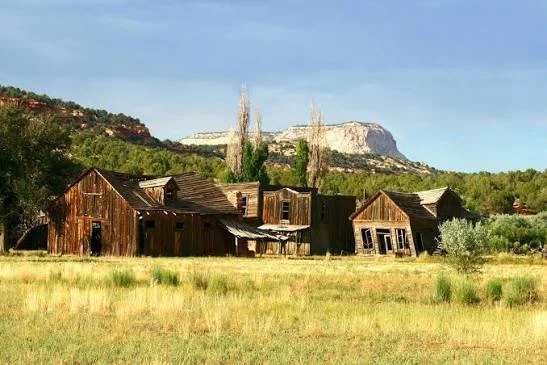
A movie-set town was constructed near the historic Paria area.
It was designed to resemble a nineteenth-century western settlement.
Buildings included:
storefronts
saloons
homes
wooden facades
dirt streets
The structures were designed for filming rather than long-term residence.
Why Southern Utah?
The region's geology made it visually distinctive.
Red cliffs and open desert created dramatic backgrounds.
The absence of dense modern development made it easier for filmmakers to create historical-looking scenes.
The area therefore became associated with western films and television.
Historic vs. Cinematic
This distinction is crucial.
A movie-set building is not automatically a historic nineteenth-century structure.
Some buildings may represent modern recreations.
Others may survive from actual historic settlement.
Visitors should therefore distinguish archaeological or historic remains from cinematic architecture.
The Myth of the Old West
Western films created a powerful visual mythology.
The landscape became associated with:
cowboys
outlaws
sheriffs
saloons
stagecoaches
frontier towns
These images shaped how generations of Americans and international audiences imagined the nineteenth-century West.
But real western history was much more complicated.
Indigenous peoples, Hispanic communities, women, farmers, miners, merchants, migrants, and many other groups played major roles.
Indigenous History
The cinematic western often minimizes Indigenous history.
In reality, southern Utah had deep Indigenous occupation long before Euro-American settlement.
The Paiute people and other Native communities maintained relationships with the region.
The landscape therefore cannot be understood solely through the Hollywood western.
Preservation
Movie sets are fragile.
They were often built from inexpensive materials.
Weather, wind, rain, and vandalism can cause rapid deterioration.
Historic structures have their own preservation requirements.
Cultural Landscape
Paria therefore contains at least three overlapping histories:
Indigenous occupation
Mormon settlement
cinematic western history
Each layer has different sources and preservation challenges.
Conclusion
Paria is fascinating because it demonstrates how history can be transformed into popular culture.
The valley was first an Indigenous landscape.
Mormon settlers later established a community.
The settlement declined.
Then Hollywood transformed the surrounding scenery into a stage for fictional western stories.
The resulting ghost-town landscape is therefore both historical and cinematic.
Its importance lies in understanding how real places become symbols—and how the stories told about them can sometimes become nearly as influential as the history itself.