Introduction
The history of Callao requires some caution because the name is associated with western Utah transportation and settlement, while the better-known Tintic mining district lies much farther east.
Rather than treating the title as evidence of a major Tintic railroad center without qualification, it is more useful to examine Callao within the broader system of freight movement that connected Utah's mining districts, ranches, stage routes, railroad corridors, and desert settlements.
Freight in Western Utah
Freight was essential to frontier economies.
Mining camps required machinery, timber, food, fuel, clothing, and tools.
Ranches required agricultural equipment.
Stage stations required hay and grain.
Small settlements depended upon merchants who could obtain goods from larger cities.
This produced a complex web of wagon routes.
The Importance of Geography
Western Utah is characterized by broad desert basins separated by mountain ranges.
Travelers had to identify reliable routes through difficult terrain.
Water sources were particularly important.
Freight operators planned routes around springs, wells, and ranches.
Wagon Transportation
Before widespread motorization, freight depended heavily on wagons.
Large freight wagons could carry substantial loads, but their movement was slow.
Animals consumed food and water.
Roads could become impassable after storms.
Sand and mud created serious obstacles.
Freight and Mining
Mining districts created enormous demand.
A mine could not operate without supplies.
Machinery had to be transported.
Timber was required for underground supports.
Food had to reach workers.
Ore had to leave the district.
This created economic opportunities for freight operators.
Callao in the Regional Network
Callao's historical importance is best understood through this regional network rather than through a simplistic model of one town serving one mining district.
Western Utah settlements often changed roles as transportation systems evolved.
A location might function as a ranching center, freight stop, postal station, or transportation waypoint at different periods.
Decline of Wagon Freight
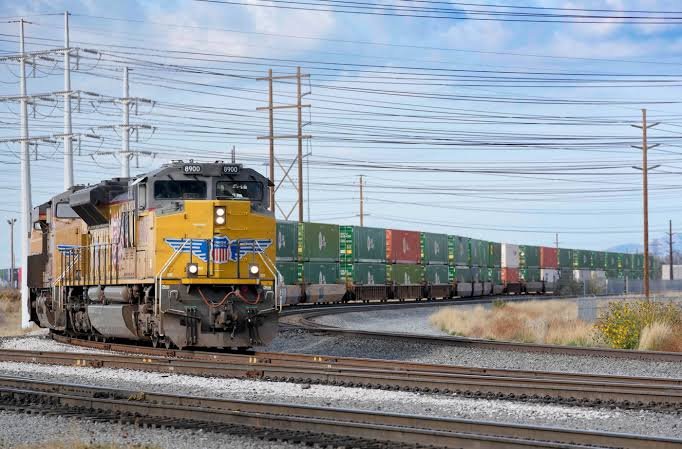
Railroads eventually reduced the importance of long-distance wagon transportation.
Later, automobiles and trucks transformed freight once again.
Roads could reach areas that railroads never served.
Motor transport became more flexible.
The old wagon network declined.
Archaeological Evidence
Historic freight routes can leave surprisingly subtle archaeological traces.
Wheel ruts may survive in dry environments.
Foundations can identify former stations.
Metal hardware can indicate wagon repair.
Bottles and cans reveal the presence of travelers and workers.
Water infrastructure may preserve evidence of transportation use.
Historical Interpretation
Sites such as Callao should not be evaluated only by the size of their surviving buildings.
A small settlement can be historically important because of its position within a larger transportation network.
Conclusion
Callao's historical value lies in understanding the interconnected freight economy of western Utah.
Its story illustrates how mining, ranching, stage transportation, water sources, and wagon freight created a regional system before the dominance of modern highways.
The landscape preserves the memory of an era when transportation depended upon animals, human endurance, environmental knowledge, and carefully spaced sources of water.