Introduction
Fish Springs was one of the most important water and transportation sites in the western Great Basin.
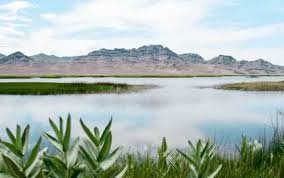
Located at the southern edge of the Great Salt Lake Desert, Fish Springs is today protected as a wildlife refuge. The springs form a significant wetland in an otherwise extremely arid environment.
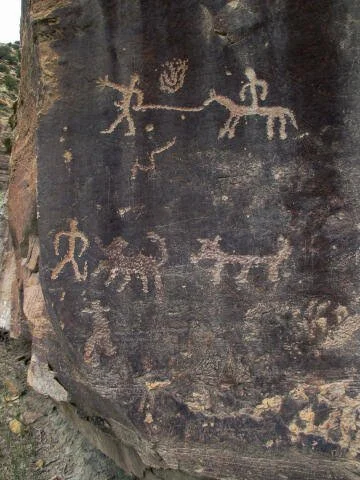
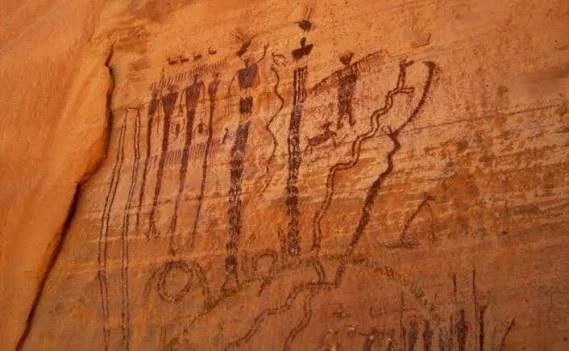
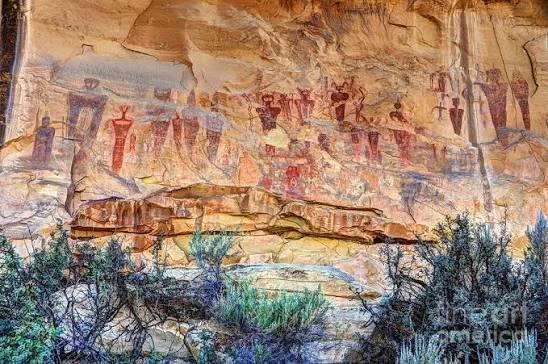
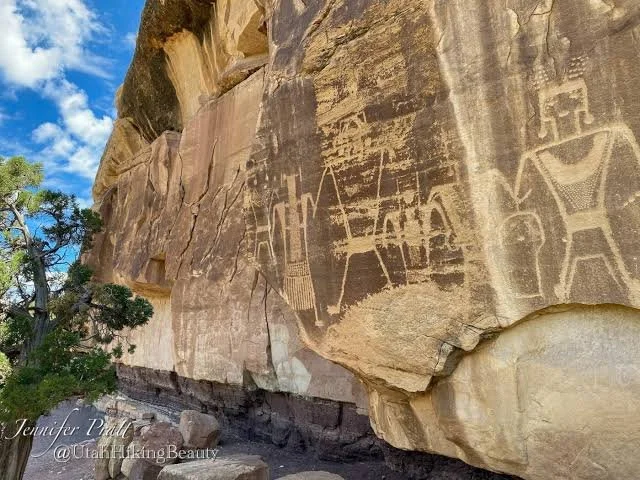
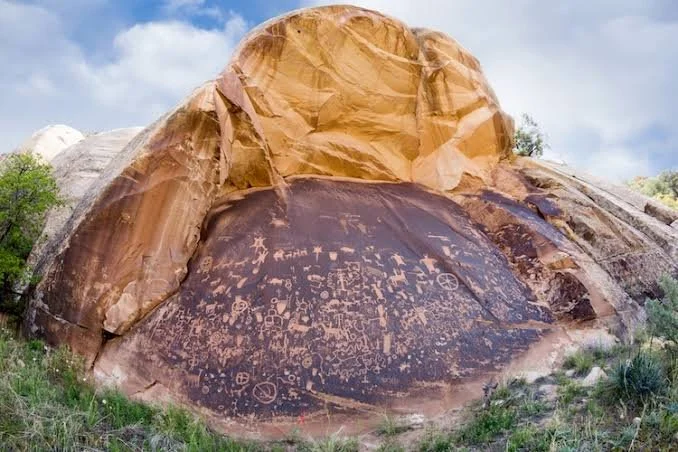
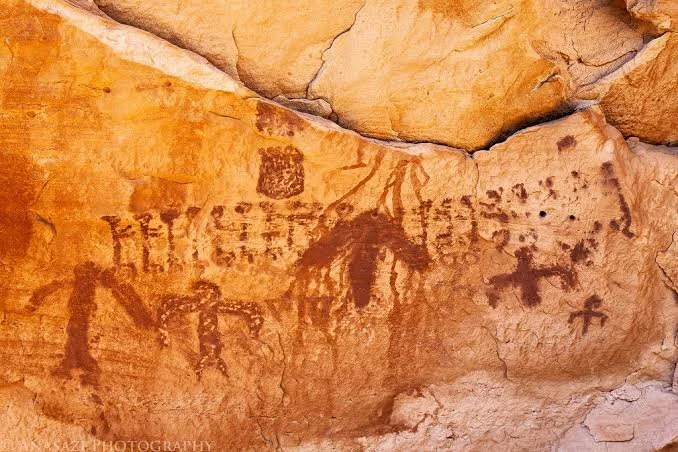
For thousands of years, Indigenous people used the oasis.
In the nineteenth century, it became part of the overland transportation network.
The National Park Service notes that a mail station was established there in 1859 and that Fish Springs later served mail contractors, the Pony Express, the Overland Stage, and the transcontinental telegraph.
An Ancient Oasis
Fish Springs is fundamentally a water landscape.
The surrounding desert is extremely dry, making the springs exceptionally valuable.
Archaeological evidence indicates that Indigenous peoples used the area for at least 11,000 years.
This long history places the Pony Express episode within a much larger human landscape.
The 1859 Mail Station
In 1859, Captain J. H. Simpson and a U.S. Army Topographical Engineers expedition established a mail station at Fish Springs.
Its importance came from its water supply.
The springs were brackish and relatively warm, but they were among the most reliable sources between important transportation points.
Pony Express
When the Pony Express began operating in 1860, Fish Springs became part of its relay system.
Riders needed fresh horses and access to water.
The station's remote location made it particularly valuable.
Overland Stage
The site also supported the Overland Stage.
Stagecoaches needed places where horses could be rested and replaced.
Passengers needed food and water.
Drivers needed reliable routes.
Fish Springs therefore functioned within multiple transportation systems.
Telegraph
The arrival of the transcontinental telegraph transformed communications.
The physical movement of messages by horse became increasingly unnecessary.
Fish Springs subsequently supported telegraph operations.
This sequence illustrates the rapid evolution of nineteenth-century communications.
The Station Structure
Historical descriptions indicate that the original Fish Springs station was a simple stone structure with a brush-and-dirt roof.
Very little of the original building survives.
The absence of major ruins should not be interpreted as evidence that the site was unimportant.
Its historical value comes from its position within the transportation system and its extraordinary environmental setting.
Indigenous History
The springs were already part of Indigenous geography long before the arrival of the U.S. military or mail routes.
Great Basin peoples possessed extensive knowledge of water sources and desert ecology.
Transportation infrastructure often depended on places that Indigenous communities already understood as critical resources.
Environmental Importance
Today Fish Springs is a major wetland refuge.
Its biological significance is remarkable because the springs create habitat in an otherwise extremely arid region.
The contrast between historical transportation and modern wildlife conservation is especially interesting.
The same water source that once supported horses and stage travelers now supports fish, birds, and other wildlife.
Conclusion
Fish Springs demonstrates how environmental geography shaped transportation history.
The oasis supported Indigenous communities for thousands of years before becoming a military mail station, Pony Express relay, stage stop, and telegraph station.
Its story is therefore not simply about the Pony Express.
It is about the extraordinary historical importance of water in the Great Basin.