The Last Queen of Egypt
The death of Cleopatra marked the end of ancient Egypt’s independence—but her tomb has never been definitively found.
What Ancient Sources Tell Us
The primary clues about Cleopatra’s burial come from classical writers such as Plutarch. He recorded that Cleopatra arranged for herself to be buried with Mark Antony after their defeat by Octavian, who would later become the first Roman emperor.
This detail is crucial. It suggests that:
Cleopatra’s tomb was likely grand and carefully planned
It may have held both royal and symbolic significance
The burial site could have been protected or hidden intentionally
However, ancient descriptions are often vague, leaving modern researchers to piece together the evidence.
Excavations at Taposiris Magna have uncovered several intriguing clues:
Coins bearing Cleopatra’s likeness
Statues linked to the Ptolemaic period
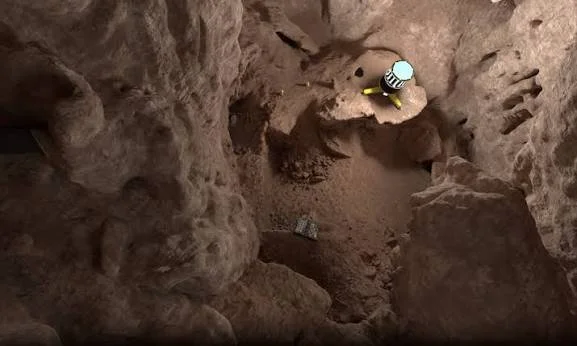
Subterranean tunnels and burial chambers
Artifacts associated with Egyptian religious practices
These discoveries suggest the site was active during Cleopatra’s reign and held significant cultural importance.
A Sacred Landscape of Gods and Power
The importance of Taposiris Magna goes beyond archaeology—it is deeply rooted in religion and symbolism.
Cleopatra famously aligned herself with the goddess Isis, presenting herself as her earthly embodiment. The temple at Taposiris Magna was dedicated to:
Osiris, god of the afterlife
Isis, goddess of magic, motherhood, and rebirth
This connection makes the site a symbolically powerful location for a royal burial.
Placing her tomb in such a sacred setting would have reinforced Cleopatra’s divine image—even in death.
Alexandria: A Lost City Beneath the Sea
Another major theory places Cleopatra’s tomb in Alexandria itself, once one of the greatest cities of the ancient world.
However, this theory faces a major challenge:
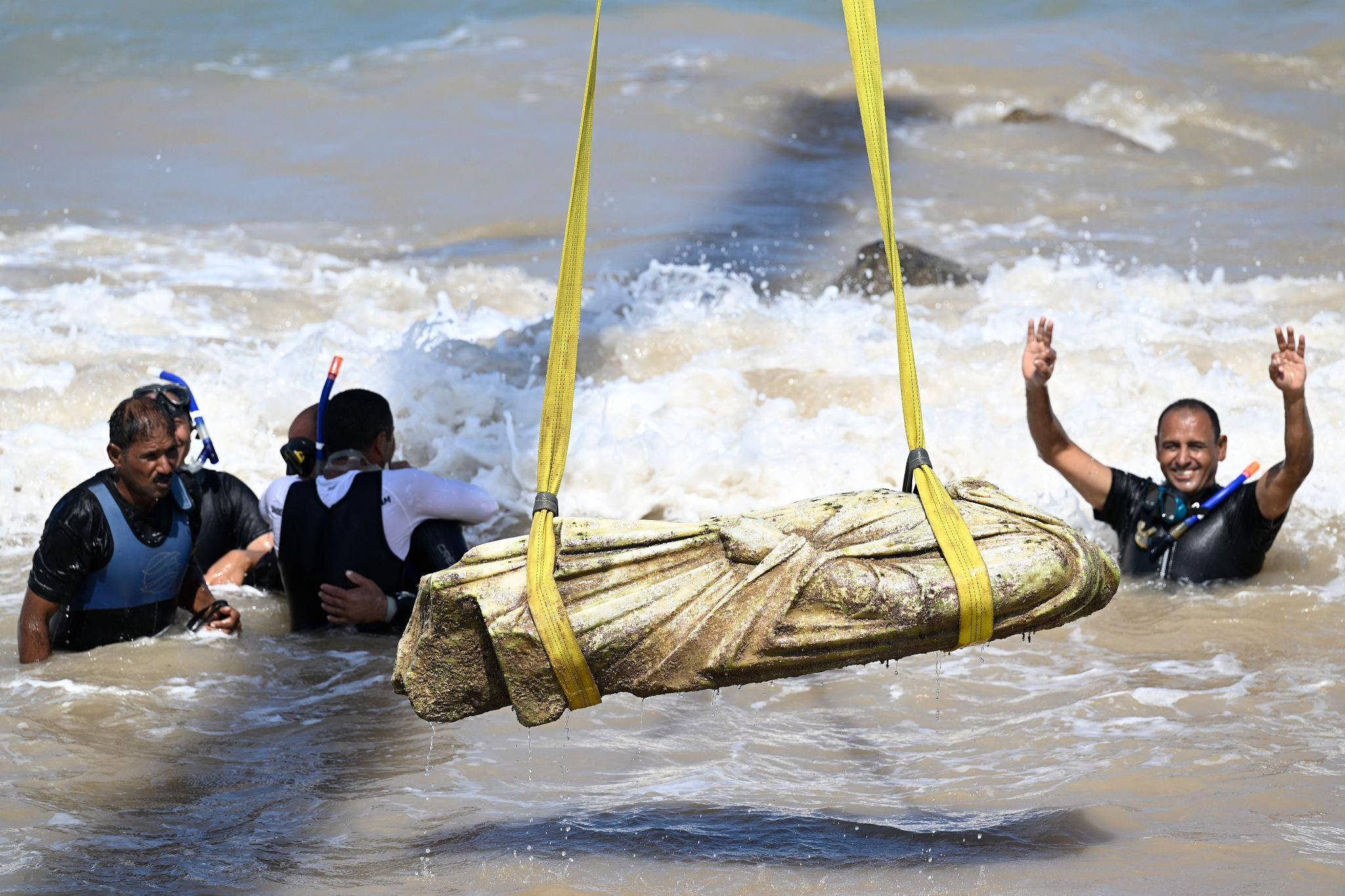
Large parts of ancient Alexandria are now submerged underwater due to earthquakes and rising sea levels
Underwater archaeology has revealed:
Sunken statues
Ruins of palaces
Fragments of ancient infrastructure
If Cleopatra’s tomb was located in this area, it may now lie beneath the Mediterranean Sea—making discovery far more difficult.
Technology and the Modern Search
Today’s search for Cleopatra’s tomb is powered by advanced technology, transforming how archaeologists investigate ancient sites.
Modern methods include:
Ground-penetrating radar (GPR) to detect hidden chambers
3D mapping of underground structures
Satellite imaging to analyze landscapes
DNA and material analysis of discovered remains
At Taposiris Magna, researchers have identified extensive tunnel systems and sealed spaces that could still hold undiscovered chambers.
Each new scan brings the possibility of a breakthrough.
Challenges and Controversies
Despite exciting discoveries, the search is far from straightforward.
Key challenges include:
Limited historical records
Extensive damage from time and natural disasters
The sheer size of potential search areas
Differing interpretations among scholars
Some experts remain skeptical about the Taposiris Magna theory, arguing that Cleopatra would more likely have been buried within Alexandria itself.
Others believe her tomb may have been lost entirely—destroyed or looted in antiquity.
A Mystery on the Brink of Discovery?
In recent years, optimism has grown. The scale of ongoing excavations and the quality of new findings suggest that researchers are closer than ever to uncovering definitive evidence.
Still, archaeology is a slow and careful process. Even with modern tools, confirming a discovery of this magnitude requires:
Clear identification of inscriptions or remains
Strong historical and contextual evidence
Peer-reviewed validation
Until then, the mystery remains open.
Why Cleopatra’s Tomb Matters
The search for Cleopatra’s final resting place is about more than locating a tomb—it is about understanding a pivotal moment in history.
Her burial site could reveal:
Insights into royal burial practices of the Ptolemaic era
New information about her reign and legacy
Connections between Egyptian and Roman cultures
It would also represent one of the most significant archaeological discoveries of modern times.
The Enduring Fascination
Cleopatra’s story has endured for over two millennia because it blends history, politics, romance, and myth.
Her missing tomb adds one final layer of intrigue—a mystery that continues to captivate researchers and the public alike.
Whether hidden beneath desert sands, buried within ancient ruins, or resting beneath the sea, her final resting place remains one of archaeology’s greatest unsolved puzzles.
And perhaps that is part of its power:
a queen whose legacy refuses to be buried, still waiting to be found.