A Material That Defied Time
The durability of Roman structures has long amazed engineers. Buildings made with Roman concrete have survived for over 2,000 years—far longer than many modern constructions.
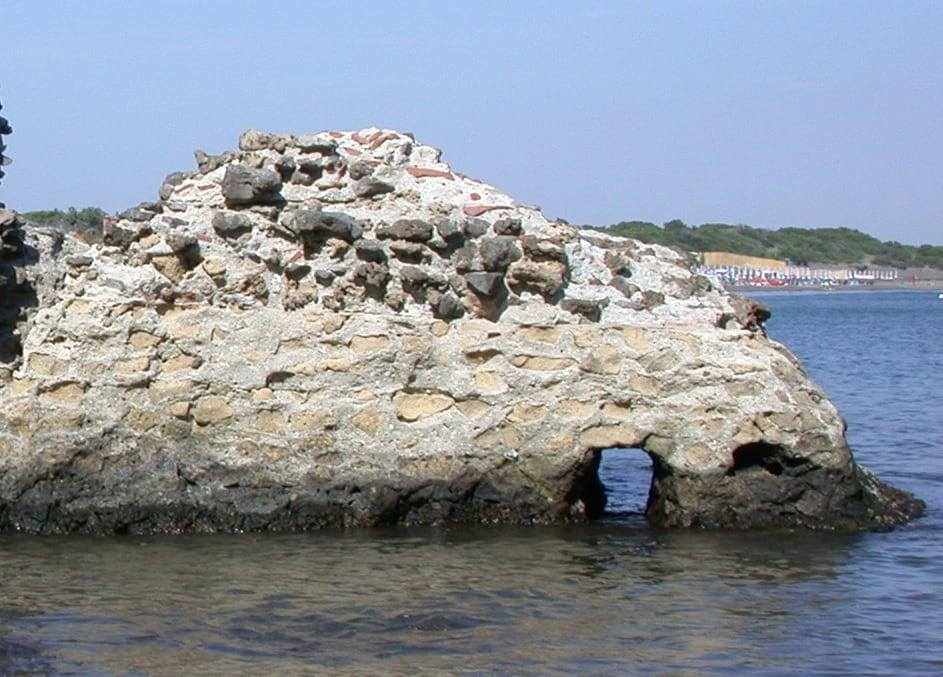
What Made It Special?
Roman concrete was made using:
Volcanic ash (pozzolana)
Lime
Water
Aggregates like stone
This mixture created a material that was both strong and chemically reactive.
The “Self-Healing” Property
Recent studies suggest that Roman concrete could repair itself over time.
When cracks formed, water would enter and react with lime clasts in the material, triggering chemical processes that:
Recrystallized minerals
Sealed cracks naturally
Strengthened the structure
Why Modern Concrete Falls Short
Modern concrete often prioritizes speed and cost over longevity. It lacks the same chemical composition that allows Roman concrete to heal itself.
Engineers today are studying ancient techniques to create more durable and sustainable materials.
Ancient Innovation, Modern Inspiration
Roman concrete shows that ancient builders achieved levels of sophistication that still challenge modern science. It’s a reminder that sometimes, the past holds solutions for the future.