Introduction
Deep Creek Station was one of the most important transportation stops in western Utah during the nineteenth century.
Located in the homeland of the Goshute people, Deep Creek became a crucial point along the overland route connecting Salt Lake City with the settlements and transportation networks farther west.
The site is especially significant because it served multiple transportation systems: the Pony Express, Overland Stage, and telegraph.
The National Park Service notes that a ranch established there by Howard Egan became a Pony Express home station in 1860–1861 and also supported the Overland Stage.
The Deep Creek Environment
Water determined transportation geography in the Great Basin.
Deep Creek provided an important source of water in a region where reliable springs and streams were widely separated.
This made the location valuable long before the arrival of Euro-American transportation.
The Goshute people had longstanding knowledge of the area.
Howard Egan's Ranch
Howard Egan established a ranch on Deep Creek in the late 1850s.
The ranch became a transportation facility.
Its agricultural production also supported the larger transportation network.
Egan produced hay, grain, mutton, and beef.
The station was therefore not simply a stopping place.
It was an agricultural enterprise integrated into the overland transportation economy.
Pony Express
During 1860–1861, Deep Creek served as a Pony Express home station.
Riders could change horses and obtain supplies.
The station's location was strategically important because the Pony Express depended upon reliable intervals between stops.
Overland Stage
The site also supported stagecoach transportation.
Stage travelers required food, water, rest, and fresh animals.
The station therefore served multiple transportation networks simultaneously.
Richard Burton's Account
English traveler Richard Burton visited Deep Creek during his 1860s journey through the American West.
His observations provide an unusually detailed contemporary description of the station.
He described buildings, agricultural fields, waterways, and livestock.
Such firsthand accounts are valuable historical evidence because they provide information about the physical landscape that archaeology can later investigate.
Telegraph
The completion of the transcontinental telegraph in October 1861 transformed the station's role.
The Pony Express quickly became obsolete.
A telegraph repeater station replaced the Pony Express operation.
This technological transition demonstrates how rapidly communication systems could change.
Agriculture and Transportation
Deep Creek demonstrates the importance of agriculture to transportation.
Stage stations could not survive on transportation alone.
They required hay for horses, grain for livestock and people, meat, water, and other supplies.
Agricultural production therefore became part of the transportation infrastructure.
Goshute Homeland
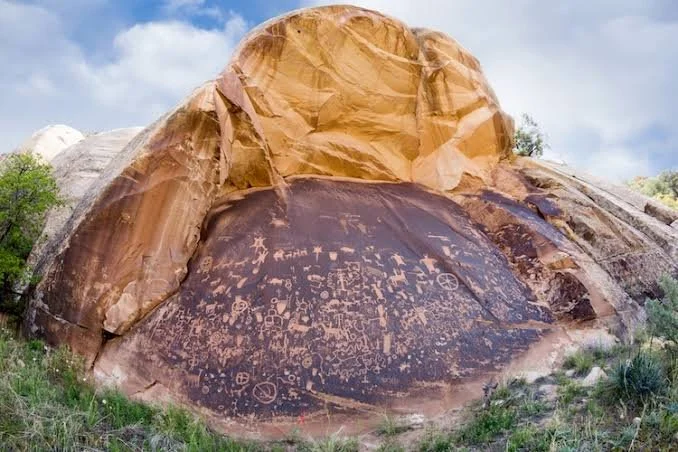
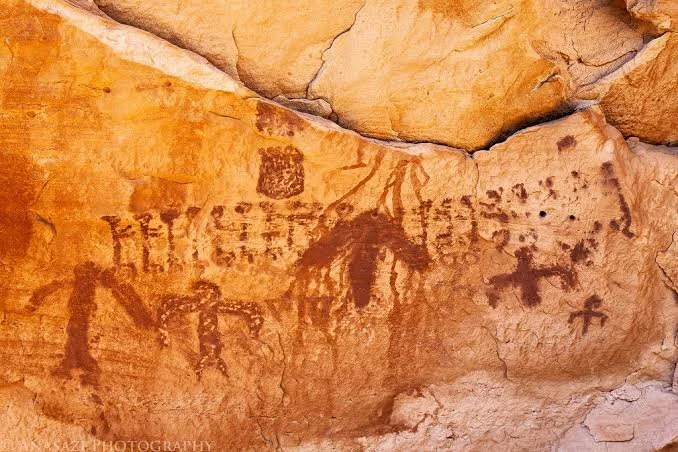
The history of Deep Creek cannot be separated from the Goshute people.
The station was established within an Indigenous landscape.
The development of the ranch and transportation route altered patterns of land use and resource access.
Modern interpretation must therefore include both the Indigenous history of the region and the later overland transportation history.
Archaeology
The original station buildings are largely gone.
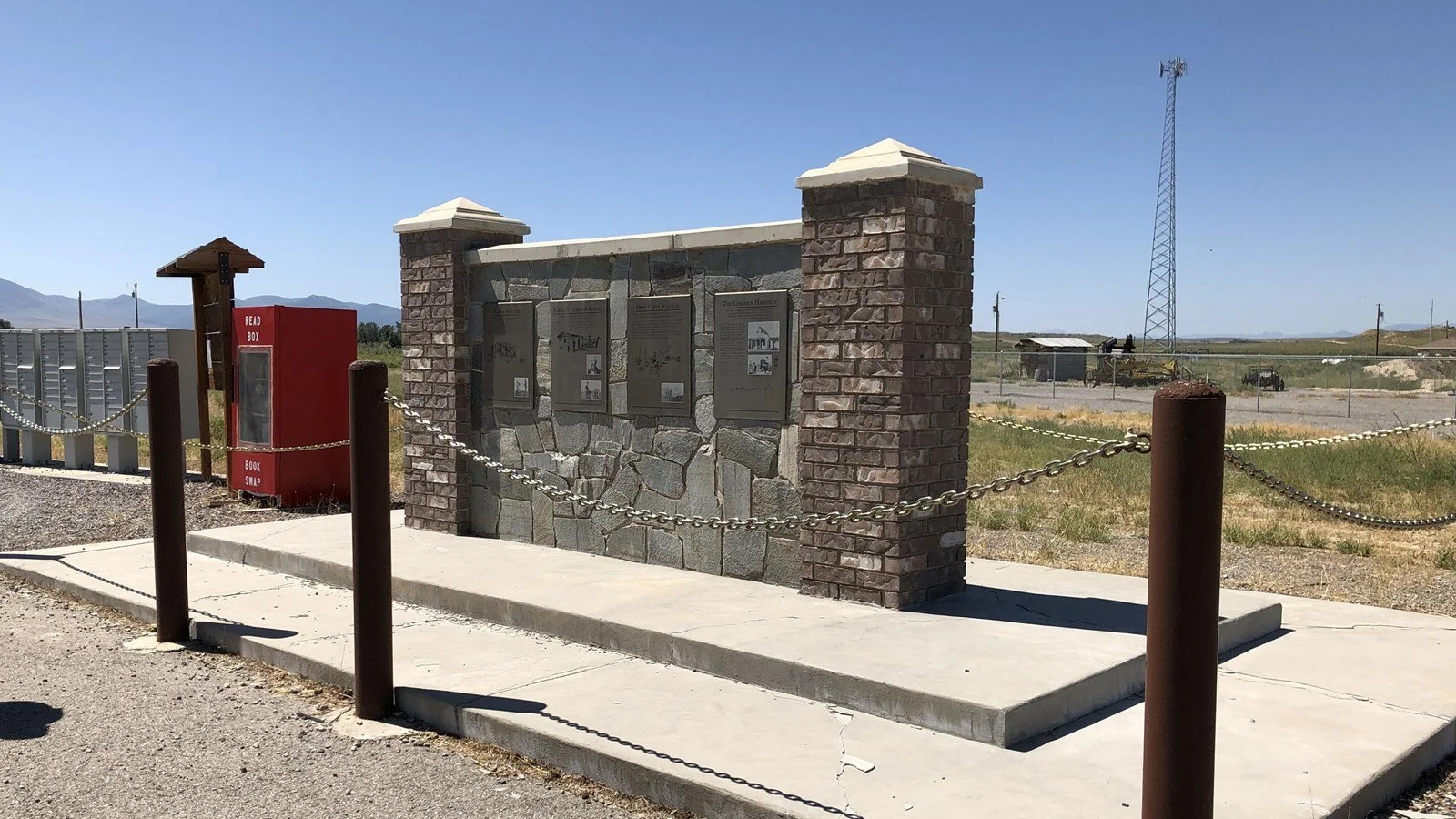
Archaeological remains and historical markers can nevertheless preserve evidence of the site's former importance.
The combination of documentary sources and archaeology makes Deep Creek an excellent case study in frontier transportation history.
Conclusion
Deep Creek was far more than a stagecoach stop.
It was an agricultural enterprise, Pony Express station, Overland Stage facility, telegraph site, and strategic water source.
Its history demonstrates how transportation networks depended upon environmental knowledge, agriculture, and Indigenous landscapes.