Introduction
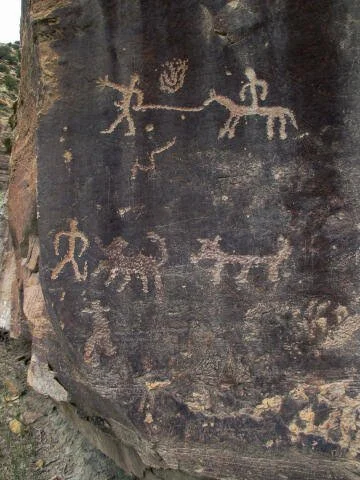
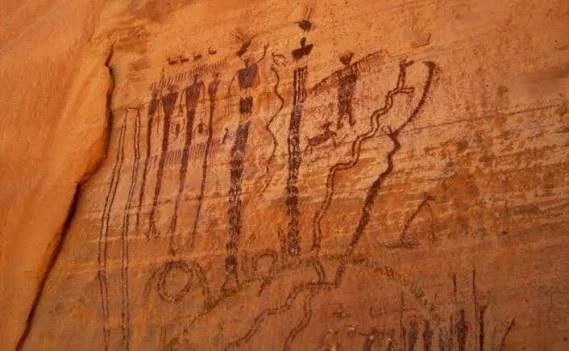
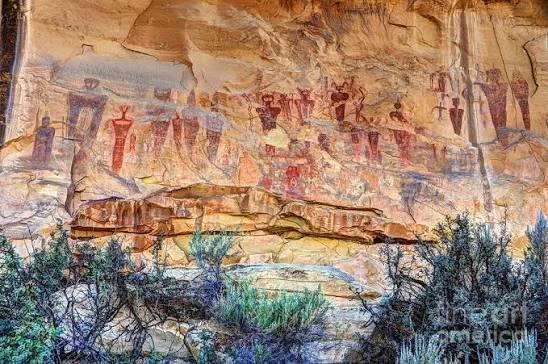
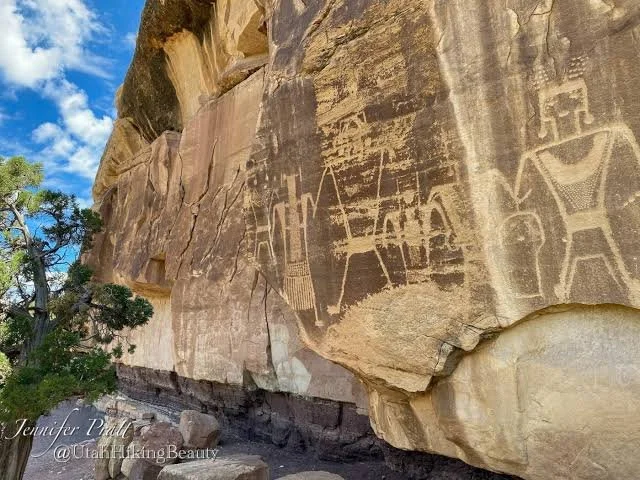
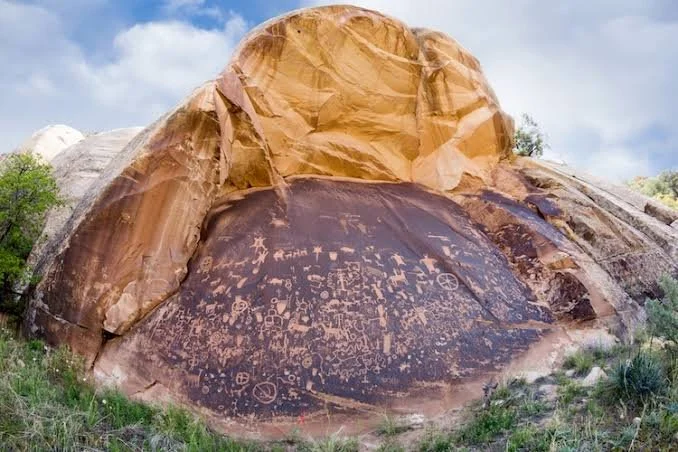
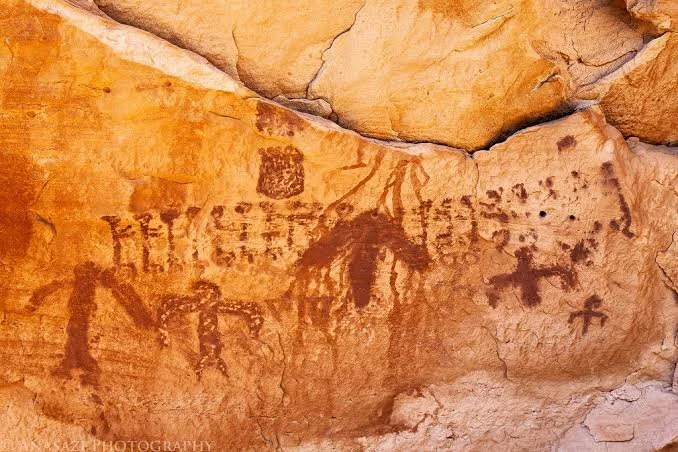
The name Shoshone evokes one of the major Indigenous cultural traditions of the Great Basin and Intermountain West. In the context of nineteenth-century transportation history, however, it is important to distinguish between Indigenous geography and the later Euro-American transportation infrastructure that passed through it.
The Pony Express operated only from April 1860 to October 1861, but its brief existence has left a powerful historical legacy. Stations were established at carefully selected points along the route, particularly where travelers and riders could obtain water, horses, food, and shelter.
Sites associated with the name Shoshone should therefore be interpreted through both Indigenous geography and the short-lived transportation network imposed upon it.
The Pony Express
The Pony Express was established to move mail rapidly between Missouri and California.
Riders traveled through a chain of relay stations.
At each station, a rider could exchange horses and continue toward the next point.
This system allowed mail to travel much faster than conventional stagecoach service.
The Great Basin Route
The route crossed difficult terrain.
Riders encountered deserts, mountain passes, rivers, and long stretches without reliable water.
Stations therefore had to be carefully located.
Water sources were among the most valuable geographic features.
Indigenous Landscapes
The transportation route did not cross an empty wilderness.
Indigenous communities had used these landscapes for generations.
The Shoshone and other Great Basin peoples possessed detailed knowledge of springs, plants, animals, trails, and seasonal resources.
European-American transportation routes frequently followed corridors that Indigenous people already knew and used.
This is an important archaeological and historical principle.
Station Infrastructure
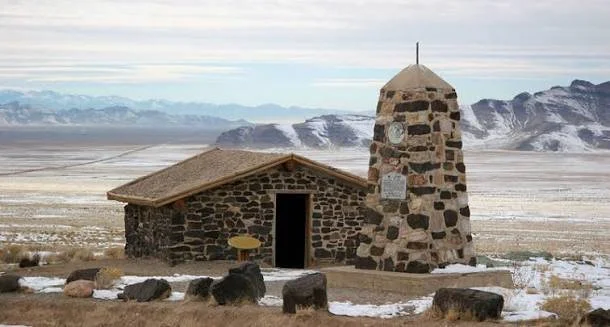
A Pony Express station could be simple.
Some consisted of ranch buildings adapted for mail service.
Others were purpose-built facilities.
A station needed horse-changing facilities and basic accommodations.
The apparent simplicity of these structures should not obscure their importance within the national communication system.
Riders
Pony Express riders developed a legendary reputation.
They traveled rapidly and faced difficult environmental conditions.
Riders needed horsemanship, endurance, route knowledge, and reliability.
The job was dangerous.
Yet the service itself existed for only a short period.
The Telegraph
The Pony Express became obsolete when the transcontinental telegraph was completed in 1861.
The telegraph could transmit messages almost instantaneously compared with physical transportation.
This demonstrates one of the central patterns of technological history:
A successful technology can disappear rapidly when a fundamentally different technology solves the same problem more efficiently.
Archaeological Evidence
Station archaeology can reveal how transportation systems functioned.
Foundations, wells, corrals, ceramics, bottles, horseshoes, and other artifacts can identify the activities carried out at a station.
Archaeological research is particularly important where buildings have disappeared.
Indigenous Continuity
Modern interpretation should avoid treating Indigenous history as merely a prelude to the Pony Express.
Shoshone communities survived the transportation transformation and remain culturally present.
The arrival of Euro-American transportation changed their environment, but it did not erase their history.
Conclusion
The history associated with Shoshone and the Pony Express belongs to a larger story of transportation crossing an already inhabited Indigenous landscape.
The Pony Express was short-lived, but its stations became important historical markers.
Their significance lies in the intersection of Indigenous geography, western migration, communication technology, and the rapid transformation of transportation in the nineteenth century.