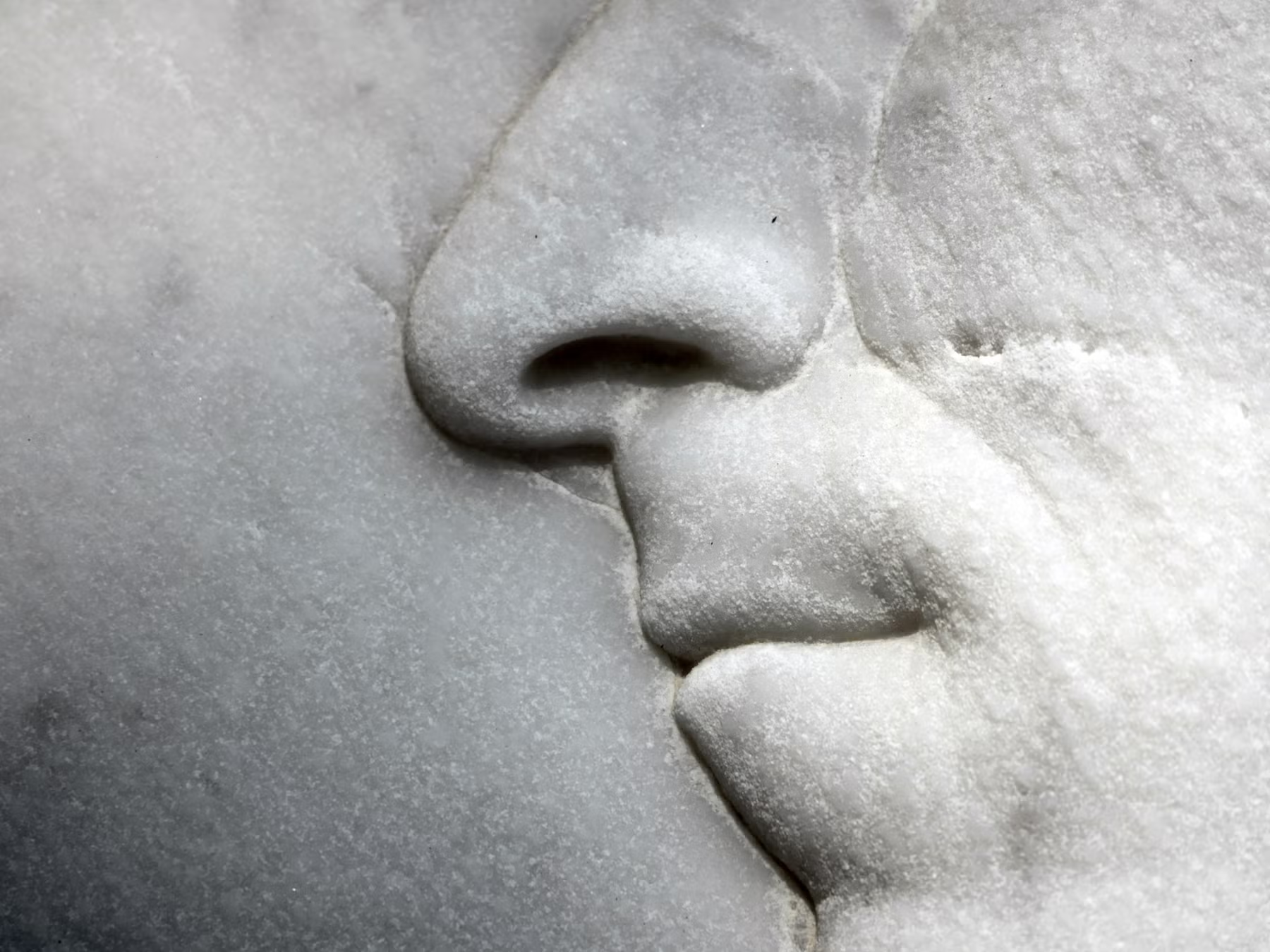
The stone carving could be thousands of years old, possibly from the Bronze Age.
Here’s what readers will take away from this story:
Modern Kazakhstan is built on layers of cultures, khanates, and empires that span thousands of years.
During a routine fire patrol about 200 miles northwest of the capital, Astana, crews discovered a carved human face nearly a foot long on a granite boulder.
While experts have examined the carving, its exact origins remain uncertain and may date back to the Bronze Age or to Turkic cultures from the medieval period.
The land that is now Kazakhstan has been shaped by a long and complex historical process.
Kazakhstan’s past stretches deep into antiquity. During the Bronze Age, it was home to cultures such as the Srubna, Afanasevo, and Andronovo. Later, the Eurasian steppes saw the rise of the Huns, medieval Turkic peoples, and successive khanates. In more recent centuries, the region became part of the Russian Empire and later the Soviet Union, before gaining independence following the USSR’s collapse in the 1990s.
Situated at a major historical crossroads, Kazakhstan is among the most archaeologically rich regions in the world. The unexpected discovery made by fire crews is yet another reminder of how much of the country’s ancient past still lies hidden in its landscape.