• MAIN PAGE
  • LATEST NEWS
    • Lost Cities
    • Archaeology's Greatest Finds
    • Underwater Discoveries
    • Greatest Inventions
    • Studies
    • Blog
  • PHILOSOPHY
  • HISTORY
  • RELIGIONS
    • Africa
    • Anatolia
    • Arabian Peninsula
    • Balkan Region
    • China - East Asia
    • Europe
    • Eurasian Steppe
    • Levant
    • Mesopotamia
    • Oceania - SE Asia
    • Pre-Columbian Civilizations of America
    • Iranian Plateau - Central Asia
    • Indus Valley - South Asia
    • Japan
    • The Archaeologist Editor Group
    • Scientific Studies
    • Aegean Prehistory
    • Historical Period
    • Byzantine Middle Ages
    • Predynastic Period
    • Dynastic Period
    • Greco-Roman Egypt
  • Rome
  • PALEONTOLOGY
  • About us
Menu

The Archaeologist

  • MAIN PAGE
  • LATEST NEWS
  • DISCOVERIES
    • Lost Cities
    • Archaeology's Greatest Finds
    • Underwater Discoveries
    • Greatest Inventions
    • Studies
    • Blog
  • PHILOSOPHY
  • HISTORY
  • RELIGIONS
  • World Civilizations
    • Africa
    • Anatolia
    • Arabian Peninsula
    • Balkan Region
    • China - East Asia
    • Europe
    • Eurasian Steppe
    • Levant
    • Mesopotamia
    • Oceania - SE Asia
    • Pre-Columbian Civilizations of America
    • Iranian Plateau - Central Asia
    • Indus Valley - South Asia
    • Japan
    • The Archaeologist Editor Group
    • Scientific Studies
  • GREECE
    • Aegean Prehistory
    • Historical Period
    • Byzantine Middle Ages
  • Egypt
    • Predynastic Period
    • Dynastic Period
    • Greco-Roman Egypt
  • Rome
  • PALEONTOLOGY
  • About us
No results found

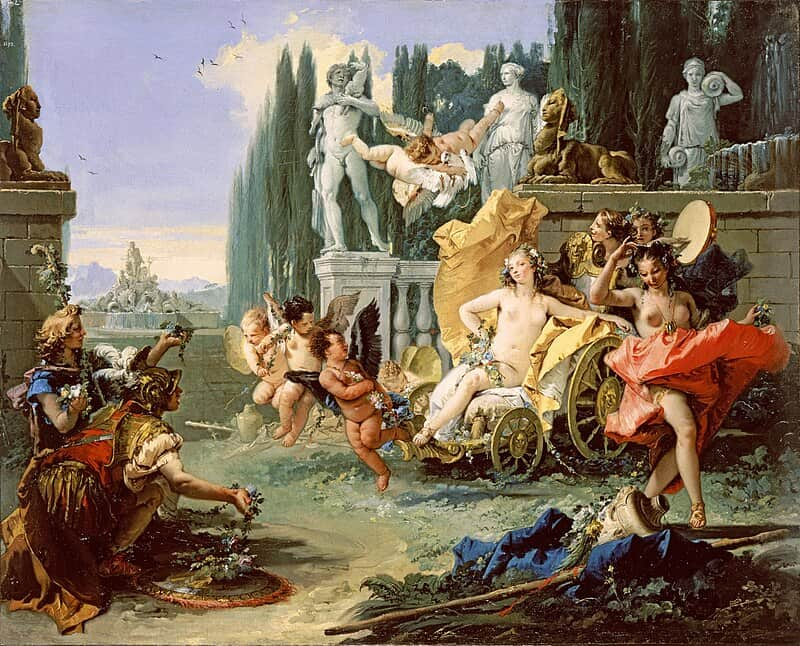
Forgotten Ancient Festivals Celebrating the Stars

March 24, 2026

Celebrating the Sky

For ancient societies, the night sky was more than a source of wonder—it was a guide for life.

The movement of stars, planets, and other celestial bodies helped people understand time, seasons, and cycles. To honor these patterns, many cultures held festivals dedicated to the stars.

These gatherings combined observation, celebration, and spiritual meaning.

Seasonal and Astronomical Events

Ancient festivals were often timed with important celestial events.

Solstices, equinoxes, and the appearance of specific stars marked changes in seasons. These moments were critical for agriculture, signaling when to plant or harvest crops.

By celebrating these events, communities acknowledged the importance of cosmic cycles in their survival.

Ritual and Community

Star-related festivals were deeply communal.

People gathered to perform rituals, share food, and participate in ceremonies. These events often included music, dance, and storytelling, creating a shared cultural experience.

Rituals might involve offerings, prayers, or symbolic actions meant to align human life with the movements of the heavens.

Spiritual Meaning

The stars were often seen as divine or connected to higher powers.

Festivals honoring them reflected a belief that the cosmos influenced human life. By celebrating celestial events, people expressed gratitude, sought guidance, and reinforced their connection to the universe.

Cultural Importance

These festivals played an important role in maintaining social bonds.

They brought communities together, strengthened traditions, and passed knowledge from one generation to the next.

They also reinforced shared beliefs about the structure of the universe and humanity’s place within it.

Echoes in Modern Traditions

Many modern celebrations still reflect these ancient practices.

Festivals tied to seasonal changes or celestial events continue to be observed around the world, even if their original meanings have evolved.

A Sky That Still Connects Us

Though much has changed, the human fascination with the stars remains.

Ancient festivals celebrating the sky remind us that, across time, people have always looked upward—not just for guidance, but for meaning, connection, and inspiration.
← The First Glassmakers of the Ancient WorldMyths of the Sky-Serpents and Celestial Dragons →
Featured
image_2026-05-06_231204842.png
May 6, 2026
The Discovery of Troy: How Schliemann’s Obsession Changed Archaeology
May 6, 2026
Read More →
May 6, 2026
image_2026-05-06_230829515.png
May 6, 2026
Ancient Sumerian Cylinder Seals: The Tiny Masterpieces of Mesopotamia
May 6, 2026
Read More →
May 6, 2026
image_2026-05-06_230748904.png
May 6, 2026
The Nazca Puquios: Ancient Hydraulic Systems That Still Work Today
May 6, 2026
Read More →
May 6, 2026
image_2026-05-06_231132977.png
May 6, 2026
Roman Military Camps: Life on the Limes of the Danube River
May 6, 2026
Read More →
May 6, 2026
image_2026-05-04_225440373.png
May 6, 2026
The Maya Blue Pigment: The Chemistry of an Ancient Artistic Miracle
May 6, 2026
Read More →
May 6, 2026
image_2026-05-04_225323051.png
May 6, 2026
Viking Trade Routes: From the Fjords of Norway to the Markets of Baghdad
May 6, 2026
Read More →
May 6, 2026
read more

Powered by The archaeologist