Creatures of the Heavens
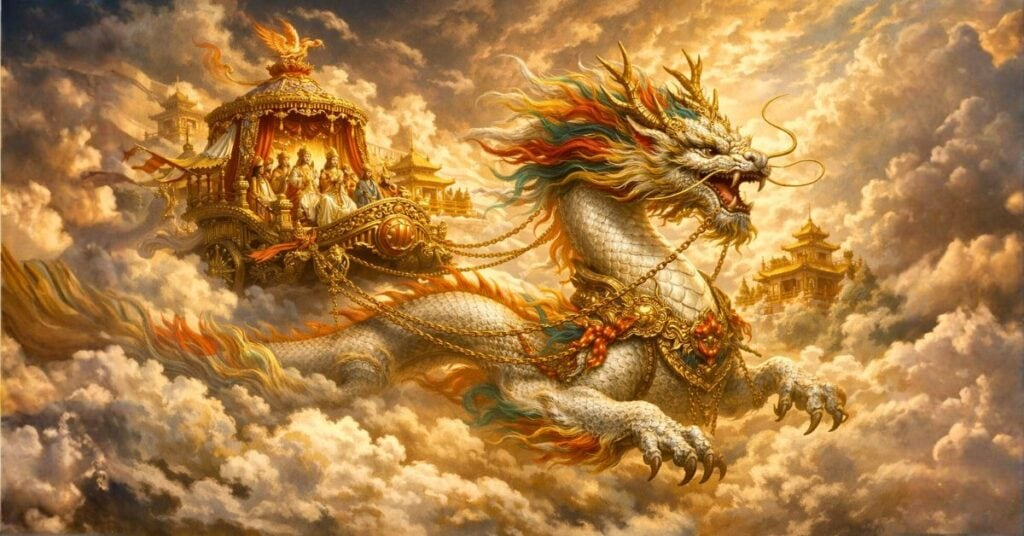
Across cultures, myths describe powerful serpent-like beings that move through the sky. These sky-serpents or celestial dragons appear in stories from different parts of the world, often associated with natural forces and cosmic events.
Their forms vary, but their presence is consistently linked to the mysteries of the heavens.
Symbolism
Sky-serpents carried rich symbolic meaning.
They were often associated with storms, lightning, and rain—forces that could both sustain and destroy life. In some traditions, they were seen as bringers of water and fertility, while in others, they represented chaos or danger.
Their long, flowing bodies mirrored the movement of rivers or the arc of lightning across the sky, connecting them to both earth and atmosphere.
Cultural Variations
Different cultures described these beings in unique ways.
In some regions, they appeared as benevolent guardians or creators. In others, they were powerful adversaries that heroes had to defeat.
Despite these differences, the core idea remains similar: a serpent-like being connected to the sky and to powerful natural forces.
Cosmic Role
Sky-serpents often played central roles in creation myths and explanations of natural events.
They might control rainfall, shape the landscape, or represent the movement of celestial bodies. In some traditions, they were believed to connect the heavens and the Earth, acting as cosmic bridges.
Fear and Reverence
These creatures were both feared and respected.
Their power made them unpredictable, but also essential to the balance of the natural world. This dual nature reflects how ancient people viewed the forces around them—dangerous yet necessary.
Lasting Influence
The image of the celestial serpent continues to appear in modern stories, art, and symbolism.
It remains a powerful representation of mystery, transformation, and the connection between Earth and sky.