• MAIN PAGE
  • LATEST NEWS
    • Lost Cities
    • Archaeology's Greatest Finds
    • Underwater Discoveries
    • Greatest Inventions
    • Studies
    • Blog
  • PHILOSOPHY
  • HISTORY
  • RELIGIONS
    • Africa
    • Anatolia
    • Arabian Peninsula
    • Balkan Region
    • China - East Asia
    • Europe
    • Eurasian Steppe
    • Levant
    • Mesopotamia
    • Oceania - SE Asia
    • Pre-Columbian Civilizations of America
    • Iranian Plateau - Central Asia
    • Indus Valley - South Asia
    • Japan
    • The Archaeologist Editor Group
    • Scientific Studies
    • Aegean Prehistory
    • Historical Period
    • Byzantine Middle Ages
    • Predynastic Period
    • Dynastic Period
    • Greco-Roman Egypt
  • Rome
  • PALEONTOLOGY
  • About us
Menu

The Archaeologist

  • MAIN PAGE
  • LATEST NEWS
  • DISCOVERIES
    • Lost Cities
    • Archaeology's Greatest Finds
    • Underwater Discoveries
    • Greatest Inventions
    • Studies
    • Blog
  • PHILOSOPHY
  • HISTORY
  • RELIGIONS
  • World Civilizations
    • Africa
    • Anatolia
    • Arabian Peninsula
    • Balkan Region
    • China - East Asia
    • Europe
    • Eurasian Steppe
    • Levant
    • Mesopotamia
    • Oceania - SE Asia
    • Pre-Columbian Civilizations of America
    • Iranian Plateau - Central Asia
    • Indus Valley - South Asia
    • Japan
    • The Archaeologist Editor Group
    • Scientific Studies
  • GREECE
    • Aegean Prehistory
    • Historical Period
    • Byzantine Middle Ages
  • Egypt
    • Predynastic Period
    • Dynastic Period
    • Greco-Roman Egypt
  • Rome
  • PALEONTOLOGY
  • About us

Forgotten Goddesses Hidden in Stone Carvings

March 7, 2026

Throughout history, many female deities once held central roles in religious traditions. Over time, some of these goddesses faded from written records, leaving only carved images as evidence of their existence.

Stone carvings, statues, and reliefs provide rare glimpses into these forgotten divine figures.

Identifying Unknown Deities

When archaeologists discover carvings of female figures, they analyze symbols associated with them. Animals, plants, or celestial signs can reveal a goddess’s domain—fertility, protection, agriculture, or the moon.

However, without inscriptions, identifying specific names remains difficult.

Mother Goddess Traditions

Many prehistoric cultures revered mother-goddess figures representing fertility and creation. Sculptures such as the famous figurines found across Europe suggest widespread veneration of feminine power in early spirituality.

Goddesses of Cities and Landscapes

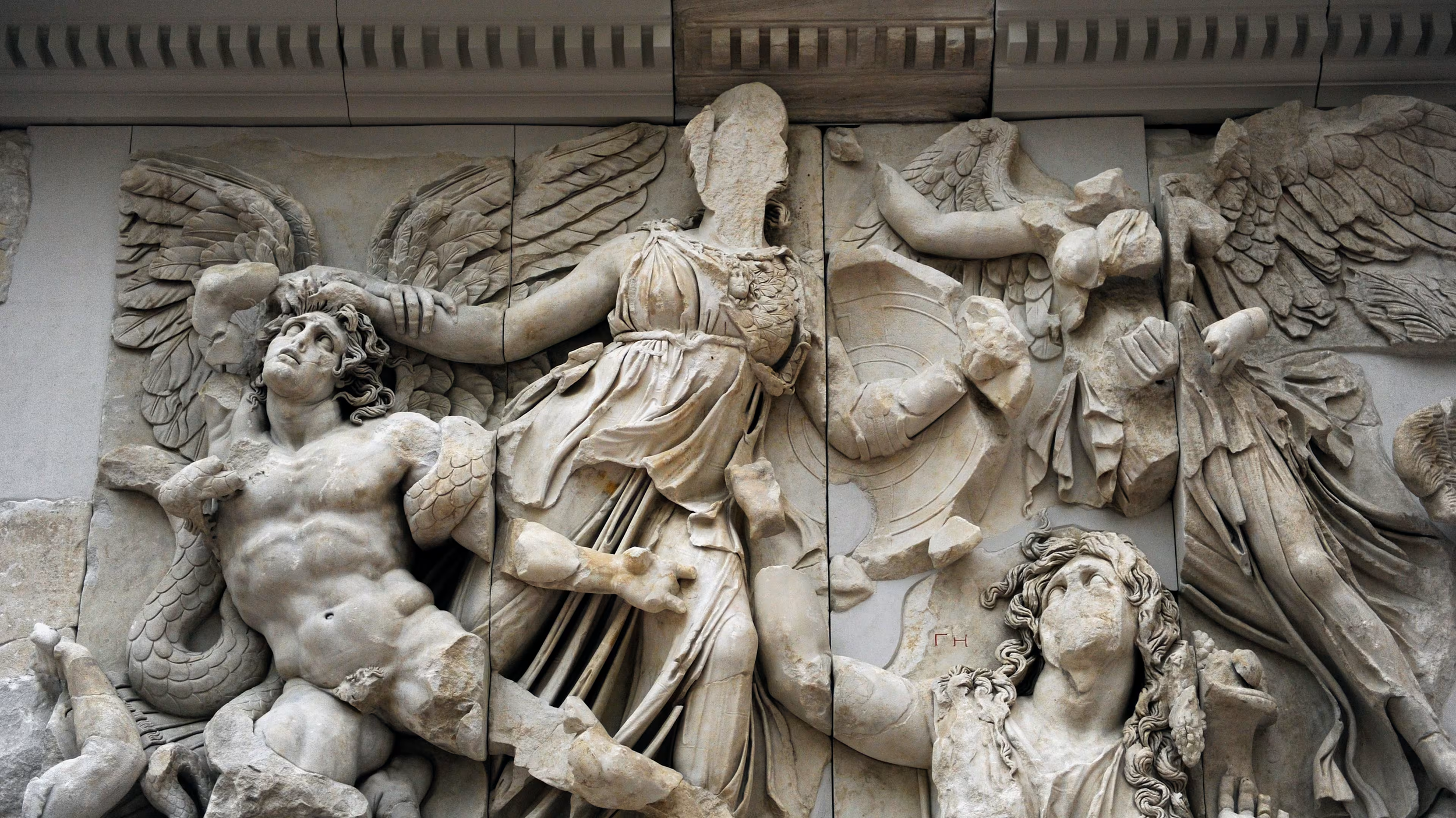
In ancient Anatolia, the goddess Cybele was worshipped as a protector of cities and mountains. Her image appears in reliefs carved into rock faces.

Yet many other local goddesses remain anonymous, known only through iconography.

Sacred Symbols in Stone

Attributes such as serpents, lions, or wheat stalks often appear beside goddess figures. These symbols reveal connections to nature, agriculture, and cosmic cycles.

Voices Lost but Not Forgotten

The forgotten goddesses remind us that religious traditions evolve over time. Some deities rise to prominence while others fade from memory.

Stone carvings preserve fragments of these ancient beliefs, allowing modern scholars to reconstruct lost spiritual landscapes.
← The Ancient Makers of Bone ArmorThe First Urban Planners of the Ancient World →
Featured
image_2026-03-07_211932144.png
Mar 7, 2026
The First Desert Irrigation Systems of Yemen
Mar 7, 2026
Read More →
Mar 7, 2026
image_2026-03-07_211851997.png
Mar 7, 2026
The Forgotten Bronze Age Kingdom of Arzawa
Mar 7, 2026
Read More →
Mar 7, 2026
image_2026-03-07_211802381.png
Mar 7, 2026
The Obsidian Trade of Early Mesoamerica
Mar 7, 2026
Read More →
Mar 7, 2026
image_2026-03-07_211721996.png
Mar 7, 2026
The Stone Temples of Göbekli Tepe’s Neighbors
Mar 7, 2026
Read More →
Mar 7, 2026
image_2026-03-07_211626791.png
Mar 7, 2026
The Ancient Bee-Keepers of Anatolia
Mar 7, 2026
Read More →
Mar 7, 2026
image_2026-03-07_211510108.png
Mar 7, 2026
The Ancient Makers of Bone Armor
Mar 7, 2026
Read More →
Mar 7, 2026
read more

Powered by The archaeologist